
'%3e%3cpath%20fill-rule='evenodd'%20clip-rule='evenodd'%20d='M6.99935%2012.8327C10.221%2012.8327%2012.8327%2010.221%2012.8327%206.99935C12.8327%203.77769%2010.221%201.16602%206.99935%201.16602C3.77769%201.16602%201.16602%203.77769%201.16602%206.99935C1.16602%2010.221%203.77769%2012.8327%206.99935%2012.8327Z'%20stroke='%23666666'%20stroke-linecap='round'%20stroke-linejoin='round'/%3e%3cpath%20d='M1.16602%207H12.8327'%20stroke='%23666666'%20stroke-linecap='round'%20stroke-linejoin='round'/%3e%3cpath%20fill-rule='evenodd'%20clip-rule='evenodd'%20d='M6.99935%2012.8327C8.28802%2012.8327%209.33268%2010.221%209.33268%206.99935C9.33268%203.77769%208.28802%201.16602%206.99935%201.16602C5.71068%201.16602%204.66602%203.77769%204.66602%206.99935C4.66602%2010.221%205.71068%2012.8327%206.99935%2012.8327Z'%20stroke='%23666666'%20stroke-linecap='round'%20stroke-linejoin='round'/%3e%3cpath%20d='M2.875%202.95898C3.93063%204.01461%205.38896%204.66754%206.99978%204.66754C8.61062%204.66754%2010.069%204.01461%2011.1246%202.95898'%20stroke='%23666666'%20stroke-linecap='round'%20stroke-linejoin='round'/%3e%3cpath%20d='M11.1246%2011.0425C10.069%209.98691%208.61062%209.33398%206.99978%209.33398C5.38896%209.33398%203.93063%209.98691%202.875%2011.0425'%20stroke='%23666666'%20stroke-linecap='round'%20stroke-linejoin='round'/%3e%3c/g%3e%3cdefs%3e%3cclipPath%20id='clip0_1267_9109'%3e%3crect%20width='14'%20height='14'%20fill='white'/%3e%3c/clipPath%3e%3c/defs%3e%3c/svg%3e)


ราคา DocuSign ในนิวซีแลนด์


ทำความเข้าใจราคา DocuSign ในนิวซีแลนด์
ธุรกิจในนิวซีแลนด์พึ่งพาโซลูชันลายเซ็นอิเล็กทรอนิกส์มากขึ้นเพื่อปรับปรุงการดำเนินงาน โดยเฉพาะอย่างยิ่งในอุตสาหกรรมต่างๆ เช่น อสังหาริมทรัพย์ การเงิน และบริการทางกฎหมาย ในฐานะผู้เล่นหลักในการเปลี่ยนแปลงทางดิจิทัล DocuSign นำเสนอเครื่องมือ eSignature ที่แข็งแกร่ง ซึ่งปรับให้เข้ากับข้อกำหนดด้านกฎระเบียบและประสิทธิภาพ อย่างไรก็ตาม การทำความเข้าใจโครงสร้างราคาในตลาดนิวซีแลนด์ต้องพิจารณาถึงกฎระเบียบท้องถิ่น ความแตกต่างในระดับภูมิภาค และการเปรียบเทียบกับคู่แข่ง บทความนี้สำรวจราคาที่ DocuSign นำเสนอสำหรับผู้ใช้ในนิวซีแลนด์ โดยอิงตามข้อมูลอย่างเป็นทางการปี 2025 ในขณะที่ยังคงมุมมองทางธุรกิจที่เป็นกลางเกี่ยวกับต้นทุน คุณสมบัติ และทางเลือกอื่น
กรอบกฎหมายลายเซ็นอิเล็กทรอนิกส์ในนิวซีแลนด์
ก่อนที่จะเจาะลึกเรื่องราคา จำเป็นต้องเข้าใจความเกี่ยวข้องของ DocuSign ในนิวซีแลนด์ ประเทศนี้มีทัศนคติที่ก้าวหน้าต่อลายเซ็นดิจิทัล ซึ่งส่วนใหญ่กำกับดูแลโดย Electronic Transactions Act 2002 (ETA) กฎหมายนี้ทำให้นิวซีแลนด์สอดคล้องกับมาตรฐานสากล โดยยอมรับลายเซ็นอิเล็กทรอนิกส์ว่าเป็นทางเลือกที่ถูกต้องตามกฎหมายเทียบเท่ากับลายเซ็นหมึกเปียกในสัญญาต่างๆ ส่วนใหญ่ โดยมีเงื่อนไขว่าตรงตามมาตรฐานความน่าเชื่อถือและการรับรอง
ประเด็นสำคัญ ได้แก่:
- ข้อกำหนดด้านความน่าเชื่อถือ: ลายเซ็นต้องเชื่อมโยงกับผู้ลงนามในลักษณะที่สามารถตรวจจับการแก้ไขได้ คล้ายกับกรอบ eIDAS ของสหภาพยุโรปหรือ ESIGN Act ของสหรัฐอเมริกา
- ข้อยกเว้น: เอกสารบางประเภท เช่น พินัยกรรม หนังสือมอบอำนาจ หรือกรรมสิทธิ์ที่ดินภายใต้ Land Transfer Act 2017 ยังคงต้องมีลายเซ็นจริง อย่างไรก็ตาม สำหรับข้อตกลงทางธุรกิจ ตัวเลือกอิเล็กทรอนิกส์ได้รับการยอมรับอย่างกว้างขวาง
- การปฏิบัติตามกฎหมายความเป็นส่วนตัว: การบูรณาการกับ Privacy Act 2020 ช่วยให้มั่นใจได้ว่าการประมวลผลข้อมูลเป็นไปตามมาตรฐานที่คล้ายคลึงกับ GDPR โดยเน้นที่การจัดเก็บที่ปลอดภัยและความยินยอม
- การพัฒนาล่าสุด: หลังปี 2020 เมื่อการทำงานทางไกลเพิ่มขึ้น รัฐบาลได้ส่งเสริมการนำดิจิทัลมาใช้ผ่านโครงการริเริ่มต่างๆ เช่น Aotearoa Digital Strategy ซึ่งขับเคลื่อนเครื่องมือต่างๆ เช่น DocuSign เพื่อใช้ในการลงนามที่ปลอดภัยและตรวจสอบได้
ในทางปฏิบัติ ฟังก์ชันการทำงานของ DocuSign เช่น เส้นทางการตรวจสอบและการเข้ารหัส สอดคล้องกับกฎหมายเหล่านี้อย่างมาก ทำให้เป็นตัวเลือกที่สอดคล้องตามกฎระเบียบสำหรับธุรกิจในนิวซีแลนด์ อย่างไรก็ตาม ธุรกรรมข้ามพรมแดนอาจเกี่ยวข้องกับการตรวจสอบเพิ่มเติมภายใต้ Unsolicited Electronic Messages Act 2007 สำหรับการแจ้งเตือน

แผนราคา DocuSign สำหรับผู้ใช้ในนิวซีแลนด์
ราคา DocuSign ในนิวซีแลนด์สะท้อนถึงโครงสร้างระดับโลก แต่รวมถึงการปรับระดับภูมิภาคสำหรับสกุลเงิน (NZD) ภาษี (GST ที่ 15%) และความต้องการด้านกฎระเบียบเฉพาะของเอเชียแปซิฟิก ตามข้อมูลที่ตรวจสอบแล้วในปี 2025 จากแหล่งข้อมูลอย่างเป็นทางการ แผนต่างๆ จะถูกเรียกเก็บเงินเป็นรายปีในสกุลเงินดอลลาร์สหรัฐ (USD) แต่สามารถแปลงเป็น NZD ได้ (ณ สิ้นปี 2024 ประมาณ 1 USD = 1.65 NZD) ตัวเลขทั้งหมดด้านล่างนี้เป็น USD ต่อปี เว้นแต่จะระบุไว้ และมีข้อจำกัดด้านซองจดหมายต่อผู้ใช้
แผนส่วนบุคคล
- ค่าใช้จ่าย: $120/ปี (เทียบเท่า $10/เดือน)
- คุณสมบัติ: เหมาะสำหรับผู้ใช้เดี่ยวหรือฟรีแลนซ์ขนาดเล็กในนิวซีแลนด์ รวมถึงซองจดหมาย 5 ซองต่อเดือน เทมเพลตพื้นฐาน และการผสานรวมกับเครื่องมือต่างๆ เช่น Google Drive
- ความเกี่ยวข้องกับนิวซีแลนด์: เหมาะสำหรับตัวแทนอสังหาริมทรัพย์หรือที่ปรึกษาส่วนบุคคลที่จัดการสัญญาปริมาณน้อยภายใต้ ETA ไม่มีคุณสมบัติการทำงานเป็นทีม แต่เป็นไปตามข้อกำหนดอย่างสมบูรณ์สำหรับการลงนามอิเล็กทรอนิกส์อย่างง่าย
แผนมาตรฐาน
- ค่าใช้จ่าย: $300/ผู้ใช้/ปี ($25/เดือน/ผู้ใช้)
- คุณสมบัติ: รองรับผู้ใช้สูงสุด 50 คน ให้การทำงานร่วมกันเป็นทีม ความคิดเห็น การแจ้งเตือน และซองจดหมายประมาณ 100 ซอง/ผู้ใช้/ปี ภายใต้การเรียกเก็บเงินรายปี แผนรายเดือนมีขีดจำกัด 10 ซอง/ผู้ใช้
- ความเกี่ยวข้องกับนิวซีแลนด์: เป็นที่นิยมในธุรกิจขนาดกลางในโอ๊คแลนด์หรือเวลลิงตันสำหรับการเริ่มต้นใช้งาน HR หรือข้อตกลงการขาย เพิ่มเครื่องมือการทำงานร่วมกันโดยไม่มีระบบอัตโนมัติขั้นสูง
แผน Business Pro
- ค่าใช้จ่าย: $480/ผู้ใช้/ปี ($40/เดือน/ผู้ใช้)
- คุณสมบัติ: สร้างขึ้นจาก Standard เพิ่มแบบฟอร์มเว็บ ตรรกะตามเงื่อนไข สิ่งที่แนบมาของผู้ลงนาม การรวบรวมการชำระเงิน และการส่งจำนวนมาก ใช้ข้อจำกัดซองจดหมายเดียวกัน
- ความเกี่ยวข้องกับนิวซีแลนด์: มีความสำคัญต่อธุรกิจการเงินหรืออสังหาริมทรัพย์ของนิวซีแลนด์ (เช่น ข้อตกลงผู้เช่าจำนวนมาก) การส่งจำนวนมากช่วยในอุตสาหกรรมที่มีปริมาณมาก แม้ว่าขีดจำกัดระบบอัตโนมัติ (ประมาณ 10 ครั้ง/เดือน/ผู้ใช้) ยังคงมีอยู่
แผน Enhanced/Enterprise
- ค่าใช้จ่าย: กำหนดเอง เริ่มต้นด้วยการติดต่อฝ่ายขาย เหมาะสำหรับผู้ใช้ 50+ คน
- คุณสมบัติ: รวมถึง SSO การตรวจสอบขั้นสูง การกำกับดูแล และการสนับสนุนระดับพรีเมียม ปริมาณซองจดหมายและระบบอัตโนมัติสามารถปรับแต่งได้
- ความเกี่ยวข้องกับนิวซีแลนด์: เหมาะสำหรับองค์กรขนาดใหญ่ เช่น ธนาคารหรือผู้รับเหมาของรัฐบาล เพื่อให้มั่นใจว่าเป็นไปตามมาตรฐานความเป็นส่วนตัวและการต่อต้านการฉ้อโกงของนิวซีแลนด์ คุณสมบัติเพิ่มเติม เช่น การตรวจสอบสิทธิ์ (IDV) จะมีค่าธรรมเนียมตามปริมาณการใช้งาน
คุณสมบัติเพิ่มเติมและราคา API
- การส่ง SMS/WhatsApp: เรียกเก็บเงินต่อข้อความ ขึ้นอยู่กับภูมิภาค (เอเชียแปซิฟิกสูงกว่าเนื่องจากอัตราค่าโทรคมนาคม)
- การตรวจสอบสิทธิ์: การเรียกเก็บเงินตามปริมาณการใช้งาน รวมถึงไบโอเมตริกและการรับรองความถูกต้องด้วย SMS ซึ่งมีความสำคัญต่ออุตสาหกรรมการเงินของนิวซีแลนด์ภายใต้ Anti-Money Laundering Act
- แผน API สำหรับนักพัฒนา:
- Starter: $600/ปี (ประมาณ 40 ซอง/เดือน)
- Intermediate: $3,600/ปี (ประมาณ 100 ซอง/เดือน)
- Advanced: $5,760/ปี (API การส่งจำนวนมาก, webhooks)
- Enterprise: กำหนดเอง
- ข้อควรพิจารณาสำหรับนิวซีแลนด์: แผน API เหมาะสำหรับสตาร์ทอัพด้านเทคโนโลยีของกีวีที่ผสานรวมกับระบบท้องถิ่น เช่น Xero อย่างไรก็ตาม ความล่าช้าในเอเชียแปซิฟิกและค่าธรรมเนียมเพิ่มเติมสำหรับการจัดเก็บข้อมูลอาจเพิ่มต้นทุน 10-20% การพิจารณาราคารวมถึงที่นั่ง ซองจดหมาย และการปฏิบัติตามข้อกำหนด อาจเพิ่มค่าใช้จ่ายในการดำเนินงานข้ามแทสมัน (AU-NZ)
ในนิวซีแลนด์ ต้นทุนที่มีประสิทธิภาพอาจสูงขึ้นเนื่องจาก GST และตัวเลือก IDV ในท้องถิ่นที่จำกัด ซึ่งผลักดันให้ธุรกิจเปลี่ยนไปใช้ทางเลือกในระดับภูมิภาคเพื่อเพิ่มประสิทธิภาพ

การเปรียบเทียบ DocuSign กับคู่แข่งในตลาดนิวซีแลนด์
จากมุมมองทางธุรกิจ DocuSign มีอำนาจเหนือกว่าทั่วโลก แต่เผชิญกับการแข่งขันด้านต้นทุนและการแปลเป็นภาษาท้องถิ่นในนิวซีแลนด์/เอเชียแปซิฟิก ด้านล่างนี้คือตารางเปรียบเทียบที่เป็นกลางของผู้เล่นหลัก: DocuSign, Adobe Sign, eSignGlobal และอื่นๆ เช่น PandaDoc (สำหรับระบบอัตโนมัติของเอกสารที่กว้างขึ้น) ตัวชี้วัดมุ่งเน้นไปที่ราคา การปฏิบัติตามข้อกำหนด และความเหมาะสมของนิวซีแลนด์ โดยอิงตามข้อมูลปี 2025
| คุณสมบัติ/ด้าน | DocuSign | Adobe Sign | eSignGlobal | PandaDoc (อื่นๆ) |
|---|---|---|---|---|
| ราคาพื้นฐาน (รายปี, ต่อผู้ใช้) | Personal: $120; Standard: $300; Pro: $480 | Individual: $240; Business: $360; Enterprise: Custom | Essential: ~$200 (เทียบเท่า 16.6 USD/เดือน); Pro: Custom | Starter: $180; Business: $396 |
| ข้อจำกัดซองจดหมาย | 5-100/เดือน/ผู้ใช้ (แบ่งระดับ) | ไม่จำกัด (ค่าธรรมเนียมตามปริมาณ) | สูงสุด 100/เดือน (Essential); ระดับที่สูงกว่าไม่จำกัด | ไม่จำกัดเทมเพลต; 100 เอกสาร/เดือน |
| การปฏิบัติตามข้อกำหนดของนิวซีแลนด์ | สอดคล้องกับ ETA อย่างมาก; เส้นทางการตรวจสอบ | สอดคล้องกับ ETA; ผสานรวมกับ Acrobat | รองรับ ETA อย่างเต็มที่; สอดคล้องกับ 100+ ประเทศทั่วโลก | ETA พื้นฐาน; มุ่งเน้นไปที่เวิร์กโฟลว์ |
| ข้อได้เปรียบในเอเชียแปซิฟิก/นิวซีแลนด์ | แบรนด์ระดับโลก; API ที่แข็งแกร่ง | การผสานรวมระบบนิเวศของ Adobe | ปรับให้เหมาะสมกับเอเชียแปซิฟิก (ความหน่วงต่ำ); การผสานรวม HK/SG | ราคาไม่แพงสำหรับทีมขาย |
| คุณสมบัติเพิ่มเติม (IDV/SMS) | ตามปริมาณการใช้งาน (ค่าใช้จ่ายเพิ่มเติม) | รวมอยู่ในระดับที่สูงกว่า | การตรวจสอบสิทธิ์ด้วยรหัสการเข้าถึง; SMS ที่คุ้มค่า | จำกัด; ส่วนเสริมของบุคคลที่สาม |
| จำนวนที่นั่งผู้ใช้ | จำกัด 50 ในระดับที่ต่ำกว่า | ขยายได้ | ไม่จำกัดใน Essential | Starter สูงสุด 5 |
| ต้นทุนรวมสำหรับธุรกิจขนาดกลางในนิวซีแลนด์ (5 ผู้ใช้, ปริมาณปานกลาง) | ~$2,400+ (รวมส่วนเสริม) | ~$2,000+ | ~$1,000 (Essential) | ~$1,500 |
| เหมาะที่สุดสำหรับ | การปฏิบัติตามข้อกำหนดขององค์กร | เวิร์กโฟลว์ที่เน้นความคิดสร้างสรรค์/ดิจิทัล | ประสิทธิภาพด้านต้นทุนในระดับภูมิภาค | การสร้างเอกสาร + ลายเซ็น |
ตารางนี้เน้นให้เห็นถึงการแลกเปลี่ยน: DocuSign เก่งในด้านคุณสมบัติขององค์กร แต่มีราคาสูงกว่า ในขณะที่ทางเลือกอื่นให้คุณค่าในสถานการณ์ที่แปลเป็นภาษาท้องถิ่น
ภาพรวมของ Adobe Sign
Adobe Sign ให้การผสานรวมที่ราบรื่นกับชุด Adobe ทำให้เป็นที่น่าสนใจสำหรับหน่วยงานสร้างสรรค์ของนิวซีแลนด์หรือผู้ใช้ที่ใช้ PDF จำนวนมาก ราคาเริ่มต้นที่ $240/ปีสำหรับบุคคล และขยายไปสู่แผนองค์กรที่กำหนดเอง โดยมีซองจดหมายไม่จำกัด (ค่าธรรมเนียมส่วนเกิน) รองรับการปฏิบัติตาม ETA ผ่านการเข้ารหัสและการติดตามที่แข็งแกร่ง แต่อาจรู้สึกว่าถูกรวมกลุ่มสำหรับผู้ใช้ที่ไม่ใช่ Adobe ซึ่งอาจเพิ่มต้นทุนผ่านการล็อกระบบนิเวศ

ภาพรวมของ eSignGlobal
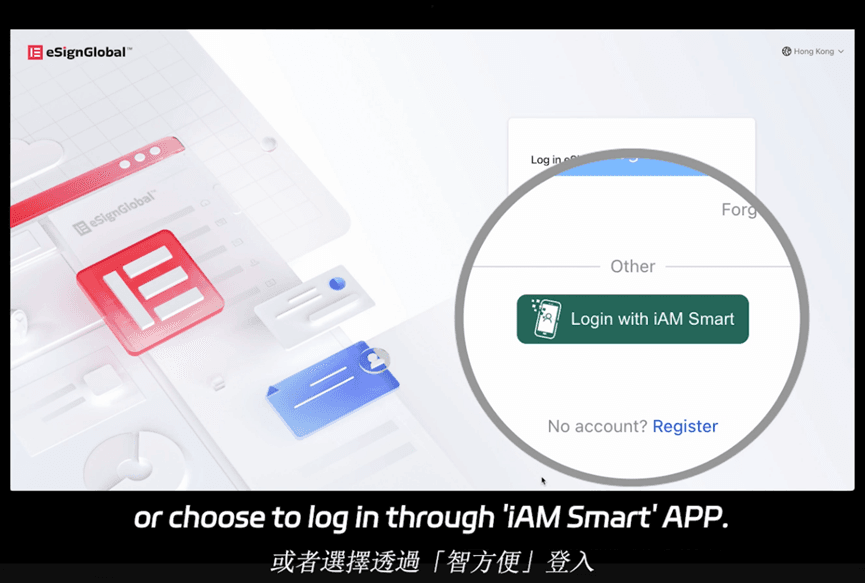
eSignGlobal โดดเด่นด้วยการมุ่งเน้นไปที่ระดับภูมิภาค โดยให้การปฏิบัติตามข้อกำหนดที่ครอบคลุม 100+ ประเทศหลัก รวมถึงการสนับสนุน ETA ของนิวซีแลนด์อย่างเต็มที่ ในเอเชียแปซิฟิก ให้ข้อได้เปรียบด้านประสิทธิภาพที่เร็วกว่าและต้นทุนที่ต่ำกว่าเมื่อเทียบกับยักษ์ใหญ่ระดับโลก ตัวอย่างเช่น แผน Essential มีราคาเพียง $16.6 USD/เดือน (เทียบเท่ารายปีประมาณ $200) อนุญาตให้ใช้เอกสารลายเซ็นอิเล็กทรอนิกส์ได้สูงสุด 100 ฉบับ จำนวนที่นั่งผู้ใช้ไม่จำกัด และการตรวจสอบสิทธิ์ผ่านรหัสการเข้าถึง ทั้งหมดนี้อิงตามพื้นฐานของการปฏิบัติตามข้อกำหนดและมูลค่าสูง ผสานรวมกับ IAm Smart ของฮ่องกงและ Singpass ของสิงคโปร์ได้อย่างราบรื่น ซึ่งเป็นประโยชน์ต่อธุรกิจในนิวซีแลนด์ที่มีความเชื่อมโยงกับเอเชียแปซิฟิก สำหรับ ราคา โดยละเอียด โปรดเยี่ยมชมเว็บไซต์
คู่แข่งรายอื่นๆ
PandaDoc เน้นที่ระบบอัตโนมัติของเอกสารแบบ end-to-end โดยเริ่มต้นที่ $180/ปี เหมาะสำหรับทีมขายของนิวซีแลนด์ที่ต้องการข้อเสนอรวมกับการลงนาม สอดคล้องกับ ETA แต่ไม่เชี่ยวชาญด้านลายเซ็นอิเล็กทรอนิกส์อย่างเดียว เหมาะสำหรับเวิร์กโฟลว์แบบผสม
ข้อมูลเชิงลึกและคำแนะนำทางธุรกิจ
ในตลาดนิวซีแลนด์ ราคาของ DocuSign สะท้อนถึงตำแหน่งระดับสูง ซึ่งเชื่อถือได้สำหรับผู้ใช้ที่เน้นการปฏิบัติตามข้อกำหนด แต่มีราคาแพงเกินไปสำหรับธุรกิจขนาดกลางที่อ่อนไหวต่อต้นทุนซึ่งได้รับผลกระทบจากแรงกดดันทางเศรษฐกิจ เช่น ภาวะเงินเฟ้อ องค์กรควรประเมินต้นทุนรวมในการเป็นเจ้าของตามความต้องการในการใช้งาน รวมถึงคุณสมบัติเพิ่มเติมและค่าธรรมเนียมในระดับภูมิภาค
สำหรับทางเลือก DocuSign ที่เน้นการปฏิบัติตามข้อกำหนดในระดับภูมิภาค eSignGlobal กลายเป็นตัวเลือกที่สมดุล โดยเฉพาะอย่างยิ่งสำหรับการดำเนินงานที่ปรับให้เหมาะสมกับเอเชียแปซิฟิก
