
'%3e%3cpath%20fill-rule='evenodd'%20clip-rule='evenodd'%20d='M6.99935%2012.8327C10.221%2012.8327%2012.8327%2010.221%2012.8327%206.99935C12.8327%203.77769%2010.221%201.16602%206.99935%201.16602C3.77769%201.16602%201.16602%203.77769%201.16602%206.99935C1.16602%2010.221%203.77769%2012.8327%206.99935%2012.8327Z'%20stroke='%23666666'%20stroke-linecap='round'%20stroke-linejoin='round'/%3e%3cpath%20d='M1.16602%207H12.8327'%20stroke='%23666666'%20stroke-linecap='round'%20stroke-linejoin='round'/%3e%3cpath%20fill-rule='evenodd'%20clip-rule='evenodd'%20d='M6.99935%2012.8327C8.28802%2012.8327%209.33268%2010.221%209.33268%206.99935C9.33268%203.77769%208.28802%201.16602%206.99935%201.16602C5.71068%201.16602%204.66602%203.77769%204.66602%206.99935C4.66602%2010.221%205.71068%2012.8327%206.99935%2012.8327Z'%20stroke='%23666666'%20stroke-linecap='round'%20stroke-linejoin='round'/%3e%3cpath%20d='M2.875%202.95898C3.93063%204.01461%205.38896%204.66754%206.99978%204.66754C8.61062%204.66754%2010.069%204.01461%2011.1246%202.95898'%20stroke='%23666666'%20stroke-linecap='round'%20stroke-linejoin='round'/%3e%3cpath%20d='M11.1246%2011.0425C10.069%209.98691%208.61062%209.33398%206.99978%209.33398C5.38896%209.33398%203.93063%209.98691%202.875%2011.0425'%20stroke='%23666666'%20stroke-linecap='round'%20stroke-linejoin='round'/%3e%3c/g%3e%3cdefs%3e%3cclipPath%20id='clip0_1267_9109'%3e%3crect%20width='14'%20height='14'%20fill='white'/%3e%3c/clipPath%3e%3c/defs%3e%3c/svg%3e)


ราคาทางกฎหมายของ DocuSign


ทำความเข้าใจการกำหนดราคาทางกฎหมายของ DocuSign
ในภูมิทัศน์ของการเปลี่ยนแปลงทางดิจิทัลที่พัฒนาอยู่ตลอดเวลา โซลูชันลายเซ็นอิเล็กทรอนิกส์ เช่น DocuSign ได้กลายเป็นสิ่งจำเป็นสำหรับทีมกฎหมาย ธุรกิจ และผู้เชี่ยวชาญที่จัดการสัญญา ข้อตกลง และเวิร์กโฟลว์ที่ขับเคลื่อนด้วยการปฏิบัติตามข้อกำหนด การกำหนดราคาทางกฎหมายของ DocuSign หมายถึงโครงสร้างต้นทุนที่เกี่ยวข้องกับการรับรองว่าเอกสารเป็นไปตามมาตรฐานข้อบังคับ เช่น ความถูกต้องของลายเซ็นอิเล็กทรอนิกส์ภายใต้กฎหมาย ESIGN ของสหรัฐอเมริกาและข้อบังคับ eIDAS ของสหภาพยุโรป แผนเหล่านี้เน้นคุณสมบัติการตรวจสอบ การตรวจสอบสิทธิ์ และความปลอดภัยของข้อมูล ซึ่งมีความสำคัญต่อผลลัพธ์ที่มีผลผูกพันทางกฎหมาย จากมุมมองทางธุรกิจ การกำหนดราคาได้รับอิทธิพลจากปัจจัยต่างๆ เช่น จำนวนที่นั่งผู้ใช้ ปริมาณซองจดหมาย (จำนวนเอกสารที่ส่ง) และส่วนเสริมการปฏิบัติตามข้อกำหนด ทำให้เป็นการลงทุนเชิงกลยุทธ์มากกว่าการสมัครสมาชิกแบบง่ายๆ เมื่อองค์กรต่างๆ จัดการกับการดำเนินงานทั่วโลก การทำความเข้าใจต้นทุนเหล่านี้จะช่วยในการวางแผนงบประมาณเพื่อลดความเสี่ยงและเพิ่มประสิทธิภาพ

โครงสร้างการกำหนดราคาหลักของ DocuSign
การกำหนดราคาของ DocuSign แบ่งออกเป็นหลายระดับ เพื่อรองรับความต้องการทางกฎหมายที่แตกต่างกัน ตั้งแต่ผู้ปฏิบัติงานอิสระไปจนถึงการปฏิบัติตามข้อกำหนดระดับองค์กร แผนทั้งหมดเรียกเก็บเงินเป็นรายปีเพื่อประหยัดต้นทุน โดยซองจดหมายเป็นหน่วยหลักของการใช้งาน ซึ่งแต่ละซองสามารถมีเอกสารและผู้ลงนามได้หลายราย ทีมกฎหมายมักจะให้ความสำคัญกับแผนที่มีบันทึกการตรวจสอบที่แข็งแกร่งและการปิดผนึกป้องกันการงัดแงะ เพื่อให้เป็นไปตามข้อกำหนดของเขตอำนาจศาล
แผนส่วนบุคคล: ระดับเริ่มต้นสำหรับงานกฎหมายอิสระ
แผนส่วนบุคคลราคา $10 ต่อเดือน ($120 ต่อปี) เหมาะสำหรับผู้ใช้คนเดียว เหมาะสำหรับทนายความอิสระหรือสำนักงานกฎหมายขนาดเล็กที่มีความต้องการปริมาณน้อย อนุญาตให้ใช้ซองจดหมายได้สูงสุด 5 ซองต่อเดือน รวมถึงเทมเพลตพื้นฐานและการผสานรวม เช่น Google Drive จากมุมมองทางกฎหมาย มีการปฏิบัติตามข้อกำหนดลายเซ็นอิเล็กทรอนิกส์มาตรฐานภายใต้กฎหมายของรัฐบาลกลางสหรัฐอเมริกา (กฎหมาย ESIGN) รวมถึงกฎระเบียบที่เทียบเท่าทั่วโลกที่คล้ายกัน พร้อมด้วยการตรวจสอบเพื่อพิสูจน์การดำเนินการ อย่างไรก็ตาม ไม่มีคุณสมบัติขั้นสูง เช่น การกำหนดเส้นทางแบบมีเงื่อนไข ดังนั้นจึงไม่เหมาะสำหรับการสนับสนุนการดำเนินคดีที่ซับซ้อน
แผนมาตรฐาน: ทีมกฎหมายที่ทำงานร่วมกัน
แผนมาตรฐานราคา $25 ต่อผู้ใช้ต่อเดือน ($300 ต่อปี) รองรับผู้ใช้ได้สูงสุด 50 ราย และขยายไปถึงประมาณ 100 ซองต่อผู้ใช้ต่อปีโดยคิดค่าบริการรายปี การปรับปรุงทางกฎหมายที่สำคัญ ได้แก่ เทมเพลตที่ใช้ร่วมกันของทีม ฟังก์ชันการแสดงความคิดเห็นและการแจ้งเตือน ซึ่งสามารถปรับปรุงการตรวจสอบสัญญาได้ ระดับนี้รับประกันการปฏิบัติตามมาตรฐานสากลขั้นพื้นฐาน เช่น eIDAS ของสหภาพยุโรปสำหรับธุรกรรมข้ามพรมแดน สำหรับธุรกิจในสหรัฐอเมริกา เป็นไปตามกฎหมายธุรกรรมอิเล็กทรอนิกส์ที่เป็นเอกภาพเฉพาะของรัฐ โดยมีการแจ้งเตือนเพื่อป้องกันการพลาดกำหนดเวลา
แผนธุรกิจ Pro: ระบบอัตโนมัติทางกฎหมายขั้นสูง
แผนธุรกิจ Pro ราคา $40 ต่อผู้ใช้ต่อเดือน ($480 ต่อปี) เพิ่มเครื่องมือ เช่น แบบฟอร์มเว็บ ตรรกะแบบมีเงื่อนไข สิ่งที่แนบมาของผู้ลงนาม และการรวบรวมการชำระเงิน นอกเหนือจากแผนมาตรฐาน ซึ่งมีความสำคัญต่อกระบวนการทางกฎหมายที่เกี่ยวข้องกับข้อกำหนดที่อาจเกิดขึ้นหรือการยื่นหลักฐาน ขีดจำกัดซองจดหมายยังคงอยู่ที่ประมาณ 100 ซองต่อผู้ใช้ต่อปี แต่ฟังก์ชันการส่งจำนวนมาก (การส่งอัตโนมัติสูงสุด 100 ครั้งต่อปี) เป็นการเปลี่ยนแปลงสำหรับการจัดการเอกสารขนาดใหญ่ในการควบรวมกิจการหรือการดำเนินคดีแบบกลุ่ม จากมุมมองทางกฎหมาย รองรับตัวเลือกการตรวจสอบสิทธิ์ที่ได้รับการปรับปรุง ลดความเสี่ยงของการฉ้อโกงภายใต้กฎระเบียบการคุ้มครองข้อมูล GDPR ของสหภาพยุโรป

แผนองค์กรและส่วนเสริม: การปฏิบัติตามข้อกำหนดทางกฎหมายที่กำหนดเอง
แผนองค์กรใช้การกำหนดราคาแบบกำหนดเอง โดยเริ่มต้นที่หลายร้อยดอลลาร์ต่อผู้ใช้ คำนวณตามจำนวนที่นั่ง ปริมาณ และปัจจัยความต้องการ เช่น SSO การตรวจสอบขั้นสูง และการสนับสนุนระดับพรีเมียม ไม่มีการกำหนดราคาเปิดเผยที่แน่นอน แต่คาดว่าจะมีการเรียกเก็บเงินเพิ่มเติมสำหรับเวิร์กโฟลว์ทางกฎหมายที่มีปริมาณมาก ส่วนเสริมช่วยเพิ่มความแข็งแกร่งทางกฎหมาย: การตรวจสอบข้อมูลประจำตัว (IDV) ใช้สำหรับการตรวจสอบไบโอเมตริกซ์และการสแกนเอกสาร โดยวัดตามค่าธรรมเนียมเพิ่มเติม เพื่อให้มั่นใจว่าปฏิบัติตามกฎหมายที่เข้มงวด เช่น HIPAA ในการดูแลสุขภาพของสหรัฐอเมริกา หรือกฎหมายลายเซ็นอิเล็กทรอนิกส์ของจีน ซึ่งกำหนดให้มีการรับรองความถูกต้องที่เชื่อถือได้ การส่ง SMS/WhatsApp มีค่าใช้จ่ายต่อข้อความ ซึ่งช่วยในการแจ้งเตือนทางกฎหมายฉุกเฉินในภูมิภาคที่มีความแตกต่างด้านโทรคมนาคม
จากมุมมองทางธุรกิจ รูปแบบของ DocuSign ขับเคลื่อนรายได้ผ่านการขายต่อยอดคุณสมบัติการปฏิบัติตามข้อกำหนด แต่อาจทำให้ต้นทุนการดำเนินงานทางกฎหมายทั่วโลกสูงขึ้น ในสหรัฐอเมริกา กฎหมาย ESIGN (ปี 2000) กำหนดให้ลายเซ็นอิเล็กทรอนิกส์มีผลบังคับใช้เช่นเดียวกับลายเซ็นหมึกเปียก DocuSign ทำงานได้ดีในด้านความสามารถในการปรับขนาด สำหรับการใช้งานระหว่างประเทศ eIDAS ของสหภาพยุโรป (ระดับ: พื้นฐาน ขั้นสูง มีคุณสมบัติ) กำหนดให้มีระดับที่สูงขึ้นเพื่อให้สามารถบังคับใช้ได้ข้ามพรมแดน ในเอเชียแปซิฟิก ความท้าทายในการพำนักของข้อมูลภายใต้กฎหมายความปลอดภัยทางไซเบอร์ของจีนจะเพิ่มค่าธรรมเนียมพิเศษ ซึ่งอาจเพิ่มต้นทุนรวม 20-30% เนื่องจากการหน่วงเวลาและเครื่องมือการปฏิบัติตามข้อกำหนดในท้องถิ่น
การกำหนดราคา API สำหรับนักพัฒนาซอฟต์แวร์รวมระบบอัตโนมัติทางกฎหมาย: ระดับเริ่มต้นราคา $600 ต่อปี (40 ซองต่อเดือน) สำหรับการผสานรวมขั้นพื้นฐาน ระดับกลางราคา $3,600 ต่อปี (100 ซองต่อเดือน) เพิ่มการจัดกำหนดการ ระดับสูงราคา $5,760 ต่อปี รวมถึงการส่ง API จำนวนมาก แผนองค์กรได้รับการปรับแต่ง เหมาะสำหรับสำนักงานกฎหมายที่สร้างเครื่องมือ e-discovery ที่กำหนดเอง ขีดจำกัดระบบอัตโนมัติ (เช่น การส่งจำนวนมาก 10 ครั้งต่อเดือน) ป้องกันการใช้งานมากเกินไป ทำให้มั่นใจได้ถึงความเสถียรของระบบในสภาพแวดล้อมทางกฎหมายที่มีความเสี่ยงสูง
โดยรวมแล้ว การกำหนดราคาทางกฎหมายของ DocuSign เริ่มต้นในราคาที่ไม่แพง แต่จะเพิ่มขึ้นทีละน้อยเมื่อความลึกของการปฏิบัติตามข้อกำหนดเพิ่มขึ้น แผนส่วนบุคคลใช้สำหรับพื้นฐาน แผน Pro ใช้สำหรับระดับกลาง และแผนองค์กรใช้สำหรับการรักษาความปลอดภัยที่แข็งแกร่ง ธุรกิจต้องชั่งน้ำหนักโควต้าซองจดหมายกับขนาดทางกฎหมาย การเกินโควต้าจะทำให้เกิดค่าธรรมเนียมส่วนเกิน ซึ่งส่งผลต่อผลตอบแทนจากการลงทุน
ภูมิทัศน์การแข่งขัน: เปรียบเทียบโซลูชันลายเซ็นอิเล็กทรอนิกส์
แม้ว่า DocuSign จะครองตลาดด้วยระบบนิเวศ แต่ทางเลือกอื่นก็มีการกำหนดราคาทางกฎหมายและข้อได้เปรียบในระดับภูมิภาคที่แตกต่างกัน Adobe Sign ผสานรวมกับเวิร์กโฟลว์ PDF ได้อย่างราบรื่น โดยเน้นที่การปฏิบัติตามข้อกำหนดของสหรัฐอเมริกาและสหภาพยุโรป eSignGlobal นำเสนอตัวเลือกที่คุ้มค่าและแปลเป็นภาษาท้องถิ่นสำหรับเอเชียแปซิฟิก ส่วนอื่นๆ เช่น HelloSign (Dropbox) มอบความเรียบง่ายสำหรับธุรกิจขนาดเล็กและขนาดกลาง ด้านล่างนี้คือการเปรียบเทียบที่เป็นกลาง โดยเน้นที่แง่มุมทางกฎหมาย การกำหนดราคา และการปฏิบัติตามข้อกำหนด
Adobe Sign: การรวมการจัดการเอกสาร
การกำหนดราคาของ Adobe Sign คล้ายกับระดับของ DocuSign: ส่วนบุคคล $10 ต่อเดือน (5 ซอง) ทีม $25 ต่อผู้ใช้ต่อเดือน (10 ซอง) ธุรกิจ $40 ต่อผู้ใช้ต่อเดือน (100 ซองต่อปี) โดดเด่นในเวิร์กโฟลว์ทางกฎหมาย โดยเปิดใช้งานการแก้ไขด้วยปากกาสีแดงและการควบคุมเวอร์ชันผ่านการผสานรวม Acrobat เป็นไปตาม ESIGN, UETA และ eIDAS ส่วนเสริม เช่น การพิสูจน์ข้อมูลประจำตัวมีค่าใช้จ่ายเพิ่มเติม คล้ายกับ IDV ของ DocuSign จากมุมมองทางธุรกิจ เหมาะสำหรับธุรกิจที่ใช้ชุด Adobe อยู่แล้ว แต่แผน API (เริ่มต้นที่ $600 ต่อปี) ขาดความลึกจำนวนมากของ DocuSign ในประเทศจีน Adobe เผชิญกับความท้าทายในการถอนตัวเนื่องจากกฎหมายข้อมูล ทำให้ผู้ใช้เปลี่ยนไปใช้ผู้เล่นในภูมิภาค

eSignGlobal: ผู้นำด้านการปฏิบัติตามข้อกำหนดในเอเชียแปซิฟิก
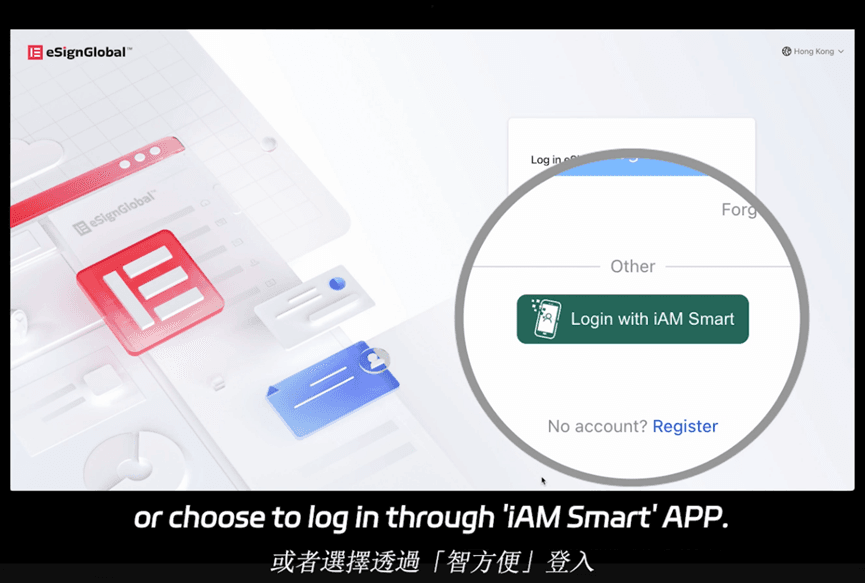
eSignGlobal นำเสนอการปฏิบัติตามข้อกำหนดลายเซ็นอิเล็กทรอนิกส์ในกว่า 100 ประเทศหลัก โดยมีข้อได้เปรียบในเอเชียแปซิฟิก เช่น ความเร็วที่ปรับให้เหมาะสมและต้นทุนที่ต่ำกว่า แผน Essential ราคาเพียง $16.60 ต่อเดือน อนุญาตให้ลงนามเอกสารได้สูงสุด 100 ฉบับ จำนวนที่นั่งผู้ใช้ไม่จำกัด และการตรวจสอบสิทธิ์ผ่านรหัสการเข้าถึง ซึ่งให้มูลค่าสูงบนพื้นฐานการปฏิบัติตามข้อกำหนด ผสานรวมกับ iAM Smart ของฮ่องกงและ Singpass ของสิงคโปร์ได้อย่างราบรื่น สำหรับเวิร์กโฟลว์ที่สอดคล้องกับรัฐบาล แก้ปัญหาการพำนักของข้อมูลภายใต้กฎระเบียบ เช่น กฎหมายลายเซ็นอิเล็กทรอนิกส์ของจีนหรือ ETA ของสิงคโปร์ สำหรับรายละเอียด การกำหนดราคา โปรดเยี่ยมชมเว็บไซต์ ทำให้เป็นตัวเลือกที่ใช้งานได้จริงสำหรับทีมกฎหมายข้ามพรมแดนที่ต้องการความสามารถในการบังคับใช้โดยไม่ลดทอนความสามารถในการจ่าย
คู่แข่งรายอื่นๆ: HelloSign และอื่นๆ
HelloSign (ปัจจุบันคือ Dropbox Sign) เสนอการกำหนดราคาที่ใช้งานง่าย: Essentials $15 ต่อเดือน (ซองจดหมายไม่จำกัดสำหรับทีมขนาดเล็ก) Standard $25 ต่อผู้ใช้ต่อเดือน เป็นไปตาม ESIGN และให้การตรวจสอบขั้นพื้นฐาน แต่ IDV ขั้นสูงล้าหลัง PandaDoc มุ่งเน้นไปที่ข้อเสนอ การกำหนดราคาแบบผสมผสานการขาย-กฎหมาย $19 ต่อผู้ใช้ต่อเดือน เหมาะสำหรับสัญญาของสหรัฐอเมริกา แต่ทั่วโลกอ่อนแอ
| คุณสมบัติ/ด้าน | DocuSign | Adobe Sign | eSignGlobal | HelloSign (Dropbox) |
|---|---|---|---|---|
| ราคาเริ่มต้น (ต่อเดือน ต่อผู้ใช้) | $10 (ส่วนบุคคล) | $10 (รายบุคคล) | $16.60 (Essential, ที่นั่งไม่จำกัด) | $15 (Essentials) |
| ขีดจำกัดซองจดหมาย (พื้นฐานรายปี) | 100/ผู้ใช้ (Pro) | 100/ผู้ใช้ (ธุรกิจ) | 100+ เอกสาร (Essential) | ไม่จำกัด (ทีมขนาดเล็ก) |
| การปฏิบัติตามกฎหมาย | ESIGN, eIDAS, ทั่วโลก (ต้องมีส่วนเสริมสำหรับจีน) | ESIGN, eIDAS, การรวม PDF ที่แข็งแกร่ง | 100+ ประเทศ, เอเชียแปซิฟิกในประเทศ (iAM Smart, Singpass) | ESIGN, นานาชาติขั้นพื้นฐาน |
| คุณสมบัติทางกฎหมายที่สำคัญ | IDV, การส่งจำนวนมาก, การตรวจสอบ | การแก้ไขด้วยปากกาสีแดง, การพิสูจน์ข้อมูลประจำตัว | การตรวจสอบสิทธิ์รหัสการเข้าถึง, การรวมภูมิภาค | การตรวจสอบอย่างง่าย, เทมเพลต |
| การกำหนดราคา API (ปีเริ่มต้น) | $600 | $600 | ยืดหยุ่น, รายการเริ่มต้นที่ต่ำกว่า | $240 (พื้นฐาน) |
| ข้อได้เปรียบในเอเชียแปซิฟิก | ต้นทุนที่สูงขึ้น, ปัญหาความล่าช้า | จำกัดในจีน | ความเร็วที่ปรับให้เหมาะสม, ความคุ้มค่า | เป็นกลาง, เน้นที่สหรัฐอเมริกา |
| เหมาะที่สุดสำหรับ | ขนาดองค์กร | ระบบนิเวศ Adobe | การปฏิบัติตามข้อกำหนดในภูมิภาค, มูลค่า | ความเรียบง่ายของธุรกิจขนาดเล็กและขนาดกลาง |
ตารางนี้เน้นถึงการแลกเปลี่ยน: DocuSign สำหรับความแข็งแกร่ง Adobe สำหรับการรวม eSignGlobal สำหรับประสิทธิภาพในเอเชียแปซิฟิก และ HelloSign สำหรับความง่ายในการใช้งาน
ข้อควรพิจารณาเชิงกลยุทธ์สำหรับการกำหนดราคาทางกฎหมาย
ธุรกิจที่ประเมิน DocuSign ควรตรวจสอบความต้องการซองจดหมายและความเสี่ยงในเขตอำนาจศาล ธุรกิจในสหรัฐอเมริกาได้รับประโยชน์จากการจัดตำแหน่ง ESIGN ในขณะที่การดำเนินงานในสหภาพยุโรปต้องการตัวเลือกที่มีคุณสมบัติ eIDAS ในเอเชียแปซิฟิก กฎระเบียบ เช่น กฎหมายลายเซ็นอิเล็กทรอนิกส์ของญี่ปุ่นเพิ่มความซับซ้อน ซึ่งเอื้อต่อการกำหนดราคาในท้องถิ่น ส่วนเสริมอาจเพิ่มต้นทุนรวมเป็นสองเท่า ดังนั้นขั้นตอนนำร่องจึงช่วยในการคาดการณ์ค่าธรรมเนียม
ในฐานะทางเลือกในการปฏิบัติตามข้อกำหนดในภูมิภาคที่เป็นกลางของ DocuSign eSignGlobal โดดเด่นในฐานะโซลูชันที่สมดุลและปรับต้นทุนให้เหมาะสม
