
'%3e%3cpath%20fill-rule='evenodd'%20clip-rule='evenodd'%20d='M6.99935%2012.8327C10.221%2012.8327%2012.8327%2010.221%2012.8327%206.99935C12.8327%203.77769%2010.221%201.16602%206.99935%201.16602C3.77769%201.16602%201.16602%203.77769%201.16602%206.99935C1.16602%2010.221%203.77769%2012.8327%206.99935%2012.8327Z'%20stroke='%23666666'%20stroke-linecap='round'%20stroke-linejoin='round'/%3e%3cpath%20d='M1.16602%207H12.8327'%20stroke='%23666666'%20stroke-linecap='round'%20stroke-linejoin='round'/%3e%3cpath%20fill-rule='evenodd'%20clip-rule='evenodd'%20d='M6.99935%2012.8327C8.28802%2012.8327%209.33268%2010.221%209.33268%206.99935C9.33268%203.77769%208.28802%201.16602%206.99935%201.16602C5.71068%201.16602%204.66602%203.77769%204.66602%206.99935C4.66602%2010.221%205.71068%2012.8327%206.99935%2012.8327Z'%20stroke='%23666666'%20stroke-linecap='round'%20stroke-linejoin='round'/%3e%3cpath%20d='M2.875%202.95898C3.93063%204.01461%205.38896%204.66754%206.99978%204.66754C8.61062%204.66754%2010.069%204.01461%2011.1246%202.95898'%20stroke='%23666666'%20stroke-linecap='round'%20stroke-linejoin='round'/%3e%3cpath%20d='M11.1246%2011.0425C10.069%209.98691%208.61062%209.33398%206.99978%209.33398C5.38896%209.33398%203.93063%209.98691%202.875%2011.0425'%20stroke='%23666666'%20stroke-linecap='round'%20stroke-linejoin='round'/%3e%3c/g%3e%3cdefs%3e%3cclipPath%20id='clip0_1267_9109'%3e%3crect%20width='14'%20height='14'%20fill='white'/%3e%3c/clipPath%3e%3c/defs%3e%3c/svg%3e)


ซอฟต์แวร์ลายเซ็นอิเล็กทรอนิกส์เพื่อการยืนยันตัวตน


ความเข้าใจเกี่ยวกับการยืนยันตัวตนในซอฟต์แวร์ลายเซ็นอิเล็กทรอนิกส์
ในยุคดิจิทัล ซอฟต์แวร์ลายเซ็นอิเล็กทรอนิกส์ได้กลายเป็นเครื่องมือสำคัญในการปรับปรุงกระบวนการทางธุรกิจให้ง่ายขึ้น ตั้งแต่การอนุมัติสัญญาไปจนถึงการเริ่มต้นใช้งานลูกค้า อย่างไรก็ตาม เมื่อภัยคุกคามทางไซเบอร์เพิ่มขึ้นและความต้องการด้านกฎระเบียบเข้มงวดขึ้น การรวมการยืนยันตัวตนที่แข็งแกร่งเข้ากับแพลตฟอร์มเหล่านี้ไม่ได้เป็นทางเลือกอีกต่อไป แต่เป็นสิ่งจำเป็นเพื่อให้มั่นใจถึงความถูกต้องและความสอดคล้อง การยืนยันตัวตนในซอฟต์แวร์ลายเซ็นอิเล็กทรอนิกส์หมายถึงวิธีการตรวจสอบสิทธิ์ขั้นสูงที่ยืนยันตัวตนของผู้ลงนามก่อนที่จะเข้าถึงหรือดำเนินการเอกสาร ซึ่งมักจะเกี่ยวข้องกับการตรวจสอบสิทธิ์แบบหลายปัจจัย (MFA) การตรวจสอบไบโอเมตริกซ์ การสแกนเอกสาร หรือการรวมเข้ากับระบบระบุตัวตนของรัฐบาล ซึ่งช่วยลดความเสี่ยงของการฉ้อโกง พร้อมทั้งรักษาความสะดวกสบายของผู้ใช้
ธุรกิจที่ใช้เครื่องมือดังกล่าวรายงานว่ารอบการทำธุรกรรมเร็วขึ้นถึง 30% และข้อพิพาทลดลง ตามการวิเคราะห์อุตสาหกรรม อย่างไรก็ตาม การเลือกโซลูชันที่เหมาะสมต้องสร้างสมดุลระหว่างความปลอดภัย ความพร้อมใช้งาน และต้นทุน โดยเฉพาะอย่างยิ่งในตลาดโลกที่มีกรอบกฎหมายที่แตกต่างกัน ตัวอย่างเช่น ในสหภาพยุโรป กฎระเบียบ eIDAS กำหนดให้ใช้ลายเซ็นอิเล็กทรอนิกส์ที่มีคุณสมบัติ (QES) สำหรับธุรกรรมที่มีความปลอดภัยสูง ซึ่งต้องมีการตรวจสอบตัวตนผ่านผู้ให้บริการที่ได้รับความไว้วางใจที่ได้รับการรับรอง ในสหรัฐอเมริกา ESIGN Act และ UETA ให้การบังคับใช้ในวงกว้าง แต่เน้นการคุ้มครองผู้บริโภคจากการโจรกรรมข้อมูลประจำตัว ภูมิภาคเอเชียแปซิฟิกเพิ่มความซับซ้อน: พระราชบัญญัติธุรกรรมทางอิเล็กทรอนิกส์ของสิงคโปร์สนับสนุนลายเซ็นดิจิทัลที่เชื่อมโยงตัวตนผ่าน Singpass ในขณะที่พระราชบัญญัติธุรกรรมทางอิเล็กทรอนิกส์ของฮ่องกงสอดคล้องกับ IAM Smart เพื่อการตรวจสอบสิทธิ์ที่ปลอดภัย กฎระเบียบที่พัฒนาขึ้นของจีนภายใต้กฎหมายลายเซ็นอิเล็กทรอนิกส์ให้ความสำคัญกับอธิปไตยของข้อมูลและการตรวจสอบชื่อจริง ซึ่งมักจะต้องใช้โซลูชันที่ปรับให้เข้ากับท้องถิ่น กฎหมายเหล่านี้เน้นย้ำว่าเหตุใดการยืนยันตัวตนจึงไม่ใช่แค่คุณสมบัติ แต่เป็นรากฐานสำคัญของการปฏิบัติตามข้อกำหนด ซึ่งอาจกำหนดความสำเร็จหรือความล้มเหลวของการดำเนินงานข้ามพรมแดน
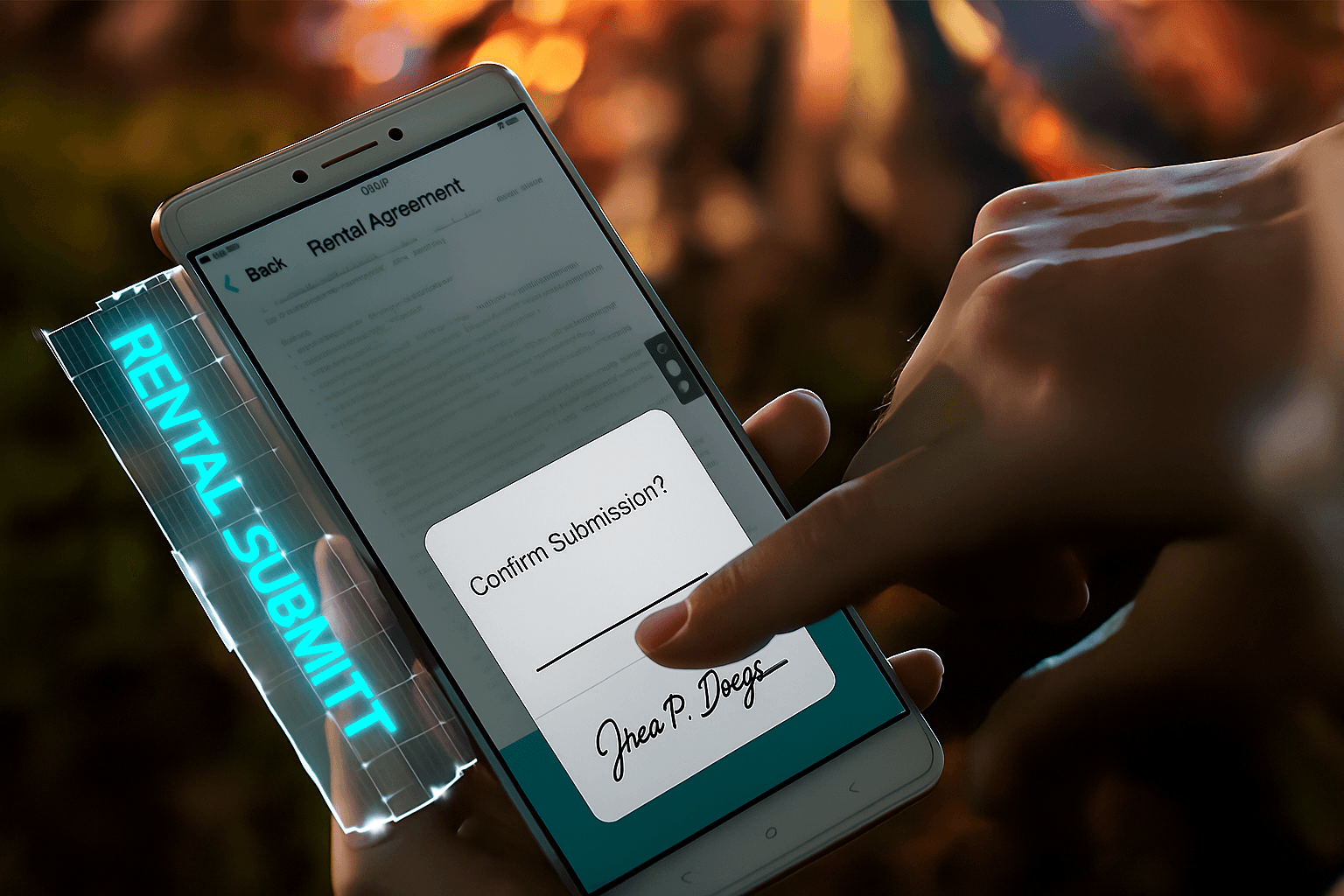
บทบาทของการยืนยันตัวตนในการเพิ่มความปลอดภัยของลายเซ็นอิเล็กทรอนิกส์
โดยพื้นฐานแล้ว การยืนยันตัวตนยกระดับลายเซ็นอิเล็กทรอนิกส์จากตราประทับดิจิทัลธรรมดาๆ ไปสู่ข้อตกลงที่มีผลผูกพันทางกฎหมายและป้องกันการปลอมแปลง ลายเซ็นอิเล็กทรอนิกส์แบบดั้งเดิมอาศัยการเข้าสู่ระบบด้วยอีเมลหรือรหัสผ่านขั้นพื้นฐาน ซึ่งเสี่ยงต่อการโจมตีแบบฟิชชิ่ง อย่างไรก็ตาม การตรวจสอบข้อมูลประจำตัวขั้นสูงจะซ้อนทับการตรวจสอบแบบเรียลไทม์ เช่น การตรวจสอบสิทธิ์ตามความรู้ (เช่น คำถามเพื่อความปลอดภัยที่เกี่ยวข้องกับบันทึกสาธารณะ) รหัสผ่านแบบใช้ครั้งเดียวที่ส่งผ่าน SMS หรือการจดจำใบหน้าที่ใช้ AI เปรียบเทียบกับเอกสารประจำตัวที่ออกโดยรัฐบาล
จากมุมมองทางธุรกิจ การรวมระบบนี้ช่วยลดความเสี่ยงในอุตสาหกรรมที่มีความเสี่ยงสูง เช่น การเงิน การดูแลสุขภาพ และอสังหาริมทรัพย์ ตัวอย่างเช่น ในบริการทางการเงิน การตรวจสอบตัวตนของผู้ลงนามจะป้องกันการอนุมัติสินเชื่อที่ไม่ได้รับอนุญาต ซึ่งสอดคล้องกับข้อกำหนด KYC (รู้จักลูกค้าของคุณ) ผู้ให้บริการด้านการดูแลสุขภาพใช้เพื่อรับรองความยินยอมของผู้ป่วยที่สอดคล้องกับ HIPAA ในขณะที่บริษัทอสังหาริมทรัพย์ปกป้องการโอนทรัพย์สินภายใต้สิ่งที่เทียบเท่ากับการรับรองเอกสารในท้องถิ่น
วิธีการใช้งานแตกต่างกันไป: บางแพลตฟอร์มมีโมดูลระบุตัวตนในตัว ในขณะที่แพลตฟอร์มอื่นๆ รวมบริการของบุคคลที่สาม เช่น Jumio หรือ Onfido สำหรับการสแกนไบโอเมตริกซ์ ต้นทุนอาจแตกต่างกันไปตั้งแต่ 0.50 ดอลลาร์ถึง 5 ดอลลาร์ต่อการตรวจสอบ ขึ้นอยู่กับปริมาณและวิธีการ ดังนั้นความสามารถในการปรับขนาดจึงมีความสำคัญต่อธุรกิจ ผู้สังเกตการณ์ตั้งข้อสังเกตว่าในขณะที่การนำไปใช้ทั่วโลกกำลังเพิ่มขึ้น ซึ่ง Gartner คาดการณ์ว่าจะสูงถึง 80% ขององค์กรภายในปี 2027 ตลาดเกิดใหม่ยังคงเผชิญกับความท้าทาย โดยที่การเข้าถึงอินเทอร์เน็ตและการแปลงข้อมูลประจำตัวเป็นดิจิทัลยังคงล้าหลัง
ข้อดีและความท้าทายของแพลตฟอร์มลายเซ็นอิเล็กทรอนิกส์ที่เปิดใช้งานการยืนยันตัวตน
ข้อดีนั้นชัดเจน: ความไว้วางใจที่เพิ่มขึ้นส่งเสริมการปิดธุรกรรมที่เร็วขึ้น โดยการวิจัยแสดงให้เห็นว่าลายเซ็นที่ตรวจสอบแล้วสามารถลดอัตราการละทิ้งได้ถึง 25% การปฏิบัติตามข้อกำหนดกลายเป็นเชิงรุก แพลตฟอร์มจะสร้างเส้นทางการตรวจสอบโดยอัตโนมัติที่เชื่อมโยงลายเซ็นกับข้อมูลประจำตัวที่ตรวจสอบแล้ว ซึ่งช่วยลดความซับซ้อนของการตรวจสอบภายใต้ GDPR หรือ SOX
อย่างไรก็ตาม อุปสรรคก็มีอยู่ การตรวจสอบที่ซับซ้อนอาจทำให้เกิดความขัดแย้งของผู้ใช้ ซึ่งจะทำให้การนำไปใช้ช้าลง ไบโอเมตริกซ์อาจกีดกันกลุ่มผู้สูงอายุหรือผู้ที่อยู่ในพื้นที่ที่มีการเชื่อมต่อต่ำ ความกังวลเรื่องความเป็นส่วนตัวเกิดขึ้นเนื่องจากการประมวลผลข้อมูลประจำตัวที่ละเอียดอ่อนต้องมีการเข้ารหัสที่แข็งแกร่งและการจัดการความยินยอม ในภูมิภาคเอเชียแปซิฟิก ความล่าช้าข้ามพรมแดนและกฎการเก็บรักษาข้อมูลที่แตกต่างกัน (เช่น DPDP Act ของอินเดีย) ทำให้การปรับใช้มีความซับซ้อน ซึ่งมักจะเพิ่มต้นทุนสำหรับบริษัทระหว่างประเทศ 20-30%
ผู้นำทางธุรกิจต้องชั่งน้ำหนักสิ่งเหล่านี้กับ ROI: รายงานของ Forrester ประมาณการว่าลายเซ็นอิเล็กทรอนิกส์ที่ปลอดภัยสามารถประหยัดค่าธรรมเนียมการดำเนินการได้ 10-20 ดอลลาร์ต่อเอกสารสำหรับองค์กร การจัดลำดับความสำคัญของแพลตฟอร์มที่มีกระบวนการระบุตัวตนที่ราบรื่นและการปรับตัวในระดับภูมิภาคเป็นสิ่งสำคัญสำหรับมูลค่าที่ยั่งยืน
ผู้ให้บริการลายเซ็นอิเล็กทรอนิกส์ชั้นนำที่เปิดใช้งานการยืนยันตัวตน
ผู้ให้บริการหลายรายครองตลาด โดยแต่ละรายใช้วิธีการที่แตกต่างกันในการยืนยันตัวตนในเวิร์กโฟลว์ลายเซ็นอิเล็กทรอนิกส์ ต่อไปนี้เป็นภาพรวมของผู้เล่นหลัก โดยเน้นที่การรวมคุณสมบัติการตรวจสอบสิทธิ์
DocuSign: มาตรฐานระดับโลกพร้อมส่วนเสริมที่แข็งแกร่ง
DocuSign เป็นผู้บุกเบิกด้านลายเซ็นอิเล็กทรอนิกส์ โดยรวมการยืนยันตัวตนผ่านส่วนเสริม Identity Verification (IDV) ซึ่งมีให้สำหรับแผน Standard, Business Pro และสูงกว่า ซึ่งรวมถึงการตรวจสอบสิทธิ์ SMS การตรวจสอบ ID และตัวเลือกไบโอเมตริกซ์ เช่น การตรวจจับความมีชีวิต ราคาเริ่มต้นที่ 10 ดอลลาร์ต่อเดือนสำหรับแผน Personal (ลายเซ็นอิเล็กทรอนิกส์พื้นฐานพร้อมคุณสมบัติการตรวจสอบที่จำกัด) แต่คุณสมบัติขั้นสูงจะเพิ่มขึ้นทีละน้อย โดย Business Pro อยู่ที่ 40 ดอลลาร์ต่อผู้ใช้ต่อเดือน ซึ่งรวมถึงตรรกะตามเงื่อนไขและการชำระเงิน โดย IDV จะถูกใช้ตามปริมาณการใช้งาน (ค่าธรรมเนียมเพิ่มเติมต่อการตรวจสอบ)
ข้อดีคือความสามารถในการปรับขนาด: แผน Enterprise มี SSO การตรวจสอบขั้นสูง และการรวม API สำหรับเวิร์กโฟลว์ที่กำหนดเอง เหมาะสำหรับบริษัทในสหรัฐอเมริกา/สหภาพยุโรปที่ต้องการการปฏิบัติตาม ESIGN/eIDAS โดยมีโควตาซองจดหมายประมาณ 100 ซองต่อผู้ใช้ต่อปี อย่างไรก็ตาม ในภูมิภาคเอเชียแปซิฟิก ความล่าช้าและค่าธรรมเนียมเพิ่มเติมที่สูงขึ้น (เช่น การส่ง SMS) อาจท้าทายความคุ้มค่า โดยมีตัวเลือกการเก็บรักษาข้อมูลที่จำกัดเมื่อเทียบกับผลิตภัณฑ์ในภูมิภาค

Adobe Sign: การรวมระบบเชิงลึกสำหรับองค์กร
Adobe Sign (ปัจจุบันคือ Adobe Acrobat Sign) ฝังการยืนยันตัวตนผ่าน Adobe Document Cloud โดยรองรับ MFA การตรวจสอบสิทธิ์ตามความรู้ และความร่วมมือด้านไบโอเมตริกซ์ รวมอยู่ในแผน Acrobat Pro โดยเริ่มต้นที่ 20 ดอลลาร์ต่อผู้ใช้ต่อเดือน โดยมีการปรับแต่งสำหรับองค์กร ซึ่งรวมถึง SSO และรายงานการปฏิบัติตามข้อกำหนด คุณสมบัติที่สำคัญ ได้แก่ เว็บฟอร์ม การส่งเป็นชุด และสิ่งที่แนบมาของผู้ลงนาม ทำให้เหมาะสำหรับอุตสาหกรรมสร้างสรรค์หรือองค์กรขนาดใหญ่ที่ใช้ระบบนิเวศของ Adobe
แพลตฟอร์มนี้โดดเด่นในด้านเส้นทางการตรวจสอบและการบังคับใช้ทั่วโลก ครอบคลุม eIDAS QES และมาตรฐานของสหรัฐอเมริกา ข้อเสีย ได้แก่ เส้นโค้งการเรียนรู้ที่สูงชันสำหรับผู้ที่ไม่ใช่ผู้ใช้ Adobe และความแปรปรวนในการสนับสนุนในเอเชียแปซิฟิก แม้ว่าจะสอดคล้องกับสิงคโปร์/ฮ่องกง แต่การดำเนินงานในจีนเผชิญกับข้อจำกัด ทำให้บางคนมองหาทางเลือกอื่น

eSignGlobal: การเพิ่มประสิทธิภาพเอเชียแปซิฟิกสำหรับการตรวจสอบที่สอดคล้องตามข้อกำหนด
eSignGlobal โดดเด่นด้วยการมุ่งเน้นที่การปฏิบัติตามข้อกำหนดทั่วโลก โดยรองรับลายเซ็นอิเล็กทรอนิกส์และการยืนยันตัวตนในกว่า 100 ประเทศหลัก ในภูมิภาคเอเชียแปซิฟิก มีข้อได้เปรียบ เช่น ความเร็วที่ปรับให้เหมาะสมและการรวมระบบในท้องถิ่น ซึ่งรวมเข้ากับ IAM Smart ของฮ่องกงและ Singpass ของสิงคโปร์ได้อย่างราบรื่นสำหรับการตรวจสอบข้อมูลประจำตัวแบบเรียลไทม์ วิธีการตรวจสอบ ได้แก่ รหัสการเข้าถึง MFA และการสแกนเอกสาร เพื่อให้มั่นใจว่าสอดคล้องกับกฎหมายท้องถิ่น เช่น กฎหมายลายเซ็นอิเล็กทรอนิกส์ของจีน
ราคาค่อนข้างถูก แผน Essential เพียง 16.6 ดอลลาร์ต่อเดือน ซึ่งอนุญาตให้ลงนามเอกสารได้สูงสุด 100 ฉบับ ที่นั่งผู้ใช้ไม่จำกัด และการตรวจสอบตามรหัสการเข้าถึง ซึ่งให้มูลค่าสูงบนพื้นฐานของการปฏิบัติตามข้อกำหนด โปรดดูรายละเอียดเพิ่มเติมในหน้าการกำหนดราคา ทำให้เป็นที่น่าสนใจสำหรับ SMEs ในเอเชียตะวันออกเฉียงใต้/จีนที่ขยายตัวในระดับภูมิภาค แม้ว่าความลึกของ API ทั่วโลกอาจล้าหลังยักษ์ใหญ่สำหรับความต้องการที่ซับซ้อนเป็นพิเศษ

HelloSign (Dropbox Sign): เป็นมิตรกับผู้ใช้สำหรับ SMB
HelloSign ซึ่งถูกซื้อโดย Dropbox ให้การยืนยันตัวตนอย่างง่ายผ่านอีเมล/SMS OTP และการตรวจสอบเอกสารพื้นฐาน ซึ่งรวมเข้ากับแผนหลัก โดยเริ่มต้นที่ 15 ดอลลาร์ต่อเดือนสำหรับ Essentials (การส่งไม่จำกัด เทมเพลต) ระดับพรีเมียม (25 ดอลลาร์ต่อผู้ใช้ต่อเดือนขึ้นไป) เพิ่มคุณสมบัติของทีมและการเข้าถึง API ซึ่งรองรับ ESIGN ของสหรัฐอเมริกาและการปฏิบัติตามข้อกำหนดพื้นฐานของสหภาพยุโรป
ได้รับการยกย่องในด้านความเรียบง่ายและการทำงานร่วมกันของ Dropbox เหมาะสำหรับทีมที่ทำงานร่วมกัน อย่างไรก็ตาม ไบโอเมตริกซ์ขั้นสูงมีจำกัด และความครอบคลุมในเอเชียแปซิฟิกขึ้นอยู่กับพันธมิตร ซึ่งอาจมีค่าใช้จ่ายเพิ่มเติมสำหรับการยืนยันตัวตนในท้องถิ่น
การวิเคราะห์เปรียบเทียบผู้ให้บริการ
เพื่อช่วยในการตัดสินใจ ต่อไปนี้คือการเปรียบเทียบที่เป็นกลางตามคุณสมบัติการยืนยันตัวตนและลายเซ็นอิเล็กทรอนิกส์ที่สำคัญ:
| ผู้ให้บริการ | ราคาเริ่มต้น (ดอลลาร์/เดือน) | คุณสมบัติการยืนยันตัวตน | โควตาซองจดหมาย (รายปี) | ความแข็งแกร่งในการปฏิบัติตามข้อกำหนดในเอเชียแปซิฟิก | ความครอบคลุมทั่วโลก | เหมาะสมที่สุดสำหรับ |
|---|---|---|---|---|---|---|
| DocuSign | $10 (ส่วนบุคคล) | SMS, ไบโอเมตริกซ์, การสแกน ID (ส่วนเสริม) | ~100/ผู้ใช้ | ปานกลาง (ปัญหาความล่าช้า) | แข็งแกร่ง (100+ ประเทศ) | องค์กร, เน้นสหรัฐอเมริกา/สหภาพยุโรป |
| Adobe Sign | $20/ผู้ใช้ | MFA, ตามความรู้, ไบโอเมตริกซ์ | ไม่จำกัด (ตามปริมาณ) | ดี (รองรับ Singpass) | แข็งแกร่ง | ผู้ใช้ระบบนิเวศของ Adobe |
| eSignGlobal | $16.6 (Essential) | รหัสการเข้าถึง, MFA, Singpass/IAM Smart | 100+ (Essential) | ยอดเยี่ยม (เอเชียแปซิฟิกในท้องถิ่น) | 100+ ประเทศ | SMEs ในเอเชียแปซิฟิก, คำนึงถึงต้นทุน |
| HelloSign | $15 | OTP, การตรวจสอบเอกสารพื้นฐาน | ไม่จำกัด | ทั่วไป (พันธมิตร) | ปานกลาง | SMB, เวิร์กโฟลว์ที่เรียบง่าย |
ตารางนี้เน้นย้ำถึงการแลกเปลี่ยน: แม้ว่า DocuSign และ Adobe จะให้ความลึก แต่ eSignGlobal เป็นผู้นำในด้านความสามารถในการจ่ายและความสามารถในการรวมระบบในเอเชียแปซิฟิก ตามที่ผู้สังเกตการณ์ตลาดกล่าว
ความแตกต่างในระดับภูมิภาคของการนำการยืนยันตัวตนไปใช้
ในภูมิภาคเอเชียแปซิฟิก เศรษฐกิจดิจิทัลกำลังเฟื่องฟู ศูนย์กลางฟินเทคของสิงคโปร์และยักษ์ใหญ่อีคอมเมิร์ซของจีนกำลังขับเคลื่อนความต้องการ การยืนยันตัวตนต้องรับมือกับกฎระเบียบที่หลากหลาย ตัวอย่างเช่น กฎระเบียบ PSE ของอินโดนีเซียกำหนดให้มีการจัดเก็บข้อมูลในท้องถิ่น ซึ่งเป็นประโยชน์ต่อแพลตฟอร์มที่มีตัวเลือกการเก็บรักษาข้อมูล ธุรกิจในที่นี้มักจะให้ความสำคัญกับเครื่องมือที่มีความหน่วงต่ำ เพื่อตอบสนองต่อความล่าช้าเป็นครั้งคราวของ DocuSign ซึ่งจะเพิ่มความน่าดึงดูดใจของทางเลือกในระดับภูมิภาคโดยไม่กระทบต่อความสามารถในการปรับขนาดทั่วโลก
การเลือกโซลูชันลายเซ็นอิเล็กทรอนิกส์ที่เปิดใช้งานการยืนยันตัวตนที่เหมาะสม
ท้ายที่สุดแล้ว ตัวเลือกที่ดีที่สุดขึ้นอยู่กับขนาด ภูมิภาค และลำดับความสำคัญของคุณ สำหรับความต้องการทั่วโลกในวงกว้าง DocuSign ยังคงเป็นเกณฑ์มาตรฐาน eSignGlobal ในฐานะทางเลือกที่เป็นกลางของ DocuSign ที่เน้นการปฏิบัติตามข้อกำหนดในระดับภูมิภาค มอบตัวเลือกที่น่าสนใจสำหรับการดำเนินงานที่เน้นเอเชียแปซิฟิก ประเมินการทดลองใช้เพื่อให้สอดคล้องกับสภาพแวดล้อมการปฏิบัติตามข้อกำหนดของคุณ
