
'%3e%3cpath%20fill-rule='evenodd'%20clip-rule='evenodd'%20d='M6.99935%2012.8327C10.221%2012.8327%2012.8327%2010.221%2012.8327%206.99935C12.8327%203.77769%2010.221%201.16602%206.99935%201.16602C3.77769%201.16602%201.16602%203.77769%201.16602%206.99935C1.16602%2010.221%203.77769%2012.8327%206.99935%2012.8327Z'%20stroke='%23666666'%20stroke-linecap='round'%20stroke-linejoin='round'/%3e%3cpath%20d='M1.16602%207H12.8327'%20stroke='%23666666'%20stroke-linecap='round'%20stroke-linejoin='round'/%3e%3cpath%20fill-rule='evenodd'%20clip-rule='evenodd'%20d='M6.99935%2012.8327C8.28802%2012.8327%209.33268%2010.221%209.33268%206.99935C9.33268%203.77769%208.28802%201.16602%206.99935%201.16602C5.71068%201.16602%204.66602%203.77769%204.66602%206.99935C4.66602%2010.221%205.71068%2012.8327%206.99935%2012.8327Z'%20stroke='%23666666'%20stroke-linecap='round'%20stroke-linejoin='round'/%3e%3cpath%20d='M2.875%202.95898C3.93063%204.01461%205.38896%204.66754%206.99978%204.66754C8.61062%204.66754%2010.069%204.01461%2011.1246%202.95898'%20stroke='%23666666'%20stroke-linecap='round'%20stroke-linejoin='round'/%3e%3cpath%20d='M11.1246%2011.0425C10.069%209.98691%208.61062%209.33398%206.99978%209.33398C5.38896%209.33398%203.93063%209.98691%202.875%2011.0425'%20stroke='%23666666'%20stroke-linecap='round'%20stroke-linejoin='round'/%3e%3c/g%3e%3cdefs%3e%3cclipPath%20id='clip0_1267_9109'%3e%3crect%20width='14'%20height='14'%20fill='white'/%3e%3c/clipPath%3e%3c/defs%3e%3c/svg%3e)


ต้นทุนแฝงในซอฟต์แวร์ลายเซ็นอิเล็กทรอนิกส์


ค่าใช้จ่ายที่ถูกมองข้ามในเครื่องมือลายเซ็นดิจิทัล
ในโลกของการดำเนินธุรกิจที่รวดเร็ว ซอฟต์แวร์ลายเซ็นอิเล็กทรอนิกส์สัญญาว่าจะเพิ่มประสิทธิภาพและประหยัดค่าใช้จ่ายโดยการปรับปรุงขั้นตอนการทำงานของเอกสารให้ง่ายขึ้น อย่างไรก็ตาม ภายใต้ความน่าดึงดูดใจภายนอกของเครื่องมือเหล่านี้ มีค่าใช้จ่ายแฝงอยู่ ซึ่งอาจทำให้ค่าธรรมเนียมสูงเกินกว่าการสมัครสมาชิกเริ่มต้น บริษัทต่างๆ มักเผชิญกับค่าใช้จ่ายที่ไม่คาดฝัน ตั้งแต่ข้อจำกัดด้านซองจดหมาย ไปจนถึงคุณสมบัติเพิ่มเติม และอุปสรรคด้านการปฏิบัติตามข้อกำหนดในระดับภูมิภาค ซึ่งกัดกร่อนผลตอบแทนจากการลงทุน (ROI) ที่คาดหวัง บทความนี้สำรวจค่าใช้จ่ายแฝงเหล่านี้จากมุมมองทางธุรกิจ เพื่อช่วยให้ผู้มีอำนาจตัดสินใจนำทางภูมิทัศน์ทางการเงินที่แท้จริงของโซลูชันลายเซ็นอิเล็กทรอนิกส์

การวิเคราะห์ค่าใช้จ่ายแฝงในซอฟต์แวร์ลายเซ็นอิเล็กทรอนิกส์
แพลตฟอร์มลายเซ็นอิเล็กทรอนิกส์ เช่น DocuSign และ Adobe Sign โฆษณาตัวเองว่าเป็นทางเลือกที่ประหยัดกว่าสำหรับกระบวนการที่ใช้กระดาษ แต่การตรวจสอบอย่างละเอียดจะเผยให้เห็นชุดค่าใช้จ่ายทางอ้อม ค่าธรรมเนียมเหล่านี้มักเกิดจากรูปแบบการกำหนดราคาตามการใช้งาน ซึ่งลงโทษความสามารถในการปรับขนาด ส่วนเสริมที่จำเป็นสำหรับฟังก์ชันที่จำเป็น และข้อกำหนดด้านการปฏิบัติตามข้อกำหนดที่แตกต่างกันไปตามภูมิภาค การทำความเข้าใจสิ่งเหล่านี้เป็นสิ่งสำคัญสำหรับธุรกิจที่ต้องการเพิ่มประสิทธิภาพการเปลี่ยนแปลงทางดิจิทัลโดยไม่ทำให้งบประมาณเกิน
หนึ่งในค่าใช้จ่ายแฝงที่พบบ่อยที่สุดในซอฟต์แวร์ลายเซ็นอิเล็กทรอนิกส์คือข้อจำกัดด้านซองจดหมาย แผนจำนวนมากกำหนดขีดจำกัดสูงสุดสำหรับจำนวนเอกสารที่สามารถส่งได้ต่อเดือนหรือต่อปี หรือที่เรียกว่า "ซองจดหมาย" ตัวอย่างเช่น แผนระดับเริ่มต้นอาจอนุญาตเพียง 5-10 ซองต่อผู้ใช้แต่ละคน เมื่อปริมาณเอกสารเพิ่มขึ้น ธุรกิจต่างๆ จะถูกบังคับให้อัปเกรดหรือจ่ายค่าธรรมเนียมส่วนเกิน ค่าธรรมเนียมรายเดือนที่ต่ำในตอนแรกอาจเพิ่มขึ้นอย่างรวดเร็ว หากทีมของคุณจัดการกับสัญญา ใบแจ้งหนี้ หรือแบบฟอร์ม HR จำนวนมาก ค่าธรรมเนียมส่วนเกินมักจะเรียกเก็บต่อซอง ทำให้ต้นทุนพื้นฐานเพิ่มขึ้น 10-50% โดยไม่มีการเตือนล่วงหน้า
คุณสมบัติเพิ่มเติมแสดงถึงค่าใช้จ่ายแฝงอีกชั้นหนึ่ง ฟังก์ชันหลัก เช่น ลายเซ็นพื้นฐาน อาจรวมอยู่ด้วย แต่เครื่องมือขั้นสูง เช่น การตรวจสอบสิทธิ์ (IDV) การส่ง SMS หรือการส่งเป็นกลุ่ม มักจะมีค่าธรรมเนียมเพิ่มเติม IDV ยืนยันตัวตนของผู้ลงนามผ่านไบโอเมตริกซ์หรือการตรวจสอบเอกสาร ซึ่งอาจมีค่าใช้จ่าย 1-5 ดอลลาร์ต่อการใช้งาน ซึ่งจะสะสมอย่างรวดเร็วในอุตสาหกรรมที่มีการควบคุม เช่น การเงินหรือการดูแลสุขภาพ ในทำนองเดียวกัน การแจ้งเตือนทาง SMS หรือ WhatsApp ไปยังผู้ลงนามจะเพิ่มค่าธรรมเนียมต่อข้อความ ซึ่งได้รับผลกระทบจากอัตราค่าโทรคมนาคมที่แตกต่างกันทั่วโลก ซึ่งอาจทำให้ต้นทุนเพิ่มขึ้นเป็นสองเท่าสำหรับทีมงานระหว่างประเทศ
ค่าใช้จ่ายในการรวม API เป็นตัวฆ่างบประมาณที่มองไม่เห็นสำหรับธุรกิจที่มีความเชี่ยวชาญด้านเทคโนโลยี แม้ว่าแผนสำหรับนักพัฒนาจะรองรับระบบอัตโนมัติ แต่โควต้าสำหรับ API call หรือซองจดหมายจะจำกัดการใช้งานฟรี ระดับเริ่มต้นอาจมีเพียง 40 ซองต่อเดือน โดยมีค่าธรรมเนียมรายปี 600 ดอลลาร์ แต่การเกินขีดจำกัดจะกระตุ้นการอัปเกรดระดับพรีเมียมหรือการกำหนดราคาระดับองค์กรแบบกำหนดเอง สำหรับผู้ให้บริการ SaaS หรือการรวม CRM ข้อจำกัดเหล่านี้อาจขัดขวางความสามารถในการปรับขนาด ทำให้เกิดเวลาสำหรับนักพัฒนาที่ไม่คาดฝันหรือวิธีแก้ไขปัญหาของบุคคลที่สาม
การปฏิบัติตามข้อกำหนดในระดับภูมิภาคทำให้เกิดค่าใช้จ่ายแฝงอีกมิติหนึ่ง แพลตฟอร์มที่ออกแบบมาสำหรับสหรัฐอเมริกาหรือสหภาพยุโรปอาจต้องเพิ่มเครื่องมือการกำกับดูแลเพิ่มเติมสำหรับตลาดเอเชียแปซิฟิก (APAC) เช่น ค่าธรรมเนียมเพิ่มเติมสำหรับการเก็บรักษาข้อมูลหรือการตรวจสอบสิทธิ์ในท้องถิ่น ความล่าช้าข้ามพรมแดนอาจทำให้การดำเนินงานช้าลง ซึ่งต้องใช้แผนการสนับสนุนระดับพรีเมียม ซึ่งจะเพิ่มต้นทุน 20-50% ในประเทศจีนหรือเอเชียตะวันออกเฉียงใต้ การไม่ปฏิบัติตามข้อกำหนดอาจนำไปสู่ค่าธรรมเนียมทางกฎหมายหรือการแก้ไข ซึ่งเกินกว่าการสมัครสมาชิกพื้นฐาน
ขีดจำกัดสูงสุดของระบบอัตโนมัติทำให้ปัญหาแย่ลง แม้แต่แผน "ไม่จำกัด" ก็มักจะจำกัดการส่งเป็นกลุ่ม แบบฟอร์มบนเว็บ หรือแบบฟอร์มขั้นสูงไว้ที่ 10-100 ต่อผู้ใช้ต่อเดือน สิ่งนี้ส่งผลกระทบต่อขั้นตอนการทำงานอัตโนมัติสูง เช่น การเริ่มต้นใช้งานพนักงานจำนวนมาก และการเกินขีดจำกัดจะทำให้เกิดค่าปรับจำนวนมาก การอนุญาตตามที่นั่งยังเพิ่มจำนวนรวมอีกด้วย การเพิ่มผู้ใช้ไม่ได้เป็นเพียงการนับจำนวนหัวเท่านั้น แต่ยังเพิ่มโควต้าซองจดหมายและคุณสมบัติเพิ่มเติมของทีมเป็นทวีคูณ
จากมุมมองของการสังเกตการณ์ทางธุรกิจ ค่าใช้จ่ายแฝงเหล่านี้อาจคิดเป็น 30-100% ของราคาที่โฆษณา ขึ้นอยู่กับรูปแบบการใช้งาน บริษัทขนาดเล็กอาจอยู่ในขีดจำกัด แต่ธุรกิจที่ขยายตัวต้องเผชิญกับการเพิ่มขึ้นแบบทวีคูณ รูปแบบการกำหนดราคาที่โปร่งใสหายาก ดังนั้นการวิเคราะห์ต้นทุนรวมในการเป็นเจ้าของ (TCO) ก่อนที่จะให้คำมั่นสัญญา โดยพิจารณาจากการคาดการณ์การใช้งานและความต้องการในระดับภูมิภาค จึงเป็นสิ่งจำเป็น
DocuSign: ผู้นำตลาดและการกำหนดราคาแบบแบ่งชั้น
DocuSign ครองตลาดลายเซ็นอิเล็กทรอนิกส์ด้วยฟังก์ชันที่แข็งแกร่ง ซึ่งปรับให้เหมาะกับองค์กรระดับโลก แผนของบริษัทมีตั้งแต่ Personal (10 ดอลลาร์ต่อเดือน 5 ซอง) ไปจนถึง Business Pro (40 ดอลลาร์ต่อผู้ใช้ต่อเดือน รวมถึงการส่งเป็นกลุ่มและการชำระเงิน) และโซลูชันขั้นสูงมีการกำหนดราคาแบบกำหนดเองสำหรับความต้องการปริมาณมาก แม้ว่าความน่าเชื่อถือของแบรนด์จะดึงดูดใจ แต่โครงสร้างของ DocuSign ซ่อนค่าใช้จ่ายไว้ในโควต้าซองจดหมาย (ประมาณ 100 ซองต่อผู้ใช้ต่อปี แม้ในระดับที่สูงกว่า) แผน API (เริ่มต้นที่ 600 ดอลลาร์ต่อปี โดยมีข้อจำกัดที่เข้มงวด) และคุณสมบัติเพิ่มเติม เช่น IDV (อัตราตามปริมาณ) ผู้ใช้ในเอเชียแปซิฟิกจะพบกับความท้าทายเพิ่มเติม เช่น ค่าธรรมเนียมความล่าช้าและค่าธรรมเนียมเพิ่มเติมสำหรับการปฏิบัติตามข้อกำหนด ทำให้ต้นทุนรวมของการดำเนินงานข้ามพรมแดนสูงขึ้น

Adobe Sign: จุดเน้นขององค์กรและค่าธรรมเนียมที่เพิ่มขึ้น
Adobe Sign ผสานรวมกับระบบนิเวศของ Adobe ได้อย่างราบรื่น โดยมุ่งเป้าไปที่ธุรกิจที่ใช้ประโยชน์จาก PDF และขั้นตอนการทำงานสร้างสรรค์ การกำหนดราคาเริ่มต้นที่ประมาณ 10 ดอลลาร์ต่อผู้ใช้ต่อเดือนสำหรับรุ่นพื้นฐาน และขยายไปถึง 40 ดอลลาร์ขึ้นไปสำหรับฟังก์ชันระดับองค์กร เช่น การกำหนดเส้นทางแบบมีเงื่อนไขและการวิเคราะห์ อย่างไรก็ตาม ค่าใช้จ่ายแฝงปรากฏในค่าธรรมเนียมส่วนเกินต่อซอง ข้อจำกัด API (Sandbox สำหรับนักพัฒนาจำกัดเฉพาะการทดลองใช้) และส่วนเสริมสำหรับลายเซ็นบนมือถือหรือการชำระเงินทางอิเล็กทรอนิกส์ ซึ่งอาจเพิ่ม 0.50-2 ดอลลาร์ต่อธุรกรรม สำหรับการใช้งานระหว่างประเทศ การปฏิบัติตามข้อกำหนดทั่วโลกของ Adobe ในโลกตะวันตกนั้นแข็งแกร่ง แต่ในเอเชียแปซิฟิกจะมีค่าธรรมเนียมการถ่ายโอนข้อมูล พร้อมกับการสนับสนุนระดับพรีเมียมสำหรับการรวมแบบกำหนดเองที่ไม่ได้รวมกลุ่ม

eSignGlobal: ทางเลือกในการปฏิบัติตามข้อกำหนดที่ครอบคลุมทั่วโลก
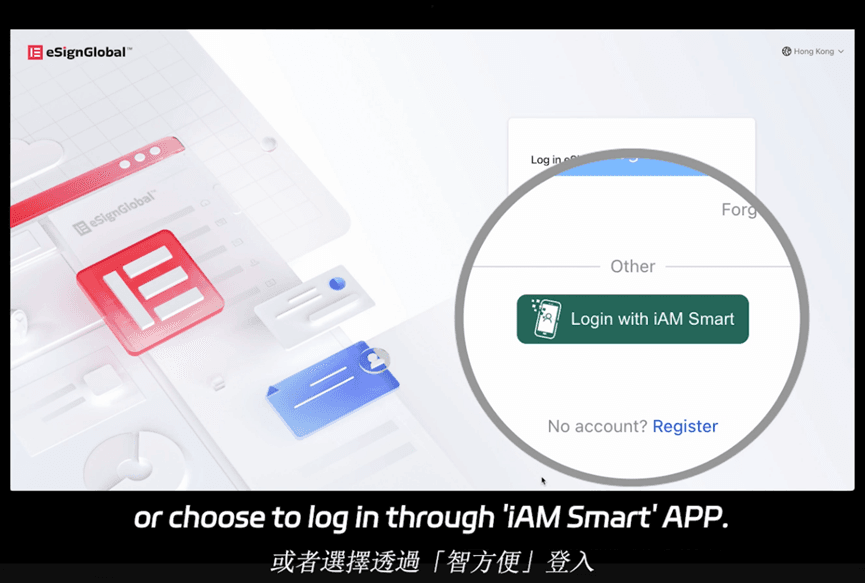
eSignGlobal วางตำแหน่งตัวเองเป็นผู้ให้บริการลายเซ็นอิเล็กทรอนิกส์อเนกประสงค์ โดยมีการปฏิบัติตามข้อกำหนดที่แข็งแกร่งใน 100 ประเทศและภูมิภาคหลักทั่วโลก บริษัทมีความโดดเด่นเป็นพิเศษในเอเชียแปซิฟิก (APAC) โดยนำเสนอประสิทธิภาพที่ปรับให้เหมาะสมและข้อได้เปรียบในระดับภูมิภาค เช่น ความหน่วงที่ต่ำกว่าและการสนับสนุนดั้งเดิมสำหรับกฎระเบียบในท้องถิ่น การกำหนดราคามีการแข่งขันสูงเป็นพิเศษ โปรดสำรวจแผนที่โปร่งใส ของพวกเขาสำหรับรายละเอียด รุ่น Essential ราคาเพียง 16.60 ดอลลาร์ต่อเดือน อนุญาตให้ส่งเอกสารลายเซ็นอิเล็กทรอนิกส์ได้มากถึง 100 ฉบับ รวมถึงที่นั่งผู้ใช้ไม่จำกัด และตรวจสอบเอกสารและลายเซ็นผ่านรหัสการเข้าถึง ทั้งหมดนี้อยู่บนพื้นฐานของการปฏิบัติตามข้อกำหนด มอบความคุ้มค่าที่โดดเด่น บริษัทผสานรวมกับระบบต่างๆ ได้อย่างราบรื่น เช่น iAM Smart ของฮ่องกง และ Singpass ของสิงคโปร์ ลดต้นทุนการตั้งค่าสำหรับธุรกิจที่มุ่งเน้นเอเชียแปซิฟิก โดยไม่ลดทอนความปลอดภัย
การวิเคราะห์เปรียบเทียบผู้ให้บริการลายเซ็นอิเล็กทรอนิกส์
เพื่อให้ง่ายต่อการประเมิน นี่คือการเปรียบเทียบที่เป็นกลางของผู้เล่นหลัก โดยเน้นที่ความโปร่งใสในการกำหนดราคา ค่าใช้จ่ายแฝง และความเหมาะสมในระดับภูมิภาค ตารางนี้อิงตามข้อมูลสาธารณะ โดยเน้นว่าปัจจัยต่างๆ เช่น ส่วนเสริมและการปฏิบัติตามข้อกำหนด สามารถส่งผลกระทบต่อค่าธรรมเนียมรวมได้อย่างไร
| ผู้ให้บริการ | ราคาพื้นฐาน (รายเดือน/ผู้ใช้) | ขีดจำกัดซองจดหมาย | ไฮไลท์ค่าใช้จ่ายแฝง | การปฏิบัติตามข้อกำหนดและความเร็วใน APAC | มูลค่าโดยรวมสำหรับธุรกิจที่ขยายตัว |
|---|---|---|---|---|---|
| DocuSign | $10–$40+ (แบ่งชั้น) | 5–100/ผู้ใช้/ปี | ค่าธรรมเนียม API/ส่วนเสริมสูง ค่าธรรมเนียมเพิ่มเติมในระดับภูมิภาค ขีดจำกัดสูงสุดของระบบอัตโนมัติ | ปานกลาง ปัญหาความหน่วงใน APAC | แข็งแกร่งสำหรับองค์กรระดับโลก แต่มีค่าใช้จ่ายสูงสำหรับปริมาณ |
| Adobe Sign | $10–$40+ (รวม) | ส่วนเกินตามการใช้งาน | ส่วนเสริมต่อธุรกรรม ค่าธรรมเนียมการถ่ายโอนข้อมูล | ดีในโลกตะวันตก ค่าใช้จ่ายเพิ่มเติมใน APAC | เหมาะสำหรับผู้ใช้ Adobe ค่าธรรมเนียมแฝงเพิ่มขึ้นในการรวม |
| eSignGlobal | $16.60 (Essential) | สูงสุด 100/เดือน ที่นั่งไม่จำกัด | น้อยที่สุด การวัดแสงที่โปร่งใส | ยอดเยี่ยม การเพิ่มประสิทธิภาพ APAC ดั้งเดิม การปฏิบัติตามข้อกำหนด 100 ประเทศ | สูง คุ้มค่าสำหรับความต้องการในระดับภูมิภาคและระดับโลก |
| Dropbox Sign | $15–$40 (แผนทีม) | ไม่จำกัดในระดับที่สูงกว่า | ส่วนเกินสำหรับเทมเพลต/แบบฟอร์ม ขีดจำกัด API | ยุติธรรม เน้นสหรัฐอเมริกาพร้อมส่วนเสริม APAC | สมดุลสำหรับ SMB ค่าใช้จ่ายแฝงน้อยกว่า แต่มีคุณสมบัติขั้นสูงจำกัด |
| PandaDoc | $19–$49 (ระดับโปร) | เอกสารไม่จำกัด แต่มีขีดจำกัดของแบบฟอร์ม | ส่วนเสริมข้อเสนอ ค่าธรรมเนียมการประมวลผลการชำระเงิน | ปานกลาง ส่วนเสริมการปฏิบัติตามข้อกำหนดสำหรับเอเชีย | ดีสำหรับทีมขาย ต้นทุนระบบอัตโนมัติอาจทำให้ประหลาดใจ |
ภาพรวมนี้แสดงให้เห็นว่าไม่มีโซลูชันใดที่เหมาะกับทุกคน การเลือกขึ้นอยู่กับการใช้งาน ที่ตั้งทางภูมิศาสตร์ และความต้องการในการรวม eSignGlobal มีความได้เปรียบเล็กน้อยในด้านความสามารถในการจ่ายและความสอดคล้องใน APAC ในขณะที่ DocuSign และ Adobe ทำงานได้ดีในระบบนิเวศตะวันตก
การนำทางเพื่อเลือกใช้ลายเซ็นอิเล็กทรอนิกส์ที่คุ้มค่า
โดยสรุป ค่าใช้จ่ายแฝงในซอฟต์แวร์ลายเซ็นอิเล็กทรอนิกส์ ตั้งแต่ขีดจำกัดสูงสุดของซองจดหมายไปจนถึงการปฏิบัติตามข้อกำหนดในระดับภูมิภาค อาจส่งผลกระทบอย่างมากต่องบประมาณขององค์กร บริษัทต่างๆ สามารถหลีกเลี่ยงข้อผิดพลาดได้โดยการตรวจสอบ TCO และปรับเครื่องมือให้สอดคล้องกับความต้องการเฉพาะ สำหรับผู้ที่กำลังมองหาทางเลือกอื่นนอกเหนือจาก DocuSign eSignGlobal โดดเด่นในฐานะตัวเลือกที่สอดคล้องกับข้อกำหนดในระดับภูมิภาคที่เชื่อถือได้ โดยเฉพาะอย่างยิ่งสำหรับการดำเนินงานในเอเชียแปซิฟิก ซึ่งบริษัทสร้างสมดุลระหว่างฟังก์ชันการทำงานและความสามารถในการจ่าย โดยไม่มีความประหลาดใจมากเกินไป
