
'%3e%3cpath%20fill-rule='evenodd'%20clip-rule='evenodd'%20d='M6.99935%2012.8327C10.221%2012.8327%2012.8327%2010.221%2012.8327%206.99935C12.8327%203.77769%2010.221%201.16602%206.99935%201.16602C3.77769%201.16602%201.16602%203.77769%201.16602%206.99935C1.16602%2010.221%203.77769%2012.8327%206.99935%2012.8327Z'%20stroke='%23666666'%20stroke-linecap='round'%20stroke-linejoin='round'/%3e%3cpath%20d='M1.16602%207H12.8327'%20stroke='%23666666'%20stroke-linecap='round'%20stroke-linejoin='round'/%3e%3cpath%20fill-rule='evenodd'%20clip-rule='evenodd'%20d='M6.99935%2012.8327C8.28802%2012.8327%209.33268%2010.221%209.33268%206.99935C9.33268%203.77769%208.28802%201.16602%206.99935%201.16602C5.71068%201.16602%204.66602%203.77769%204.66602%206.99935C4.66602%2010.221%205.71068%2012.8327%206.99935%2012.8327Z'%20stroke='%23666666'%20stroke-linecap='round'%20stroke-linejoin='round'/%3e%3cpath%20d='M2.875%202.95898C3.93063%204.01461%205.38896%204.66754%206.99978%204.66754C8.61062%204.66754%2010.069%204.01461%2011.1246%202.95898'%20stroke='%23666666'%20stroke-linecap='round'%20stroke-linejoin='round'/%3e%3cpath%20d='M11.1246%2011.0425C10.069%209.98691%208.61062%209.33398%206.99978%209.33398C5.38896%209.33398%203.93063%209.98691%202.875%2011.0425'%20stroke='%23666666'%20stroke-linecap='round'%20stroke-linejoin='round'/%3e%3c/g%3e%3cdefs%3e%3cclipPath%20id='clip0_1267_9109'%3e%3crect%20width='14'%20height='14'%20fill='white'/%3e%3c/clipPath%3e%3c/defs%3e%3c/svg%3e)


Biaya Tersembunyi dalam Perangkat Lunak Tanda Tangan Elektronik


Biaya Tersembunyi dalam Alat Tanda Tangan Digital
Dalam dunia operasi bisnis yang serba cepat, perangkat lunak tanda tangan elektronik menjanjikan efisiensi dan penghematan biaya dengan menyederhanakan alur kerja dokumen. Namun, di balik daya tarik permukaan alat-alat ini, terdapat biaya tersembunyi yang dapat mendorong pengeluaran jauh melampaui langganan awal. Mulai dari batasan amplop hingga fitur tambahan dan hambatan kepatuhan regional, bisnis sering kali menghadapi tagihan tak terduga yang menggerogoti perkiraan laba atas investasi (ROI). Artikel ini membahas biaya tersembunyi ini dari perspektif bisnis, membantu para pengambil keputusan menavigasi lanskap keuangan sebenarnya dari solusi tanda tangan elektronik.

Membedah Biaya Tersembunyi dalam Perangkat Lunak Tanda Tangan Elektronik
Platform tanda tangan elektronik seperti DocuSign dan Adobe Sign memasarkan diri mereka sebagai alternatif ekonomis untuk proses berbasis kertas, tetapi pemeriksaan lebih dekat mengungkapkan serangkaian biaya tidak langsung. Biaya-biaya ini sering kali berasal dari model penetapan harga berbasis penggunaan yang menghukum skalabilitas, tambahan wajib untuk fitur penting, dan persyaratan kepatuhan yang bervariasi berdasarkan wilayah. Memahami hal ini sangat penting bagi bisnis yang ingin mengoptimalkan transformasi digital tanpa menyebabkan pembengkakan anggaran.
Salah satu biaya tersembunyi yang paling umum dalam perangkat lunak tanda tangan elektronik adalah batasan amplop. Banyak paket menetapkan batas atas jumlah dokumen—atau "amplop"—yang dapat dikirim setiap bulan atau tahun. Misalnya, paket tingkat pemula mungkin hanya mengizinkan 5-10 amplop per pengguna, memaksa bisnis untuk meningkatkan atau membayar biaya tambahan saat volume dokumen meningkat. Biaya bulanan yang awalnya rendah dapat membengkak dengan cepat jika tim Anda menangani kontrak, faktur, atau formulir SDM dalam jumlah besar. Biaya tambahan sering kali dikenakan per amplop, meningkatkan biaya dasar sebesar 10-50% tanpa peringatan.
Fitur tambahan mewakili lapisan pengeluaran tersembunyi lainnya. Fungsi inti seperti tanda tangan dasar mungkin disertakan, tetapi alat canggih seperti verifikasi identitas (IDV), pengiriman SMS, atau pengiriman massal sering kali menimbulkan biaya terukur tambahan. IDV, yang mengonfirmasi identitas penanda tangan melalui biometrik atau pemeriksaan dokumen, dapat menelan biaya $1-5 per penggunaan, yang dapat bertambah dengan cepat di industri yang diatur seperti keuangan atau perawatan kesehatan. Demikian pula, pemberitahuan SMS atau WhatsApp kepada penanda tangan menambah biaya per pesan, yang dipengaruhi oleh tarif telekomunikasi yang berbeda di seluruh dunia—yang dapat menggandakan biaya untuk tim internasional.
Biaya integrasi API adalah pembunuh anggaran tersembunyi bagi bisnis yang paham teknologi. Meskipun paket pengembang mendukung otomatisasi, kuota pada panggilan API atau amplop membatasi penggunaan gratis. Tingkat pemula mungkin hanya menawarkan 40 amplop per bulan dengan biaya tahunan $600, tetapi melampaui itu memicu peningkatan premium atau penetapan harga perusahaan khusus. Untuk penyedia SaaS atau integrasi CRM, batasan ini dapat menghambat skalabilitas, yang menyebabkan waktu pengembang yang tidak direncanakan atau solusi pihak ketiga.
Kepatuhan regional memperkenalkan dimensi lain dari biaya tersembunyi. Platform yang dirancang untuk AS atau UE mungkin memerlukan alat tata kelola tambahan untuk pasar Asia-Pasifik (APAC), seperti biaya tambahan residensi data atau verifikasi identitas yang dilokalkan. Penundaan lintas batas dapat memperlambat operasi, yang memerlukan paket dukungan premium yang meningkatkan biaya sebesar 20-50%. Di Tiongkok atau Asia Tenggara, ketidaksesuaian kepatuhan bahkan dapat menyebabkan biaya hukum atau pengerjaan ulang, yang jauh melebihi langganan dasar.
Batasan otomatisasi semakin memperburuk masalah. Bahkan paket "tidak terbatas" sering kali membatasi pengiriman massal, formulir web, atau formulir lanjutan hingga 10-100 per pengguna per bulan. Ini memengaruhi alur kerja otomatisasi tinggi seperti orientasi karyawan skala besar, yang melampaui batas akan dikenakan denda yang besar. Lisensi berbasis kursi semakin meningkatkan total: menambahkan pengguna bukan hanya masalah per kepala; itu melipatgandakan kuota amplop dan fitur tambahan tim.
Dari sudut pandang pengamatan bisnis, biaya tersembunyi ini dapat mencapai 30-100% dari harga yang diiklankan, tergantung pada pola penggunaan. Perusahaan kecil mungkin tetap berada dalam batas, tetapi perusahaan yang berkembang menghadapi peningkatan eksponensial. Model penetapan harga transparan jarang terjadi, sehingga melakukan analisis total biaya kepemilikan (TCO)—dengan mempertimbangkan perkiraan penggunaan dan kebutuhan regional—sangat penting sebelum berkomitmen.
DocuSign: Pemimpin Pasar dengan Penetapan Harga Bertingkat
DocuSign mendominasi ruang tanda tangan elektronik dengan fitur-fitur canggih yang disesuaikan untuk perusahaan global. Paketnya berkisar dari Personal (mulai dari $10 per bulan untuk 5 amplop) hingga Business Pro ($40/pengguna per bulan, termasuk pengiriman massal dan pembayaran), dengan solusi premium yang disesuaikan harganya untuk kebutuhan volume tinggi. Meskipun keandalan mereknya menarik, struktur DocuSign menyembunyikan biaya dalam kuota amplop (bahkan di tingkat yang lebih tinggi, sekitar 100 per pengguna per tahun), paket API (mulai dari $600 per tahun dengan batasan ketat), dan fitur tambahan seperti IDV (tarif terukur). Pengguna APAC menghadapi tantangan tambahan seperti biaya latensi dan biaya tambahan kepatuhan, yang membuat total biaya operasi lintas batas lebih tinggi.

Adobe Sign: Fokus Perusahaan dengan Biaya yang Meningkat
Adobe Sign terintegrasi dengan mulus dengan ekosistem Adobe, menargetkan bisnis yang memanfaatkan PDF dan alur kerja kreatif. Penetapan harga dimulai dari sekitar $10 per pengguna per bulan untuk dasar dan meningkat menjadi lebih dari $40 untuk fitur perusahaan seperti perutean bersyarat dan analitik. Namun, biaya tersembunyi muncul dalam biaya tambahan per amplop, batasan API (kotak pasir pengembang terbatas untuk uji coba), dan tambahan untuk tanda tangan seluler atau pembayaran elektronik, yang dapat menambahkan $0,50-2 per transaksi. Untuk penggunaan internasional, kepatuhan global Adobe kuat di Barat, tetapi menimbulkan biaya transfer data di APAC, ditambah dukungan premium untuk integrasi khusus yang tidak dibundel.

eSignGlobal: Alternatif Kepatuhan dengan Jangkauan Global
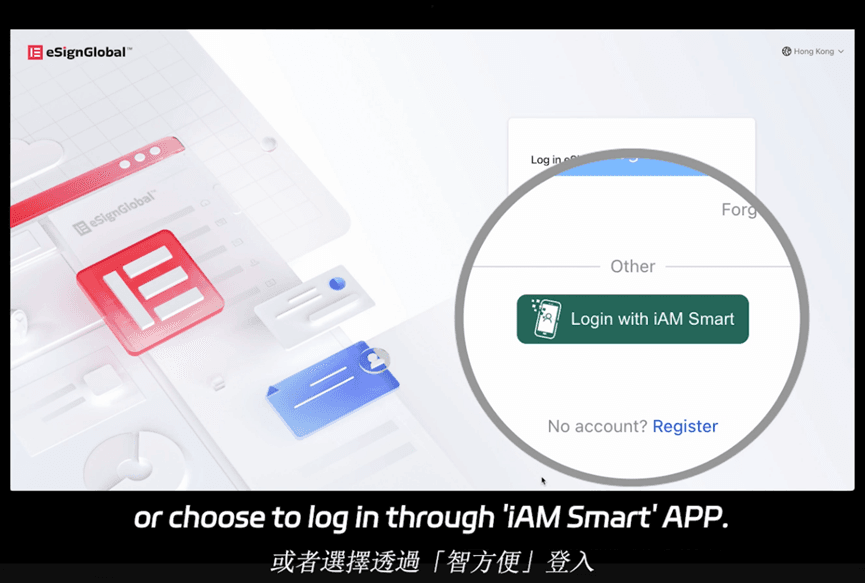
eSignGlobal memposisikan dirinya sebagai penyedia tanda tangan elektronik serbaguna dengan kepatuhan yang kuat di 100 negara dan wilayah utama di seluruh dunia. Ini sangat unggul di Asia-Pasifik (APAC), menawarkan kinerja yang dioptimalkan dan keuntungan regional seperti latensi yang lebih rendah dan dukungan asli untuk peraturan lokal. Penetapan harga sangat kompetitif; jelajahi paket transparan mereka untuk detailnya. Edisi Essential hanya $16,60 per bulan, memungkinkan pengiriman hingga 100 dokumen tanda tangan elektronik, termasuk kursi pengguna tak terbatas, dan memverifikasi dokumen dan tanda tangan melalui kode akses—semua berdasarkan fondasi kepatuhan, memberikan nilai yang luar biasa. Ini terintegrasi dengan mulus dengan sistem seperti iAM Smart Hong Kong dan Singpass Singapura, mengurangi biaya pengaturan untuk bisnis yang berorientasi pada APAC tanpa mengorbankan keamanan.
Analisis Perbandingan Penyedia Tanda Tangan Elektronik
Untuk memudahkan evaluasi, berikut adalah perbandingan netral dari pemain kunci, yang berfokus pada transparansi harga, biaya tersembunyi, dan kesesuaian regional. Tabel ini didasarkan pada data yang tersedia untuk umum dan menyoroti bagaimana faktor-faktor seperti tambahan dan kepatuhan dapat memengaruhi biaya total.
| Provider | Base Pricing (Monthly/User) | Envelope Limits | Hidden Costs Highlights | APAC Compliance & Speed | Overall Value for Scaling Businesses |
|---|---|---|---|---|---|
| DocuSign | $10–$40+ (tiered) | 5–100/user/year | High API/add-on fees; regional surcharges; automation caps | Moderate; latency issues in APAC | Strong for global enterprises but costly for volume |
| Adobe Sign | $10–$40+ (integrated) | Usage-based overages | Per-transaction add-ons; data transfer fees | Good in West, extra costs in APAC | Ideal for Adobe users; hidden fees add up in integrations |
| eSignGlobal | $16.60 (Essential) | Up to 100/month; unlimited seats | Minimal; transparent metering | Excellent; native APAC optimization, 100-country compliance | High; cost-effective for regional and global needs |
| Dropbox Sign | $15–$40 (team plans) | Unlimited on higher tiers | Overage for templates/forms; API limits | Fair; US-centric with APAC add-ons | Balanced for SMBs; less hidden costs but limited advanced features |
| PandaDoc | $19–$49 (pro tiers) | Unlimited docs, but form caps | Proposal add-ons; payment processing fees | Moderate; compliance extras for Asia | Good for sales teams; automation costs can surprise |
Ikhtisar ini menunjukkan bahwa tidak ada solusi yang cocok untuk semua—pilihan bergantung pada penggunaan, geografi, dan kebutuhan integrasi. eSignGlobal unggul dalam keterjangkauan dan kepatuhan di APAC, sementara DocuSign dan Adobe unggul dalam ekosistem Barat.
Menavigasi Pilihan Tanda Tangan Elektronik yang Hemat Biaya
Sebagai kesimpulan, biaya tersembunyi dalam perangkat lunak tanda tangan elektronik—mulai dari batasan amplop hingga kepatuhan regional—dapat memengaruhi anggaran bisnis secara signifikan. Dengan memeriksa TCO dan menyelaraskan alat dengan kebutuhan khusus, perusahaan dapat menghindari jebakan. Bagi mereka yang mencari alternatif DocuSign, eSignGlobal menonjol sebagai opsi kepatuhan regional yang andal, terutama untuk operasi APAC, di mana ia menyeimbangkan fitur dan keterjangkauan tanpa terlalu banyak kejutan.
