
'%3e%3cpath%20fill-rule='evenodd'%20clip-rule='evenodd'%20d='M6.99935%2012.8327C10.221%2012.8327%2012.8327%2010.221%2012.8327%206.99935C12.8327%203.77769%2010.221%201.16602%206.99935%201.16602C3.77769%201.16602%201.16602%203.77769%201.16602%206.99935C1.16602%2010.221%203.77769%2012.8327%206.99935%2012.8327Z'%20stroke='%23666666'%20stroke-linecap='round'%20stroke-linejoin='round'/%3e%3cpath%20d='M1.16602%207H12.8327'%20stroke='%23666666'%20stroke-linecap='round'%20stroke-linejoin='round'/%3e%3cpath%20fill-rule='evenodd'%20clip-rule='evenodd'%20d='M6.99935%2012.8327C8.28802%2012.8327%209.33268%2010.221%209.33268%206.99935C9.33268%203.77769%208.28802%201.16602%206.99935%201.16602C5.71068%201.16602%204.66602%203.77769%204.66602%206.99935C4.66602%2010.221%205.71068%2012.8327%206.99935%2012.8327Z'%20stroke='%23666666'%20stroke-linecap='round'%20stroke-linejoin='round'/%3e%3cpath%20d='M2.875%202.95898C3.93063%204.01461%205.38896%204.66754%206.99978%204.66754C8.61062%204.66754%2010.069%204.01461%2011.1246%202.95898'%20stroke='%23666666'%20stroke-linecap='round'%20stroke-linejoin='round'/%3e%3cpath%20d='M11.1246%2011.0425C10.069%209.98691%208.61062%209.33398%206.99978%209.33398C5.38896%209.33398%203.93063%209.98691%202.875%2011.0425'%20stroke='%23666666'%20stroke-linecap='round'%20stroke-linejoin='round'/%3e%3c/g%3e%3cdefs%3e%3cclipPath%20id='clip0_1267_9109'%3e%3crect%20width='14'%20height='14'%20fill='white'/%3e%3c/clipPath%3e%3c/defs%3e%3c/svg%3e)


DocuSign เทียบกับ SignEasy: การเปรียบเทียบประสบการณ์ผู้ใช้และการให้คะแนนแอปพลิเคชันมือถือ


บทนำสู่โซลูชันลายเซ็นอิเล็กทรอนิกส์บนมือถือ
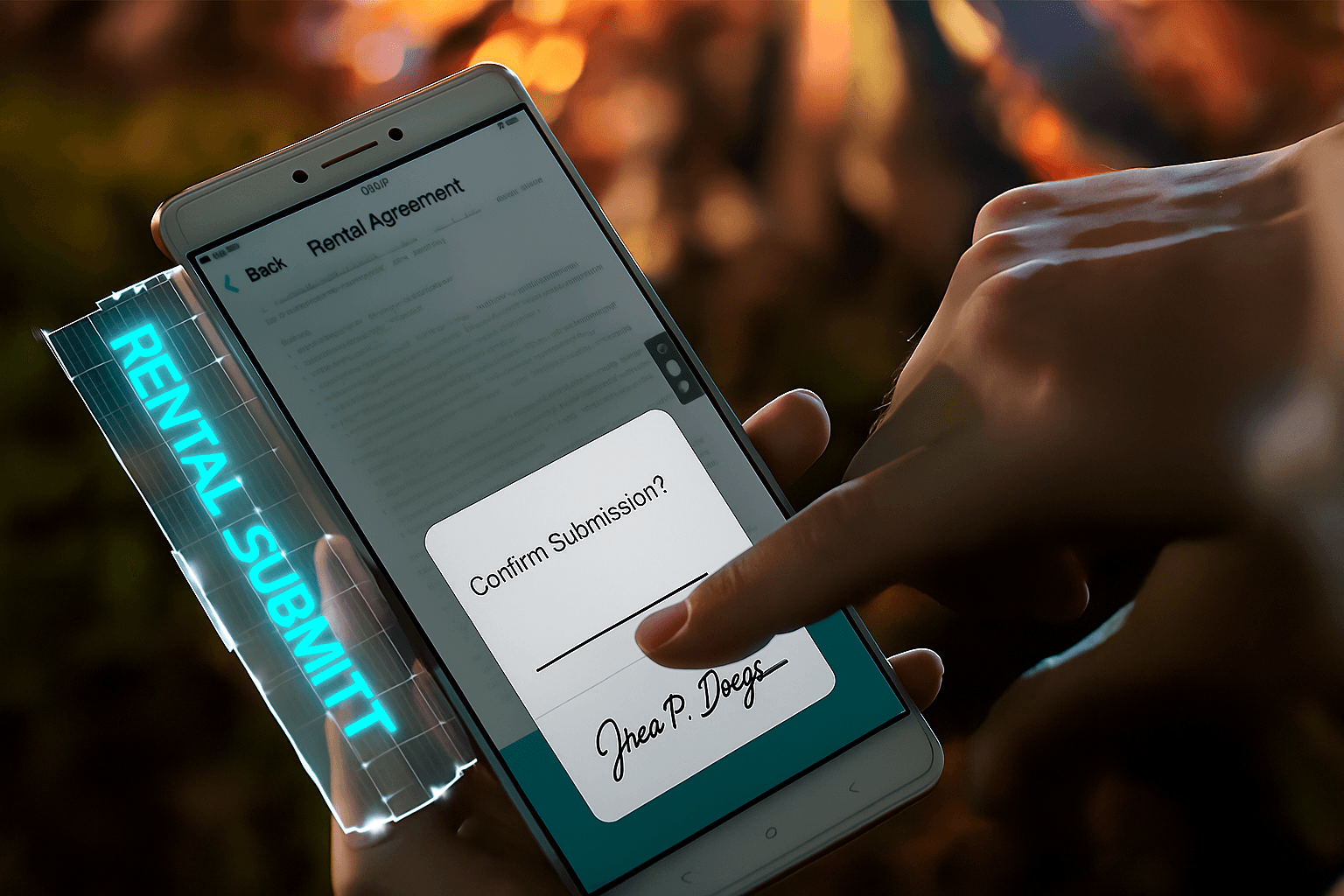
ในโลกธุรกิจดิจิทัลที่ดำเนินไปอย่างรวดเร็ว แอปพลิเคชันลายเซ็นอิเล็กทรอนิกส์บนมือถือได้กลายเป็นเครื่องมือที่ขาดไม่ได้สำหรับมืออาชีพที่ทำงานนอกสถานที่ DocuSign และ SignEasy โดดเด่นในฐานะตัวเลือกยอดนิยม โดยนำเสนอประสบการณ์การเซ็นชื่อที่ราบรื่นโดยตรงจากสมาร์ทโฟนและแท็บเล็ต การเปรียบเทียบนี้เจาะลึกถึงประสบการณ์ผู้ใช้และการให้คะแนนแอปบนมือถือ โดยอิงตามความคิดเห็นของผู้ใช้จากแพลตฟอร์มต่างๆ เช่น App Store และ Google Play รวมถึงบทวิจารณ์จากผู้เชี่ยวชาญจากเว็บไซต์ต่างๆ เช่น G2 และ Capterra ตั้งแต่อินเทอร์เฟซที่ใช้งานง่ายไปจนถึงความสามารถในการผสานรวม เราจะสำรวจว่าแอปเหล่านี้ทำงานได้ดีเพียงใดสำหรับผู้ใช้ทั่วไป ช่วยให้ธุรกิจประเมินตัวเลือกในสภาพแวดล้อมที่มีการแข่งขันสูง
กำลังเปรียบเทียบแพลตฟอร์มลายเซ็นอิเล็กทรอนิกส์กับ DocuSign หรือ Adobe Sign อยู่ใช่ไหม
eSignGlobal นำเสนอโซลูชันลายเซ็นอิเล็กทรอนิกส์ที่ยืดหยุ่นและคุ้มค่ากว่า พร้อมด้วยการปฏิบัติตามกฎระเบียบทั่วโลก ราคาที่โปร่งใส และกระบวนการเริ่มต้นใช้งานที่รวดเร็วกว่า
แอปบนมือถือ DocuSign: ฟังก์ชันการทำงานและประสบการณ์ผู้ใช้
แอปบนมือถือ DocuSign เป็นเครื่องมือที่ทรงพลังสำหรับความต้องการลายเซ็นอิเล็กทรอนิกส์ระดับองค์กร รองรับทั้ง iOS และ Android โดยเน้นที่ความปลอดภัยที่แข็งแกร่งและระบบอัตโนมัติของเวิร์กโฟลว์ ทำให้เหมาะสำหรับทีมที่จัดการสัญญาจำนวนมาก ผู้ใช้สามารถอัปโหลดเอกสาร เพิ่มช่องลายเซ็น และส่งเพื่อเซ็นชื่อทางอิเล็กทรอนิกส์ได้ด้วยการแตะเพียงไม่กี่ครั้ง คุณสมบัติที่สำคัญ ได้แก่ การแจ้งเตือนแบบเรียลไทม์ การเซ็นชื่อแบบออฟไลน์ (ซิงค์เมื่อเชื่อมต่อใหม่) และการผสานรวมกับเครื่องมือต่างๆ เช่น Salesforce และ Microsoft Office อินเทอร์เฟซของแอปนั้นสะอาดตาแต่มีฟังก์ชันการทำงานที่หนาแน่น โดยมีแดชบอร์ดที่แสดงซองจดหมายที่รอดำเนินการและตัวติดตามความคืบหน้า
อย่างไรก็ตาม ผู้ใช้บางรายชี้ให้เห็นว่าคุณสมบัติขั้นสูง เช่น ช่องแบบมีเงื่อนไขหรือการส่งแบบกลุ่ม มีเส้นโค้งการเรียนรู้ และอาจรู้สึกว่ามีมากเกินไปบนหน้าจอขนาดเล็ก การใช้แบตเตอรี่ระหว่างเซสชันที่ยาวนานและความล่าช้าในการซิงค์เป็นครั้งคราวในพื้นที่ที่มีการเชื่อมต่อต่ำเป็นข้อร้องเรียนทั่วไป สำหรับองค์กรที่ให้ความสำคัญกับการปฏิบัติตามกฎระเบียบ DocuSign โดดเด่นด้วยการติดตามการตรวจสอบในตัวและการรับรองความถูกต้องแบบหลายปัจจัย ทำให้มั่นใจได้ว่าลายเซ็นเป็นไปตามมาตรฐานสากล เช่น ESIGN และ eIDAS
โดยรวมแล้ว แอปนี้ได้รับคะแนนสูงในด้านความน่าเชื่อถือในสภาพแวดล้อมระดับมืออาชีพ แต่อาจไม่ใช่ตัวเลือกที่ง่ายที่สุดสำหรับผู้ใช้ทั่วไป

แอปบนมือถือ SignEasy: ฟังก์ชันการทำงานและประสบการณ์ผู้ใช้
SignEasy (ปัจจุบันเป็นส่วนหนึ่งของ airSlate) วางตำแหน่งตัวเองเป็นทางเลือกที่เป็นมิตรต่อผู้ใช้สำหรับธุรกิจขนาดเล็กและขนาดกลางที่กำลังมองหาลายเซ็นอิเล็กทรอนิกส์ที่เรียบง่ายบนอุปกรณ์มือถือ แอป iOS และ Android นี้มุ่งเน้นที่ความเร็วและความเรียบง่าย ช่วยให้ผู้ใช้สามารถสแกนเอกสารผ่านกล้อง ใช้ลายเซ็นจากไลบรารี และติดตามสถานะแบบเรียลไทม์ รองรับการวางช่องแบบลากและวาง การสร้างเทมเพลต และการผสานรวมการชำระเงิน ทั้งหมดนี้ได้รับการปรับให้เหมาะสมสำหรับอินเทอร์เฟซแบบสัมผัส โหมดออฟไลน์มีความแข็งแกร่ง รองรับการเซ็นชื่อโดยไม่ใช้อินเทอร์เน็ต และแอปนี้ผสานรวมกับ Google Drive, Dropbox และ Zapier เพื่อเวิร์กโฟลว์ที่รวดเร็ว
การออกแบบที่เรียบง่ายช่วยลดความยุ่งเหยิง ทำให้ผู้ใช้ที่ไม่เชี่ยวชาญด้านเทคนิคสามารถเข้าถึงได้ แม้ว่าผู้ใช้ขั้นสูงอาจพลาดตัวเลือกการปรับแต่งที่ลึกกว่า เช่น กฎเชิงตรรกะของ DocuSign ความคิดเห็นเน้นประสิทธิภาพที่ราบรื่นบนอุปกรณ์ระดับกลาง แต่บางคนรายงานข้อผิดพลาดในการอัปโหลดไฟล์ขนาดใหญ่หรือการตรวจสอบหมายเลขระหว่างประเทศ SignEasy ทำงานได้ดีในการเซ็นชื่อแบบครั้งเดียวอย่างรวดเร็ว โดยมีคุณสมบัติการใส่คำอธิบายประกอบด้วยเสียงที่เพิ่มข้อได้เปรียบในการทำงานร่วมกัน
โดยพื้นฐานแล้ว SignEasy ให้ความสำคัญกับความง่ายในการใช้งานมากกว่าความลึกซึ้งระดับองค์กร ดึงดูดทีมที่ให้ความสำคัญกับความเร็วเป็นอันดับแรก
การเปรียบเทียบแบบตัวต่อตัว: ประสบการณ์ผู้ใช้และการให้คะแนน
เมื่อเปรียบเทียบ DocuSign และ SignEasy บนมือถือ ประสบการณ์ผู้ใช้จะขึ้นอยู่กับลำดับความสำคัญ: DocuSign นำเสนอชุดเครื่องมือที่ครอบคลุมมากขึ้นสำหรับเวิร์กโฟลว์ที่ซับซ้อน ในขณะที่ SignEasy นำเสนอทางเลือกที่เบากว่าและเร็วกว่า ตรรกะการนำทางของแอป DocuSign นั้นชัดเจน แต่มีเมนูมากมาย รองรับหน้าจอหลักที่ปรับแต่งได้สำหรับงานที่ทำบ่อย SignEasy ตอบโต้ด้วยกระบวนการเซ็นชื่อด้วยคลิกเดียว เหมาะสำหรับพนักงานขายภาคสนามหรือพนักงานที่ทำงานจากระยะไกล ทั้งสองแอปจัดการการประสานงานลายเซ็นหลายรายการได้ดี แต่การแจ้งเตือนและการยกระดับของ DocuSign ให้ความรู้สึกเชิงรุกมากกว่า
การให้คะแนนสะท้อนให้เห็นถึงความแตกต่างเหล่านี้ บน Apple App Store DocuSign ได้รับ 4.7/5 (จากรีวิวมากกว่า 100,000 รายการ) ได้รับการยกย่องในด้านความปลอดภัยและการผสานรวม แต่ถูกหักคะแนนจากการขัดข้องเป็นครั้งคราว (ประมาณ 10% ของความคิดเห็น) คล้ายกันบน Google Play ที่ 4.5/5 (รีวิว 50,000+ รายการ) ผู้ใช้ชื่นชมการแจ้งเตือนแบบพุช SignEasy ได้คะแนน 4.6/5 บน iOS (รีวิว 20,000 รายการ) และ 4.4/5 บน Android (รีวิว 10,000 รายการ) ได้รับการยกย่องอย่างกว้างขวางในด้านความใช้งานง่าย โดยกว่า 80% ของรีวิวเน้น "ใช้งานง่าย" แม้ว่าข้อจำกัดในการผสานรวมจะทำให้บางคนผิดหวัง (15% เป็นลบ)
เว็บไซต์ผู้เชี่ยวชาญ เช่น G2 ให้คะแนน DocuSign โดยรวมที่ 4.4/5 (เฉพาะมือถือ 4.3) โดยเน้นที่ความสามารถในการปรับขนาด ในขณะที่ SignEasy ได้รับ 4.5/5 (มือถือ 4.6) โดยชนะในด้านความง่ายในการตั้งค่า Capterra สะท้อนมุมมองนี้: DocuSign ได้ 4.5/5 สำหรับความสมบูรณ์ของคุณสมบัติ และ SignEasy ได้ 4.6/5 สำหรับความคุ้มค่า จุดปวดทั่วไป? เส้นโค้งการเรียนรู้ที่สูงขึ้นของ DocuSign (กล่าวถึงใน 20% ของรีวิว) เทียบกับความล่าช้าในการสนับสนุนเป็นครั้งคราวของ SignEasy สำหรับการให้คะแนนบนมือถือ SignEasy มีความได้เปรียบเล็กน้อยในด้านความเรียบง่าย แต่ DocuSign เป็นผู้นำในด้านความน่าเชื่อถือในการใช้งานที่มีความเสี่ยงสูง
ในสภาพแวดล้อมทางธุรกิจ DocuSign เหมาะสำหรับอุตสาหกรรมที่มีการควบคุมซึ่งต้องการการติดตามการตรวจสอบ ในขณะที่ SignEasy เหมาะสำหรับทีมที่คล่องตัวที่ให้ความสำคัญกับการตอบสนองที่รวดเร็ว ทั้งสองแอปได้รับการอัปเดตบ่อยครั้ง โดย DocuSign ทุกสองเดือน และ SignEasy ทุกไตรมาส แก้ไขความคิดเห็นของผู้ใช้เกี่ยวกับประสิทธิภาพ
ภาพรวมที่กว้างขึ้น: คู่แข่งสำคัญในพื้นที่ลายเซ็นอิเล็กทรอนิกส์
เพื่อให้ DocuSign และ SignEasy อยู่ในบริบท ควรตรวจสอบผู้เล่นรายอื่น เช่น Adobe Sign, eSignGlobal และ HelloSign (ปัจจุบันคือ Dropbox Sign) เครื่องมือเหล่านี้แตกต่างกันในด้านการมุ่งเน้นบนมือถือ ราคา และการปฏิบัติตามกฎระเบียบ ซึ่งส่งผลต่อประสบการณ์ผู้ใช้
Adobe Sign ผสานรวมอย่างลึกซึ้งกับระบบนิเวศของ Adobe โดยนำเสนอแอปบนมือถือพร้อมการเติมแบบฟอร์มที่ขับเคลื่อนด้วย AI และการซิงค์ข้ามอุปกรณ์ อินเทอร์เฟซมีความประณีต คล้ายกับโปรแกรมแก้ไข PDF แต่อาจรู้สึกว่าเทอะทะสำหรับงานเซ็นชื่ออย่างเดียว ผู้ใช้ชื่นชมการเชื่อมต่อที่ราบรื่นกับ Acrobat แม้ว่าการตั้งค่าจะต้องใช้ขั้นตอนเพิ่มเติม

eSignGlobal เน้นที่ความครอบคลุมทั่วโลก รองรับการปฏิบัติตามกฎระเบียบใน 100 ประเทศและภูมิภาคหลัก มีความได้เปรียบในภูมิภาคเอเชียแปซิฟิก (APAC) ซึ่งกฎระเบียบด้านลายเซ็นอิเล็กทรอนิกส์กระจัดกระจาย มีมาตรฐานสูง และมีการควบคุมอย่างเข้มงวด ซึ่งมักจะต้องมีโซลูชันการผสานรวมระบบนิเวศ เช่น การเชื่อมต่อฮาร์ดแวร์/API เชิงลึกกับข้อมูลประจำตัวดิจิทัลของรัฐบาล (G2B) ซึ่งแตกต่างจาก ESIGN/eIDAS ที่ใช้เฟรมเวิร์กของอเมริกาและยุโรป (ขึ้นอยู่กับการตรวจสอบอีเมลหรือการประกาศตนเอง) APAC กำหนดให้มีการผสานรวมระบบท้องถิ่น ซึ่งเพิ่มอุปสรรคทางเทคนิค eSignGlobal แข่งขันโดยตรงกับ DocuSign และ Adobe Sign ทั่วโลก รวมถึงในอเมริกาและยุโรป ผ่านแผนที่คุ้มค่า รุ่น Essential มีราคาเพียง $16.6/เดือน (รายปี) อนุญาตเอกสารลายเซ็นอิเล็กทรอนิกส์สูงสุด 100 ฉบับ ที่นั่งผู้ใช้ไม่จำกัด และการตรวจสอบสิทธิ์ด้วยรหัสการเข้าถึง ทั้งหมดนี้อิงตามพื้นฐานของการปฏิบัติตามกฎระเบียบและมูลค่าสูง ผสานรวม iAM Smart ของฮ่องกงและ Singpass ของสิงคโปร์ได้อย่างราบรื่น เพิ่มความไว้วางใจในภูมิภาคโดยไม่มีค่าใช้จ่ายเพิ่มเติม

กำลังมองหาทางเลือกที่ชาญฉลาดกว่าสำหรับ DocuSign อยู่ใช่ไหม
eSignGlobal นำเสนอโซลูชันลายเซ็นอิเล็กทรอนิกส์ที่ยืดหยุ่นและคุ้มค่ากว่า พร้อมด้วยการปฏิบัติตามกฎระเบียบทั่วโลก ราคาที่โปร่งใส และกระบวนการเริ่มต้นใช้งานที่รวดเร็วกว่า
HelloSign (Dropbox Sign) มุ่งเน้นที่ความเรียบง่าย แอปบนมือถือสะท้อนถึงสุนทรียภาพที่สะอาดตาของ Dropbox รองรับเทมเพลตและการแจ้งเตือน แต่ขาดตรรกะขั้นสูง ทำให้เหมาะสำหรับธุรกิจขนาดเล็กและขนาดกลาง การให้คะแนนใน App Store อยู่ที่ประมาณ 4.6/5 การผสานรวมได้รับการยกย่อง แต่ตัวเลือกการปรับแต่งถูกวิพากษ์วิจารณ์
ตารางเปรียบเทียบคู่แข่ง
| คุณสมบัติ/ด้าน | DocuSign | Adobe Sign | eSignGlobal | HelloSign (Dropbox Sign) |
|---|---|---|---|---|
| คะแนนแอปบนมือถือ (เฉลี่ย iOS/Android) | 4.6/5 | 4.5/5 | 4.7/5 | 4.6/5 |
| ข้อได้เปรียบหลักบนมือถือ | การผสานรวม ความปลอดภัย | การแก้ไขด้วย AI การซิงค์ PDF | การปฏิบัติตามกฎระเบียบ APAC ผู้ใช้ไม่จำกัด | ความเรียบง่าย การผสานรวม Dropbox |
| คะแนนความง่ายในการใช้งาน (G2) | 4.3/5 | 4.4/5 | 4.6/5 | 4.5/5 |
| ราคา (ระดับเริ่มต้น รายปี USD) | $120/ผู้ใช้ | $10/ผู้ใช้/เดือน | $199 (ผู้ใช้ไม่จำกัด) | $15/ผู้ใช้/เดือน |
| การมุ่งเน้นการปฏิบัติตามกฎระเบียบ | ทั่วโลก (ESIGN/eIDAS) | เน้นที่อเมริกาและยุโรป | 100 ประเทศ ความลึก APAC | เน้นที่สหรัฐอเมริกา |
| ลายเซ็นออฟไลน์ | ใช่ | ใช่ | ใช่ | ใช่ |
| ข้อได้เปรียบที่ไม่เหมือนใคร | เวิร์กโฟลว์ระดับองค์กร | ระบบนิเวศของ Adobe | การผสานรวมระดับภูมิภาคที่คุ้มค่า | การแชร์ทีมอย่างรวดเร็ว |
ตารางนี้เน้นให้เห็นถึงการแลกเปลี่ยนที่เป็นกลาง: DocuSign เหมาะสำหรับการปรับขนาด Adobe เหมาะสำหรับมืออาชีพด้านความคิดสร้างสรรค์ eSignGlobal เหมาะสำหรับมูลค่าทั่วโลก/APAC และ HelloSign เหมาะสำหรับความง่ายในการใช้งาน
สรุป: การเลือกสิ่งที่เหมาะสม
จากมุมมองของผู้สังเกตการณ์ทางธุรกิจ ทั้ง DocuSign และ SignEasy มอบประสบการณ์บนมือถือที่แข็งแกร่ง โดย SignEasy มีความได้เปรียบเล็กน้อยในด้านความเป็นมิตรต่อผู้ใช้ และ DocuSign เป็นผู้นำในด้านความลึก การให้คะแนนแสดงให้เห็นถึงความพึงพอใจโดยรวมที่สูง แต่การเลือกขึ้นอยู่กับความต้องการของเวิร์กโฟลว์ สำหรับทางเลือก DocuSign ที่เน้นการปฏิบัติตามกฎระเบียบในภูมิภาค eSignGlobal โดดเด่นในฐานะตัวเลือกที่สมดุล โดยเฉพาะอย่างยิ่งสำหรับการดำเนินงานใน APAC
