
'%3e%3cpath%20fill-rule='evenodd'%20clip-rule='evenodd'%20d='M6.99935%2012.8327C10.221%2012.8327%2012.8327%2010.221%2012.8327%206.99935C12.8327%203.77769%2010.221%201.16602%206.99935%201.16602C3.77769%201.16602%201.16602%203.77769%201.16602%206.99935C1.16602%2010.221%203.77769%2012.8327%206.99935%2012.8327Z'%20stroke='%23666666'%20stroke-linecap='round'%20stroke-linejoin='round'/%3e%3cpath%20d='M1.16602%207H12.8327'%20stroke='%23666666'%20stroke-linecap='round'%20stroke-linejoin='round'/%3e%3cpath%20fill-rule='evenodd'%20clip-rule='evenodd'%20d='M6.99935%2012.8327C8.28802%2012.8327%209.33268%2010.221%209.33268%206.99935C9.33268%203.77769%208.28802%201.16602%206.99935%201.16602C5.71068%201.16602%204.66602%203.77769%204.66602%206.99935C4.66602%2010.221%205.71068%2012.8327%206.99935%2012.8327Z'%20stroke='%23666666'%20stroke-linecap='round'%20stroke-linejoin='round'/%3e%3cpath%20d='M2.875%202.95898C3.93063%204.01461%205.38896%204.66754%206.99978%204.66754C8.61062%204.66754%2010.069%204.01461%2011.1246%202.95898'%20stroke='%23666666'%20stroke-linecap='round'%20stroke-linejoin='round'/%3e%3cpath%20d='M11.1246%2011.0425C10.069%209.98691%208.61062%209.33398%206.99978%209.33398C5.38896%209.33398%203.93063%209.98691%202.875%2011.0425'%20stroke='%23666666'%20stroke-linecap='round'%20stroke-linejoin='round'/%3e%3c/g%3e%3cdefs%3e%3cclipPath%20id='clip0_1267_9109'%3e%3crect%20width='14'%20height='14'%20fill='white'/%3e%3c/clipPath%3e%3c/defs%3e%3c/svg%3e)


DocuSign vs. SignEasy: Vergleich der Benutzererfahrung und Bewertungen von mobilen Apps


Einführung in mobile elektronische Signaturlösungen
In der schnelllebigen Welt des digitalen Geschäfts sind mobile Apps für elektronische Signaturen zu einem unverzichtbaren Werkzeug für mobile Berufstätige geworden. DocuSign und SignEasy haben sich als beliebte Optionen herauskristallisiert und bieten nahtlose Signaturerlebnisse direkt von Smartphones und Tablets. Dieser Vergleich befasst sich eingehend mit der Benutzererfahrung und den Bewertungen ihrer mobilen Apps, basierend auf Benutzerfeedback von Plattformen wie dem App Store und Google Play sowie Expertenrezensionen von Websites wie G2 und Capterra. Von intuitiven Schnittstellen bis hin zu Integrationsmöglichkeiten werden wir untersuchen, wie sich diese Apps im Alltag bewähren, um Unternehmen bei der Bewertung von Optionen in einem wettbewerbsintensiven Umfeld zu helfen.
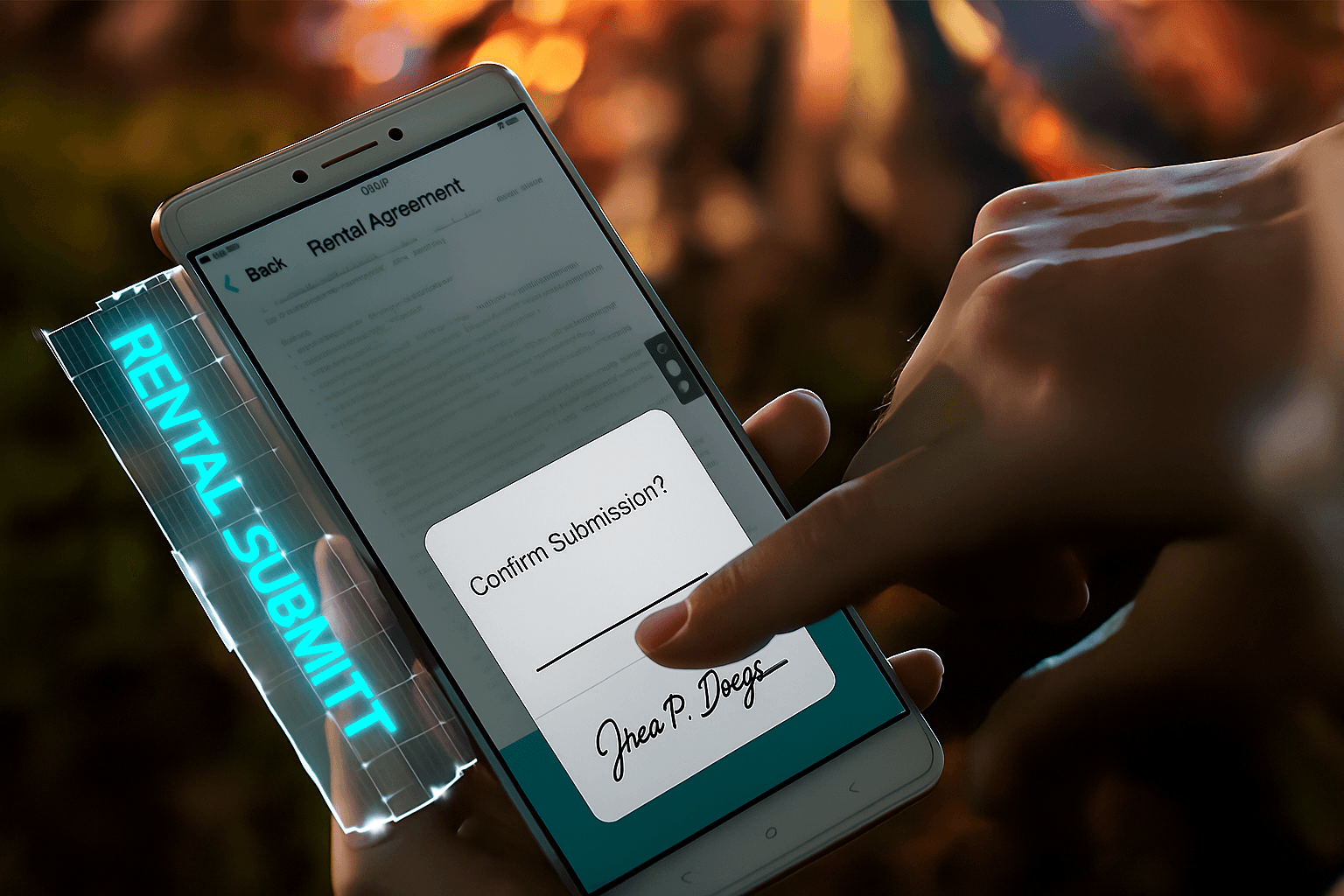
Vergleichen Sie E-Signatur-Plattformen mit DocuSign oder Adobe Sign?
eSignGlobal bietet flexiblere und kostengünstigere E-Signatur-Lösungen mit globaler Compliance, transparenter Preisgestaltung und schnellerem Onboarding.
👉 Starten Sie eine kostenlose Testversion
DocuSign Mobile App: Funktionen und Benutzererfahrung
Die mobile App von DocuSign ist ein leistungsstarkes Tool für elektronische Signaturanforderungen auf Unternehmensebene, das sowohl iOS als auch Android unterstützt. Sie legt Wert auf robuste Sicherheit und Workflow-Automatisierung, wodurch sie sich gut für Teams eignet, die Verträge mit hohem Volumen bearbeiten. Benutzer können Dokumente hochladen, Signaturfelder hinzufügen und elektronische Signaturen mit wenigen Fingertipps anfordern. Zu den wichtigsten Funktionen gehören Echtzeitbenachrichtigungen, Offline-Signaturfunktionen (die nach der Wiederherstellung der Verbindung synchronisiert werden) und Integrationen mit Tools wie Salesforce und Microsoft Office. Die Benutzeroberfläche der App ist übersichtlich, aber funktionsreich, mit einem Dashboard, das ausstehende Umschläge und Fortschrittsverfolgungen anzeigt.
Einige Benutzer weisen jedoch darauf hin, dass erweiterte Funktionen wie bedingte Felder oder Massenversand eine Lernkurve aufweisen und sich auf kleineren Bildschirmen überwältigend anfühlen können. Batterieverbrauch bei längeren Sitzungen und gelegentliche Synchronisationsverzögerungen in Gebieten mit schlechter Verbindung sind häufige Beschwerden. Für Unternehmen, die Wert auf Compliance legen, zeichnet sich DocuSign durch integrierte Audit Trails und Multi-Faktor-Authentifizierung aus, die sicherstellen, dass Signaturen globalen Standards wie ESIGN und eIDAS entsprechen.
Insgesamt schneidet die App in professionellen Umgebungen in Bezug auf Zuverlässigkeit gut ab, ist aber möglicherweise nicht die einfachste für Gelegenheitsbenutzer.

SignEasy Mobile App: Funktionen und Benutzererfahrung
SignEasy (jetzt Teil von airSlate) positioniert sich als benutzerfreundliche Alternative für kleine und mittlere Unternehmen, die einfache elektronische Signaturen auf Mobilgeräten suchen. Die iOS- und Android-App konzentriert sich auf Geschwindigkeit und Einfachheit und ermöglicht es Benutzern, Dokumente mit der Kamera zu scannen, Signaturen aus Bibliotheken anzuwenden und den Status in Echtzeit zu verfolgen. Sie unterstützt das Platzieren von Feldern per Drag & Drop, das Erstellen von Vorlagen und Zahlungsintegrationen, die alle für Touch-Oberflächen optimiert sind. Der Offline-Modus ist robust und unterstützt Signaturen ohne Internet. Die App lässt sich in Google Drive, Dropbox und Zapier integrieren, um schnelle Workflows zu ermöglichen.
Das minimalistische Design reduziert Unübersichtlichkeit und macht es für technisch nicht versierte Benutzer zugänglich, obwohl fortgeschrittenen Benutzern möglicherweise tiefere Anpassungsoptionen wie logische Regeln von DocuSign fehlen. Das Feedback hebt die reibungslose Leistung auf Geräten der Mittelklasse hervor, aber einige berichten von Problemen beim Hochladen großer Dateien oder bei der Überprüfung internationaler Nummern. SignEasy zeichnet sich durch schnelle einmalige Signaturen aus, wobei die Funktion für Sprachnotizen einen kollaborativen Vorteil bietet.
Im Wesentlichen priorisiert SignEasy Benutzerfreundlichkeit gegenüber Unternehmenstiefe und spricht mobile Teams an, die Wert auf Geschwindigkeit legen.
Direktvergleich: Benutzererfahrung und Bewertungen
Beim Vergleich von DocuSign und SignEasy auf Mobilgeräten hängt die Benutzererfahrung von den Prioritäten ab: DocuSign bietet ein umfassenderes Toolkit für komplexe Workflows, während SignEasy eine schlankere, schnellere Alternative bietet. Die App-Navigation von DocuSign ist logisch, aber menüreich und unterstützt die Anpassung des Startbildschirms für häufige Aufgaben. SignEasy kontert mit einem Ein-Klick-Signaturprozess, der sich gut für Außendienstmitarbeiter oder Remote-Mitarbeiter eignet. Beide Apps verarbeiten die Koordination mehrerer Signaturen gut, aber die Erinnerungen und Eskalationen von DocuSign fühlen sich proaktiver an.
Die Bewertungen spiegeln diese Unterschiede wider. Im Apple App Store erhält DocuSign 4,7/5 (über 100.000 Bewertungen), wobei die Sicherheit und die Integration gelobt werden, aber gelegentliche Abstürze (in etwa 10 % des Feedbacks) zu Punktabzügen führen. Ähnlich verhält es sich bei Google Play mit 4,5/5 (50.000+ Bewertungen), wobei Benutzer Push-Benachrichtigungen schätzen. SignEasy erzielt 4,6/5 auf iOS (20.000 Bewertungen) und 4,4/5 auf Android (10.000 Bewertungen), wobei die Intuitivität gelobt wird – über 80 % der Bewertungen heben die "einfache Bedienung" hervor –, obwohl Integrationsbeschränkungen einige frustrieren (15 % negatives Feedback).
Experten-Websites wie G2 bewerten DocuSign insgesamt mit 4,4/5 (mobil spezifisch 4,3) und heben die Skalierbarkeit hervor, während SignEasy mit 4,5/5 (mobil 4,6) in Bezug auf die einfache Einrichtung gewinnt. Capterra bestätigt dies: DocuSign erhält 4,5/5 für den Funktionsreichtum, SignEasy 4,6/5 für das Preis-Leistungs-Verhältnis. Häufige Kritikpunkte? Die höhere Lernkurve von DocuSign (in 20 % der Bewertungen erwähnt) im Vergleich zu gelegentlichen Supportverzögerungen von SignEasy. Bei mobilen Bewertungen übertrifft SignEasy DocuSign in Bezug auf die Einfachheit, aber DocuSign führt in Bezug auf die Zuverlässigkeit bei risikoreichen Anwendungen.
In Geschäftsumgebungen eignet sich DocuSign für regulierte Branchen, die einen Audit-Trail benötigen, während SignEasy agile Teams anspricht, die schnelle Durchlaufzeiten priorisieren. Beide Apps werden häufig aktualisiert – DocuSign alle zwei Monate, SignEasy vierteljährlich –, um auf Benutzerfeedback zur Leistung einzugehen.
Das große Ganze: Wichtige Wettbewerber im Bereich der elektronischen Signaturen
Um DocuSign und SignEasy in den Kontext zu setzen, lohnt es sich, andere Akteure wie Adobe Sign, eSignGlobal und HelloSign (jetzt Dropbox Sign) zu untersuchen. Diese Tools unterscheiden sich in Bezug auf den mobilen Fokus, die Preisgestaltung und die Compliance, was sich auf die Benutzererfahrung auswirkt.
Adobe Sign ist tief in das Adobe-Ökosystem integriert und bietet eine mobile App mit KI-gestütztem Ausfüllen von Formularen und geräteübergreifender Synchronisierung. Die Benutzeroberfläche ist elegant und ähnelt einem PDF-Editor, kann sich aber für reine Signaturaufgaben aufgebläht anfühlen. Benutzer schätzen die nahtlose Verbindung zu Acrobat, obwohl die Einrichtung mehr Schritte erfordert.

eSignGlobal betont die globale Abdeckung und unterstützt die Compliance in 100 wichtigen Ländern und Regionen. Es hat eine starke Präsenz im asiatisch-pazifischen Raum (APAC), wo die Vorschriften für elektronische Signaturen fragmentiert, anspruchsvoll und streng reguliert sind – oft sind Lösungen erforderlich, die Ökosystemintegrationen beinhalten, wie z. B. tiefe Hardware-/API-Integrationen mit digitalen Regierungsidentitäten (G2B). Im Gegensatz zu den rahmenbasierten ESIGN/eIDAS in Amerika und Europa (die auf E-Mail-Verifizierung oder Selbstauskunft basieren) erfordert APAC die Integration lokaler Systeme, was die technischen Hürden erhöht. eSignGlobal konkurriert direkt mit DocuSign und Adobe Sign weltweit, einschließlich Amerika und Europa, mit kostengünstigen Plänen. Die Essential-Version kostet nur 16,6 USD/Monat (jährlich), ermöglicht bis zu 100 elektronisch signierte Dokumente, unbegrenzte Benutzerlizenzen und die Überprüfung per Zugangscode – alles auf einer konformen, hochwertigen Grundlage. Es lässt sich nahtlos in iAM Smart in Hongkong und Singpass in Singapur integrieren, was das regionale Vertrauen ohne zusätzliche Kosten stärkt.

Suchen Sie eine intelligentere Alternative zu DocuSign?
eSignGlobal bietet flexiblere und kostengünstigere E-Signatur-Lösungen mit globaler Compliance, transparenter Preisgestaltung und schnellerem Onboarding.
👉 Starten Sie eine kostenlose Testversion
HelloSign (Dropbox Sign) konzentriert sich auf Einfachheit, und seine mobile App spiegelt die übersichtliche Ästhetik von Dropbox wider. Es unterstützt Vorlagen und Erinnerungen, aber es fehlen erweiterte Logiken, wodurch es sich gut für kleine und mittlere Unternehmen eignet. Die App-Store-Bewertungen liegen bei etwa 4,6/5, wobei die Integration gelobt wird, aber die Anpassungsoptionen kritisiert werden.
Vergleichstabelle der Wettbewerber
| Funktion/Aspekt | DocuSign | Adobe Sign | eSignGlobal | HelloSign (Dropbox Sign) |
|---|---|---|---|---|
| Bewertung der mobilen App (iOS/Android Durchschnitt) | 4,6/5 | 4,5/5 | 4,7/5 | 4,6/5 |
| Wichtigste mobile Vorteile | Integration, Sicherheit | KI-Bearbeitung, PDF-Synchronisierung | APAC-Compliance, unbegrenzte Benutzer | Einfachheit, Dropbox-Integration |
| Bewertung der Benutzerfreundlichkeit (G2) | 4,3/5 | 4,4/5 | 4,6/5 | 4,5/5 |
| Preisgestaltung (Einstiegsstufe, jährlich USD) | 120 USD/Benutzer | 10 USD/Benutzer/Monat | 199 USD (unbegrenzte Benutzer) | 15 USD/Benutzer/Monat |
| Compliance-Fokus | Global (ESIGN/eIDAS) | Hauptsächlich Amerika und Europa | 100 Länder, APAC-Tiefe | USA-zentriert |
| Offline-Signatur | Ja | Ja | Ja | Ja |
| Einzigartige Vorteile | Unternehmens-Workflows | Adobe-Ökosystem | Kostengünstige regionale Integration | Schnelle Teamfreigabe |
Diese Tabelle hebt neutrale Kompromisse hervor: DocuSign ist für die Skalierung geeignet, Adobe für Kreativprofis, eSignGlobal für globales/APAC-Preis-Leistungs-Verhältnis und HelloSign für die einfache Bedienung.
Fazit: Die richtige Wahl treffen
Aus der Sicht eines Wirtschaftsbeobachters bieten sowohl DocuSign als auch SignEasy solide mobile Erlebnisse, wobei SignEasy in Bezug auf die Benutzerfreundlichkeit leicht die Nase vorn hat und DocuSign in Bezug auf die Tiefe führt. Die Bewertungen zeigen eine hohe allgemeine Zufriedenheit, aber die Wahl hängt von den Workflow-Anforderungen ab. Für eine DocuSign-Alternative, die die regionale Compliance betont, zeichnet sich eSignGlobal als ausgewogene Option aus, insbesondere für APAC-Operationen.
