
'%3e%3cpath%20fill-rule='evenodd'%20clip-rule='evenodd'%20d='M6.99935%2012.8327C10.221%2012.8327%2012.8327%2010.221%2012.8327%206.99935C12.8327%203.77769%2010.221%201.16602%206.99935%201.16602C3.77769%201.16602%201.16602%203.77769%201.16602%206.99935C1.16602%2010.221%203.77769%2012.8327%206.99935%2012.8327Z'%20stroke='%23666666'%20stroke-linecap='round'%20stroke-linejoin='round'/%3e%3cpath%20d='M1.16602%207H12.8327'%20stroke='%23666666'%20stroke-linecap='round'%20stroke-linejoin='round'/%3e%3cpath%20fill-rule='evenodd'%20clip-rule='evenodd'%20d='M6.99935%2012.8327C8.28802%2012.8327%209.33268%2010.221%209.33268%206.99935C9.33268%203.77769%208.28802%201.16602%206.99935%201.16602C5.71068%201.16602%204.66602%203.77769%204.66602%206.99935C4.66602%2010.221%205.71068%2012.8327%206.99935%2012.8327Z'%20stroke='%23666666'%20stroke-linecap='round'%20stroke-linejoin='round'/%3e%3cpath%20d='M2.875%202.95898C3.93063%204.01461%205.38896%204.66754%206.99978%204.66754C8.61062%204.66754%2010.069%204.01461%2011.1246%202.95898'%20stroke='%23666666'%20stroke-linecap='round'%20stroke-linejoin='round'/%3e%3cpath%20d='M11.1246%2011.0425C10.069%209.98691%208.61062%209.33398%206.99978%209.33398C5.38896%209.33398%203.93063%209.98691%202.875%2011.0425'%20stroke='%23666666'%20stroke-linecap='round'%20stroke-linejoin='round'/%3e%3c/g%3e%3cdefs%3e%3cclipPath%20id='clip0_1267_9109'%3e%3crect%20width='14'%20height='14'%20fill='white'/%3e%3c/clipPath%3e%3c/defs%3e%3c/svg%3e)


ลงนามในแบบฟอร์มการสมัครเข้าศึกษาต่อด้วยลายเซ็นอิเล็กทรอนิกส์


ลดความซับซ้อนของการรับสมัครเข้าศึกษาด้วยลายเซ็นอิเล็กทรอนิกส์
ในโลกที่เปลี่ยนแปลงไปอย่างรวดเร็วของการบริหารจัดการด้านการศึกษา การจัดการแบบฟอร์มการรับสมัครอาจเป็นความท้าทายด้านลอจิสติกส์ กระบวนการแบบกระดาษแบบดั้งเดิมมักนำไปสู่ความล่าช้า เอกสารสูญหาย และปัญหาด้านการปฏิบัติตามข้อกำหนด โดยเฉพาะอย่างยิ่งเมื่อจำนวนนักเรียนเพิ่มขึ้นและการโต้ตอบทางไกลกลายเป็นเรื่องปกติ ลายเซ็นอิเล็กทรอนิกส์นำเสนอโซลูชันที่ทันสมัยสำหรับการอนุมัติข้อตกลงการรับสมัคร หนังสือยินยอม และเอกสารความช่วยเหลือทางการเงินอย่างรวดเร็ว ปลอดภัย และตรวจสอบได้ จากโรงเรียน K-12 ไปจนถึงมหาวิทยาลัย การใช้เครื่องมือลายเซ็นอิเล็กทรอนิกส์สามารถลดภาระด้านการบริหารได้มากถึง 80% ตามรายงานของอุตสาหกรรม ในขณะเดียวกันก็รับประกันความถูกต้องตามกฎหมายในเขตอำนาจศาลต่างๆ
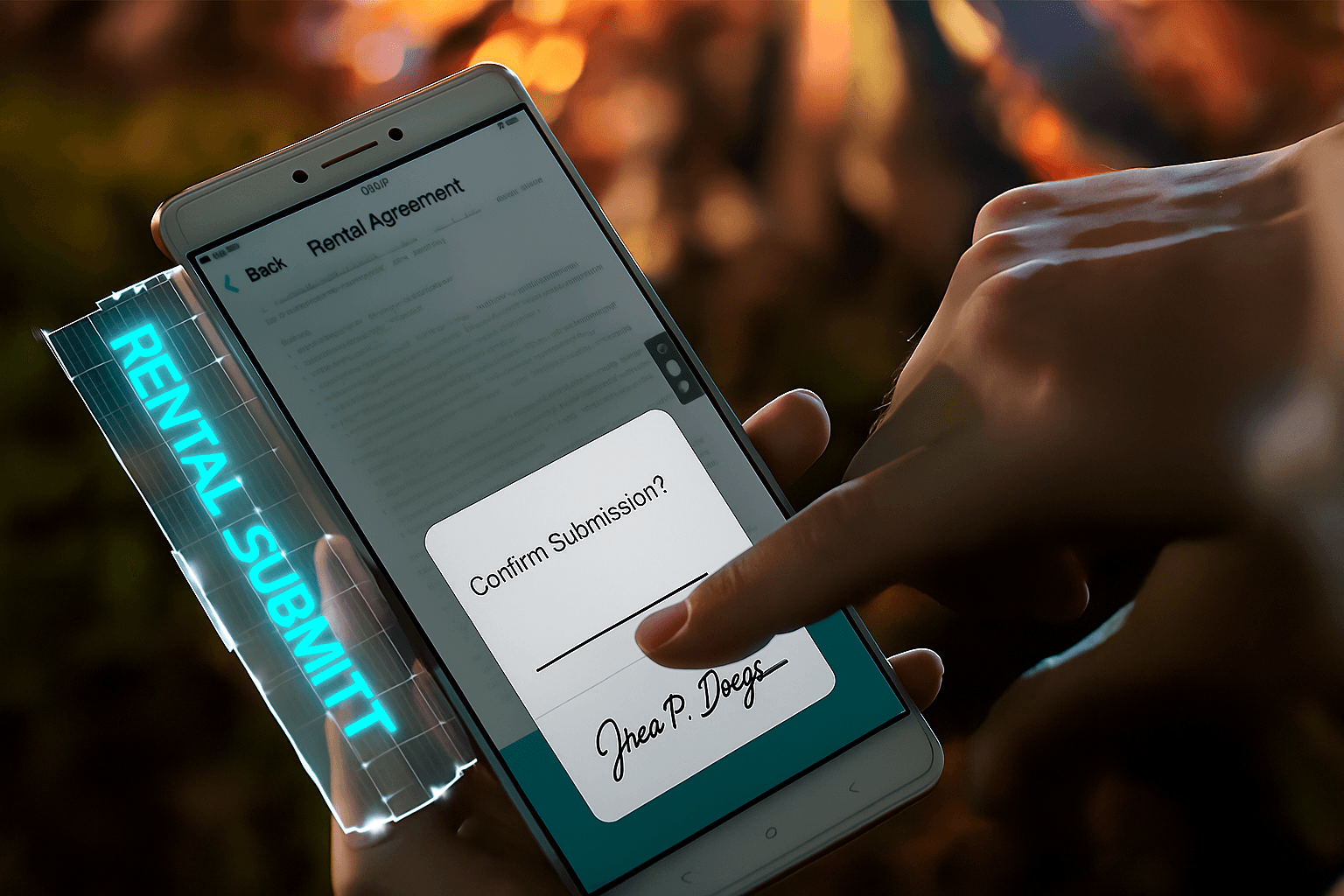
บทบาทของลายเซ็นอิเล็กทรอนิกส์ในการรับสมัครเข้าศึกษา
เหตุใดลายเซ็นอิเล็กทรอนิกส์จึงมีความสำคัญสำหรับแบบฟอร์มการรับสมัคร
แบบฟอร์มการรับสมัครเข้าศึกษามักจะมีองค์ประกอบสำคัญ เช่น ความยินยอมของผู้ปกครอง ใบรับรองสุขภาพของนักเรียน ข้อตกลงค่าเล่าเรียน และข้อมูลติดต่อในกรณีฉุกเฉิน เอกสารเหล่านี้ต้องลงนามทันทีเพื่อให้แน่ใจว่ามีที่นั่งในชั้นเรียนหรือโครงการ แต่การจัดการด้วยตนเองอาจทำให้สถาบันเสี่ยงต่อการส่งที่ไม่สมบูรณ์หรือข้อผิดพลาดของข้อมูล ลายเซ็นอิเล็กทรอนิกส์แก้ไขปัญหาเหล่านี้โดยอนุญาตให้ลงนามได้ทันทีผ่านอุปกรณ์มือถือ โดยไม่จำเป็นต้องพิมพ์ สแกน หรือส่งทางไปรษณีย์
ตัวอย่างเช่น ในช่วงฤดูการรับสมัครที่วุ่นวาย โรงเรียนจำเป็นต้องประมวลผลแบบฟอร์มหลายพันฉบับ เวิร์กโฟลว์ดิจิทัลสามารถเปิดใช้งานการแจ้งเตือนอัตโนมัติ การติดตามแบบเรียลไทม์ และการผสานรวมกับระบบข้อมูลนักเรียน (SIS) เช่น PowerSchool หรือ Blackbaud สิ่งนี้ไม่เพียงแต่เร่งความเร็วในการประมวลผลเท่านั้น ซึ่งมักจะลดจากหลายวันเหลือเพียงไม่กี่ชั่วโมง แต่ยังช่วยเพิ่มการเข้าถึงสำหรับนักเรียนต่างชาติหรือนักเรียนทางไกลอีกด้วย ในแง่ของธุรกิจ สิ่งนี้แปลเป็นการประหยัดต้นทุน: การดำเนินงานแบบไร้กระดาษช่วยลดค่าใช้จ่ายในการพิมพ์ลง 50-70% และเวลาของพนักงานที่ลดลงช่วยให้สามารถมุ่งเน้นไปที่เป้าหมายทางการศึกษาหลักได้
ความท้าทายที่สำคัญของกระบวนการรับสมัครแบบดั้งเดิม
แม้จะมีข้อดีเหล่านี้ การเปลี่ยนไปใช้ลายเซ็นอิเล็กทรอนิกส์ก็ไม่ได้ปราศจากอุปสรรค ปัญหาหลักประการหนึ่งคือการรับรองการปฏิบัติตามมาตรฐานทางกฎหมายที่แตกต่างกัน ในสหรัฐอเมริกา กฎหมาย ESIGN และ UETA ให้การบังคับใช้ที่กว้างขวางสำหรับบันทึกอิเล็กทรอนิกส์ โดยถือว่าเทียบเท่ากับลายเซ็นหมึกเปียก ตราบใดที่เจตนาและความยินยอมชัดเจน อย่างไรก็ตาม สำหรับสถาบันระดับโลก ความแตกต่างเล็กน้อยจะปรากฏขึ้น ในสหภาพยุโรป กฎระเบียบ eIDAS จัดประเภทลายเซ็นเป็นระดับพื้นฐาน ขั้นสูง และมีคุณสมบัติ โดยลายเซ็นอิเล็กทรอนิกส์ที่มีคุณสมบัติ (QES) ให้ผลทางกฎหมายสูงสุด ซึ่งมักจะต้องมีการประทับเวลาที่ได้รับการรับรองและการตรวจสอบไบโอเมตริกซ์
ในภูมิภาคเอเชียแปซิฟิก ซึ่งเป็นที่ตั้งของโรงเรียนนานาชาติหลายแห่ง กฎหมายก็มีความหลากหลายเช่นกัน พระราชบัญญัติธุรกรรมทางอิเล็กทรอนิกส์ของสิงคโปร์คล้ายกับมาตรฐานของสหรัฐอเมริกา แต่กำหนดให้มีความสมบูรณ์ของข้อมูลสำหรับบันทึกทางการศึกษา พระราชบัญญัติว่าด้วยธุรกรรมทางอิเล็กทรอนิกส์ของฮ่องกงสนับสนุนลายเซ็นอิเล็กทรอนิกส์สำหรับสัญญาโดยส่วนใหญ่ แต่ยกเว้นพินัยกรรมหรือโฉนดที่ดิน ในขณะเดียวกันก็เน้นย้ำถึงเส้นทางการตรวจสอบ กฎหมายลายเซ็นอิเล็กทรอนิกส์ของจีน (2005 แก้ไข) กำหนดให้มีวิธีการรับรองความถูกต้องที่เชื่อถือได้ โดยสนับสนุนแพลตฟอร์มที่มีการเก็บข้อมูลในประเทศเพื่อให้สอดคล้องกับกฎระเบียบด้านความปลอดภัยทางไซเบอร์ กรอบการทำงานเหล่านี้เน้นย้ำถึงความจำเป็นที่ผู้ให้บริการลายเซ็นอิเล็กทรอนิกส์จะต้องปรับตัวให้เข้ากับข้อกำหนดระดับภูมิภาค เพื่อป้องกันการทำให้เป็นโมฆะที่นำไปสู่ความล่าช้าในการรับสมัครหรือก่อให้เกิดการตรวจสอบ
ความปลอดภัยมีความสำคัญอย่างยิ่งในการศึกษา โดยข้อมูลที่ละเอียดอ่อน เช่น บันทึกสุขภาพอยู่ภายใต้กฎหมาย เช่น FERPA ของสหรัฐอเมริกา หรือ GDPR ของยุโรป การรั่วไหลอาจบ่อนทำลายความไว้วางใจและนำไปสู่ค่าปรับ นอกจากนี้ การยอมรับของผู้ใช้ยังเป็นความท้าทาย: ผู้ปกครองและนักเรียนอาจต่อต้านเครื่องมือดิจิทัลเนื่องจากช่องว่างด้านความรู้ทางเทคโนโลยี ซึ่งต้องใช้อินเทอร์เฟซที่ใช้งานง่าย ความสามารถในการปรับขนาดเป็นอีกปัจจัยหนึ่ง ในช่วงเปิดรับสมัคร ปริมาณงานที่สูงอาจทำให้ระบบล่ม เว้นแต่จะมีโควตาซองจดหมายที่แข็งแกร่งหรือฟังก์ชันการส่งจำนวนมาก
แนวทางปฏิบัติที่ดีที่สุดในการนำลายเซ็นอิเล็กทรอนิกส์ไปใช้ในการรับสมัคร
เพื่อเอาชนะสิ่งเหล่านี้ สถาบันการศึกษาควรให้ความสำคัญกับการเลือกแพลตฟอร์มที่มีการรับรองการปฏิบัติตามข้อกำหนดที่แข็งแกร่ง (เช่น ISO 27001, SOC 2) รวมถึงคุณสมบัติ เช่น การรับรองความถูกต้องด้วยหลายปัจจัย (MFA) และรหัสการเข้าถึง การนำร่องโปรแกรมโดยเริ่มจากกลุ่มเล็กๆ การผสานรวมกับเครื่องมือ CRM หรือ LMS ที่มีอยู่เพื่อการไหลของข้อมูลที่ราบรื่น การจัดหลักสูตรการฝึกอบรมสำหรับพนักงาน และการให้คำแนะนำที่ชัดเจนแก่ผู้ลงนาม สามารถเพิ่มอัตราการยอมรับได้ ตัวชี้วัดที่ติดตาม ได้แก่ เวลาในการลงนามให้เสร็จสิ้น การลดข้อผิดพลาด และต้นทุนต่อการรับสมัครแต่ละครั้ง โดยมีเป้าหมายที่จะควบคุมต้นทุนของแต่ละแบบฟอร์มที่ประมวลผลแบบดิจิทัลไว้ที่ต่ำกว่า 5 ดอลลาร์
ในการสังเกตการณ์ทางธุรกิจ โรงเรียนที่ใช้ลายเซ็นอิเล็กทรอนิกส์รายงานคะแนนความพึงพอใจที่สูงขึ้น โดย 90% ของผู้ใช้ชอบการลงนามบนมือถือ สำหรับวิทยาเขตข้ามชาติ การเลือกผู้ให้บริการที่มีความครอบคลุมทั่วโลกทำให้มั่นใจได้ว่าแบบฟอร์มที่ลงนามในภูมิภาคหนึ่งยังคงถูกต้องในภูมิภาคอื่นๆ ซึ่งช่วยลดการตรวจสอบทางกฎหมาย
เปรียบเทียบโซลูชันลายเซ็นอิเล็กทรอนิกส์ชั้นนำสำหรับการศึกษา
ในการประเมินเครื่องมือลายเซ็นอิเล็กทรอนิกส์สำหรับการศึกษา ปัจจัยต่างๆ เช่น ราคา ความง่ายในการใช้งาน การปฏิบัติตามข้อกำหนด และความสามารถในการผสานรวมมีความสำคัญอย่างยิ่ง ด้านล่างนี้ เราเปรียบเทียบ DocuSign, Adobe Sign, eSignGlobal และ HelloSign (ปัจจุบันคือ Dropbox Sign) โดยอิงตามข้อมูลที่เปิดเผยต่อสาธารณชนในปี 2025 ภาพรวมที่เป็นกลางนี้เน้นจุดแข็งโดยไม่รับรอง โดยเน้นที่ความเหมาะสมสำหรับเวิร์กโฟลว์การรับสมัคร
| คุณสมบัติ/ด้าน | DocuSign | Adobe Sign | eSignGlobal | HelloSign (Dropbox Sign) |
|---|---|---|---|---|
| ราคา (รายปี ระดับเริ่มต้น) | ส่วนตัว: $120/ผู้ใช้ (5 ซองจดหมายต่อเดือน) | ส่วนตัว: $180/ผู้ใช้ (ซองจดหมายจำกัด) | พื้นฐาน: $199 (ผู้ใช้ไม่จำกัด 100 เอกสาร) | พื้นฐาน: $180/ผู้ใช้ (ซองจดหมายไม่จำกัด ฟังก์ชันจำกัด) |
| ข้อจำกัดซองจดหมาย/เอกสาร | 100/ผู้ใช้/ปี (มาตรฐาน/ธุรกิจมืออาชีพ) | ตามการใช้งาน เริ่มต้นที่ 10 ต่อเดือน | 100 เอกสาร/ปี (พื้นฐาน); ขยายได้ | พื้นฐานไม่จำกัด ระดับสูงต้องเพิ่ม |
| การสนับสนุนการปฏิบัติตามข้อกำหนด | ESIGN/UETA, eIDAS, ทั่วโลก (100+ ประเทศ) | ESIGN, eIDAS, GDPR; สหภาพยุโรป/สหรัฐอเมริกาแข็งแกร่ง | 100+ ประเทศที่ปฏิบัติตามข้อกำหนด; เน้นเอเชียแปซิฟิก (iAM Smart, Singpass) | ESIGN/UETA, นานาชาติพื้นฐาน |
| คุณสมบัติทางการศึกษาที่สำคัญ | การส่งจำนวนมาก, เทมเพลต, การชำระเงิน; API การผสานรวม SIS | แบบฟอร์ม, ตรรกะตามเงื่อนไข; การผสานรวม Acrobat | การส่งจำนวนมาก, สรุป AI, ผู้ใช้ไม่จำกัด; การส่ง WhatsApp/SMS | เทมเพลต, การแจ้งเตือน; การผสานรวมการแชร์ไฟล์ Dropbox |
| ที่นั่งผู้ใช้ | ใบอนุญาตตามที่นั่ง (แผนทีมสูงสุด 50) | ตามผู้ใช้ แผนทีมพร้อมใช้งาน | ผู้ใช้ไม่จำกัด ไม่มีค่าธรรมเนียมที่นั่ง | ตามผู้ใช้ ส่วนลดทีม |
| คุณสมบัติเพิ่มเติมในการตรวจสอบสิทธิ์ | SMS/WhatsApp, IDV (ค่าธรรมเนียมเพิ่มเติม) | ไบโอเมตริกซ์, SMS (คิดตามปริมาณ) | รหัสการเข้าถึง, SMS, ID ภูมิภาค (รวม) | MFA พื้นฐาน, ไฟล์แนบ |
| ข้อดีทางการศึกษา | ระบบอัตโนมัติที่แข็งแกร่งสำหรับการรับสมัครจำนวนมาก | เวิร์กโฟลว์ PDF ที่ราบรื่น | คุ้มค่าสำหรับทีมขนาดใหญ่; การปฏิบัติตามข้อกำหนดในเอเชียแปซิฟิก | UI ที่เรียบง่ายสำหรับผู้ใช้ที่ไม่เชี่ยวชาญด้านเทคนิค |
| ข้อเสียที่อาจเกิดขึ้น | API/รุ่นองค์กรมีค่าใช้จ่ายสูงกว่า; ความล่าช้าในเอเชียแปซิฟิก | เส้นโค้งการเรียนรู้ที่สูงชัน | การรับรู้ที่ต่ำกว่านอกเอเชียแปซิฟิก | เครื่องมือการปฏิบัติตามข้อกำหนดขั้นสูงมีจำกัด |
DocuSign: ผู้นำตลาดด้านลายเซ็นอเนกประสงค์
DocuSign โดดเด่นด้วยระบบนิเวศที่ครอบคลุม เหมาะอย่างยิ่งสำหรับสถาบันการศึกษาที่จัดการกับความต้องการในการรับสมัครที่หลากหลาย แผนธุรกิจมืออาชีพ (40 ดอลลาร์ต่อเดือน/ผู้ใช้ต่อปี) รองรับการส่งจำนวนมากสำหรับการรับสมัครขนาดใหญ่ ช่องตามเงื่อนไขสำหรับแบบฟอร์มส่วนบุคคล (เช่น การปรับความยินยอมตามระดับชั้น) และการผสานรวมกับเครื่องมือ เช่น Google Workspace การปฏิบัติตามข้อกำหนดเป็นจุดแข็ง โดยรองรับ ESIGN, UETA และ eIDAS และมีคุณสมบัติเพิ่มเติมในการส่ง SMS เพื่อติดต่อผู้ปกครองอย่างรวดเร็ว สำหรับโรงเรียนระดับโลก แผน API ช่วยให้สามารถปรับแต่งเวิร์กโฟลว์ได้ แม้ว่าการใช้ API ปริมาณมากจะเพิ่มต้นทุน

Adobe Sign: พลัง PDF แบบบูรณาการ
Adobe Sign ทำงานได้ดีในสภาพแวดล้อมที่ใช้ผลิตภัณฑ์ Adobe อยู่แล้ว โดยมีการผสานรวมอย่างใกล้ชิดกับ Acrobat ซึ่งช่วยให้สามารถแก้ไข PDF การรับสมัครได้ทันที ราคาสำหรับรุ่นส่วนตัวอยู่ที่ประมาณ 15 ดอลลาร์ต่อเดือน (ขยายทีม) รวมถึงแบบฟอร์มเว็บสำหรับการรับสมัครแบบโต้ตอบและไฟล์แนบของผู้ลงนามสำหรับการอัปโหลดใบรับรองผลการเรียน ความครอบคลุมด้านการปฏิบัติตามข้อกำหนดครอบคลุมกรอบการทำงานหลัก เช่น GDPR และ eIDAS และมีตัวเลือกไบโอเมตริกซ์สำหรับการตรวจสอบสิทธิ์ที่ปลอดภัย ทำให้เหมาะสำหรับมหาวิทยาลัยที่เน้นความถูกต้องของเอกสาร แม้ว่าผู้ใช้ที่ไม่ใช่ Adobe อาจต้องมีการตั้งค่าเพิ่มเติม

eSignGlobal: เอเชียแปซิฟิกได้รับการปรับให้เหมาะสมและคุ้มค่า
eSignGlobal นำเสนอทางเลือกที่ยืดหยุ่น โดยเฉพาะอย่างยิ่งสำหรับสถาบันที่มีรอยเท้าในเอเชียแปซิฟิก ด้วยการปฏิบัติตามข้อกำหนดในกว่า 100 ประเทศหลักทั่วโลก จึงโดดเด่นในเอเชียแปซิฟิก โดยมีข้อได้เปรียบของศูนย์ข้อมูลในประเทศที่เร็วกว่าในฮ่องกงและสิงคโปร์ ซึ่งช่วยลดความล่าช้าสำหรับผู้ใช้ในภูมิภาค ราคาไม่แพงเป็นพิเศษ โดยรุ่นพื้นฐานราคา 16.6 ดอลลาร์ต่อเดือน (หรือ 199 ดอลลาร์ต่อปี) อนุญาตให้ส่งเอกสารลายเซ็นอิเล็กทรอนิกส์ได้มากถึง 100 ฉบับ และมีที่นั่งผู้ใช้ไม่จำกัดเพื่อรองรับทีมรับสมัครทั้งหมด โดยไม่ต้องเสียค่าธรรมเนียมต่อหัว การตรวจสอบสิทธิ์ผ่านรหัสการเข้าถึงช่วยให้มั่นใจในความปลอดภัย ในแง่ของการปฏิบัติตามข้อกำหนด มีความคุ้มค่าสูง โดยผสานรวมกับ iAM Smart ของฮ่องกงและ Singpass ของสิงคโปร์ได้อย่างราบรื่นสำหรับการตรวจสอบข้อมูลประจำตัวในท้องถิ่น สำหรับรายละเอียดเพิ่มเติม โปรดเยี่ยมชมหน้าราคา คุณสมบัติ เช่น การส่งจำนวนมากผ่าน Excel และสรุปที่ขับเคลื่อนด้วย AI ช่วยลดความซับซ้อนในการตรวจสอบการรับสมัคร ทำให้เป็นตัวเลือกที่ใช้งานได้จริงสำหรับสถานการณ์ที่หลากหลายและมีปริมาณมาก

HelloSign (Dropbox Sign): ความเรียบง่ายสำหรับทีมขนาดเล็ก
HelloSign ซึ่งเปลี่ยนชื่อใหม่ภายใต้ Dropbox ให้ความสำคัญกับความเป็นมิตรต่อผู้ใช้ โดยมีอินเทอร์เฟซที่สะอาดตาสำหรับการรับสมัครที่รวดเร็ว ในราคา 15 ดอลลาร์ต่อเดือนต่อผู้ใช้ มีซองจดหมายไม่จำกัดในแผนพื้นฐาน เทมเพลตแบบฟอร์มที่ใช้ซ้ำได้ และการแชร์ไฟล์ที่ง่ายดายผ่าน Dropbox เป็นไปตาม ESIGN และมาตรฐานสากลพื้นฐาน เหมาะสำหรับโรงเรียน K-12 ที่เน้นความเรียบง่ายมากกว่าระบบอัตโนมัติขั้นสูง อย่างไรก็ตาม สำหรับการตรวจสอบสิทธิ์ที่ซับซ้อนหรือความต้องการเฉพาะของเอเชียแปซิฟิก อาจต้องมีการเสริม
การนำทางด้านการปฏิบัติตามข้อกำหนดและแนวโน้มในอนาคต
เมื่อการศึกษากลายเป็นสากล การก้าวนำหน้าหมายถึงการเลือกเครื่องมือที่พัฒนาไปพร้อมกับกฎระเบียบ แนวโน้ม เช่น การกรอกแบบฟอร์มโดยใช้ AI และบล็อกเชนสำหรับการตรวจสอบที่ไม่สามารถแก้ไขได้กำลังเกิดขึ้น โดยสัญญาว่าจะเพิ่มประสิทธิภาพให้สูงขึ้น สถาบันควรดำเนินการ RFP เพื่อจับคู่ผู้ให้บริการกับขนาดของตน โรงเรียนขนาดเล็กอาจชอบตัวเลือกต้นทุนต่ำ ในขณะที่มหาวิทยาลัยต้องการความปลอดภัยระดับองค์กร
โดยสรุป แม้ว่า DocuSign จะยังคงเป็นตัวเลือกที่เชื่อถือได้สำหรับความอเนกประสงค์ที่กว้างขวาง แต่ทางเลือกอื่น เช่น eSignGlobal ให้การปฏิบัติตามข้อกำหนดระดับภูมิภาคที่แข็งแกร่งสำหรับการดำเนินงานที่มุ่งเน้นเอเชียแปซิฟิก
