
'%3e%3cpath%20fill-rule='evenodd'%20clip-rule='evenodd'%20d='M6.99935%2012.8327C10.221%2012.8327%2012.8327%2010.221%2012.8327%206.99935C12.8327%203.77769%2010.221%201.16602%206.99935%201.16602C3.77769%201.16602%201.16602%203.77769%201.16602%206.99935C1.16602%2010.221%203.77769%2012.8327%206.99935%2012.8327Z'%20stroke='%23666666'%20stroke-linecap='round'%20stroke-linejoin='round'/%3e%3cpath%20d='M1.16602%207H12.8327'%20stroke='%23666666'%20stroke-linecap='round'%20stroke-linejoin='round'/%3e%3cpath%20fill-rule='evenodd'%20clip-rule='evenodd'%20d='M6.99935%2012.8327C8.28802%2012.8327%209.33268%2010.221%209.33268%206.99935C9.33268%203.77769%208.28802%201.16602%206.99935%201.16602C5.71068%201.16602%204.66602%203.77769%204.66602%206.99935C4.66602%2010.221%205.71068%2012.8327%206.99935%2012.8327Z'%20stroke='%23666666'%20stroke-linecap='round'%20stroke-linejoin='round'/%3e%3cpath%20d='M2.875%202.95898C3.93063%204.01461%205.38896%204.66754%206.99978%204.66754C8.61062%204.66754%2010.069%204.01461%2011.1246%202.95898'%20stroke='%23666666'%20stroke-linecap='round'%20stroke-linejoin='round'/%3e%3cpath%20d='M11.1246%2011.0425C10.069%209.98691%208.61062%209.33398%206.99978%209.33398C5.38896%209.33398%203.93063%209.98691%202.875%2011.0425'%20stroke='%23666666'%20stroke-linecap='round'%20stroke-linejoin='round'/%3e%3c/g%3e%3cdefs%3e%3cclipPath%20id='clip0_1267_9109'%3e%3crect%20width='14'%20height='14'%20fill='white'/%3e%3c/clipPath%3e%3c/defs%3e%3c/svg%3e)


ค่าใช้จ่ายของตัวเชื่อมต่อ DocuSign API


ทำความเข้าใจต้นทุนของ DocuSign API Connector
ในบริบทของการพัฒนาอย่างต่อเนื่องของเวิร์กโฟลว์ดิจิทัล องค์กรต่างๆ พึ่งพาแพลตฟอร์มลายเซ็นอิเล็กทรอนิกส์มากขึ้นเพื่อปรับปรุงการดำเนินงาน DocuSign API Connector เป็นเครื่องมือสำคัญสำหรับนักพัฒนาและธุรกิจในการผสานรวมฟังก์ชันลายเซ็นที่ราบรื่น สามารถใช้ได้ตั้งแต่ระบบ CRM ไปจนถึงแอปพลิเคชันซอฟต์แวร์ที่กำหนดเอง การผสานรวมนี้ช่วยให้การลงนามในเอกสารเป็นไปโดยอัตโนมัติ ลดกระบวนการด้วยตนเอง และเพิ่มประสิทธิภาพ อย่างไรก็ตาม ต้นทุนที่เกี่ยวข้องกับ DocuSign API Connector เป็นข้อพิจารณาที่สำคัญ ซึ่งมักจะแตกต่างกันไปตามการใช้งาน ขนาด และคุณสมบัติเพิ่มเติม จากมุมมองทางธุรกิจ การประเมินต้นทุนเหล่านี้ช่วยให้องค์กรสร้างสมดุลระหว่างฟังก์ชันการทำงานและข้อจำกัดด้านงบประมาณ เพื่อให้มั่นใจถึง ROI ของการลงทุนด้านระบบอัตโนมัติ
การกำหนดราคาของ DocuSign API Connector ขึ้นอยู่กับแผนการเรียกเก็บเงินรายปีที่ปรับให้เหมาะกับความต้องการในการผสานรวมที่แตกต่างกัน ในระดับเริ่มต้น แผน Starter มีราคา 600 ดอลลาร์สหรัฐต่อปี โดยมีฟังก์ชัน API พื้นฐาน เช่น การรับรองความถูกต้อง OAuth และซองจดหมายสูงสุด 40 ซองต่อเดือน เหมาะอย่างยิ่งสำหรับทีมขนาดเล็กที่ทดสอบการผสานรวมโดยไม่ต้องจัดการกับปริมาณการใช้งานจำนวนมาก การอัปเกรดเป็นแผน Intermediate ในราคา 3,600 ดอลลาร์สหรัฐต่อปี จะปลดล็อกซองจดหมายประมาณ 100 ซองต่อเดือน และเพิ่มคุณสมบัติ เช่น การตรวจสอบร่วมกันและการส่งตามกำหนดเวลา ซึ่งมีความสำคัญต่อระบบขนาดกลางที่จัดการระบบอัตโนมัติเป็นประจำ
สำหรับความต้องการที่แข็งแกร่งยิ่งขึ้น แผน Advanced มีราคา 5,760 ดอลลาร์สหรัฐต่อปี โดยยังคงโควต้าซองจดหมาย 100 ซอง แต่รวมถึง Bulk Send API, การผสานรวม PowerForms และคุณสมบัติขั้นสูง เช่น Connect Webhooks คุณสมบัติเหล่านี้รองรับการดำเนินการที่มีปริมาณมาก เช่น การแจกจ่ายเอกสารขนาดใหญ่ หรือการทริกเกอร์เหตุการณ์แบบเรียลไทม์ ตัวเลือกสำหรับองค์กรมีการกำหนดราคาแบบกำหนดเอง โดยปรับขนาดตามจำนวนที่นั่ง ปริมาณซองจดหมาย และข้อกำหนดด้านการปฏิบัติตามข้อกำหนด ซึ่งมักจะเกิน 10,000 ดอลลาร์สหรัฐต่อปีสำหรับการใช้งานขนาดใหญ่ ควรสังเกตว่าซองจดหมายแสดงถึงเอกสารที่ลงนามแล้ว และการเกินโควต้าจะทำให้เกิดค่าธรรมเนียมส่วนเกิน ซึ่งโดยทั่วไปคือ 0.10–0.50 ดอลลาร์สหรัฐต่อซองจดหมายเพิ่มเติม ขึ้นอยู่กับแผน
ส่วนเสริมส่งผลกระทบต่อต้นทุนรวมเพิ่มเติม การตรวจสอบสิทธิ์ (IDV) รวมถึงการตรวจสอบไบโอเมตริกซ์และการรับรองความถูกต้องทาง SMS จะถูกเรียกเก็บเงินตามปริมาณการใช้งาน ซึ่งอาจเพิ่มค่าใช้จ่าย 1–5 ดอลลาร์สหรัฐต่อการตรวจสอบแต่ละครั้ง ซึ่งจะเพิ่มค่าใช้จ่ายสำหรับกรณีการใช้งานที่มีความปลอดภัยสูง การส่ง SMS หรือ WhatsApp เป็นอีกหนึ่งการปรับปรุงความครอบคลุมทั่วโลกทั่วไป โดยมีการเรียกเก็บเงินต่อข้อความตามอัตราโทรคมนาคมในภูมิภาค ซึ่งโดยทั่วไปคือ 0.05–0.20 ดอลลาร์สหรัฐในสหรัฐอเมริกา แต่สูงกว่าในตลาดเอเชียแปซิฟิก การส่งอัตโนมัติ รวมถึงการส่งผ่าน API มีข้อจำกัด แม้ในแผนระดับสูง ตัวอย่างเช่น แผนจำกัดการส่งแบบกลุ่มหรือที่ทริกเกอร์โดย API ไว้ที่ 10–100 รายการต่อผู้ใช้ต่อเดือน โดยส่วนเกินจะถูกเรียกเก็บเงินแยกต่างหาก
จากมุมมองทางธุรกิจ โครงสร้างแบบแบ่งชั้นเหล่านี้ส่งเสริมความสามารถในการปรับขนาด แต่สามารถนำไปสู่ต้นทุนที่ไม่สามารถคาดการณ์ได้สำหรับธุรกิจที่กำลังเติบโต ข้อผูกมัดรายปีสามารถล็อกส่วนลดเทียบเท่ารายเดือนได้มากถึง 20% แต่ต้องมีการคาดการณ์การใช้งานที่แม่นยำ สำหรับการผสานรวมที่ใช้ API อย่างเข้มข้น เครื่องมือตรวจสอบในแดชบอร์ดนักพัฒนาช่วยในการติดตามโควต้า หลีกเลี่ยงค่าใช้จ่ายที่ไม่คาดคิด โดยรวมแล้ว ต้นทุนพื้นฐานสำหรับ DocuSign API Connector ที่ใช้งานได้เริ่มต้นที่ประมาณ 50 ดอลลาร์สหรัฐต่อเดือน (600 ดอลลาร์สหรัฐต่อปี) สำหรับฟังก์ชันพื้นฐาน แต่การตั้งค่าองค์กรที่สมจริงมักจะรวมเป็น 5,000–20,000 ดอลลาร์สหรัฐต่อปี เมื่อพิจารณาปริมาณและส่วนเสริม

ปัจจัยที่มีผลต่อค่าใช้จ่ายของ DocuSign API Connector
นอกเหนือจากแผนพื้นฐานแล้ว ตัวแปรหลายตัวจะกำหนดต้นทุนที่มีประสิทธิภาพของการใช้งาน DocuSign API Connector โควต้าซองจดหมายเป็นหัวใจสำคัญ: การเรียก API แต่ละครั้งที่เริ่มต้นกระบวนการลงนามจะนับเป็นหนึ่งซองจดหมาย โดยจำกัดการรีเซ็ตรายเดือน ธุรกิจที่เกินโควต้าเหล่านี้ ซึ่งพบได้บ่อยในการขายหรือระบบอัตโนมัติ HR จะต้องเผชิญกับค่าธรรมเนียมส่วนเกินแบบแบ่งชั้น ซึ่งทำให้การคาดการณ์ความจุมีความสำคัญ ตัวอย่างเช่น บริษัทขนาดกลางที่ผสานรวมกับ Salesforce อาจใช้ซองจดหมาย 100 ซองอย่างรวดเร็วในช่วงฤดูท่องเที่ยว ซึ่งต้องมีการอัปเกรดเพื่อหลีกเลี่ยงการหยุดชะงัก
ปัจจัยด้านการปฏิบัติตามข้อกำหนดและภูมิภาคก็มีบทบาทเช่นกัน ในสหรัฐอเมริกา ลายเซ็นอิเล็กทรอนิกส์อยู่ภายใต้กฎหมาย ESIGN และ UETA ซึ่ง DocuSign สนับสนุนอย่างเต็มที่ ทำให้มั่นใจได้ถึงผลทางกฎหมายโดยไม่ต้องเสียค่าใช้จ่ายเพิ่มเติมในแผนมาตรฐาน อย่างไรก็ตาม สำหรับการดำเนินงานระหว่างประเทศ โดยเฉพาะอย่างยิ่งภายใต้กฎระเบียบ eIDAS ของสหภาพยุโรป หรือกฎหมายการเก็บรักษาข้อมูลต่างๆ ในเอเชียแปซิฟิก ส่วนเสริม เช่น การติดตามการตรวจสอบขั้นสูง หรือ SSO กลายเป็นสิ่งจำเป็น ซึ่งจะเพิ่มค่าใช้จ่ายทั้งหมด 10–30% การใช้งานในเอเชียแปซิฟิกมักจะทำให้เกิดค่าใช้จ่ายในการสนับสนุนที่เกี่ยวข้องกับเวลาแฝงที่สูงขึ้น และค่าธรรมเนียมเพิ่มเติมสำหรับการปฏิบัติตามข้อกำหนดในท้องถิ่น ซึ่งอาจเพิ่มต้นทุน 20–50% เมื่อเทียบกับการตั้งค่าที่เน้นสหรัฐอเมริกา
ข้อจำกัดเฉพาะของ API เช่น ขีดจำกัดการส่งอัตโนมัติ (เช่น การดำเนินการ API แบบกลุ่ม 100 รายการต่อผู้ใช้ต่อปี) หมายความว่าแอปพลิเคชันที่มีปริมาณงานสูงอาจต้องมีข้อตกลงระดับองค์กรที่กำหนดเอง ทรัพยากรสำหรับนักพัฒนา รวมถึง SDK และเอกสารประกอบนั้นรวมอยู่ด้วย แต่การสนับสนุนขั้นสูง ซึ่งมีความสำคัญต่อการผสานรวมที่ซับซ้อน เริ่มต้นที่ 1,000 ดอลลาร์สหรัฐต่อปีเป็นส่วนเสริม จากการสังเกตการณ์ทางธุรกิจ องค์ประกอบเหล่านี้ทำให้ API Connector ของ DocuSign คุ้มค่าสำหรับระบบอัตโนมัติแบบง่ายๆ ในสหรัฐอเมริกา แต่มีราคาแพงขึ้นเรื่อยๆ สำหรับสถานการณ์ทั่วโลกที่มีปริมาณมาก ซึ่งกระตุ้นให้หลายธุรกิจสำรวจทางเลือกอื่น
กฎหมายลายเซ็นอิเล็กทรอนิกส์ในภูมิภาคและผลกระทบต่อ API
แม้ว่า DocuSign API Connector จะพร้อมใช้งานทั่วโลก แต่ต้นทุนอาจแตกต่างกันไปตามภูมิภาคเนื่องจากข้อกำหนดด้านการปฏิบัติตามข้อกำหนด ในสหรัฐอเมริกา กฎหมาย ESIGN (ปี 2000) และกฎหมายธุรกรรมอิเล็กทรอนิกส์แบบเดียวกัน (UETA) มีกรอบการทำงานที่แข็งแกร่ง โดยตรวจสอบลายเซ็นดิจิทัลว่าเทียบเท่ากับลายเซ็นหมึกเปียกทางกฎหมาย โดยไม่ต้องมีการกำหนดค่า API พิเศษนอกเหนือจากความปลอดภัยมาตรฐาน ทำให้ต้นทุนในสหรัฐอเมริกาคาดการณ์ได้
ในสหภาพยุโรป กฎระเบียบ eIDAS บังคับใช้ลายเซ็นอิเล็กทรอนิกส์ที่มีคุณสมบัติ (QES) เพื่อตอบสนองความต้องการด้านการรับประกันสูง ซึ่งต้องมีคุณสมบัติขั้นสูง เช่น การประทับเวลาและการรับรองความถูกต้อง ซึ่ง DocuSign รองรับผ่านส่วนเสริม ซึ่งจะเพิ่มค่าธรรมเนียม API สำหรับเอเชียแปซิฟิก ประเทศต่างๆ เช่น สิงคโปร์ (ภายใต้กฎหมายธุรกรรมอิเล็กทรอนิกส์) และฮ่องกง (ข้อบัญญัติธุรกรรมอิเล็กทรอนิกส์) รับรู้ลายเซ็นอิเล็กทรอนิกส์ แต่เน้นการแปลข้อมูลเป็นภาษาท้องถิ่น ตัวอย่างเช่น การผสานรวม Singpass ของสิงคโปร์ต้องมีการปรับ API เพื่อให้การตรวจสอบของรัฐบาลเป็นไปอย่างราบรื่น ซึ่งจะเพิ่มการพัฒนาและค่าธรรมเนียมเพิ่มเติมที่อาจเกิดขึ้น
ภูมิทัศน์ในจีนมีความกระจัดกระจายมากขึ้น โดยกฎหมายลายเซ็นอิเล็กทรอนิกส์ (ปี 2005) แยกความแตกต่างระหว่างลายเซ็นที่เชื่อถือได้และลายเซ็นที่ปลอดภัย ความล่าช้าข้ามพรมแดนและกฎการเก็บรักษาข้อมูลมักจะต้องมีการโฮสต์ในภูมิภาค ซึ่งจะเพิ่มต้นทุนของ DocuSign ธุรกิจต้องประเมินกฎหมายเหล่านี้เพื่อหลีกเลี่ยงค่าปรับที่ไม่เป็นไปตามข้อกำหนด ซึ่งอาจเกินค่าธรรมเนียม API ในทางปฏิบัติ การปรับตัวในภูมิภาคทำให้ต้นทุนรวมในการเป็นเจ้าของ Connector สูงกว่า 15–40% นอกสหรัฐอเมริกา ซึ่งส่งผลต่อการเลือกแพลตฟอร์ม

เปรียบเทียบ DocuSign API Connector กับคู่แข่ง
เพื่อให้ต้นทุน API ของ DocuSign อยู่ในบริบท การเปรียบเทียบกับคู่แข่งหลักเผยให้เห็นถึงการแลกเปลี่ยนระหว่างราคา คุณสมบัติ และการปรับตัวในภูมิภาค DocuSign โดดเด่นในด้านระบบนิเวศที่成熟และการผสานรวมที่กว้างขวาง แต่คู่แข่งอย่าง Adobe Sign และ eSignGlobal นำเสนอข้อได้เปรียบในการแข่งขัน โดยเฉพาะอย่างยิ่งสำหรับการดำเนินงานที่คำนึงถึงต้นทุนหรือเน้นเอเชียแปซิฟิก
Adobe Sign ซึ่งปัจจุบันเป็นส่วนหนึ่งของระบบนิเวศ Adobe Acrobat นำเสนอ API Connector ที่แข็งแกร่ง โดยมีแผนพื้นฐานเริ่มต้นที่ประมาณ 10–25 ดอลลาร์สหรัฐต่อผู้ใช้ต่อเดือน โดยมีการรวมการเข้าถึงนักพัฒนาเฉพาะ API ไว้ใน Acrobat Pro หรือระดับองค์กร (การกำหนดราคาแบบกำหนดเองเริ่มต้นที่ 20,000 ดอลลาร์สหรัฐต่อปี) เน้นการผสานรวมที่ราบรื่นกับ Adobe Document Cloud รองรับซองจดหมายไม่จำกัดในแผนระดับสูง แต่การเรียก API จะถูกเรียกเก็บเงินตามปริมาณการใช้งานที่ 0.05–0.20 ดอลลาร์สหรัฐต่อการเรียก ข้อดี ได้แก่ การปฏิบัติตามข้อกำหนด eIDAS ที่แข็งแกร่งในยุโรปและ API บนมือถือที่แข็งแกร่ง แม้ว่าค่าธรรมเนียมเพิ่มเติมสำหรับการตรวจสอบสิทธิ์อาจคล้ายกับ DocuSign จากมุมมองที่เป็นกลาง Adobe เหมาะสำหรับเวิร์กโฟลว์สร้างสรรค์ แต่อาจดูเกินความจำเป็นสำหรับระบบอัตโนมัติลายเซ็นอย่างเดียว

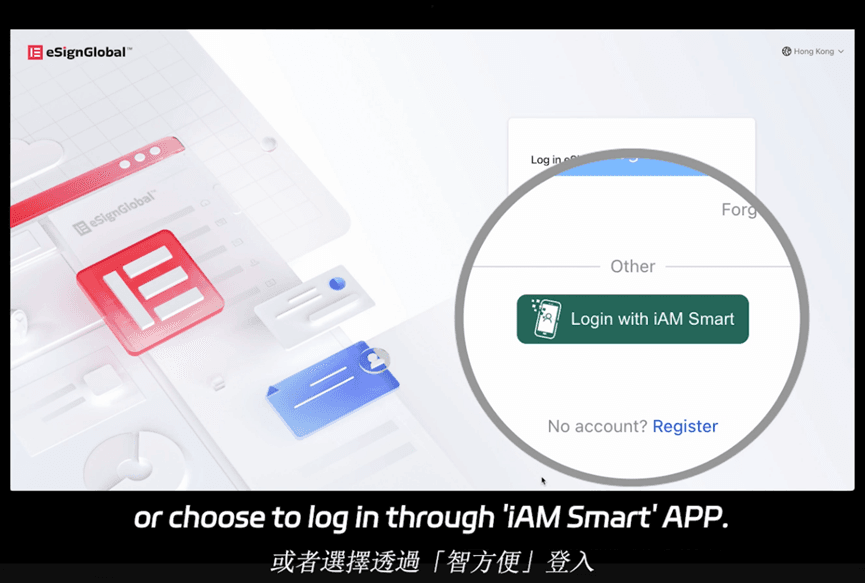
eSignGlobal วางตำแหน่งตัวเองเป็นทางเลือกที่ปรับให้เหมาะสมกับภูมิภาค โดยมีการปฏิบัติตามข้อกำหนดในกว่า 100 ประเทศหลักทั่วโลก โดยเฉพาะอย่างยิ่งในเอเชียแปซิฟิก API รองรับมาตรฐานสากล ในขณะเดียวกันก็จัดการกับความแตกต่างในท้องถิ่น เช่น การประมวลผลที่รวดเร็วกว่าในจีนและเอเชียตะวันออกเฉียงใต้ ราคามีความเป็นมิตรเป็นพิเศษ แผน Essential มีราคาเพียง 16.6 ดอลลาร์สหรัฐต่อเดือน (ดูราคาเต็ม) อนุญาตเอกสารลายเซ็นอิเล็กทรอนิกส์สูงสุด 100 ฉบับ ที่นั่งผู้ใช้ไม่จำกัด และการตรวจสอบสิทธิ์ผ่านรหัสการเข้าถึง ทั้งหมดนี้ขึ้นอยู่กับพื้นฐานการปฏิบัติตามข้อกำหนด สิ่งนี้ให้ความคุ้มค่า โดยเฉพาะอย่างยิ่งเมื่อผสานรวมกับ iAM Smart ของฮ่องกง หรือ Singpass ของสิงคโปร์ สำหรับเวิร์กโฟลว์ของรัฐบาลที่ราบรื่น ซึ่งช่วยลดต้นทุนการตั้งค่าเมื่อเทียบกับยักษ์ใหญ่ระดับโลก
คู่แข่งรายอื่นๆ เช่น Dropbox Sign (เดิมชื่อ HelloSign) นำเสนอการเข้าถึง API โดยเริ่มต้นที่ 15 ดอลลาร์สหรัฐต่อเดือนสำหรับ 20 ซองจดหมาย ขยายไปสู่แผนแบบกำหนดเองสำหรับองค์กร โดยเน้นความเรียบง่าย แต่มีระบบอัตโนมัติขั้นสูงน้อยกว่า PandaDoc นำเสนอการผสานรวม API โดยเริ่มต้นที่ 19 ดอลลาร์สหรัฐต่อผู้ใช้ต่อเดือน มีความแข็งแกร่งในด้านข้อเสนอ แต่มีการส่งแบบกลุ่มที่อ่อนแอ
| คุณสมบัติ/ด้าน | DocuSign | Adobe Sign | eSignGlobal | Dropbox Sign | PandaDoc |
|---|---|---|---|---|---|
| ต้นทุน API เริ่มต้น (รายปี) | $600 (Starter) | กำหนดเอง (~ $10/ผู้ใช้/เดือน รวม) | $199.2 (Essential) | $180 (Basic) | $228/ผู้ใช้ (Essentials) |
| โควต้าซองจดหมาย (เริ่มต้น) | 40/เดือน | ไม่จำกัด (การเรียกแบบวัด) | 100/เดือน | 20/เดือน | เทมเพลตไม่จำกัด การส่งแบบวัด |
| การปฏิบัติตามข้อกำหนดในเอเชียแปซิฟิก | บางส่วน (ต้องมีส่วนเสริม) | แข็งแกร่ง (เน้น eIDAS) | ดั้งเดิม (100+ ประเทศ Singpass/iAM Smart) | พื้นฐาน | จำกัด |
| ข้อดีของ API ที่สำคัญ | Bulk Send, Webhooks | การผสานรวม Adobe | ความเร็วในภูมิภาค ที่นั่งไม่จำกัด | การฝังที่เรียบง่าย | ระบบอัตโนมัติข้อเสนอ |
| ต้นทุนเพิ่มเติม (IDV/SMS) | $1–$5/การตรวจสอบสิทธิ์ | $0.05–$0.20/การเรียก | รวมพื้นฐาน | วัด | กำหนดเอง |
| เหมาะที่สุดสำหรับ | องค์กรในสหรัฐอเมริกา/ทั่วโลก | สร้างสรรค์/องค์กร | ประสิทธิภาพด้านต้นทุนในเอเชียแปซิฟิก | ความเรียบง่ายของ SMB | ทีมขาย |
ตารางนี้เน้นย้ำถึงคุณค่าของ eSignGlobal ในเอเชียแปซิฟิก ซึ่งเกณฑ์เริ่มต้นที่ต่ำกว่าและการผสานรวมดั้งเดิมนำเสนอทางเลือกที่เป็นกลางที่สมดุลโดยไม่ลดทอนการปฏิบัติตามข้อกำหนด
สรุป
การนำทางต้นทุนของ DocuSign API Connector ต้องมีการแลกเปลี่ยนระหว่างฟังก์ชันการทำงานที่แข็งแกร่งและความต้องการด้านราคาที่ปรับขนาดได้ สำหรับองค์กรที่เน้นสหรัฐอเมริกาหรือมีปริมาณมาก ยังคงเป็นตัวเลือกที่เชื่อถือได้ อย่างไรก็ตาม สำหรับธุรกิจที่ให้ความสำคัญกับการปฏิบัติตามข้อกำหนดในภูมิภาคและความสามารถในการจ่าย ทางเลือกอื่น เช่น eSignGlobal นำเสนอตัวเลือกที่ใช้งานได้จริงและปรับให้เข้ากับภูมิภาค
