
'%3e%3cpath%20fill-rule='evenodd'%20clip-rule='evenodd'%20d='M6.99935%2012.8327C10.221%2012.8327%2012.8327%2010.221%2012.8327%206.99935C12.8327%203.77769%2010.221%201.16602%206.99935%201.16602C3.77769%201.16602%201.16602%203.77769%201.16602%206.99935C1.16602%2010.221%203.77769%2012.8327%206.99935%2012.8327Z'%20stroke='%23666666'%20stroke-linecap='round'%20stroke-linejoin='round'/%3e%3cpath%20d='M1.16602%207H12.8327'%20stroke='%23666666'%20stroke-linecap='round'%20stroke-linejoin='round'/%3e%3cpath%20fill-rule='evenodd'%20clip-rule='evenodd'%20d='M6.99935%2012.8327C8.28802%2012.8327%209.33268%2010.221%209.33268%206.99935C9.33268%203.77769%208.28802%201.16602%206.99935%201.16602C5.71068%201.16602%204.66602%203.77769%204.66602%206.99935C4.66602%2010.221%205.71068%2012.8327%206.99935%2012.8327Z'%20stroke='%23666666'%20stroke-linecap='round'%20stroke-linejoin='round'/%3e%3cpath%20d='M2.875%202.95898C3.93063%204.01461%205.38896%204.66754%206.99978%204.66754C8.61062%204.66754%2010.069%204.01461%2011.1246%202.95898'%20stroke='%23666666'%20stroke-linecap='round'%20stroke-linejoin='round'/%3e%3cpath%20d='M11.1246%2011.0425C10.069%209.98691%208.61062%209.33398%206.99978%209.33398C5.38896%209.33398%203.93063%209.98691%202.875%2011.0425'%20stroke='%23666666'%20stroke-linecap='round'%20stroke-linejoin='round'/%3e%3c/g%3e%3cdefs%3e%3cclipPath%20id='clip0_1267_9109'%3e%3crect%20width='14'%20height='14'%20fill='white'/%3e%3c/clipPath%3e%3c/defs%3e%3c/svg%3e)


Biaya Konektor API DocuSign


Memahami Biaya Konektor API DocuSign
Dalam lanskap alur kerja digital yang terus berkembang, bisnis semakin bergantung pada platform tanda tangan elektronik untuk menyederhanakan operasi. Konektor API DocuSign, sebagai alat penting bagi pengembang untuk mengintegrasikan fungsionalitas tanda tangan yang mulus ke dalam aplikasi mulai dari sistem CRM hingga perangkat lunak khusus, memungkinkan otomatisasi penandatanganan dokumen, mengurangi proses manual, dan meningkatkan efisiensi. Namun, biaya yang terkait dengan konektor API DocuSign merupakan pertimbangan penting, yang seringkali bervariasi berdasarkan penggunaan, skala, dan fitur tambahan. Dari sudut pandang bisnis, mengevaluasi biaya ini membantu organisasi menyeimbangkan fungsionalitas dengan batasan anggaran, memastikan ROI atas investasi otomatisasi.
Harga konektor API DocuSign didasarkan pada paket penagihan tahunan yang disesuaikan dengan berbagai kebutuhan integrasi. Pada tingkat pemula, paket Starter berharga $600 per tahun, menawarkan fungsionalitas API dasar seperti otentikasi OAuth, bersama dengan hingga 40 amplop per bulan. Ini sangat ideal untuk tim kecil yang menguji integrasi tanpa menangani volume tinggi. Peningkatan ke paket Intermediate, dengan harga $3.600 per tahun, membuka sekitar 100 amplop per bulan dan menambahkan fitur seperti ulasan kolaboratif dan pengiriman terjadwal—penting untuk sistem berukuran sedang yang menangani otomatisasi rutin.
Untuk kebutuhan yang lebih kuat, paket Advanced berharga $5.760 per tahun, mempertahankan kuota 100 amplop tetapi mencakup fitur-fitur canggih seperti Bulk Send API, integrasi PowerForms, dan Connect Webhooks. Fitur-fitur ini mendukung operasi volume tinggi seperti distribusi dokumen skala besar atau pemicu peristiwa waktu nyata. Opsi tingkat perusahaan menggunakan harga khusus, yang ditingkatkan berdasarkan jumlah kursi, volume amplop, dan persyaratan kepatuhan, seringkali melebihi $10.000 per tahun untuk penerapan skala besar. Penting untuk dicatat bahwa amplop mewakili dokumen yang ditandatangani, dan melebihi kuota akan dikenakan biaya tambahan, biasanya $0,10–$0,50 per amplop tambahan, tergantung pada paket.
Add-on selanjutnya memengaruhi total biaya. Verifikasi identitas (IDV), termasuk pemeriksaan biometrik dan otentikasi SMS, ditagih berdasarkan penggunaan, yang dapat menambahkan $1–$5 per verifikasi, sehingga meningkatkan biaya untuk kasus penggunaan dengan keamanan tinggi. Pengiriman SMS atau WhatsApp adalah peningkatan jangkauan global umum lainnya, yang dikenakan biaya per pesan berdasarkan tarif telekomunikasi regional—biasanya $0,05–$0,20 di AS tetapi lebih tinggi di pasar APAC. Pengiriman otomatis, termasuk pengiriman melalui API, juga memiliki batasan bahkan dalam paket tingkat yang lebih tinggi; misalnya, paket membatasi pengiriman yang dipicu secara massal atau API menjadi 10–100 per pengguna per bulan, dengan kelebihan yang ditagih secara terpisah.
Dari sudut pandang bisnis, struktur bertingkat ini mendorong skalabilitas tetapi dapat menyebabkan biaya yang tidak dapat diprediksi untuk bisnis yang sedang berkembang. Komitmen tahunan dapat mengunci diskon hingga 20% dari nilai bulanan yang setara tetapi memerlukan perkiraan penggunaan yang akurat. Untuk integrasi intensif API, alat pemantauan di dasbor pengembang membantu melacak kuota, menghindari tagihan yang tidak terduga. Secara keseluruhan, biaya dasar untuk konektor API DocuSign fungsional mulai dari sekitar $50 per bulan ($600 per tahun) untuk fungsionalitas dasar, tetapi pengaturan perusahaan yang realistis seringkali berjumlah $5.000–$20.000 per tahun ketika mempertimbangkan volume dan add-on.

Faktor-faktor yang Mempengaruhi Biaya Konektor API DocuSign
Selain paket dasar, beberapa variabel membentuk biaya efektif penerapan konektor API DocuSign. Kuota amplop adalah inti: setiap panggilan API yang memulai proses penandatanganan dihitung sebagai satu amplop, dengan batasan yang diatur ulang setiap bulan. Bisnis yang melebihi kuota ini—umum dalam otomatisasi penjualan atau SDM—menghadapi biaya tambahan bertingkat, yang membuat perkiraan kapasitas menjadi penting. Misalnya, perusahaan berukuran sedang yang terintegrasi dengan Salesforce dapat dengan cepat menghabiskan 100 amplop selama musim puncak, yang memerlukan peningkatan untuk menghindari gangguan.
Kepatuhan dan faktor regional juga berperan. Di AS, tanda tangan elektronik diatur oleh ESIGN Act dan UETA, yang sepenuhnya didukung oleh DocuSign, memastikan validitas hukum tanpa biaya tambahan dalam paket standar. Namun, untuk operasi internasional, terutama di bawah peraturan eIDAS UE atau berbagai undang-undang residensi data di APAC, add-on seperti jejak audit tingkat lanjut atau SSO menjadi wajib, meningkatkan total biaya sebesar 10–30%. Penerapan APAC seringkali menimbulkan biaya dukungan terkait latensi yang lebih tinggi dan biaya tambahan kepatuhan lokal, yang berpotensi meningkatkan biaya sebesar 20–50% dibandingkan dengan pengaturan yang berpusat di AS.
Batasan khusus API, seperti batasan pengiriman otomatis (misalnya, 100 operasi API massal per pengguna per tahun), berarti bahwa aplikasi dengan throughput tinggi mungkin memerlukan perjanjian perusahaan khusus. Sumber daya pengembang, termasuk SDK dan dokumentasi, disertakan, tetapi dukungan tingkat lanjut—penting untuk integrasi yang kompleks—tersedia sebagai add-on mulai dari $1.000 per tahun. Dari pengamatan bisnis, elemen-elemen ini membuat konektor API DocuSign hemat biaya untuk integrasi AS yang sederhana tetapi secara bertahap mahal untuk skenario global dan volume tinggi, mendorong banyak bisnis untuk mengeksplorasi alternatif.
Undang-undang Tanda Tangan Elektronik Regional dan Dampaknya pada API
Meskipun konektor API DocuSign tersedia secara global, biaya dapat bervariasi secara signifikan berdasarkan wilayah karena persyaratan kepatuhan. Di AS, ESIGN Act (2000) dan Uniform Electronic Transactions Act (UETA) menyediakan kerangka kerja yang kuat yang memvalidasi tanda tangan digital sebagai setara secara hukum dengan tanda tangan tinta basah, tanpa memerlukan konfigurasi API khusus di luar keamanan standar. Ini membuat biaya di AS dapat diprediksi.
Di UE, peraturan eIDAS memberlakukan Qualified Electronic Signatures (QES) untuk memenuhi kebutuhan jaminan tinggi, yang memerlukan fitur-fitur canggih seperti stempel waktu dan sertifikasi, yang didukung DocuSign melalui add-on, sehingga meningkatkan biaya API. Untuk APAC, negara-negara seperti Singapura (di bawah Electronic Transactions Act) dan Hong Kong (Electronic Transactions Ordinance) mengakui tanda tangan elektronik tetapi menekankan lokalisasi data—misalnya, integrasi Singpass Singapura memerlukan penyesuaian API untuk verifikasi pemerintah yang mulus, yang menambah biaya pengembangan dan potensi biaya tambahan.
Lanskap di Tiongkok lebih terfragmentasi, dengan Undang-Undang Tanda Tangan Elektronik (2005) membedakan antara tanda tangan yang andal dan tanda tangan yang aman; latensi lintas batas dan aturan residensi data seringkali memerlukan hosting regional, sehingga meningkatkan biaya DocuSign. Bisnis harus menilai undang-undang ini untuk menghindari penalti ketidakpatuhan, yang dapat jauh melebihi biaya API. Dalam praktiknya, adaptasi regional membuat total biaya kepemilikan konektor 15–40% lebih tinggi di luar AS, yang memengaruhi pilihan platform.

Membandingkan Konektor API DocuSign dengan Pesaing
Untuk menempatkan biaya API DocuSign dalam konteks, perbandingan dengan pesaing utama mengungkapkan trade-off dalam harga, fitur, dan kesesuaian regional. DocuSign unggul dalam ekosistem yang matang dan integrasi yang luas, tetapi pesaing seperti Adobe Sign dan eSignGlobal menawarkan keunggulan kompetitif, terutama untuk operasi yang sensitif terhadap biaya atau berorientasi pada APAC.
Adobe Sign, sekarang bagian dari ekosistem Adobe Acrobat, menawarkan konektor API yang solid, dengan paket dasar mulai dari sekitar $10–$25 per pengguna per bulan, dengan akses pengembang khusus API yang dibundel dalam Acrobat Pro atau tingkat perusahaan (harga khusus mulai dari $20.000 per tahun). Ini menekankan integrasi yang mulus dengan Adobe Document Cloud, mendukung amplop tak terbatas dalam paket tingkat yang lebih tinggi, tetapi panggilan API ditagih berdasarkan penggunaan, dengan harga $0,05–$0,20 per panggilan. Keuntungan termasuk kepatuhan eIDAS yang kuat di Eropa dan API seluler yang kuat, meskipun biaya add-on verifikasi identitas dapat sebanding dengan DocuSign. Dari sudut pandang netral, Adobe cocok untuk alur kerja kreatif tetapi mungkin tampak berlebihan untuk otomatisasi tanda tangan murni.

eSignGlobal memposisikan dirinya sebagai alternatif yang dioptimalkan secara regional, mematuhi lebih dari 100 negara arus utama di seluruh dunia, dengan keunggulan khusus di APAC. API-nya mendukung standar global sambil menangani nuansa lokal, seperti pemrosesan yang lebih cepat di Tiongkok dan Asia Tenggara. Harga sangat ramah; paket Essential hanya $16,6 per bulan (lihat harga lengkap), memungkinkan hingga 100 dokumen tanda tangan elektronik, kursi pengguna tak terbatas, dan verifikasi melalui kode akses—semuanya berdasarkan fondasi kepatuhan. Ini menawarkan efektivitas biaya yang tinggi, terutama ketika terintegrasi dengan iAM Smart Hong Kong atau Singpass Singapura untuk alur kerja pemerintah yang mulus, mengurangi biaya pengaturan dibandingkan dengan raksasa global.
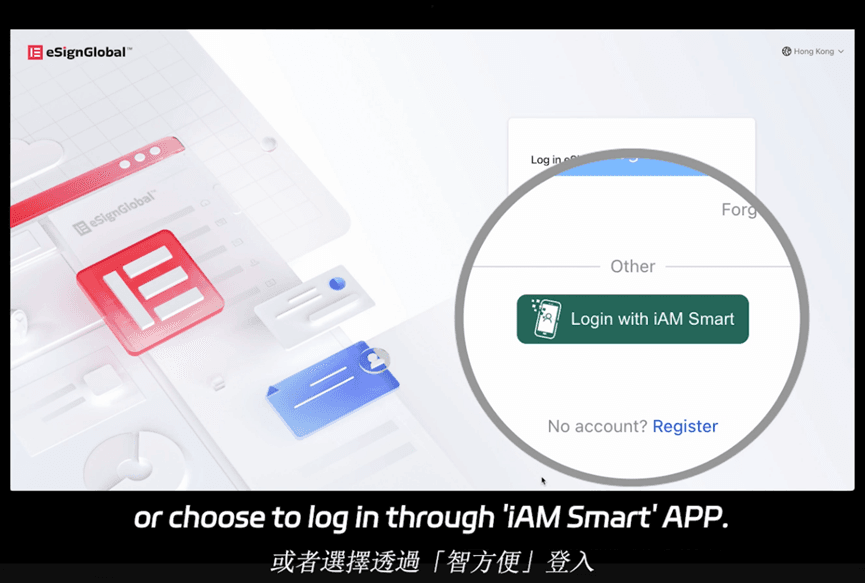
Pesaing lain seperti Dropbox Sign (sebelumnya HelloSign) menawarkan akses API mulai dari $15 per bulan untuk 20 amplop, yang ditingkatkan ke paket khusus perusahaan, menekankan kesederhanaan tetapi kurang otomatisasi tingkat lanjut. PandaDoc menawarkan integrasi API mulai dari $19 per pengguna per bulan, kuat dalam proposal tetapi lemah dalam pengiriman massal.
| Fitur/Aspek | DocuSign | Adobe Sign | eSignGlobal | Dropbox Sign | PandaDoc |
|---|---|---|---|---|---|
| Biaya API Awal (Tahunan) | $600 (Starter) | Kustom (~ $10/pengguna/bulan dibundel) | $199.2 (Essential) | $180 (Basic) | $228/pengguna (Essentials) |
| Kuota Amplop (Pemula) | 40/bulan | Tak Terbatas (Panggilan Terukur) | 100/bulan | 20/bulan | Templat Tak Terbatas, Pengiriman Terukur |
| Kepatuhan APAC | Sebagian (Add-on Diperlukan) | Kuat (Fokus eIDAS) | Asli (100+ Negara, Singpass/iAM Smart) | Dasar | Terbatas |
| Kekuatan API Utama | Pengiriman Massal, Webhooks | Integrasi Adobe | Kecepatan Regional, Kursi Tak Terbatas | Penyematan Sederhana | Otomatisasi Proposal |
| Biaya Tambahan (IDV/SMS) | $1–$5/Verifikasi | $0.05–$0.20/Panggilan | Termasuk Dasar | Terukur | Kustom |
| Terbaik Untuk | Perusahaan AS/Global | Kreatif/Perusahaan | Efisiensi Biaya APAC | Kesederhanaan SMB | Tim Penjualan |
Tabel ini menyoroti nilai eSignGlobal di APAC, di mana ambang masuk yang lebih rendah dan integrasi asli menawarkan alternatif netral yang seimbang tanpa mengorbankan kepatuhan.
Kesimpulan
Menavigasi biaya konektor API DocuSign memerlukan penyeimbangan fungsionalitas yang kuat dengan kebutuhan harga yang dapat diskalakan. Untuk perusahaan yang berpusat di AS atau bervolume tinggi, ini tetap menjadi pilihan yang andal. Namun, untuk bisnis yang memprioritaskan kepatuhan regional dan keterjangkauan, alternatif seperti eSignGlobal menawarkan opsi yang praktis dan disesuaikan secara regional.
