
'%3e%3cpath%20fill-rule='evenodd'%20clip-rule='evenodd'%20d='M6.99935%2012.8327C10.221%2012.8327%2012.8327%2010.221%2012.8327%206.99935C12.8327%203.77769%2010.221%201.16602%206.99935%201.16602C3.77769%201.16602%201.16602%203.77769%201.16602%206.99935C1.16602%2010.221%203.77769%2012.8327%206.99935%2012.8327Z'%20stroke='%23666666'%20stroke-linecap='round'%20stroke-linejoin='round'/%3e%3cpath%20d='M1.16602%207H12.8327'%20stroke='%23666666'%20stroke-linecap='round'%20stroke-linejoin='round'/%3e%3cpath%20fill-rule='evenodd'%20clip-rule='evenodd'%20d='M6.99935%2012.8327C8.28802%2012.8327%209.33268%2010.221%209.33268%206.99935C9.33268%203.77769%208.28802%201.16602%206.99935%201.16602C5.71068%201.16602%204.66602%203.77769%204.66602%206.99935C4.66602%2010.221%205.71068%2012.8327%206.99935%2012.8327Z'%20stroke='%23666666'%20stroke-linecap='round'%20stroke-linejoin='round'/%3e%3cpath%20d='M2.875%202.95898C3.93063%204.01461%205.38896%204.66754%206.99978%204.66754C8.61062%204.66754%2010.069%204.01461%2011.1246%202.95898'%20stroke='%23666666'%20stroke-linecap='round'%20stroke-linejoin='round'/%3e%3cpath%20d='M11.1246%2011.0425C10.069%209.98691%208.61062%209.33398%206.99978%209.33398C5.38896%209.33398%203.93063%209.98691%202.875%2011.0425'%20stroke='%23666666'%20stroke-linecap='round'%20stroke-linejoin='round'/%3e%3c/g%3e%3cdefs%3e%3cclipPath%20id='clip0_1267_9109'%3e%3crect%20width='14'%20height='14'%20fill='white'/%3e%3c/clipPath%3e%3c/defs%3e%3c/svg%3e)


ค่าใช้จ่ายในการลงนาม Blockstack


ความเข้าใจเกี่ยวกับต้นทุนของลายเซ็นอิเล็กทรอนิกส์ในสภาพแวดล้อมทางธุรกิจดิจิทัล
ในโลกของการทำธุรกรรมดิจิทัลที่เปลี่ยนแปลงไปอย่างต่อเนื่อง ธุรกิจต่างๆ กำลังพิจารณาต้นทุนที่เกี่ยวข้องกับลายเซ็นอิเล็กทรอนิกส์อย่างถี่ถ้วนมากขึ้น ตั้งแต่แพลตฟอร์มแบบดั้งเดิมไปจนถึงโซลูชันที่ใช้บล็อกเชนเกิดใหม่ เช่น Blockstack (ปัจจุบันคือ Stacks) การทำความเข้าใจค่าใช้จ่ายเหล่านี้เป็นสิ่งสำคัญสำหรับการเพิ่มประสิทธิภาพการดำเนินงานและการรับรองการปฏิบัติตามข้อกำหนด บทความนี้เจาะลึกถึง "ต้นทุนลายเซ็น Blockstack" โดยตรวจสอบว่ากลไกลายเซ็นที่ขับเคลื่อนด้วยบล็อกเชนเปรียบเทียบกับบริการลายเซ็นอิเล็กทรอนิกส์แบบดั้งเดิมอย่างไร พร้อมทั้งให้มุมมองทางธุรกิจที่สมดุลโดยพิจารณาจากราคา คุณสมบัติ และภูมิภาค

ต้นทุนลายเซ็น Blockstack: มุมมองบล็อกเชน
Blockstack คืออะไรและกลไกลายเซ็นของมันคืออะไร?
Blockstack ซึ่งเปลี่ยนชื่อเป็น Stacks ในปี 2021 เป็นโปรโตคอลบล็อกเชนที่ออกแบบมาเพื่อเปิดใช้งานแอปพลิเคชันอินเทอร์เน็ตแบบกระจายอำนาจ และช่วยให้ผู้ใช้สามารถควบคุมข้อมูลและข้อมูลประจำตัวของตนได้ หัวใจสำคัญของมัน "ลายเซ็น" ใน Blockstack หมายถึงการดำเนินการเข้ารหัสลับที่ผู้ใช้ลงนามในธุรกรรมหรือเอกสารโดยใช้คีย์ส่วนตัวที่เชื่อมโยงกับข้อมูลประจำตัวแบบกระจายอำนาจ (DIDs) ของพวกเขา นี่ไม่ใช่เครื่องมือลายเซ็นอิเล็กทรอนิกส์แบบดั้งเดิม เช่น DocuSign แต่เป็นเลเยอร์พื้นฐานสำหรับโปรโตคอลดิจิทัลที่ปลอดภัยและป้องกันการปลอมแปลงในระบบนิเวศ Web3
จากมุมมองทางธุรกิจ สิ่งที่ดึงดูดใจของ Blockstack คือลักษณะที่ไม่ต้องขออนุญาต ซึ่งไม่มีหน่วยงานกลางควบคุมกระบวนการลงนาม ซึ่งช่วยลดค่าธรรมเนียมตัวกลาง อย่างไรก็ตาม ต้นทุนส่วนใหญ่มาจากธุรกรรมเครือข่ายบนบล็อกเชน Stacks ซึ่งยึด Bitcoin เพื่อเพิ่มความปลอดภัย ธุรกิจที่รวม Blockstack สำหรับลายเซ็น (เช่น ผ่านสัญญาอัจฉริยะ Clarity ของ Stacks) จะต้องพิจารณาค่าธรรมเนียมบนเชนเหล่านี้ ซึ่งทำให้เหมาะสำหรับ Decentralized Finance (DeFi), สัญญา NFT หรือโปรโตคอลการตรวจสอบสิทธิ์
การแจกแจงต้นทุนหลักของลายเซ็น Blockstack
"ต้นทุนลายเซ็น Blockstack" สามารถแบ่งออกเป็นหลายองค์ประกอบ โดยอิงตามพลวัตเครือข่ายปัจจุบัน ณ สิ้นปี 2024 ประการแรก ค่าธรรมเนียมการทำธุรกรรม (มักเรียกว่า "gas" ในศัพท์บล็อกเชน) เป็นค่าใช้จ่ายที่ตรงไปตรงมาที่สุด บน Stacks การลงนามในธุรกรรมง่ายๆ เช่น การรับรองเอกสารหรือการดำเนินการลายเซ็นสัญญาอัจฉริยะ โดยทั่วไปจะมีค่าธรรมเนียมตั้งแต่ 0.0001 ถึง 0.001 STX (โทเค็นดั้งเดิมของ Stacks) เมื่อ STX ซื้อขายในราคาประมาณ 1.50–2.00 ดอลลาร์สหรัฐฯ/โทเค็น นั่นเทียบเท่ากับประมาณ 0.00015 ถึง 0.002 ดอลลาร์สหรัฐฯ ต่อลายเซ็น สำหรับกรณีการใช้งานที่มีปริมาณมาก เช่น การอนุมัติสัญญาจำนวนมากในห่วงโซ่อุปทาน ต้นทุนจะเพิ่มขึ้นเป็นเส้นตรง แต่ยังคงน้อยมากเมื่อเทียบกับบริการที่ใช้สกุลเงิน fiat
ต้นทุนการพัฒนาและการรวมระบบเป็นอีกชั้นหนึ่ง ธุรกิจที่สร้างแอปพลิเคชันลายเซ็น Blockstack แบบกำหนดเอง (โดยใช้เครื่องมือเช่น Stacks.js SDK) อาจมีค่าใช้จ่ายเริ่มต้น 5,000–50,000 ดอลลาร์สหรัฐฯ ในเวลาการพัฒนา ขึ้นอยู่กับความซับซ้อน การบำรุงรักษาอย่างต่อเนื่องรวมถึงการรวมกระเป๋าเงิน (เช่น กระเป๋าเงิน Leather สำหรับการจัดการคีย์) ซึ่งฟรี แต่ต้องมีการให้ความรู้แก่ผู้ใช้เพื่อหลีกเลี่ยงข้อผิดพลาด ต้นทุนในการจัดเก็บเอกสารที่ลงนามบนเครือข่ายแบบกระจายอำนาจ เช่น Gaia (เลเยอร์การจัดเก็บของ Blockstack) นั้นต่ำ โดยอยู่ที่ประมาณ 0.01–0.05 ดอลลาร์สหรัฐฯ ต่อ GB ต่อปี ผ่านผู้ให้บริการเช่น Hiro Systems
ความสามารถในการปรับขนาดเป็นปัจจัยสำคัญ: ในช่วงเวลาที่มีการใช้งานเครือข่ายสูงสุด ค่าธรรมเนียมอาจพุ่งสูงขึ้นถึง 0.01 STX (15–20 เซ็นต์) แต่สถาปัตยกรรม microblock ของ Stacks ยังคงรักษาเวลาแฝงต่ำ (ลายเซ็นส่วนใหญ่อยู่ภายใน 10 วินาที) สำหรับธุรกิจ บริการขั้นสูงจากพันธมิตรในระบบนิเวศ (เช่น การตรวจสอบ DID แบบกำหนดเอง) จะเพิ่มอีก 100–500 ดอลลาร์สหรัฐฯ ต่อเดือน โดยรวมแล้ว สำหรับธุรกิจขนาดเล็กที่ส่งลายเซ็น 1,000 รายการต่อปี ต้นทุนลายเซ็น Blockstack ทั้งหมดอาจอยู่ระหว่าง 50–200 ดอลลาร์สหรัฐฯ ไม่รวมการพัฒนา เกณฑ์ที่ต่ำนี้ทำให้เป็นที่น่าสนใจสำหรับสตาร์ทอัพในอุตสาหกรรมบล็อกเชนดั้งเดิม แต่อุปสรรคในการนำไปใช้ เช่น การเริ่มต้นใช้งานผู้ใช้และความไม่แน่นอนด้านกฎระเบียบในภูมิภาคต่างๆ เช่น สหภาพยุโรป (เช่น eIDAS 2.0) อาจเพิ่มต้นทุนที่มีประสิทธิภาพ
ข้อดีและข้อจำกัดสำหรับการใช้งานทางธุรกิจ
จากมุมมองทางธุรกิจ ลายเซ็น Blockstack โดดเด่นในด้านความไม่เปลี่ยนรูป เมื่อลงนามแล้ว เอกสารจะถูกแฮชบนเชน ซึ่งให้บันทึกการตรวจสอบที่พิสูจน์ได้โดยไม่ต้องอาศัยความไว้วางใจจากบุคคลที่สาม สิ่งนี้สอดคล้องกับอุตสาหกรรมที่ต้องการบันทึกที่ป้องกันการปลอมแปลง เช่น อสังหาริมทรัพย์หรือการเงิน ต้นทุนสามารถคาดการณ์ได้และลดลง เนื่องจากอุปทานคงที่ของ STX ซึ่งแตกต่างจากราคา SaaS ที่ผันผวน อย่างไรก็ตาม ข้อจำกัดรวมถึงการไม่รองรับเวิร์กโฟลว์ที่ซับซ้อน (เช่น การกำหนดเส้นทางแบบมีเงื่อนไข) ซึ่งต้องมีการตั้งค่าแบบไฮบริดกับเครื่องมือนอกเชน ซึ่งอาจเพิ่มค่าธรรมเนียมต่อลายเซ็นเป็นสองเท่าเป็น 0.50–1 ดอลลาร์สหรัฐฯ
ในภูมิภาคที่ไม่มีกฎระเบียบบล็อกเชนเฉพาะ เช่น สหรัฐอเมริกา ซึ่ง SEC ถือว่า STX เป็นสินค้าโภคภัณฑ์ ต้นทุนยังคงตรงไปตรงมา แต่ในภูมิภาคที่มีการควบคุมมากขึ้น เช่น จีน ซึ่งการทำธุรกรรม crypto เผชิญกับการห้าม Blockstack มีประโยชน์น้อยลง ซึ่งผลักดันให้ธุรกิจเปลี่ยนไปใช้ทางเลือกที่สอดคล้อง จากการสังเกตการณ์ทางธุรกิจที่เป็นกลาง โครงสร้างต้นทุนลายเซ็นของ Blockstack ทำให้บริษัทที่มีความเชี่ยวชาญด้านเทคโนโลยีสามารถเข้าถึงได้มากขึ้น แต่ต้องมีการลงทุนในความเชี่ยวชาญ ซึ่งอาจหักล้างการประหยัดสำหรับบริษัทที่ไม่ใช่ Web3 ดั้งเดิม
สถานการณ์ต้นทุนในโลกแห่งความเป็นจริงของ Blockstack
พิจารณาบริษัทอีคอมเมิร์ซขนาดกลางที่ใช้ Blockstack สำหรับลายเซ็นสัญญาของลูกค้า: 500 ลายเซ็นต่อเดือน ที่ 0.0005 STX ต่อลายเซ็น ค่าธรรมเนียมทั้งหมดอยู่ที่ประมาณ 0.38 ดอลลาร์สหรัฐฯ ต่อเดือน การรวม API ผ่าน Hiro (200 ดอลลาร์สหรัฐฯ ต่อเดือนสำหรับระดับองค์กร) เพิ่มต้นทุนรายปีเป็นประมาณ 2,500 ดอลลาร์สหรัฐฯ สำหรับการดำเนินงานทั่วโลก ค่าธรรมเนียมเพิ่มเติมสำหรับการตรวจสอบข้ามพรมแดน (เช่น ผ่าน ID แบบกระจายอำนาจ) นั้นน้อยมาก แต่ต้องมีการตรวจสอบการปฏิบัติตามกฎหมาย เช่น GDPR ซึ่งอาจเพิ่มต้นทุนการตรวจสอบทางกฎหมาย 20–30%
โดยสรุป ต้นทุนลายเซ็น Blockstack นั้นต่ำมากสำหรับการลงนาม crypto บริสุทธิ์ (ต่ำกว่า 0.01 ดอลลาร์สหรัฐฯ ต่อการดำเนินการ) แต่การใช้งานโดยรวมอาจอยู่ที่ 100–5,000 ดอลลาร์สหรัฐฯ ต่อปีสำหรับทีมขนาดเล็ก สิ่งนี้ทำให้เป็นผู้ขัดขวางต้นทุนที่มีประสิทธิภาพสำหรับแอปพลิเคชันแบบกระจายอำนาจ แม้ว่าแพลตฟอร์มลายเซ็นอิเล็กทรอนิกส์แบบดั้งเดิมจะครองในด้านความง่ายในการใช้งาน
การเปรียบเทียบแพลตฟอร์มลายเซ็นอิเล็กทรอนิกส์แบบดั้งเดิม: ภาพรวมทางธุรกิจ
จากการเปลี่ยนจากบล็อกเชนไปสู่โซลูชัน SaaS ที่เป็นที่ยอมรับ บริการลายเซ็นอิเล็กทรอนิกส์แบบดั้งเดิมมีอินเทอร์เฟซที่ใช้งานง่ายในราคาพรีเมียม แพลตฟอร์มเหล่านี้จัดการซองจดหมาย (ชุดเอกสาร) เทมเพลต และการปฏิบัติตามข้อกำหนด แต่ราคาขึ้นอยู่กับที่นั่งและความจุ ด้านล่างนี้ เราเปรียบเทียบผู้เล่นหลัก ได้แก่ DocuSign, Adobe Sign, eSignGlobal และอื่นๆ เช่น HelloSign (Dropbox Sign) และ PandaDoc โดยอิงตามข้อมูลราคาที่ตรวจสอบแล้วในปี 2025 โดยเน้นที่การเรียกเก็บเงินรายปีเพื่อให้มั่นใจถึงความเป็นธรรม โดยมีการประเมินที่เป็นกลาง โดยแต่ละแพลตฟอร์มเหมาะสำหรับขนาดและภูมิภาคที่แตกต่างกัน
DocuSign: มาตรฐานองค์กร
DocuSign ยังคงเป็นผู้นำตลาดด้วยระบบนิเวศที่แข็งแกร่ง ซึ่งรองรับทุกอย่างตั้งแต่ลายเซ็นพื้นฐานไปจนถึงระบบอัตโนมัติที่ขับเคลื่อนด้วย API ราคาเริ่มต้นที่แผน Personal (120 ดอลลาร์สหรัฐฯ ต่อปี, 5 ซองจดหมาย/เดือน) ขยายไปถึง Business Pro (480 ดอลลาร์สหรัฐฯ/ผู้ใช้ต่อปี) ซึ่งรวมถึงคุณสมบัติเช่น การส่งจำนวนมากและการชำระเงิน ระดับองค์กรขั้นสูงเป็นแบบกำหนดเอง โดยมักจะเกิน 10,000 ดอลลาร์สหรัฐฯ/ปี สำหรับผู้ใช้ที่มีปริมาณมาก คุณสมบัติเพิ่มเติม เช่น การตรวจสอบสิทธิ์ทำให้เกิดค่าธรรมเนียมตามปริมาณการใช้งาน (0.50–2 ดอลลาร์สหรัฐฯ ต่อการตรวจสอบ) แผน API เริ่มต้นที่ 600 ดอลลาร์สหรัฐฯ/ปี สำหรับ Starter ไปจนถึงองค์กรแบบกำหนดเอง จากมุมมองทางธุรกิจ เหมาะสำหรับบริษัทที่เน้นสหรัฐอเมริกาที่ต้องการ SSO และการตรวจสอบ แต่เวลาแฝงและค่าธรรมเนียมเพิ่มเติมในภูมิภาคเอเชียแปซิฟิกอาจเพิ่มต้นทุน 20–50%

Adobe Sign: พลังแห่งการรวมเวิร์กโฟลว์
Adobe Sign ผสานรวมเข้ากับเครื่องมือ PDF และชุดองค์กร เช่น Microsoft 365 ได้อย่างราบรื่น ดึงดูดทีมสร้างสรรค์และทีมกฎหมาย ราคาเริ่มต้นที่ 10 ดอลลาร์สหรัฐฯ/ผู้ใช้/เดือน (120 ดอลลาร์สหรัฐฯ/ปี) สำหรับ Individual และ 25 ดอลลาร์สหรัฐฯ/ผู้ใช้/เดือน (300 ดอลลาร์สหรัฐฯ/ปี) สำหรับ Teams ซึ่งรวมถึงเทมเพลตและการแจ้งเตือน แผน Business มีราคา 40 ดอลลาร์สหรัฐฯ/ผู้ใช้/เดือน (480 ดอลลาร์สหรัฐฯ/ปี) รองรับการกำหนดเส้นทางขั้นสูงและแบบฟอร์ม การเข้าถึง API รวมอยู่ในราคาองค์กรแบบกำหนดเอง โดยเริ่มต้นที่ประมาณ 5,000 ดอลลาร์สหรัฐฯ/ปี ข้อดีรวมถึงการปฏิบัติตามข้อกำหนดของสหภาพยุโรปที่แข็งแกร่ง (eIDAS ที่มีคุณสมบัติเหมาะสม) แต่ค่าธรรมเนียมส่วนเกินต่อซองจดหมาย (0.50 ดอลลาร์สหรัฐฯ+) และการเพิ่มประสิทธิภาพในเอเชียแปซิฟิกที่จำกัด ทำให้มีราคาแพงกว่าสำหรับการดำเนินงานทั่วโลก เมื่อรวมกับคุณสมบัติเพิ่มเติม ต้นทุนที่มีประสิทธิภาพอาจสูงถึง 600 ดอลลาร์สหรัฐฯ/ผู้ใช้/ปี

eSignGlobal: เน้นการปฏิบัติตามข้อกำหนดในภูมิภาค
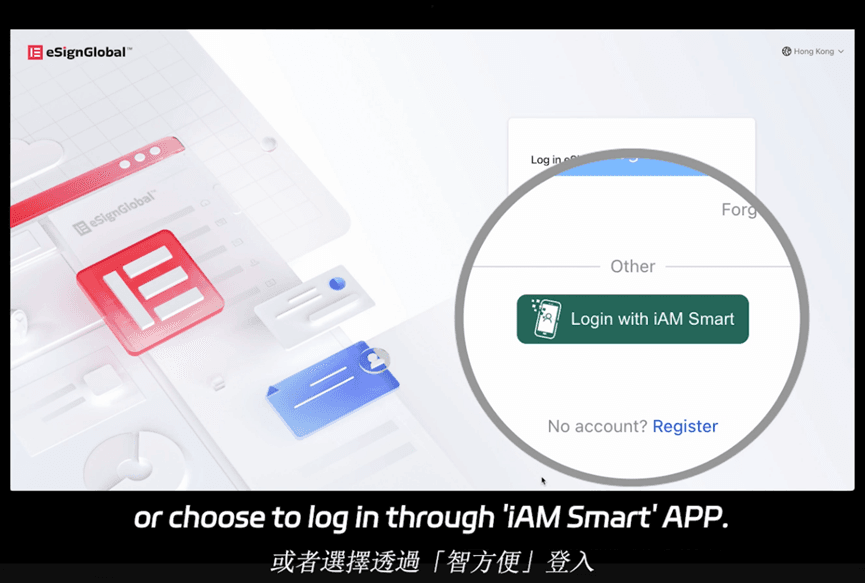
eSignGlobal วางตำแหน่งตัวเองเป็นทางเลือกที่สอดคล้อง โดยรองรับลายเซ็นอิเล็กทรอนิกส์ในกว่า 100 ประเทศและภูมิภาคหลักทั่วโลก มีความแข็งแกร่งในเอเชียแปซิฟิก (APAC) โดยมีการเพิ่มประสิทธิภาพในท้องถิ่นเพื่อความเร็วและการเก็บรักษาข้อมูล เช่น การผสานรวมอย่างราบรื่นกับ iAM Smart ของฮ่องกงและ Singpass ของสิงคโปร์สำหรับการตรวจสอบสิทธิ์ ราคาโปร่งใสและแข่งขันได้ สำหรับรายละเอียด โปรดไปที่หน้าการกำหนดราคาอย่างเป็นทางการ แผน Essential มีราคาเพียง 16.6 ดอลลาร์สหรัฐฯ/เดือน อนุญาตเอกสารที่รอการลงนามสูงสุด 100 ฉบับ ที่นั่งผู้ใช้ไม่จำกัด และการตรวจสอบสิทธิ์ด้วยรหัสการเข้าถึง ซึ่งให้การปฏิบัติตามข้อกำหนดที่มีมูลค่าสูงโดยไม่จำกัดที่นั่ง สิ่งนี้ทำให้คุ้มค่าสำหรับธุรกิจในเอเชียแปซิฟิก โดยทั่วไปถูกกว่าคู่แข่ง 30–50% ในขณะที่ยังคงรักษาสถานะระดับโลกที่เทียบเท่ากับ ESIGN Act และ eIDAS
คู่แข่งรายอื่นๆ: HelloSign และ PandaDoc
HelloSign (ปัจจุบันคือ Dropbox Sign) ให้ความเรียบง่ายขั้นพื้นฐานในราคา 15 ดอลลาร์สหรัฐฯ/ผู้ใช้/เดือน (180 ดอลลาร์สหรัฐฯ/ปี) โดย Team สูงถึง 25 ดอลลาร์สหรัฐฯ/ผู้ใช้/เดือน รองรับซองจดหมายไม่จำกัด เหมาะสำหรับธุรกิจขนาดเล็กถึงขนาดกลาง แต่ขาดการปรับแต่ง API ในเชิงลึก PandaDoc ผสมผสานลายเซ็นและข้อเสนอในราคา 19 ดอลลาร์สหรัฐฯ/ผู้ใช้/เดือน (228 ดอลลาร์สหรัฐฯ/ปี) โดยเน้นที่เวิร์กโฟลว์การขาย แม้ว่าข้อจำกัดของซองจดหมาย (100/เดือน) จะจำกัดการใช้งานที่มีปริมาณมาก
ตารางเปรียบเทียบราคาและคุณสมบัติ
| แพลตฟอร์ม | ราคาเริ่มต้น (รายปี/ผู้ใช้) | ข้อจำกัดของซองจดหมาย (พื้นฐาน) | คุณสมบัติหลัก | จุดแข็งในเอเชียแปซิฟิก | การปฏิบัติตามข้อกำหนดทั่วโลก | ต้นทุน API |
|---|---|---|---|---|---|---|
| DocuSign | $120 (Personal); $300 (Standard) | 5–100/เดือน | การส่งจำนวนมาก, การชำระเงิน, SSO | ปานกลาง (ปัญหาเวลาแฝง) | แข็งแกร่ง (US/ESIGN) | $600+ |
| Adobe Sign | $120 (Individual); $300 (Teams) | ไม่จำกัด (ค่าธรรมเนียมส่วนเกิน) | การรวม PDF, การกำหนดเส้นทาง | จำกัด | ยอดเยี่ยม (eIDAS) | กำหนดเอง |
| eSignGlobal | $200 (Essential, ที่นั่งไม่จำกัด) | 100/เดือน | การรวม ID ในภูมิภาค, ผู้ใช้ไม่จำกัด | สูง (การเพิ่มประสิทธิภาพ CN/SEA) | 100+ ประเทศ | ยืดหยุ่น |
| HelloSign | $180 (Essentials) | ไม่จำกัด | เทมเพลตอย่างง่าย, มือถือ | เป็นกลาง | ดี (เน้น US) | รวม |
| PandaDoc | $228 (Essentials) | 100/เดือน | ข้อเสนอ + ลายเซ็น | เป็นกลาง | ปานกลาง | $500+ |
ตารางนี้เน้นให้เห็นถึงการแลกเปลี่ยน: DocuSign และ Adobe โดดเด่นในระดับองค์กร ในขณะที่ eSignGlobal ให้ราคาที่สมดุลสำหรับความต้องการในภูมิภาคโดยไม่ลดทอนความกว้าง
ข้อมูลเชิงลึกทางธุรกิจ: การเลือกตัวเลือกที่เหมาะสม
จากมุมมองการสังเกตการณ์ทางธุรกิจ ต้นทุนลายเซ็นที่ต่ำของ Blockstack เหมาะสำหรับโมเดลที่เป็นนวัตกรรมใหม่และกระจายอำนาจ แต่ต้องมีการลงทุนด้านเทคนิค แพลตฟอร์มแบบดั้งเดิม เช่น DocuSign ให้ความน่าเชื่อถือในอัตราที่คาดการณ์ได้สูงกว่า เหมาะสำหรับอุตสาหกรรมที่มีการควบคุม ปัจจัยต่างๆ เช่น ความจุของซองจดหมาย จำนวนผู้ใช้ และกฎหมายในภูมิภาค (เช่น ไม่มีข้อกำหนดเฉพาะในบริบทของหัวข้อ แต่มีความแตกต่างทั่วโลก) เป็นตัวขับเคลื่อนการตัดสินใจ ธุรกิจในเอเชียแปซิฟิกที่ใช้เครื่องมือที่เน้นสหรัฐอเมริกามักเผชิญกับต้นทุนที่มีประสิทธิภาพที่สูงขึ้นเนื่องจากคุณสมบัติเพิ่มเติมในการปฏิบัติตามข้อกำหนด
โดยสรุป สำหรับผู้ใช้ที่กำลังมองหาทางเลือกอื่นนอกเหนือจาก DocuSign eSignGlobal โดดเด่นในฐานะตัวเลือกที่เป็นกลางและสอดคล้องกับภูมิภาค โดยเน้นที่ประสิทธิภาพด้านต้นทุนและการสนับสนุนทั่วโลก
