
'%3e%3cpath%20fill-rule='evenodd'%20clip-rule='evenodd'%20d='M6.99935%2012.8327C10.221%2012.8327%2012.8327%2010.221%2012.8327%206.99935C12.8327%203.77769%2010.221%201.16602%206.99935%201.16602C3.77769%201.16602%201.16602%203.77769%201.16602%206.99935C1.16602%2010.221%203.77769%2012.8327%206.99935%2012.8327Z'%20stroke='%23666666'%20stroke-linecap='round'%20stroke-linejoin='round'/%3e%3cpath%20d='M1.16602%207H12.8327'%20stroke='%23666666'%20stroke-linecap='round'%20stroke-linejoin='round'/%3e%3cpath%20fill-rule='evenodd'%20clip-rule='evenodd'%20d='M6.99935%2012.8327C8.28802%2012.8327%209.33268%2010.221%209.33268%206.99935C9.33268%203.77769%208.28802%201.16602%206.99935%201.16602C5.71068%201.16602%204.66602%203.77769%204.66602%206.99935C4.66602%2010.221%205.71068%2012.8327%206.99935%2012.8327Z'%20stroke='%23666666'%20stroke-linecap='round'%20stroke-linejoin='round'/%3e%3cpath%20d='M2.875%202.95898C3.93063%204.01461%205.38896%204.66754%206.99978%204.66754C8.61062%204.66754%2010.069%204.01461%2011.1246%202.95898'%20stroke='%23666666'%20stroke-linecap='round'%20stroke-linejoin='round'/%3e%3cpath%20d='M11.1246%2011.0425C10.069%209.98691%208.61062%209.33398%206.99978%209.33398C5.38896%209.33398%203.93063%209.98691%202.875%2011.0425'%20stroke='%23666666'%20stroke-linecap='round'%20stroke-linejoin='round'/%3e%3c/g%3e%3cdefs%3e%3cclipPath%20id='clip0_1267_9109'%3e%3crect%20width='14'%20height='14'%20fill='white'/%3e%3c/clipPath%3e%3c/defs%3e%3c/svg%3e)


Rocket Lawyer è più economico di DocuSign?


Rocket Lawyer è più economico di DocuSign? Una prospettiva aziendale
Nel panorama competitivo dei servizi di firma digitale e documenti legali, le aziende spesso valutano costi e funzionalità quando scelgono piattaforme come Rocket Lawyer e DocuSign. Con l'espansione delle operazioni aziendali, soprattutto in ambienti di lavoro remoti e ibridi, le firme elettroniche sono diventate una necessità per semplificare contratti, accordi e conformità. Questo articolo esamina se Rocket Lawyer offre un'opzione più conveniente rispetto a DocuSign, basandosi su dati di prezzi verificati provenienti dal 2025. Analizzeremo i loro modelli di prezzo, le funzionalità e le proposte di valore per aiutare il tuo processo decisionale da un punto di vista aziendale neutrale.

Comprendere le offerte principali
Rocket Lawyer: una piattaforma di servizi legali con firma integrata
Rocket Lawyer si posiziona come un kit di strumenti legali all-in-one piuttosto che come uno strumento di firma elettronica autonomo. È stato fondato per democratizzare l'accesso all'assistenza legale, rivolgendosi a piccole imprese, liberi professionisti e privati che necessitano di documenti legali, consulenza e funzionalità di firma elettronica su richiesta. La forza della piattaforma risiede nella sua libreria di modelli personalizzabili per contratti, testamenti e moduli aziendali, abbinata a consulenza legale e funzionalità di firma elettronica.
Da un punto di vista aziendale, il modello di Rocket Lawyer attrae gli utenti che desiderano integrare il supporto legale senza dover mettere insieme più strumenti. Tuttavia, le sue funzionalità di firma elettronica sono più basilari rispetto alle piattaforme specializzate, concentrandosi sull'esecuzione semplice dei documenti piuttosto che su flussi di lavoro avanzati come l'invio in blocco o il routing condizionale.
DocuSign: leader aziendale nella firma elettronica
DocuSign, pioniere della firma elettronica dal 2003, domina il mercato con soluzioni robuste e scalabili adatte a esigenze di firma ad alto volume. È ampiamente utilizzato dalle aziende per tutto, dai contratti di vendita all'onboarding delle risorse umane, enfatizzando la sicurezza, la conformità (ad esempio, ESIGN Act, eIDAS) e l'integrazione con sistemi CRM come Salesforce.
Le aziende apprezzano l'affidabilità di DocuSign nei settori regolamentati come la finanza e la sanità, ma i suoi prezzi possono aumentare con componenti aggiuntivi e livelli di utilizzo. Secondo i dati sui prezzi del 2025, i piani di DocuSign si basano su posti e limiti di buste (una "busta" si riferisce a un pacchetto di documenti per la firma), adatti ai team ma potenzialmente costosi per gli utenti a basso volume.

Confronto dettagliato dei prezzi: Rocket Lawyer vs. DocuSign
Per rispondere alla domanda principale: Rocket Lawyer è più economico di DocuSign? Analizziamo le loro strutture di prezzo del 2025. Entrambi offrono sconti per la fatturazione annuale, ma con approcci diversi: Rocket Lawyer enfatizza l'abbonamento per l'accesso illimitato, mentre DocuSign addebita per utente e busta.
Analisi dei prezzi di Rocket Lawyer
Rocket Lawyer opera con un modello di abbonamento che include creazione illimitata di documenti, firme elettroniche e consulenza legale. I piani principali includono:
- Abbonamento base: $ 19,99/mese o $ 239,88/anno (fatturato annualmente, circa il 20% di risparmio). Ciò copre documenti legali illimitati, firme elettroniche per un massimo di 5 documenti al mese e accesso alle domande e risposte degli avvocati.
- Abbonamento premium: $ 39,99/mese o $ 399,96/anno. Sblocca firme elettroniche illimitate, supporto prioritario degli avvocati e sconti sui servizi legali (ad esempio, sconto del 25% sulla pianificazione patrimoniale).
- Documenti una tantum: per i non membri, i singoli documenti partono da $ 39,99, con firme elettroniche aggiuntive a $ 5- $ 10 ciascuna.
Costi aggiuntivi possono derivare da modelli premium o revisioni accelerate degli avvocati, ma il bundle di firma elettronica principale non ha costi per busta. Per le piccole imprese che inviano meno di 20 documenti al mese, il costo totale per un singolo utente per un anno potrebbe essere inferiore a $ 300, inclusi servizi legali aggiuntivi. Tuttavia, l'espansione ai team aumenta i costi in modo lineare e le funzionalità avanzate come l'integrazione API sono limitate o richiedono preventivi aziendali personalizzati.
Da un punto di vista di efficienza dei costi, Rocket Lawyer è adatto a solopreneur o micro-team che necessitano di documenti legali e firme occasionali. È particolarmente conveniente se i tuoi processi implicano più generazione di documenti che firme ad alto volume.
Analisi dei prezzi di DocuSign
I piani eSignature di DocuSign sono più granulari, concentrandosi sui posti utente e sulle quote di buste. In base ai prezzi ufficiali statunitensi del 2025 (fatturati annualmente):
- Piano personale: $ 10/mese ($ 120/anno) per 1 utente, limitato a 5 buste al mese. Adatto ai singoli ma restrittivo per le aziende.
- Piano standard: $ 25/utente/mese ($ 300/utente/anno), fino a 100 buste/utente all'anno. Include modelli di team, commenti e promemoria.
- Piano Business Pro: $ 40/utente/mese ($ 480/utente/anno), 100 buste/utente all'anno. Aggiunge moduli web, invio in blocco, logica condizionale e raccolta di pagamenti.
- Enterprise/Advanced: prezzi personalizzati, a partire da circa $ 50+/utente/mese, inclusi SSO, audit trail e buste illimitate (soggette a limiti di utilizzo corretto).
I componenti aggiuntivi aumentano i costi: l'autenticazione dell'identità (IDV) viene addebitata a consumo (ad esempio, $ 0,50- $ 2 per controllo), la consegna di SMS aggiunge costi per messaggio ($ 0,10- $ 0,50) e i piani API partono da $ 600/anno (livello base, 40 buste al mese) fino a $ 5.760/anno (premium). Per un team Business Pro di 5 utenti, le spese di base previste sono di $ 2.400/anno, più costi aggiuntivi per l'automazione o la conformità.
I limiti di buste di DocuSign (ad esempio, circa 10 invii automatizzati/utente al mese) possono comportare costi aggiuntivi, rendendolo più costoso per carichi di lavoro variabili. Le aziende segnalano costi effettivi superiori del 20-50% rispetto a quanto pubblicizzato a causa di queste restrizioni.
Analisi dei costi diretti: Rocket Lawyer è più economico?
Sì, Rocket Lawyer è in genere più economico di DocuSign per utenti su piccola scala o a basso volume, ma il divario si restringe per le aziende. Per un professionista individuale che invia 10-20 documenti a trimestre:
- Rocket Lawyer Premium: circa $ 400/anno, che copre firme illimitate e modelli legali, senza sorprese per busta.
- DocuSign Standard: $ 300/anno per un singolo utente, ma solo 100 buste in totale; il superamento di questo limite comporta $ 0,10- $ 1/busta aggiuntiva o aggiornamenti del piano.
I risparmi con Rocket Lawyer possono raggiungere il 30-50% all'anno per le esigenze di base, poiché il suo abbonamento evita le tariffe basate sull'utilizzo di DocuSign. Tuttavia, se la tua azienda richiede routing avanzato, invio in blocco o automazione API (comune per i team di vendita), i $ 480+/utente/anno di DocuSign diventano giustificabili, mentre Rocket Lawyer manca di profondità in questo senso, spingendo gli utenti verso componenti aggiuntivi o alternative.
Per i team di medie dimensioni (5-10 utenti), l'espansione per membro di Rocket Lawyer (circa $ 2.000/anno in totale) è inferiore alla base di $ 1.500- $ 2.400 di DocuSign, ma DocuSign offre un ROI migliore attraverso integrazioni e certificazioni di conformità. I costi aggiuntivi possono cambiare l'equilibrio: un'azienda che raggiunge 500 buste all'anno potrebbe pagare $ 3.000+ su DocuSign, mentre Rocket Lawyer rimane a una tariffa fissa.
In sintesi, per gli utenti occasionali o focalizzati sul legale, Rocket Lawyer vince in termini di convenienza (fino al 40% più economico), ma DocuSign eccelle in ambienti ad alto volume e ricchi di funzionalità in cui il costo totale di proprietà include il risparmio di tempo derivante da strumenti superiori. Le aziende dovrebbero controllare il volume delle buste e le esigenze di integrazione per quantificare i veri risparmi.
Esplorare le alternative a DocuSign: Adobe Sign, eSignGlobal e altro
Sebbene Rocket Lawyer offra un punto di ingresso conveniente, il dominio di DocuSign ha suscitato un esame dei concorrenti. Da una prospettiva aziendale, alternative come Adobe Sign offrono un'integrazione PDF senza interruzioni, mentre i player regionali colmano le lacune di conformità globale.
Adobe Sign: integrazione con l'ecosistema Adobe
Adobe Sign, parte di Adobe Document Cloud, eccelle nella gestione dei documenti, strettamente legata alla potente modifica PDF. I prezzi partono da $ 22,99/utente/mese (fatturato annualmente, circa $ 276/anno) per i singoli e si estendono ai team a $ 39,99/utente/mese (circa $ 480/anno), inclusi firme illimitate e flussi di lavoro avanzati. I piani aziendali sono personalizzati, in genere $ 50+/utente/mese, inclusi la conformità eIDAS e l'accesso API.
È un concorrente credibile di DocuSign, adatto ai settori creativi o ad alta intensità di PDF, ma i componenti aggiuntivi come l'autenticazione SMS aggiungono $ 1- $ 3/utilizzo e la flessibilità è inferiore per gli utenti non Adobe. I costi sono strettamente allineati con il piano Business Pro di DocuSign, rendendolo paragonabile piuttosto che più economico.

eSignGlobal: un concorrente globale focalizzato sulla conformità
eSignGlobal emerge come un'alternativa versatile, supportando firme elettroniche in oltre 100 paesi e regioni principali con piena conformità normativa. Ha una forte presenza nel mercato Asia-Pacifico (APAC), dove i ritardi transfrontalieri e le regole di residenza dei dati sfidano gli strumenti incentrati sugli Stati Uniti. I prezzi sono particolarmente competitivi: il piano Essential costa solo $ 16,60/mese (fatturato annualmente), consentendo fino a 100 documenti firmati, posti utente illimitati e verifica tramite passcode, il tutto costruito sulla conformità, offrendo un valore elevato.
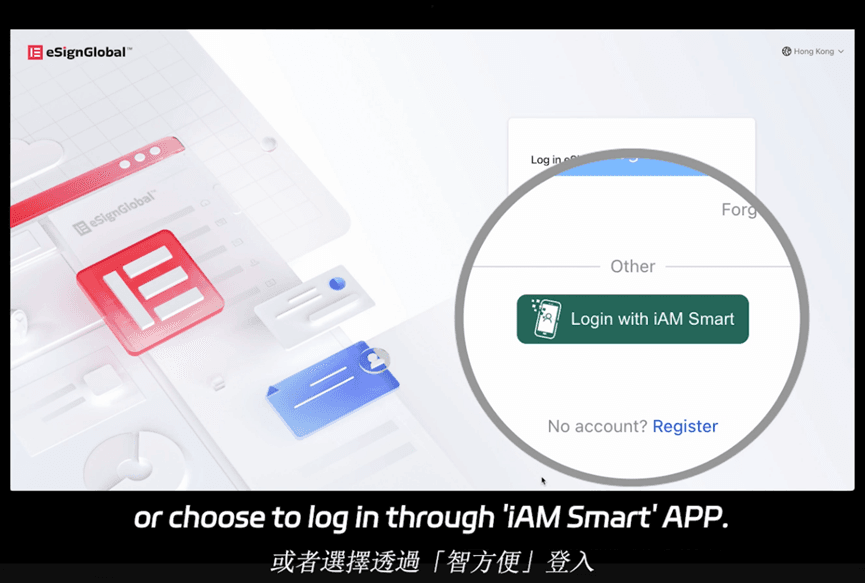
Per ulteriori dettagli sui prezzi di eSignGlobal, le aziende possono esplorare opzioni personalizzate che evitano i limiti di buste di DocuSign. Si integra perfettamente con sistemi regionali come iAM Smart di Hong Kong e Singpass di Singapore, riducendo l'attrito di configurazione per le operazioni APAC. Sebbene non sia il più economico, la sua efficienza per documento e i posti illimitati lo rendono più economico del 20-30% rispetto a DocuSign per i team in regioni ad alta intensità di conformità senza sacrificare la sicurezza.
Altre opzioni degne di nota includono HelloSign (uno strumento di Dropbox, base $ 15/utente/mese) e PandaDoc ($ 19/utente/mese, con funzionalità di proposta), che si rivolgono ai flussi di lavoro di vendita ma potrebbero mancare di un'ampia conformità globale.
Confronto tra prezzi e funzionalità dei concorrenti
Per aiutare le aziende a valutare, ecco una tabella di confronto neutrale basata sui prezzi annuali dei piani team standard del 2025 (per utente, se non diversamente specificato). L'attenzione è rivolta ai costi, ai limiti di buste/firme e ai punti di forza della conformità.
| Piattaforma | Prezzo di partenza (annuale, per utente) | Limite di buste/firme | Caratteristiche principali | Punti di forza della conformità | Ideale per |
|---|---|---|---|---|---|
| DocuSign | $ 300 (Standard) | ~100/anno | Invio in blocco, API, pagamenti | ESIGN, eIDAS, globale | Aziende, alto volume |
| Rocket Lawyer | $ 240 (Base, abbonamento) | Illimitato (con limiti sulle funzionalità avanzate) | Modelli legali, domande e risposte degli avvocati | Conformità di base negli Stati Uniti | Piccole imprese, documenti legali |
| Adobe Sign | $ 276 (Individuale) | Illimitato | Integrazione PDF, flussi di lavoro | eIDAS, GDPR | Team ad alta intensità di PDF |
| eSignGlobal | $ 199 (Essential, posti illimitati) | 100/mese | Verifica del codice di accesso, integrazioni APAC | Oltre 100 paesi, iAM Smart/Singpass | Conformità APAC/globale, sensibile ai costi |
| HelloSign | $ 180 | Illimitato | Interfaccia utente semplice, sincronizzazione Dropbox | ESIGN, base internazionale | PMI, facilità d'uso |
| PandaDoc | $ 228 | Illimitato | Proposte, analisi | ESIGN, alcune globali | Team di vendita |
Questa tabella evidenzia i prezzi equilibrati e i punti di forza regionali di eSignGlobal, sebbene la scelta dipenda da esigenze specifiche come la profondità dell'API (DocuSign in testa) o il bundle legale (Rocket Lawyer).
Considerazioni finali sulla scelta dello strumento giusto
Nel valutare Rocket Lawyer rispetto a DocuSign, la convenienza favorisce il primo per esigenze modeste, ma la scalabilità si inclina verso il secondo per operazioni complesse. Per le aziende che cercano un'alternativa a DocuSign con una forte conformità regionale, eSignGlobal emerge come una scelta pratica e orientata al valore. Valuta in base alla tua capacità, posizione geografica ed esigenze di integrazione per ottimizzare i costi senza compromettere l'efficienza.
