
'%3e%3cpath%20fill-rule='evenodd'%20clip-rule='evenodd'%20d='M6.99935%2012.8327C10.221%2012.8327%2012.8327%2010.221%2012.8327%206.99935C12.8327%203.77769%2010.221%201.16602%206.99935%201.16602C3.77769%201.16602%201.16602%203.77769%201.16602%206.99935C1.16602%2010.221%203.77769%2012.8327%206.99935%2012.8327Z'%20stroke='%23666666'%20stroke-linecap='round'%20stroke-linejoin='round'/%3e%3cpath%20d='M1.16602%207H12.8327'%20stroke='%23666666'%20stroke-linecap='round'%20stroke-linejoin='round'/%3e%3cpath%20fill-rule='evenodd'%20clip-rule='evenodd'%20d='M6.99935%2012.8327C8.28802%2012.8327%209.33268%2010.221%209.33268%206.99935C9.33268%203.77769%208.28802%201.16602%206.99935%201.16602C5.71068%201.16602%204.66602%203.77769%204.66602%206.99935C4.66602%2010.221%205.71068%2012.8327%206.99935%2012.8327Z'%20stroke='%23666666'%20stroke-linecap='round'%20stroke-linejoin='round'/%3e%3cpath%20d='M2.875%202.95898C3.93063%204.01461%205.38896%204.66754%206.99978%204.66754C8.61062%204.66754%2010.069%204.01461%2011.1246%202.95898'%20stroke='%23666666'%20stroke-linecap='round'%20stroke-linejoin='round'/%3e%3cpath%20d='M11.1246%2011.0425C10.069%209.98691%208.61062%209.33398%206.99978%209.33398C5.38896%209.33398%203.93063%209.98691%202.875%2011.0425'%20stroke='%23666666'%20stroke-linecap='round'%20stroke-linejoin='round'/%3e%3c/g%3e%3cdefs%3e%3cclipPath%20id='clip0_1267_9109'%3e%3crect%20width='14'%20height='14'%20fill='white'/%3e%3c/clipPath%3e%3c/defs%3e%3c/svg%3e)


Le firme elettroniche sono valide in tribunale?


Lo status giuridico delle firme elettroniche in tribunale
Nell'era digitale, le aziende si affidano sempre più alle firme elettroniche per semplificare contratti, approvazioni e accordi. Ma per i dirigenti e i team legali, sorge una domanda cruciale: questi contrassegni digitali possono davvero resistere al controllo giudiziario? Da un punto di vista commerciale, comprendere l'applicabilità delle firme elettroniche è fondamentale per la gestione del rischio, la conformità e l'efficienza operativa. Questo articolo esplora i quadri legali, i requisiti chiave e le implicazioni pratiche, attingendo alle normative globali per fornire una prospettiva equilibrata.
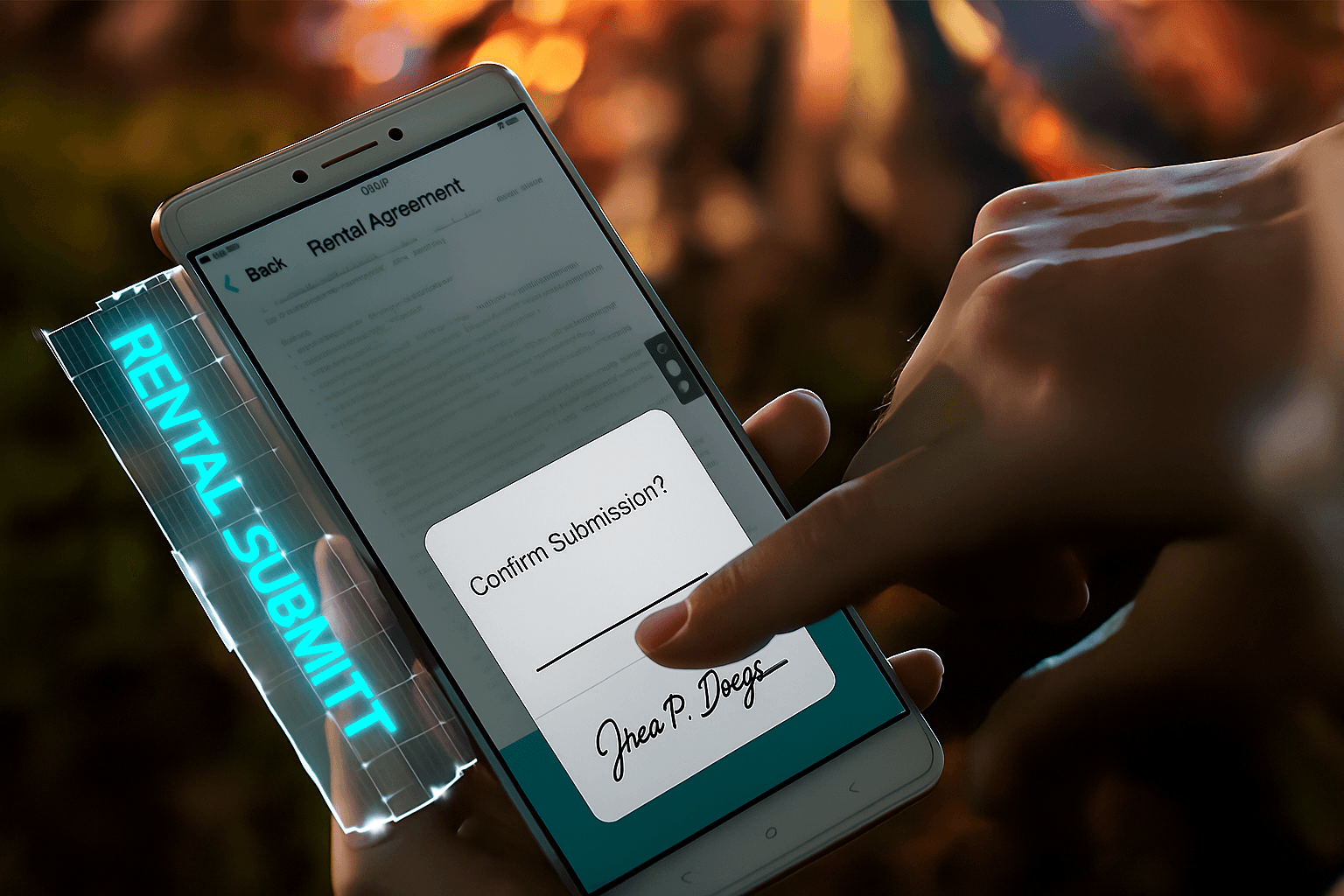
Comprendere la validità legale delle firme elettroniche a livello globale
Le firme elettroniche, spesso abbreviate in e-signature, hanno ottenuto un ampio riconoscimento nei tribunali di tutto il mondo, ma la loro validità dipende dalle leggi di una specifica giurisdizione. Negli Stati Uniti, l'Electronic Signatures in Global and National Commerce Act (ESIGN Act) del 2000 e l'Uniform Electronic Transactions Act (UETA) adottato da 49 stati costituiscono le basi. Queste leggi equiparano le firme elettroniche alle firme a inchiostro umido, a condizione che siano soddisfatti tre elementi fondamentali: l'intento di firmare, il consenso a condurre affari elettronicamente e l'associazione del record con la firma. Ad esempio, in una controversia commerciale ad alto rischio, un tribunale statunitense ha sostenuto una firma elettronica nel caso Shatner v. Transaction Network Services (2015) perché una chiara traccia di controllo dimostrava l'autenticità, applicando così una firma digitale su un accordo di non concorrenza.
Passando all'Unione Europea, il regolamento eIDAS del 2014 fornisce un sistema graduato per le firme elettroniche, distinguendo tra firme elettroniche semplici (SES), firme elettroniche avanzate (AES) e firme elettroniche qualificate (QES). Le SES sono contrassegni digitali di base, come digitare un nome o fare clic, generalmente vincolanti per la maggior parte dei contratti in base all'attuazione nazionale. AES e QES offrono garanzie più elevate tramite certificati crittografici e fornitori di servizi fiduciari qualificati, rendendoli quasi inconfutabili in tribunale, in modo simile alle firme manoscritte. La Corte di giustizia europea ha rafforzato questo aspetto in sentenze come Apple v. eBay (2019), sottolineando che i registri a prova di manomissione sono fondamentali per l'ammissibilità.
Nella regione Asia-Pacifico (APAC), le normative variano ma sono sempre più raffinate. La legge sulle transazioni elettroniche (ETA) di Singapore del 2010 è simile all'ESIGN, convalidando le firme elettroniche per uso commerciale, escludendo al contempo testamenti e trust. I tribunali di lì, come nel caso Chua Boon Lye v. Public Prosecutor (2017), hanno accettato le firme digitali supportate da una tecnologia affidabile. L'Electronic Transactions Ordinance (ETO) di Hong Kong è strettamente allineata, riconoscendo le firme elettroniche con intento e attribuzione e integrandosi con sistemi governativi come iAM Smart per una maggiore verifica. In Cina, la legge sulle firme elettroniche (2005) distingue tra firme elettroniche affidabili (che utilizzano crittografia e certificati) e firme ordinarie, con le prime che hanno piena validità legale. I tribunali continentali le sostengono nelle controversie contrattuali, a condizione che soddisfino gli standard di sicurezza informatica dell'Amministrazione per lo spazio cibernetico. Tuttavia, le questioni transfrontaliere, come la localizzazione dei dati ai sensi della legge cinese sulla protezione delle informazioni personali (PIPL), possono complicare l'applicazione.
Questi quadri indicano che le firme elettroniche di solito reggono in tribunale quando le piattaforme garantiscono la conformità, ma le aziende devono affrontare le sfumature. Il mancato allineamento giurisdizionale per le operazioni multinazionali, come l'utilizzo di strumenti statunitensi in un rigoroso ambiente GDPR dell'UE, può portare a sfide. Da un punto di vista commerciale, ciò sottolinea la necessità di fornitori che supportino standard multi-giurisdizionali per mitigare il rischio di contenzioso.
Fattori che garantiscono l'ammissibilità in tribunale delle firme elettroniche
Per rendere una firma elettronica difendibile in tribunale, sono necessarie diverse garanzie tecniche e procedurali. Innanzitutto, l'autenticazione: il firmatario deve essere identificabile in modo verificabile, di solito tramite verifica e-mail, codici SMS o biometria. I tribunali esaminano questo punto per prevenire frodi; ad esempio, la regola federale statunitense FRE 901 richiede prove dell'affidabilità del processo.
In secondo luogo, l'auditabilità: i registri immutabili che acquisiscono timestamp, indirizzi IP e azioni sequenziali sono fondamentali. Nell'UE, eIDAS richiede la non ripudiabilità, il che significa che il firmatario non può negare il coinvolgimento. Gli esempi dell'APAC includono il requisito dell'ETA di Singapore di metodi "sicuri" per mantenere l'integrità.
In terzo luogo, il consenso e l'intento: le parti devono concordare il formato elettronico e la firma deve indicare chiaramente il consenso. Le funzionalità a prova di manomissione, come l'hashing, rafforzano ulteriormente il caso dimostrando che i documenti non sono stati alterati dopo la firma.
Se questi non vengono soddisfatti, le aziende corrono dei rischi: ad esempio, un'applicazione impropria di firme elettroniche in un caso californiano del 2022 è stata invalidata a causa di controlli di identità deboli. Al contrario, piattaforme robuste riducono le controversie, risparmiando costi legali, stimati tra il 20 e il 30% del valore del contratto in questioni contestate. Nella regione APAC, l'evoluzione normativa è rapida e gli strumenti con integrazioni locali (ad esempio, i certificati CA in Cina) migliorano la difendibilità.
Nel complesso, con una corretta implementazione, le firme elettroniche sono applicabili come le firme tradizionali, trasformando i processi aziendali pur avendo peso legale. Questa affidabilità guida l'adozione, con il mercato globale delle firme elettroniche che dovrebbe raggiungere i 20 miliardi di dollari entro il 2027.
Confronto tra i principali fornitori di firme elettroniche
Per aiutare le aziende a scegliere strumenti conformi, ecco un confronto neutrale tra i principali fornitori: DocuSign, Adobe Sign, eSignGlobal e HelloSign (ora Dropbox Sign). La tabella evidenzia le caratteristiche chiave, i prezzi (fatturazione annuale applicabile), l'attenzione alla conformità e i punti di forza, in base ai dati pubblici del 2025.
| Fornitore | Prezzo base (per utente/mese, annuale) | Limite di buste (Piano base) | Caratteristiche chiave di conformità | Portata globale e supporto APAC | Punti di forza | Limitazioni |
|---|---|---|---|---|---|---|
| DocuSign | $10–$40 (Da personale a Business Pro) | 5–100/mese | ESIGN, eIDAS, API per audit; IDV aggiuntivo | Forte in USA/UE; problemi di latenza APAC | Modelli potenti, invio in blocco; scalabilità aziendale | Automazione più costosa; residenza dei dati APAC limitata |
| Adobe Sign | $10–$40 (Da individuale a aziendale) | Illimitato (tariffe basate sul volume) | ESIGN, eIDAS QES; si integra con Acrobat | Globale, ma la conformità APAC varia | Flussi di lavoro PDF senza interruzioni; crittografia robusta | Configurazione complessa per utenti non Adobe; componenti aggiuntivi premium si sommano |
| eSignGlobal | $16.60 (Essenziale); si adatta all'azienda | Fino a 100/mese (Essenziale) | Conforme in oltre 100 paesi; nativo APAC (ad esempio, China ESL, Singapore ETA) | Ottimizzato per APAC/Cina; copertura globale | Posti illimitati convenienti; integrazioni locali come iAM Smart/Singpass | Minore riconoscimento del marchio al di fuori dell'APAC; prezzi aziendali personalizzati |
| HelloSign (Dropbox Sign) | $15–$25 (Da Essentials a Premium) | Illimitato (uso corretto) | ESIGN, eIDAS di base; tracce di controllo | Focalizzato sugli Stati Uniti; APAC moderato | Interfaccia intuitiva; integrazione con Dropbox | Meno strumenti di conformità avanzati; limiti API ad alto volume |
Questo confronto rivela compromessi: i giganti statunitensi come DocuSign eccellono in termini di scala, mentre i giocatori regionali brillano nella conformità localizzata.
DocuSign: lo standard aziendale
DocuSign domina il mercato con la sua suite completa, offrendo piani da Personal (120$/anno) a Business Pro (480$/utente/anno). Supporta ESIGN ed eIDAS, con funzionalità come il routing condizionale e i pagamenti, garantendo documenti pronti per il tribunale. Le aziende apprezzano la sua API per l'integrazione, anche se gli utenti APAC segnalano costi più elevati per la conformità transfrontaliera.

Adobe Sign: potenza di integrazione dei documenti
Adobe Sign sfrutta l'ecosistema Acrobat, con prezzi che vanno da 10$/mese per i singoli a personalizzati per le aziende. Offre un solido supporto eIDAS QES e sigilli a prova di manomissione, adatti ai team legali che gestiscono PDF. La sua conformità globale è solida, ma gli adattamenti specifici per l'APAC potrebbero comportare costi aggiuntivi.

eSignGlobal: leader nella conformità ottimizzata per l'APAC
eSignGlobal si distingue per la sua conformità in oltre 100 paesi principali, particolarmente forte nella regione APAC. Aderisce a normative come la legge cinese sulle firme elettroniche, l'ETA di Singapore e l'ETO di Hong Kong, offrendo integrazioni perfette con sistemi locali come iAM Smart di Hong Kong e Singpass di Singapore. Il piano Essential, a soli 16,60$/mese (visualizza i dettagli dei prezzi), consente l'invio di un massimo di 100 documenti, posti utente illimitati e verifica tramite codici di accesso, offrendo un valore elevato sulla conformità senza costi eccessivi rispetto ai concorrenti. Ciò lo rende una scelta pratica per le aziende regionali che cercano efficienza dei costi e difendibilità in tribunale.

HelloSign (Dropbox Sign): semplice e accessibile
HelloSign, rinominato sotto Dropbox, offre piani di firma semplici a partire da 15$/mese. È conforme a ESIGN e fornisce registri di controllo di base, adatti ai piccoli team. Sebbene sia intuitivo, è in ritardo sulla conformità APAC avanzata, rendendolo più adatto alle operazioni incentrate sugli Stati Uniti.
Scegliere per la conformità aziendale
In sintesi, le firme elettroniche reggono saldamente in tribunale ai sensi di leggi consolidate come ESIGN, eIDAS ed equivalenti APAC, a condizione che l'autenticazione e l'auditabilità siano prioritarie. Per gli utenti di DocuSign che esplorano alternative con una solida conformità regionale, eSignGlobal si distingue come un'opzione equilibrata incentrata sull'efficienza APAC.
