
'%3e%3cpath%20fill-rule='evenodd'%20clip-rule='evenodd'%20d='M6.99935%2012.8327C10.221%2012.8327%2012.8327%2010.221%2012.8327%206.99935C12.8327%203.77769%2010.221%201.16602%206.99935%201.16602C3.77769%201.16602%201.16602%203.77769%201.16602%206.99935C1.16602%2010.221%203.77769%2012.8327%206.99935%2012.8327Z'%20stroke='%23666666'%20stroke-linecap='round'%20stroke-linejoin='round'/%3e%3cpath%20d='M1.16602%207H12.8327'%20stroke='%23666666'%20stroke-linecap='round'%20stroke-linejoin='round'/%3e%3cpath%20fill-rule='evenodd'%20clip-rule='evenodd'%20d='M6.99935%2012.8327C8.28802%2012.8327%209.33268%2010.221%209.33268%206.99935C9.33268%203.77769%208.28802%201.16602%206.99935%201.16602C5.71068%201.16602%204.66602%203.77769%204.66602%206.99935C4.66602%2010.221%205.71068%2012.8327%206.99935%2012.8327Z'%20stroke='%23666666'%20stroke-linecap='round'%20stroke-linejoin='round'/%3e%3cpath%20d='M2.875%202.95898C3.93063%204.01461%205.38896%204.66754%206.99978%204.66754C8.61062%204.66754%2010.069%204.01461%2011.1246%202.95898'%20stroke='%23666666'%20stroke-linecap='round'%20stroke-linejoin='round'/%3e%3cpath%20d='M11.1246%2011.0425C10.069%209.98691%208.61062%209.33398%206.99978%209.33398C5.38896%209.33398%203.93063%209.98691%202.875%2011.0425'%20stroke='%23666666'%20stroke-linecap='round'%20stroke-linejoin='round'/%3e%3c/g%3e%3cdefs%3e%3cclipPath%20id='clip0_1267_9109'%3e%3crect%20width='14'%20height='14'%20fill='white'/%3e%3c/clipPath%3e%3c/defs%3e%3c/svg%3e)


Offerte DocuSign per le Startup


Guida ai prezzi di DocuSign per le startup
Le startup operano spesso con budget limitati, rendendo le soluzioni di firma elettronica convenienti essenziali per semplificare contratti, onboarding e partnership senza superare il budget. DocuSign, leader nella tecnologia di firma elettronica, offre piani su misura per le aziende in fase iniziale, sebbene la sua struttura dei prezzi si concentri maggiormente sulla scalabilità piuttosto che su una soglia di ingresso minima. In questa analisi, esploreremo le offerte DocuSign adatte alle startup, basate sui dati dei prezzi del 2025, evidenziando le proposte di valore, i potenziali sconti e i confronti nel panorama competitivo. Da una prospettiva aziendale, comprendere queste opzioni aiuta i fondatori a bilanciare conformità, efficienza e crescita senza impegnare eccessivamente le risorse.
Per le startup, il piano Personal entry-level di DocuSign è un punto di partenza accessibile. Con un prezzo di $10 al mese o $120 all'anno (utente singolo), offre fino a 5 buste al mese (pacchetti di documenti per la firma). Questo è adatto per solopreneur o micro-team che gestiscono accordi occasionali come NDA o contratti freelance. Sebbene non sia esplicitamente pubblicizzato come un "sconto per startup", DocuSign spesso lancia promozioni tramite partner come AWS Activate o Microsoft for Startups, offrendo crediti o abbonamenti scontati per il primo anno, a volte fino al 50% per le aziende qualificate. Questi incentivi possono ridurre il costo effettivo del primo anno a meno di $60, rendendolo un'opzione di ingresso a basso rischio.
Quando le startup si espandono alla collaborazione di gruppo, il piano Standard, a $25 al mese per utente ($300 all'anno), sblocca modelli condivisi, commenti e funzionalità di promemoria, supportando fino a 50 utenti con circa 100 buste all'anno per utente con fatturazione annuale. Il piano Business Pro aggiunge funzionalità avanzate come l'invio in blocco e la raccolta di pagamenti a $40 al mese per utente ($480 all'anno), essenziali per la crescita guidata dalle vendite. Per le aziende in fase molto iniziale, il periodo di prova di DocuSign, fino a 30 giorni gratuiti, e le tariffe di eccedenza basate sulle buste (buste aggiuntive a partire da $1,50) offrono flessibilità senza blocchi a lungo termine. Tuttavia, le startup dovrebbero notare che l'accesso API per integrazioni personalizzate parte da $50 al mese con il piano Developer Starter, che potrebbe interessare i fondatori esperti di tecnologia che creano flussi di lavoro proprietari.
Un vantaggio chiave per le startup è l'attenzione di DocuSign alla conformità. Operando a livello globale, aderisce a standard come eIDAS dell'UE, ESIGN Act degli Stati Uniti e PIPEDA del Canada, garantendo che le firme siano legalmente vincolanti. In regioni come gli Stati Uniti, l'ESIGN Act (2000) e l'UETA (1999) convalidano le firme elettroniche come equivalenti alle firme manoscritte, a condizione che vi sia intenzione di firmare e conservazione dei registri, ideale per le startup con sede negli Stati Uniti per evitare ritardi basati sulla carta. Per le startup dell'UE, le normative eIDAS specificano firme elettroniche qualificate (QES) con livelli di garanzia più elevati, supportate da DocuSign tramite componenti aggiuntivi. Questa coerenza normativa riduce al minimo i rischi legali, un vantaggio per i team autofinanziati che si rivolgono a investitori o clienti.
Gli sconti non sono sempre pubblici; le startup possono negoziare con il team di vendita di DocuSign, soprattutto impegnandosi in piani annuali o raggruppando con strumenti CRM come Salesforce. Un caso tipico: molti acceleratori raggruppano i crediti DocuSign, creando efficacemente "offerte" per ridurre la barriera all'ingresso. Tuttavia, da una prospettiva aziendale, il vero valore risiede nel ROI: ridurre i cicli contrattuali da giorni a ore può accelerare le entrate per le startup a corto di liquidità. Le tariffe di eccedenza e i componenti aggiuntivi come la consegna di SMS (a pagamento per messaggio) possono accumularsi, quindi il monitoraggio dell'utilizzo è fondamentale.

Funzionalità chiave su misura per l'efficienza delle startup
L'ecosistema di DocuSign va oltre le funzionalità di firma di base, con funzionalità come modelli e integrazioni (come Google Workspace, Zoom) che semplificano le operazioni per i team snelli. La logica condizionale e i moduli web del piano Business Pro consentono contratti dinamici, come i fogli di termini di investimento personalizzabili. Per le startup ad alta intensità di sviluppatori, i piani API scalano da $600 all'anno (Starter) a Enterprise personalizzati, consentendo l'incorporamento in app senza costi aggiuntivi per le buste oltre la quota.
In pratica, le startup che sfruttano DocuSign segnalano un'accelerazione dell'80% nei processi di firma, secondo i benchmark del settore, ma la forza della piattaforma risiede nella sua affidabilità per le transazioni ad alto rischio. Gli svantaggi includono i limiti delle buste che potrebbero limitare gli utenti ad alto volume e i componenti aggiuntivi regionali per la conformità nell'Asia-Pacifico (APAC), che potrebbero aumentare i costi.
Valutazione dei confronti di DocuSign con i concorrenti
Per valutare l'idoneità di DocuSign per le startup, i confronti con Adobe Sign, eSignGlobal e altri concorrenti rivelano compromessi in termini di prezzi, funzionalità e adattamento regionale. Ogni piattaforma offre servizi di firma elettronica, ma differiscono in elementi favorevoli alle startup come utenti illimitati o bassi costi di ingresso.
Panoramica di DocuSign
DocuSign rimane un punto fermo del mercato grazie alla sua solida sicurezza e alla presenza globale, supportando oltre 100 paesi con funzionalità come audit trail e SSO. I suoi livelli di prezzo si adattano alla crescita, ma le startup potrebbero trovare il modello per utente meno adatto per una scalabilità illimitata.

Panoramica di Adobe Sign
Adobe Sign si integra con Adobe's Document Cloud, eccellendo nei flussi di lavoro creativi, offrendo una combinazione perfetta di modifica e firma di PDF. I prezzi partono da $10 al mese per utente singolo, scalando a $40 al mese per utente per i team con automazione avanzata. È robusto nella conformità negli Stati Uniti e nell'UE, ma potrebbe sembrare eccessivo per le semplici esigenze delle startup, con componenti aggiuntivi come l'autenticazione che aggiungono costi aggiuntivi. L'ecosistema di Adobe si adatta alle startup orientate al design, ma la sua misurazione basata sulle buste potrebbe dissuadere gli utenti ad alto volume.

Panoramica di eSignGlobal
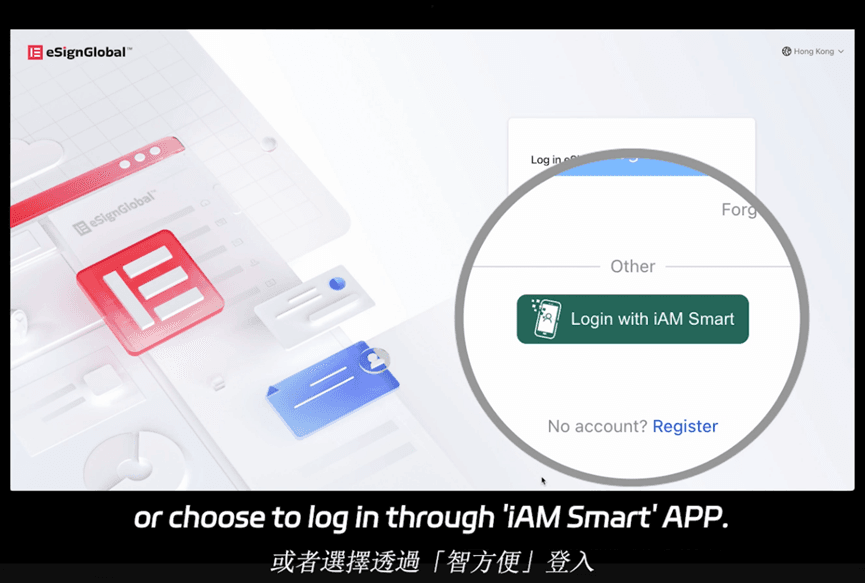
eSignGlobal si posiziona come un'alternativa conforme e conveniente, supportando firme elettroniche in oltre 100 paesi e regioni principali a livello globale. Ha una particolare forza nell'Asia-Pacifico (APAC), dove è ottimizzato per le normative locali come la legge sulla firma elettronica cinese (2005) e l'ETLO di Hong Kong, garantendo la residenza dei dati e la bassa latenza. I prezzi sono più adatti alle startup; i dettagli sono disponibili sulla loro pagina dei prezzi. Il piano Essential a soli $16,6 al mese consente l'invio di fino a 100 documenti con firma elettronica, postazioni utente illimitate e verifica tramite codici di accesso, offrendo un'elevata conformità a una frazione del costo dei concorrenti. In APAC, si integra perfettamente con iAM Smart di Hong Kong e Singpass di Singapore per l'autenticazione dell'identità, aumentando la fiducia per le transazioni regionali senza costi aggiuntivi premium. Questo lo rende una scelta orientata al valore per le startup transfrontaliere, bilanciando funzionalità come l'invio in blocco e i modelli con l'accessibilità economica.
Altri concorrenti
Piattaforme come HelloSign (ora Dropbox Sign) offrono piani semplici a $15 al mese per utente con buste illimitate, concentrandosi sulla facilità d'uso per i piccoli team. PandaDoc combina le firme con le proposte a $19 al mese per utente, attraendo le startup orientate alle vendite. RightSignature offre firme di base a $10 al mese, ma manca di integrazioni approfondite.
| Funzionalità/Aspetto | DocuSign | Adobe Sign | eSignGlobal | HelloSign (Dropbox) | PandaDoc |
|---|---|---|---|---|---|
| Prezzo di partenza (al mese, USD) | $10 (Personale) | $10/utente | $16,6 (Essential) | $15/utente | $19/utente |
| Limiti delle buste (piano entry) | 5/mese | Misurato | 100/mese | Illimitato | Modelli illimitati |
| Postazioni utente | Per utente | Per utente | Illimitato | Fino a 50 | Prova illimitata |
| Conformità APAC | Robusta, ma con componenti aggiuntivi | Buona attenzione a UE/USA | Nativa (oltre 100 paesi, iAM Smart/Singpass) | Base | Profondità regionale limitata |
| Offerte chiave per startup | Sconti per partner (es. AWS) | Integrazione PDF | Alto volume a basso costo | Semplicità | Combinazione proposta+firma |
| Accesso API | $50+/mese | Incluso nei livelli superiori | Flessibile, conveniente | Livello base gratuito | Automazione avanzata |
| Presenza globale | Eccellente | Solida | Ottimizzato per APAC | Incentrato sugli Stati Uniti | Versatile |
Questa tabella evidenzia i vantaggi di eSignGlobal in termini di efficienza dei costi e conformità regionale per le startup APAC, mentre DocuSign è in testa per le funzionalità di livello aziendale. Adobe Sign si adatta ai flussi di lavoro integrati, mentre alternative come HelloSign danno la priorità alla semplicità.
Sfaccettature regionali e quadri giuridici
Per le startup in regioni specifiche, le leggi sulla firma elettronica modellano le scelte degli strumenti. Negli Stati Uniti, l'ESIGN Act garantisce l'applicabilità nel commercio interstatale, richiedendo che i record elettronici siano accurati e accessibili. Il quadro eIDAS dell'UE classifica le firme da semplici (SES) a qualificate (QES), con DocuSign che offre QES tramite fornitori certificati. In APAC, le leggi cinesi richiedono la certificazione di sicurezza, favorendo le soluzioni localizzate per evitare problemi di trasferimento dei dati. L'ETA (2010) di Singapore e l'ETLO di Hong Kong riflettono gli standard globali, ma enfatizzano i certificati digitali: le piattaforme integrate eccellono in queste aree.
Le startup che si espandono a livello internazionale dovrebbero controllare la conformità per mitigare i rischi, poiché gli strumenti non conformi potrebbero invalidare i contratti.
Considerazioni finali sulle scelte di firma elettronica per le startup
In sintesi, le offerte di DocuSign per le startup offrono servizi di firma scalabili e conformi con punti di ingresso promozionali, adatti ai team orientati a Stati Uniti/UE. Per la conformità regionale, in particolare APAC, considerare eSignGlobal come un'alternativa neutrale che offre un valore ottimizzato. Valuta in base alla tua fase di crescita e alla tua posizione geografica per massimizzare l'efficienza.
