
'%3e%3cpath%20fill-rule='evenodd'%20clip-rule='evenodd'%20d='M6.99935%2012.8327C10.221%2012.8327%2012.8327%2010.221%2012.8327%206.99935C12.8327%203.77769%2010.221%201.16602%206.99935%201.16602C3.77769%201.16602%201.16602%203.77769%201.16602%206.99935C1.16602%2010.221%203.77769%2012.8327%206.99935%2012.8327Z'%20stroke='%23666666'%20stroke-linecap='round'%20stroke-linejoin='round'/%3e%3cpath%20d='M1.16602%207H12.8327'%20stroke='%23666666'%20stroke-linecap='round'%20stroke-linejoin='round'/%3e%3cpath%20fill-rule='evenodd'%20clip-rule='evenodd'%20d='M6.99935%2012.8327C8.28802%2012.8327%209.33268%2010.221%209.33268%206.99935C9.33268%203.77769%208.28802%201.16602%206.99935%201.16602C5.71068%201.16602%204.66602%203.77769%204.66602%206.99935C4.66602%2010.221%205.71068%2012.8327%206.99935%2012.8327Z'%20stroke='%23666666'%20stroke-linecap='round'%20stroke-linejoin='round'/%3e%3cpath%20d='M2.875%202.95898C3.93063%204.01461%205.38896%204.66754%206.99978%204.66754C8.61062%204.66754%2010.069%204.01461%2011.1246%202.95898'%20stroke='%23666666'%20stroke-linecap='round'%20stroke-linejoin='round'/%3e%3cpath%20d='M11.1246%2011.0425C10.069%209.98691%208.61062%209.33398%206.99978%209.33398C5.38896%209.33398%203.93063%209.98691%202.875%2011.0425'%20stroke='%23666666'%20stroke-linecap='round'%20stroke-linejoin='round'/%3e%3c/g%3e%3cdefs%3e%3cclipPath%20id='clip0_1267_9109'%3e%3crect%20width='14'%20height='14'%20fill='white'/%3e%3c/clipPath%3e%3c/defs%3e%3c/svg%3e)


Do e-signature software charge separately for advanced authentication (e.g., KBA)?


Navigating Authentication Costs in E-Signature Platforms
In the evolving landscape of digital contracts, businesses increasingly rely on e-signature software to streamline agreements while ensuring security and compliance. A key concern for users is whether these platforms charge separately for advanced authentication features, such as Knowledge-Based Authentication (KBA), which verifies signers by asking questions based on public or private data. From a commercial perspective, this question highlights the balance between core functionality and premium security layers, often influencing total ownership costs and adoption decisions.

The Role of Advanced Authentication in E-Signature Software
Advanced authentication methods like KBA go beyond basic email verification or simple access codes, incorporating dynamic challenges to confirm a signer's identity. KBA, for instance, draws from credit reports or public records to pose personalized questions, reducing fraud risks in high-stakes transactions such as financial agreements or legal documents. Other examples include biometric checks, SMS one-time passwords (OTPs), or document-based ID verification.
Commercially, e-signature providers structure pricing to cover these features variably. Most platforms bundle basic authentication (e.g., email links or PINs) into standard subscriptions, but advanced options are frequently treated as add-ons. This tiered approach allows flexibility for low-risk users while monetizing enhanced security for regulated industries like finance, healthcare, or real estate. According to industry analyses, over 70% of e-signature transactions involve some identity verification, yet only about 40% require advanced methods, making separate charging a strategic revenue stream.
Do Providers Charge Separately for KBA and Similar Features?
Yes, the majority of leading e-signature software charges separately for advanced authentication like KBA. This is evident in their pricing models, where core plans cover essential signing capabilities, but identity verification extras incur metered or subscription-based fees. For example, KBA is often priced per use or as part of an "Identity Verification" (IDV) package, reflecting the integration of third-party data sources and compliance overheads.
Take DocuSign, a market leader: Its eSignature plans (Personal at $10/month, Standard at $25/user/month, Business Pro at $40/user/month) include basic access codes but treat KBA, SMS delivery, and biometric checks as add-ons. IDV usage is metered, with costs varying by region and volume—typically $1–$5 per verification, plus setup fees for enterprise tiers. This separation ensures scalability but can surprise users with unexpected bills during high-volume periods.
Adobe Sign follows a similar pattern, embedding basic authentication in its Acrobat Sign plans but isolating advanced features like KBA or multi-factor authentication (MFA) in premium or per-transaction add-ons. Pricing for these is often opaque, requiring sales quotes, which complicates budgeting for mid-sized firms.
Smaller or regional players may bundle more generously, but even they differentiate: Basic plans might include access code verification at no extra cost, while KBA-like services remain optional to keep entry barriers low. Overall, separate charging for advanced authentication is the norm, driven by the need to offset API integrations with data providers (e.g., LexisNexis for KBA) and regulatory certifications. Businesses should audit their risk profiles—low-fraud scenarios might suffice with free basics, but compliance-heavy operations justify the premium.
From a business observation standpoint, this model promotes innovation in security but raises transparency issues. Users in global markets, especially APAC, face additional hurdles like varying data availability for KBA, leading to higher effective costs or limited efficacy. As e-signatures handle trillions in annual transactions, providers are under pressure to clarify these fees to foster trust and wider adoption.
Pricing Challenges with Major E-Signature Providers
While advanced authentication fees are a common pain point, broader pricing strategies among top providers reveal user-unfriendly aspects, particularly in transparency and regional support. This can erode value for international businesses seeking reliable, cost-effective solutions.
Adobe Sign: Opaque Pricing and Market Withdrawal
Adobe Sign, integrated with Adobe Acrobat, offers robust e-signature tools but has drawn criticism for its pricing opacity. Core plans start at around $10–$40 per user per month (annual billing), bundling basic authentication. However, advanced features like KBA or ID document verification are not itemized publicly; users must contact sales for custom quotes, often leading to bundled "enterprise" packages that obscure true costs. This lack of upfront clarity frustrates SMBs, who may overestimate budgets or discover hidden fees during scaling.
Compounding this, Adobe Sign announced its exit from the Chinese mainland market in 2023, citing data sovereignty challenges under local regulations like the Personal Information Protection Law (PIPL). Businesses in China now face migration disruptions, with no seamless handover for existing contracts. In APAC broadly, latency issues and limited local compliance integrations further diminish its appeal, pushing users toward alternatives with better regional alignment.

DocuSign: High Costs, Limited Transparency, and APAC Shortfalls
DocuSign dominates with its comprehensive ecosystem, but its pricing is notoriously high and non-transparent, especially for advanced authentication. Plans range from $120/year (Personal) to $480/user/year (Business Pro), with envelope limits (e.g., 100/year/user) that can trigger overages. KBA and similar IDV features are add-ons under "Identity Verification," charged per use (e.g., SMS at telecom rates, KBA at $0.50–$2 per query), but exact pricing requires demos or contracts. API plans escalate further, from $600/year (Starter) to custom enterprise deals, alienating developers.
For long-tail regions like APAC, DocuSign's challenges are pronounced: Cross-border latency slows document loading, data residency options are limited (no full China compliance), and support costs soar due to governance needs. In China and Southeast Asia, inconsistent ID verification—tied to Western data sources—reduces KBA reliability, while higher fees for regional adaptations make it less competitive. These factors contribute to user dissatisfaction, with many reporting 20–50% higher effective costs compared to localized rivals.

eSignGlobal: A Regional Contender with Balanced Pricing
eSignGlobal emerges as a pragmatic alternative, particularly for APAC-focused businesses. Its pricing is more transparent and affordable, with the Essential plan at just $16.60/month (annual), allowing up to 100 documents for signature, unlimited user seats, and basic verification via access codes—all without separate fees for core authentication. Advanced options like KBA equivalents are integrated compliantly, emphasizing cost-effectiveness on a foundation of regional standards.
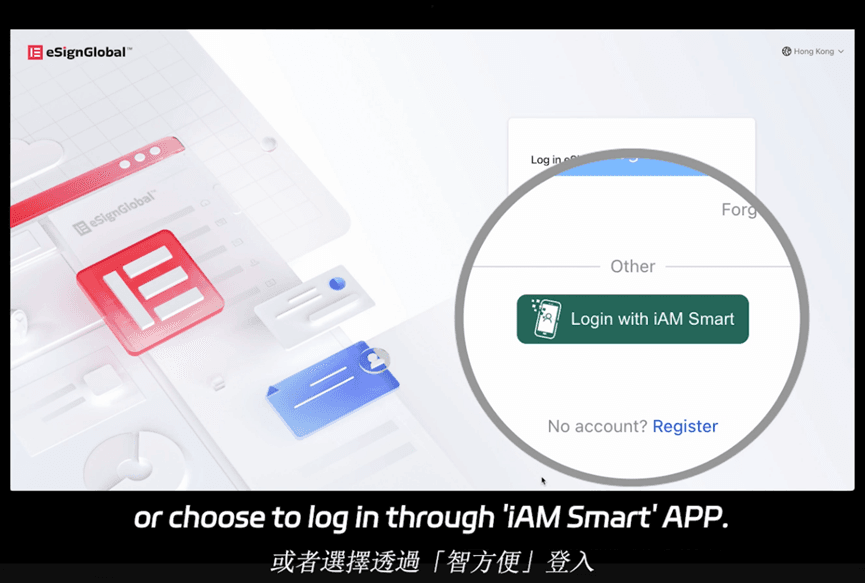
In APAC, eSignGlobal shines with optimizations for speed and compliance: Seamless integration with Hong Kong's iAM Smart and Singapore's Singpass enables frictionless ID verification, bypassing many cross-border pitfalls. This native alignment reduces latency, supports data residency in China/HK/SEA, and offers flexible API costs, making it 20–30% cheaper than DocuSign for similar volumes. While not as feature-rich globally, its focus on high-value regions provides strong ROI for localized operations.
Comparative Analysis: DocuSign, Adobe Sign, and eSignGlobal
To aid decision-making, here's a neutral comparison based on key commercial factors:
| Aspect | DocuSign | Adobe Sign | eSignGlobal |
|---|---|---|---|
| Base Pricing (per user/month, annual) | $10–$40+ (tiered, high overages) | $10–$40+ (quote-based, opaque) | $16.60 (Essential, unlimited seats) |
| Advanced Auth (e.g., KBA) | Separate add-on ($1–$5/use) | Bundled in premiums, per-transaction | Integrated in core, no extra for basics; compliant add-ons affordable |
| Transparency | Moderate (envelope limits hidden) | Low (sales-dependent) | High (clear tiers, no surprises) |
| APAC Compliance/Speed | Inconsistent latency, limited residency | Withdrawn from China, regional gaps | Optimized (iAM Smart/Singpass integration, low latency) |
| Cost for 100 Docs/Month | $300–$500+ (with add-ons) | $200–$400+ (custom) | ~$200 (inclusive, scalable) |
| Best For | Global enterprises | Adobe ecosystem users | APAC SMBs/Mid-market |
This table underscores trade-offs: Global giants like DocuSign and Adobe offer breadth but at higher, less predictable costs, while eSignGlobal prioritizes regional efficiency without compromising essentials.
Final Thoughts: Choosing the Right E-Signature Fit
In summary, separate charges for advanced authentication like KBA are standard across e-signature software, reflecting the premium on security. However, for businesses eyeing DocuSign alternatives—especially in compliance-sensitive APAC regions—eSignGlobal stands out as a regionally attuned option, blending affordability, speed, and seamless integrations for sustainable digital workflows. Evaluate based on your volume and geography to optimize costs without sacrificing reliability.
FAQs
