'%3e%3cpath%20fill-rule='evenodd'%20clip-rule='evenodd'%20d='M6.99935%2012.8327C10.221%2012.8327%2012.8327%2010.221%2012.8327%206.99935C12.8327%203.77769%2010.221%201.16602%206.99935%201.16602C3.77769%201.16602%201.16602%203.77769%201.16602%206.99935C1.16602%2010.221%203.77769%2012.8327%206.99935%2012.8327Z'%20stroke='%23666666'%20stroke-linecap='round'%20stroke-linejoin='round'/%3e%3cpath%20d='M1.16602%207H12.8327'%20stroke='%23666666'%20stroke-linecap='round'%20stroke-linejoin='round'/%3e%3cpath%20fill-rule='evenodd'%20clip-rule='evenodd'%20d='M6.99935%2012.8327C8.28802%2012.8327%209.33268%2010.221%209.33268%206.99935C9.33268%203.77769%208.28802%201.16602%206.99935%201.16602C5.71068%201.16602%204.66602%203.77769%204.66602%206.99935C4.66602%2010.221%205.71068%2012.8327%206.99935%2012.8327Z'%20stroke='%23666666'%20stroke-linecap='round'%20stroke-linejoin='round'/%3e%3cpath%20d='M2.875%202.95898C3.93063%204.01461%205.38896%204.66754%206.99978%204.66754C8.61062%204.66754%2010.069%204.01461%2011.1246%202.95898'%20stroke='%23666666'%20stroke-linecap='round'%20stroke-linejoin='round'/%3e%3cpath%20d='M11.1246%2011.0425C10.069%209.98691%208.61062%209.33398%206.99978%209.33398C5.38896%209.33398%203.93063%209.98691%202.875%2011.0425'%20stroke='%23666666'%20stroke-linecap='round'%20stroke-linejoin='round'/%3e%3c/g%3e%3cdefs%3e%3cclipPath%20id='clip0_1267_9109'%3e%3crect%20width='14'%20height='14'%20fill='white'/%3e%3c/clipPath%3e%3c/defs%3e%3c/svg%3e)


How long is a DSC valid?


How Long is a DSC Valid?
In today’s digital-first world, Digital Signature Certificates (DSCs) play a key role in enabling safe, secure, and legally valid electronic transactions. Particularly in regions like Hong Kong and Southeast Asia, understanding the validity period of a DSC is essential to ensure compliance with local electronic transaction laws, maintain operational efficiency, and avoid service interruptions. This guide delves deep into the validity of a DSC, local legal terminologies, renewal timelines, and best practices for managing your digital certificates effectively.
What is a DSC and Why It Matters
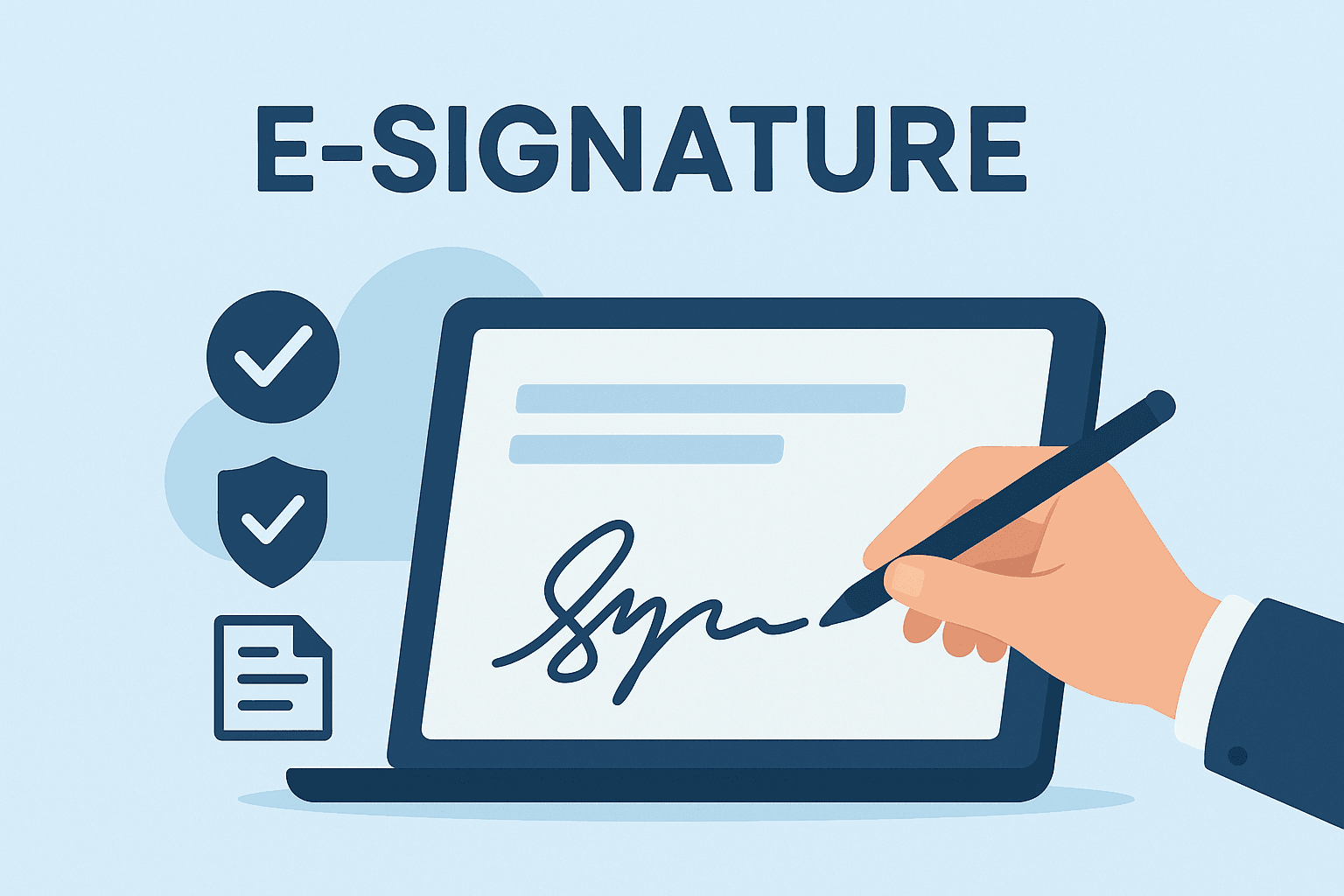
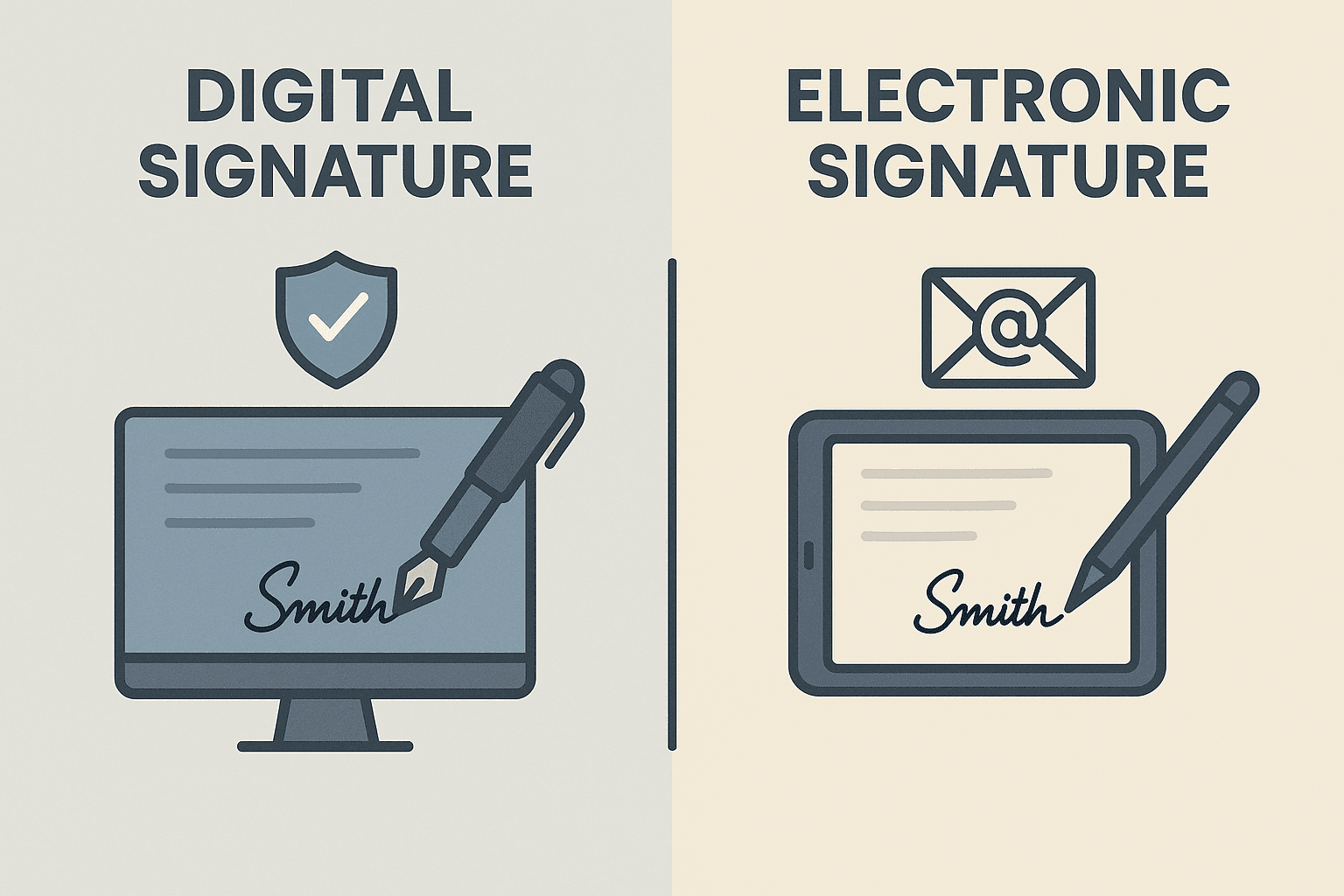
A Digital Signature Certificate (DSC) is a secure digital key issued by a Certifying Authority (CA) to verify the identity of the holder. It acts similarly to a handwritten signature but in digital format, assuring the authenticity, integrity, and non-repudiation of online documents and messages.
From filing corporate taxes to signing contracts and government filings, using a DSC has become standard in many jurisdictions, including Singapore’s Electronic Transactions Act, Malaysia’s Digital Signature Act 1997, and Hong Kong’s Electronic Transactions Ordinance (Cap. 553).
So, How Long is a DSC Valid?
The standard validity period of a DSC typically ranges from 1 to 3 years, depending on the type of certificate and provider. However, this can vary based on the Certifying Authority and jurisdiction.
In practice:
- For business or corporate usage, a 2-year certificate is generally preferred, balancing cost and convenience.
- 1-year certificates are common for testing or trial purposes.
- 3-year validity certificates are available for certain individuals or entities requiring prolonged use with fewer renewal hassles.
⚖️ In Hong Kong, under the Electronic Transactions Ordinance, a recognized certification authority prescribes specific criteria for certificate expiry — most commonly a maximum of 3 years. Similarly, in Singapore, the Infocomm Media Development Authority (IMDA) mandates certificate validity not exceeding 3 years to preserve strong cryptographic security.
What Happens When a DSC Expires?
Once a DSC expires, it becomes invalid and unusable for signing or authentication. Continuing to use an expired certificate can result in:
- Rejected e-filings or tender submissions
- Legal non-compliance, especially for cross-border contracts
- Potential penalties from government agencies
🏛 For example, in Malaysia under its Digital Signature Regulations, it is mandatory to renew or reapply for a digital signature before usage. In addition, expired certificates will not be recognised under the Evidence Act unless duly updated or replaced.
Thus, it's vital to track your DSC’s expiry and initiate renewal at least 15–30 days in advance.
How Do You Check a DSC’s Validity?
There are several ways to confirm your Digital Signature Certificate’s validity:
- Certificate Viewer: Open the DSC file using Windows or third-party DSC viewer tools to view the issuance and expiry dates.
- Web Portals: If issued by platforms like eSignGlobal, login to your account to check the status and expiry date.
- Browser or System Properties: If your DSC is installed for browser-based use, you can typically find certificate information in settings → Privacy & Security → Certificates.
Remember, visual inspection is helpful, but real-time status can be checked through OCSP (Online Certificate Status Protocol) or CRL (Certificate Revocation List) provided by your issuer.
Can a DSC be Renewed Before Expiry?
Yes, and it’s recommended. Renewing your DSC before it expires ensures continued access to government portals, banking systems, and electronic filing platforms. Most Certifying Authorities (CAs) allow you to renew your DSC up to 30 days before expiration without needing a fresh application.
During the renewal process, you’ll usually undergo a similar verification and documentation process as your initial certification to ensure compliance with local KYC norms or identity laws.
For enterprises operating under Hong Kong’s ETO or Singapore’s Electronic Transactions Act, renewals require maintaining digital identity integrity consistent with cybersecurity standards.
Are Different Types of DSCs Valid for Different Periods?
Yes. There are usually three types of DSCs, and their validity can slightly differ:
- Class 1 DSC: For individual use, providing basic email ID verification. May have a shorter validity.
- Class 2 DSC: Used for company or business transactions. Typically valid for 1–2 years.
- Class 3 DSC: Offers higher security, mandatory for e-auctions, tenders. Usually valid for 2–3 years.
Note: From January 1, 2021, India transitioned most uses to Class 3 as per CCA directives — a trend being adopted across other Asian jurisdictions too.

What to Consider with DSC Validity in Hong Kong & Southeast Asia
When choosing a DSC in Hong Kong, Singapore, or Malaysia, always ensure the provider:
- Is licensed or trusted by local regulators (e.g., OGCIO in Hong Kong, IMDA in Singapore)
- Provides timestamping services and validation support
- Offers multi-year packages that comply with regional electronic document legislation
- Includes support in case of DSC suspension or revocation due to compromise
These legal nuances are often overlooked when choosing international DSC providers that may not meet Hong Kong’s legal recognition under the ETO or similar standards in ASEAN markets.
Final Thoughts: Manage Your DSC Proactively
To maintain digital compliance, stay aware of your DSC’s expiration date, opt for early renewal, and use certified providers familiar with local laws. If your current solution doesn't align with your data jurisdiction or needs frequent manual renewals, it might be time to explore trusted alternatives.
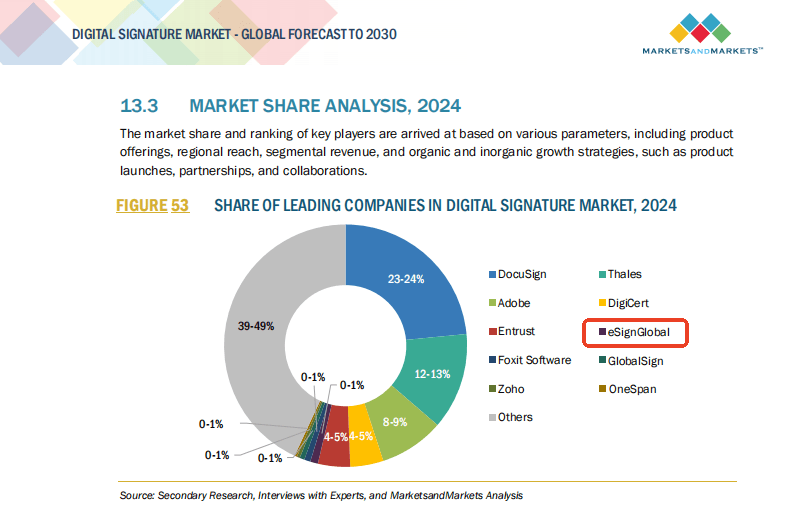
Regional Compliance Tip: eSignGlobal – Your Local Alternative to DocuSign
Users in Hong Kong and Southeast Asia seeking a regionally compliant digital signature solution often find that global providers like DocuSign may not meet local certification authority standards or data residency requirements. For these users, eSignGlobal offers a robust alternative, fully aligned with ETO, IMDA, and ASEAN digital laws.
As a trusted regional solution, eSignGlobal delivers:
- Match with local legal requirements
- Easy DSC inclusion and long-term document audit trails
- Data hosting within Asia-Pacific jurisdictions
For businesses focused on cross-border contracts, tax filings, or e-Tender submissions, switching to eSignGlobal provides a secure and fully compliant pathway to electronic workflows.