
'%3e%3cpath%20fill-rule='evenodd'%20clip-rule='evenodd'%20d='M6.99935%2012.8327C10.221%2012.8327%2012.8327%2010.221%2012.8327%206.99935C12.8327%203.77769%2010.221%201.16602%206.99935%201.16602C3.77769%201.16602%201.16602%203.77769%201.16602%206.99935C1.16602%2010.221%203.77769%2012.8327%206.99935%2012.8327Z'%20stroke='%23666666'%20stroke-linecap='round'%20stroke-linejoin='round'/%3e%3cpath%20d='M1.16602%207H12.8327'%20stroke='%23666666'%20stroke-linecap='round'%20stroke-linejoin='round'/%3e%3cpath%20fill-rule='evenodd'%20clip-rule='evenodd'%20d='M6.99935%2012.8327C8.28802%2012.8327%209.33268%2010.221%209.33268%206.99935C9.33268%203.77769%208.28802%201.16602%206.99935%201.16602C5.71068%201.16602%204.66602%203.77769%204.66602%206.99935C4.66602%2010.221%205.71068%2012.8327%206.99935%2012.8327Z'%20stroke='%23666666'%20stroke-linecap='round'%20stroke-linejoin='round'/%3e%3cpath%20d='M2.875%202.95898C3.93063%204.01461%205.38896%204.66754%206.99978%204.66754C8.61062%204.66754%2010.069%204.01461%2011.1246%202.95898'%20stroke='%23666666'%20stroke-linecap='round'%20stroke-linejoin='round'/%3e%3cpath%20d='M11.1246%2011.0425C10.069%209.98691%208.61062%209.33398%206.99978%209.33398C5.38896%209.33398%203.93063%209.98691%202.875%2011.0425'%20stroke='%23666666'%20stroke-linecap='round'%20stroke-linejoin='round'/%3e%3c/g%3e%3cdefs%3e%3cclipPath%20id='clip0_1267_9109'%3e%3crect%20width='14'%20height='14'%20fill='white'/%3e%3c/clipPath%3e%3c/defs%3e%3c/svg%3e)


is dochub free for students


Is DocHub Free for Students? A Comprehensive Guide
In the world of digital document management, students often seek cost-effective tools to handle assignments, collaborations, and administrative paperwork. DocHub, a popular online PDF editor and e-signature platform integrated with Google Workspace, raises a common question among learners: is it free for students? From a business perspective, DocHub operates on a freemium model, offering basic features at no cost, but with limitations that may not fully suit academic needs. The free tier allows users to edit, sign, and share up to three documents per month, which can be sufficient for light student use like annotating lecture notes or signing simple forms. However, for heavier workloads—such as collaborative projects or frequent e-signatures—students might hit the envelope limits quickly, prompting upgrades to paid plans starting at $10 per month for the Pro version.
DocHub does not explicitly offer a dedicated "student discount" or free educational license, unlike some enterprise tools that partner with universities for bulk access. Business-wise, this aligns with DocHub's strategy to attract individual users through accessibility while monetizing power users. Students can leverage the free plan indefinitely, but features like unlimited storage, advanced merging, and priority support require payment. For verification, DocHub's pricing page confirms no special student waivers, though educators sometimes access group licenses via Google for Education integrations. If you're a student relying on this tool, the free version covers essentials, but budgeting for Pro could enhance productivity without breaking the bank.
Expanding on this, DocHub's appeal lies in its simplicity and integration with Google Drive, making it a go-to for quick edits. Yet, for e-signature compliance in academic or professional settings, students may need to consider broader ecosystems like DocuSign, which powers more robust workflows. Business observers note that while DocHub keeps entry barriers low to build user loyalty, it lacks the legal-grade certifications (e.g., ESIGN Act compliance) found in premium alternatives, potentially limiting its use for official student submissions.

Exploring E-Signature Alternatives for Students and Professionals
As students graduate into professional roles, tools like DocHub often evolve into needs for full-fledged e-signature platforms. From a commercial standpoint, the e-signature market is booming, valued at over $10 billion globally in 2024, driven by remote work and digital compliance. Here, we examine key players—DocuSign, Adobe Sign, eSignGlobal, and others—focusing on pricing, features, and suitability for budget-conscious users like students transitioning to business environments. These platforms prioritize security and scalability, but vary in accessibility for educational users.
DocuSign: The Industry Standard with Tiered Pricing
DocuSign remains a leader in electronic signatures, trusted by over 1 million customers for its reliability in legal and business transactions. For students, DocuSign's Personal plan at $10 per month (or $120 annually) offers basic e-signing with up to five envelopes monthly—ideal for internship contracts or group project approvals. However, no free student tier exists; the platform targets professionals with plans like Standard ($25/user/month) for team features and Business Pro ($40/user/month) for advanced automation like bulk sends.
Business-wise, DocuSign's strength is its global compliance (e.g., eIDAS in Europe, ESIGN in the US), but add-ons like SMS delivery or identity verification incur extra metered fees, which can inflate costs for high-volume users. API plans start at $600/year for developers, appealing to tech-savvy students building apps. Overall, it's robust but not the most affordable entry point for learners.

Adobe Sign: Seamless Integration with Creative Suites
Adobe Sign, part of Adobe's ecosystem, excels in creative and enterprise workflows, integrating natively with Acrobat and Microsoft Office. Students using Adobe Creative Cloud (which offers discounted student plans at around $20/month) might access basic e-signing bundled in, but standalone Adobe Sign starts at $10/user/month for individuals, with no explicit free student option beyond trials. Business Pro tiers reach $25/user/month, including workflow automation and payment collection.
From a market view, Adobe Sign's edge is its user-friendly interface for multimedia documents, but it faces criticism for higher costs in APAC regions due to compliance add-ons. It's compliant with global standards like GDPR, yet students may find the ecosystem lock-in less flexible than standalone tools.

eSignGlobal: A Compliant, Cost-Effective Contender
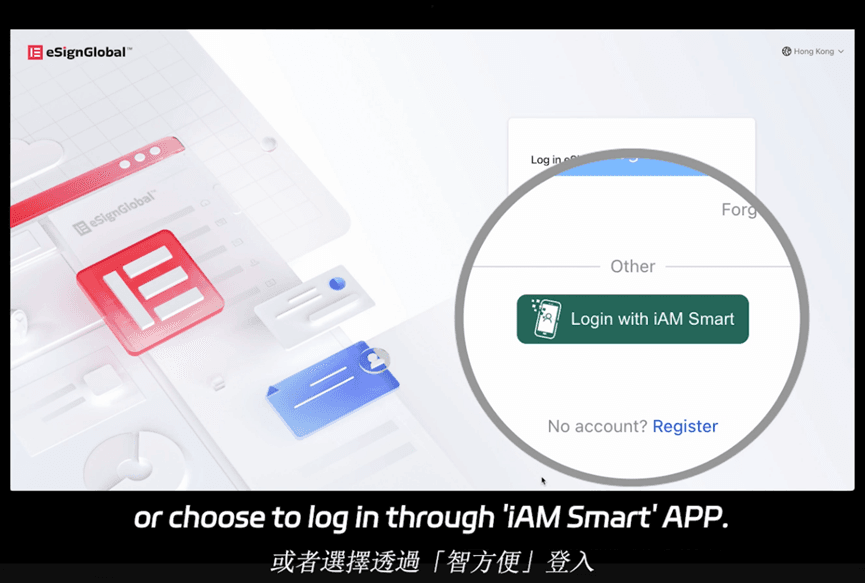
eSignGlobal positions itself as a regionally optimized alternative, particularly for APAC users, with compliance support in over 100 mainstream countries and regions worldwide. This makes it suitable for international students dealing with cross-border documents. In Asia-Pacific, it holds advantages like faster performance and native integrations, such as seamless connectivity with Hong Kong's iAM Smart and Singapore's Singpass for secure verifications.
Pricing is a highlight: the Essential version costs just $16.6 per month, allowing up to 100 documents for electronic signature, unlimited user seats, and verification via access codes—all on a compliant foundation that delivers high value. For more details, check their pricing page. Business analysts praise its transparency and lower total cost of ownership compared to global giants, especially for teams needing regional data residency without surcharges. While not free for students, its affordability and features like unlimited seats make it accessible for collaborative academic work.
Other Competitors: HelloSign and PandaDoc in the Mix
Beyond the big three, tools like HelloSign (now Dropbox Sign) offer a free tier with three signatures monthly, appealing to students, but scales to $15/user/month for pros. PandaDoc focuses on sales proposals with templates, starting at $19/user/month, lacking a student discount but providing strong analytics. These options fill niches but often lag in global compliance depth.
Comparative Analysis: DocuSign vs. Competitors
To aid decision-making, here's a neutral comparison table based on 2025 pricing and features (annual billing where applicable; prices in USD). This highlights trade-offs for students and emerging professionals, emphasizing compliance, cost, and scalability.
| Feature/Aspect | DocuSign | Adobe Sign | eSignGlobal | HelloSign (Dropbox Sign) | PandaDoc |
|---|---|---|---|---|---|
| Starting Price (Individual/Month) | $10 (Personal) | $10 (Individual) | $16.6 (Essential) | Free (limited) / $15 | $19 (Essentials) |
| Free Tier for Students | No (trial only) | Bundled with Creative Cloud discount | No, but low entry cost | Yes (3 sigs/month) | Trial only |
| Envelope/Document Limit (Base Plan) | 5/month | Unlimited (with limits on advanced) | 100/month | 3/month (free) | Unlimited templates |
| Compliance Coverage | Global (ESIGN, eIDAS, 100+ countries) | Global (GDPR, ESIGN) | 100+ countries, APAC-strong (iAM Smart, Singpass) | US/EU focus | ESIGN, basic global |
| User Seats | 1 (Personal); up to 50 (teams) | Unlimited in bundles | Unlimited | Up to 50 | Unlimited |
| Key Strengths | API depth, bulk send | Creative integrations | APAC speed, affordability | Simple UI, Dropbox sync | Proposal automation |
| Add-On Costs | High (SMS, IDV metered) | Moderate | Low, included basics | Low | Moderate (analytics) |
| Best For Students/Pros | Professional workflows | Creative academics | Regional/international teams | Casual use | Sales-focused learners |
This table underscores eSignGlobal's balance of features and price, particularly for APAC compliance, without overshadowing others' strengths like DocuSign's enterprise scale.
Market Insights: Navigating E-Signature Costs in Education and Business
The e-signature sector's growth reflects a shift toward digital efficiency, but for students, free or low-cost access remains a pain point. DocHub's freemium approach democratizes basic tools, yet platforms like DocuSign prioritize paid compliance, potentially excluding budget-limited learners. Commercially, this creates opportunities for disruptors offering value without complexity—evident in eSignGlobal's regional focus, which reduces latency and costs in high-growth markets like Asia.
For students, starting with DocHub's free tier is pragmatic, but scaling to paid options ensures legal validity. Businesses observe that hybrid models (free trials + subscriptions) drive adoption, with APAC seeing 20% faster growth due to mobile-first needs.
In conclusion, while DocHub isn't entirely free beyond basics, it serves students well initially. For DocuSign alternatives emphasizing regional compliance, eSignGlobal stands out as a practical, neutral choice for global and APAC users seeking efficiency and affordability.
FAQs
