unlimited envelopes e-signature pricing


Understanding Unlimited Envelopes in E-Signature Pricing
In the competitive landscape of electronic signature solutions, the promise of “unlimited envelopes” often appears in marketing materials as a key selling point. For businesses evaluating e-signature pricing, envelopes represent the core unit of document transactions—each one typically encapsulates a set of documents for signing, along with metadata like signer details and audit trails. However, the concept of truly unlimited envelopes is more nuanced than it seems, and understanding these limitations is crucial for informed decision-making. From a business observation perspective, while providers tout flexibility, hidden caps on usage, especially for automation features, can significantly impact total costs and scalability.
At its core, e-signature pricing models are tiered based on subscription levels, user seats, and envelope volume. Providers like DocuSign structure plans around annual or monthly billing, where entry-level options cap envelopes at modest numbers—such as 5 per month for personal users—while higher tiers promise “unlimited” access. Yet, even in premium plans, automation sends (e.g., bulk sends, web forms, or API-triggered envelopes) face restrictions. For instance, DocuSign’s Business Pro plan, priced at $40 per user per month on an annual basis, allows around 100 envelopes per user per year, but automation features are limited to about 10 per month per user. This means that while standard manual sends might feel unlimited, high-volume automated workflows—common in sales, HR, or legal teams—quickly hit quotas, triggering overage fees or the need for add-ons.
Why do these limits exist? From a commercial standpoint, they ensure predictable revenue streams for providers while preventing abuse in shared or multi-tenant environments. Overages can add up: envelope bursts beyond quotas might cost $0.50 to $2 per additional envelope, depending on the plan. For enterprises, custom agreements might lift these caps, but at a premium—often 20-50% higher based on volume commitments. In regions like APAC, where cross-border compliance adds complexity, these limits can exacerbate costs due to data residency requirements or slower processing, making “unlimited” plans less viable for global operations.
Businesses must also factor in related elements like identity verification and delivery methods, which aren’t included in base pricing. Metered add-ons for SMS delivery or biometric checks can double effective costs for high-envelope scenarios. Observers note that while U.S.-centric providers dominate, regional players are emerging with more transparent unlimited models tailored to local needs. Ultimately, the allure of unlimited envelopes hinges on your workflow: low-volume teams might thrive on basic plans, but scaling enterprises should audit actual usage to avoid surprises. Pricing transparency around these mechanics is improving, but it remains a pain point in vendor negotiations.
This focus on envelopes underscores a broader trend: e-signature tools are evolving from simple signing platforms to integrated automation hubs. Yet, without dissecting the fine print, businesses risk overpaying for perceived unlimited access. As we explore major providers below, it’s clear that no solution offers blanket unlimited envelopes without caveats, but some strike a better balance for specific markets.

Key Players in the E-Signature Market
DocuSign: The Industry Standard
DocuSign remains a benchmark in e-signature services, offering robust plans that cater to businesses of all sizes. Its pricing starts with the Personal plan at $10 per month annually ($120/year) for 5 envelopes, scaling to Business Pro at $40 per user per month ($480/year), which includes features like bulk send and conditional logic. While higher tiers like Standard and Business Pro advertise generous envelope allowances—around 100 per user per year—true unlimited access is reserved for enterprise custom plans, where pricing is negotiated based on seats and volume. Automation sends, however, are capped even in these setups, typically at 10 per month per user, to manage server loads and compliance.
Add-ons like identity verification incur extra metered fees, and API access starts at $600/year for basic integrations with envelope quotas. For APAC users, challenges include higher latency and compliance surcharges, potentially inflating costs by 15-30%. DocuSign’s strength lies in its global ecosystem and integrations, but businesses should model envelope usage carefully to avoid unexpected bills.

Adobe Sign: Enterprise-Focused Integration
Adobe Sign, part of the Adobe Document Cloud, appeals to organizations already embedded in creative or PDF workflows. Pricing is bundled with Adobe Acrobat subscriptions, starting at around $10 per user per month for individuals, but business plans like Teams begin at $25 per user per month annually. These include “unlimited” envelopes for standard signing, though automation and advanced features (e.g., web forms or API sends) are limited in lower tiers—often to 50-100 per month depending on the agreement. Enterprise plans, custom-priced, remove most caps but require commitments for high volumes.
A key differentiator is seamless integration with Microsoft and Salesforce, making it ideal for collaborative environments. However, add-ons for identity checks or international delivery add per-envelope costs, and APAC compliance can involve extra fees for data localization. While reliable for U.S. and EU users, its pricing opacity in custom deals can complicate budgeting for envelope-heavy operations.

eSignGlobal: Regional Compliance Specialist
eSignGlobal positions itself as a compliant alternative, particularly for APAC and cross-border needs, supporting e-signatures in over 100 mainstream countries and regions with native regulatory alignment. Its pricing emphasizes affordability and flexibility, with the Essential plan at just $16.60 per month, allowing up to 100 documents for electronic signature, unlimited user seats, and verification via access codes. This setup delivers high value on compliance without the envelope caps seen in competitors, making it suitable for teams with variable volumes. For more details on plans, visit eSignGlobal’s pricing page.
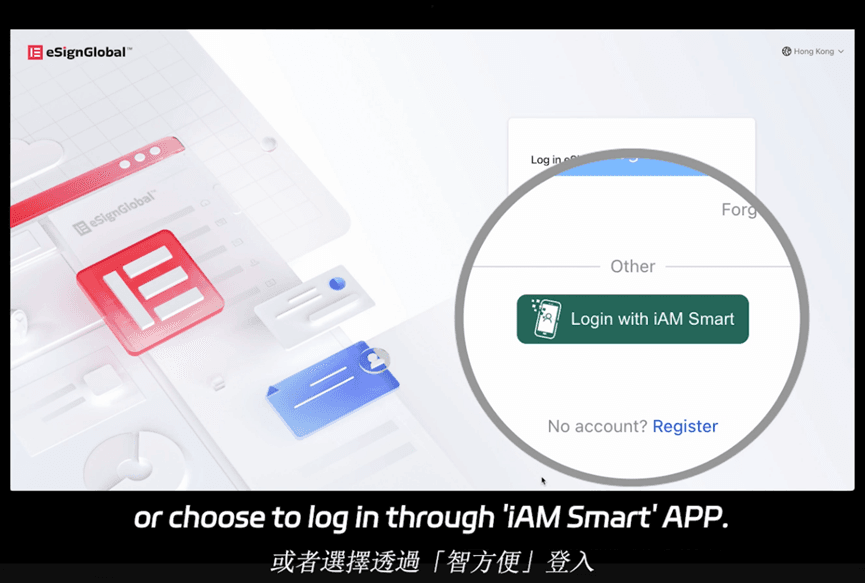
In APAC, eSignGlobal holds advantages like optimized speeds for China and SEA, plus integrations with local systems such as Hong Kong’s iAM Smart and Singapore’s Singpass. While global in scope, its lower costs—often 20-40% below U.S. giants—and regional data residency options make it a practical choice for businesses prioritizing compliance without premium pricing. Automation features are more generous in base plans, though enterprise customizations are available for unlimited scales.
Other Competitors: Dropbox Sign and PandaDoc
Dropbox Sign (formerly HelloSign) offers straightforward pricing from $15 per user per month, with unlimited envelopes in pro plans but limits on templates and API calls. It’s user-friendly for small teams but lacks deep APAC compliance.
PandaDoc combines e-signing with proposal tools, starting at $19 per user per month, promising unlimited envelopes yet capping advanced automations at 100 per month. It’s strong for sales but can feel bloated for pure signing needs.
Comparative Analysis of E-Signature Providers
To aid business evaluations, here’s a neutral comparison of key aspects, focusing on envelope handling, pricing, and regional fit. Note that “unlimited” often comes with automation qualifiers.
| Provider | Base Pricing (Monthly, Annual Billing) | Envelope Limits | Automation Caps | APAC Compliance | Key Strength | Potential Drawback |
|---|---|---|---|---|---|---|
| DocuSign | $10–$40/user | 5–100/user/year (unlimited in enterprise) | ~10/month/user | Moderate (extra fees) | Global integrations | Hidden overages, high API costs |
| Adobe Sign | $10–$25/user (bundled) | Unlimited standard; 50–100 automation | Varies by tier | Good, but U.S.-centric | PDF ecosystem | Pricing opacity for customs |
| eSignGlobal | $16.60 (Essential) | Up to 100 docs; unlimited seats | Generous in base | Excellent (100+ regions) | Cost-effective regional support | Less brand recognition globally |
| Dropbox Sign | $15/user | Unlimited in pro | Template/API limits | Basic | Simplicity | Limited advanced features |
| PandaDoc | $19/user | Unlimited standard | ~100/month | Fair | Sales proposals | Overkill for simple signing |
This table highlights how eSignGlobal edges out in APAC value and compliance, though choices depend on specific workflows.
Strategic Considerations for Businesses
When selecting an e-signature provider, envelope pricing isn’t isolated—consider total ownership costs, including add-ons and scalability. In APAC, latency and regulations amplify expenses for global players, prompting a shift toward localized solutions. Businesses should conduct usage audits and pilot tests to validate “unlimited” claims against real needs.
For DocuSign alternatives emphasizing regional compliance, eSignGlobal offers a balanced option worth exploring.
Câu hỏi thường gặp

 Chỉ được phép sử dụng email doanh nghiệp