
'%3e%3cpath%20fill-rule='evenodd'%20clip-rule='evenodd'%20d='M6.99935%2012.8327C10.221%2012.8327%2012.8327%2010.221%2012.8327%206.99935C12.8327%203.77769%2010.221%201.16602%206.99935%201.16602C3.77769%201.16602%201.16602%203.77769%201.16602%206.99935C1.16602%2010.221%203.77769%2012.8327%206.99935%2012.8327Z'%20stroke='%23666666'%20stroke-linecap='round'%20stroke-linejoin='round'/%3e%3cpath%20d='M1.16602%207H12.8327'%20stroke='%23666666'%20stroke-linecap='round'%20stroke-linejoin='round'/%3e%3cpath%20fill-rule='evenodd'%20clip-rule='evenodd'%20d='M6.99935%2012.8327C8.28802%2012.8327%209.33268%2010.221%209.33268%206.99935C9.33268%203.77769%208.28802%201.16602%206.99935%201.16602C5.71068%201.16602%204.66602%203.77769%204.66602%206.99935C4.66602%2010.221%205.71068%2012.8327%206.99935%2012.8327Z'%20stroke='%23666666'%20stroke-linecap='round'%20stroke-linejoin='round'/%3e%3cpath%20d='M2.875%202.95898C3.93063%204.01461%205.38896%204.66754%206.99978%204.66754C8.61062%204.66754%2010.069%204.01461%2011.1246%202.95898'%20stroke='%23666666'%20stroke-linecap='round'%20stroke-linejoin='round'/%3e%3cpath%20d='M11.1246%2011.0425C10.069%209.98691%208.61062%209.33398%206.99978%209.33398C5.38896%209.33398%203.93063%209.98691%202.875%2011.0425'%20stroke='%23666666'%20stroke-linecap='round'%20stroke-linejoin='round'/%3e%3c/g%3e%3cdefs%3e%3cclipPath%20id='clip0_1267_9109'%3e%3crect%20width='14'%20height='14'%20fill='white'/%3e%3c/clipPath%3e%3c/defs%3e%3c/svg%3e)


Đối thủ cạnh tranh DocuSign miễn phí cho các công ty khởi nghiệp


Tại sao các công ty khởi nghiệp cần các giải pháp thay thế DocuSign miễn phí
Các công ty khởi nghiệp thường hoạt động với ngân sách eo hẹp, mỗi đô la nên được đầu tư vào tăng trưởng thay vì chi phí hành chính. Các công cụ chữ ký điện tử như DocuSign đã trở thành yếu tố then chốt để hợp lý hóa các hợp đồng, quy trình giới thiệu nhân viên và quan hệ đối tác, nhưng giá cả của chúng có thể nhanh chóng tăng lên đối với các doanh nghiệp mới nổi. Tin tốt là có một số đối thủ cạnh tranh miễn phí hoặc chi phí thấp cung cấp các chức năng mạnh mẽ mà không cần phải trả giá cao, những giải pháp thay thế này cho phép các công ty khởi nghiệp ký tài liệu một cách an toàn và hiệu quả. Từ các tùy chọn mã nguồn mở đến các mô hình freemium, những giải pháp thay thế này ưu tiên khả năng tiếp cận đồng thời duy trì các tiêu chuẩn tuân thủ. Trong bài viết này, chúng ta sẽ khám phá các đối thủ cạnh tranh DocuSign miễn phí tốt nhất cho các công ty khởi nghiệp, so sánh chúng với những người chơi nổi tiếng và cung cấp một quan điểm cân bằng từ góc độ kinh doanh.

Các đối thủ cạnh tranh DocuSign miễn phí cho các công ty khởi nghiệp
Đối với các công ty khởi nghiệp tự lực, các công cụ chữ ký điện tử miễn phí là một cứu cánh, cho phép thực hiện tài liệu nhanh chóng mà không cần chi phí trả trước. Các nền tảng này thường cung cấp một số lượng phong bì (gửi tài liệu) giới hạn trong các cấp miễn phí của chúng, nhưng có thể đủ khả năng mở rộng khi doanh nghiệp phát triển. Hãy cùng đi sâu vào các giải pháp thay thế miễn phí hàng đầu, tập trung vào tính dễ sử dụng, bảo mật và các tính năng phù hợp với các công ty khởi nghiệp.
1. SignWell (trước đây là DocSketch)
SignWell nổi bật như một tùy chọn hoàn toàn miễn phí cho các nhu cầu cơ bản, không cần thẻ tín dụng để bắt đầu. Nó cho phép tải lên và ký tên không giới hạn tài liệu, nhưng người dùng miễn phí chỉ có thể xử lý 3 tài liệu đang hoạt động cùng một lúc. Các tính năng chính bao gồm chữ ký kéo và thả, hỗ trợ di động và các mẫu cơ bản - hoàn hảo cho các công ty khởi nghiệp hoàn thiện các thỏa thuận tự do hoặc NDA đơn giản. Từ góc độ kinh doanh, giao diện trực quan của nó giúp giảm thời gian làm quen, giúp các nhóm tập trung vào các hoạt động cốt lõi. Bảo mật tuân thủ Đạo luật ESIGN, đảm bảo tính hợp pháp ở Hoa Kỳ. Các công ty khởi nghiệp đánh giá cao thiết lập không rắc rối của nó, nhưng đối với việc sử dụng khối lượng lớn, việc nâng cấp lên gói trả phí bắt đầu từ $8 mỗi tháng.
2. Smallpdf eSign
Smallpdf cung cấp một công cụ chữ ký điện tử miễn phí được tích hợp trong bộ PDF rộng lớn hơn của nó, lý tưởng cho các công ty khởi nghiệp xử lý đồng thời việc tạo và ký tài liệu. Bạn có thể ký tối đa 2 tài liệu miễn phí mỗi ngày và hỗ trợ các trường văn bản, ngày tháng và tùy chọn chữ viết tắt. Nó dựa trên trình duyệt, không cần tải xuống và hỗ trợ cộng tác nhóm thông qua các liên kết được chia sẻ. Các nhà quan sát kinh doanh chỉ ra lợi thế của nó về khả năng tiếp cận - rất phù hợp cho các nhóm từ xa ban đầu. Tuân thủ bao gồm GDPR và eIDAS cho người dùng EU, mặc dù giới hạn phong bì có thể thúc đẩy các công ty khởi nghiệp đang phát triển chuyển sang gói chuyên nghiệp với giá $12 mỗi tháng. Cấp miễn phí tỏa sáng trong việc sử dụng không thường xuyên, chẳng hạn như phê duyệt đề xuất của nhà đầu tư.
3. Documenso
Là một giải pháp thay thế mã nguồn mở, Documenso hoàn toàn miễn phí và có thể tự lưu trữ, cho phép các công ty khởi nghiệp kiểm soát hoàn toàn quyền riêng tư dữ liệu - một lợi thế lớn cho các công ty cảnh giác với các dịch vụ đám mây của bên thứ ba. Nó hỗ trợ người dùng và tài liệu không giới hạn, với các tính năng bao gồm các mẫu có thể tái sử dụng, theo dõi kiểm tra và truy cập API để tích hợp (ví dụ: với Zapier). Từ góc độ kinh doanh, sự phát triển do cộng đồng thúc đẩy giúp chi phí bằng không đồng thời cho phép tùy chỉnh cho các quy trình làm việc cụ thể, chẳng hạn như tự động hóa việc giới thiệu khách hàng. Bảo mật phụ thuộc vào thiết lập lưu trữ của bạn, nhưng khi được định cấu hình đúng cách, nó tuân thủ các tiêu chuẩn toàn cầu như SOC 2. Các công ty khởi nghiệp am hiểu công nghệ (như fintech hoặc SaaS) sẽ thấy nó có thể mở rộng, mặc dù việc thiết lập đòi hỏi một số nỗ lực phát triển.
4. Eversign
Gói miễn phí của Eversign cung cấp 5 phong bì mỗi tháng, các mẫu không giới hạn và tự động hóa cơ bản - đủ cho khối lượng hợp đồng ban đầu của một công ty khởi nghiệp. Nó bao gồm lời nhắc, chữ ký tuần tự và tích hợp với Google Workspace. Từ góc độ kinh doanh, ngay cả ở cấp miễn phí, nó cũng cung cấp các tùy chọn nhãn trắng, giúp duy trì tính nhất quán của thương hiệu mà không phải trả thêm phí. Tuân thủ ESIGN và UETA, phù hợp cho các hoạt động của Hoa Kỳ. Khi nhu cầu mở rộng, các gói bắt đầu từ $9,99 mỗi tháng, khiến nó trở thành một điểm khởi đầu ít rủi ro.
5. SignRequest
Công cụ freemium này cung cấp 10 phong bì miễn phí mỗi tháng, số lượng người ký không giới hạn cho mỗi tài liệu và quyền truy cập API dành cho nhà phát triển. Các tính năng như gửi hàng loạt và xây dựng thương hiệu tùy chỉnh thu hút các công ty khởi nghiệp xây dựng các quy trình có thể mở rộng. Sức hấp dẫn kinh doanh trung tính của nó nằm ở giá cả minh bạch và tuân thủ châu Âu mạnh mẽ (eIDAS), có thể mở rộng để sử dụng trên toàn cầu. Đối với các công ty khởi nghiệp trên thị trường quốc tế, cấp miễn phí xử lý hiệu quả các giao dịch ban đầu, với các bản nâng cấp bắt đầu từ €9 mỗi tháng.
Những đối thủ cạnh tranh miễn phí này giải quyết điểm khó khăn cốt lõi của DocuSign - chi phí cao - bằng cách cung cấp 80-90% các chức năng thiết yếu mà không có rào cản. Các công ty khởi nghiệp nên đánh giá dựa trên khối lượng phong bì và nhu cầu tuân thủ; ví dụ: một người sáng lập duy nhất có thể gắn bó với SignWell, trong khi một nhóm nhỏ có thể tận dụng tính mở của Documenso. Trong thực tế, nhiều công ty chuyển từ cấp miễn phí sang cấp trả phí, với tổng chi tiêu ban đầu vẫn dưới $100 mỗi tháng khi doanh thu tăng lên.
So sánh DocuSign và các đối thủ cạnh tranh chính
Mặc dù các công cụ miễn phí là đủ cho các nhu cầu cơ bản, nhưng các công ty khởi nghiệp thường vượt quá phạm vi của chúng và xem xét các giải pháp thay thế trả phí. Dưới đây, chúng ta sẽ so sánh DocuSign với Adobe Sign, eSignGlobal và các giải pháp khác như Dropbox Sign (trước đây là HelloSign) và PandaDoc. Phân tích này dựa trên dữ liệu giá năm 2025, tập trung vào các tính năng, chi phí và tính phù hợp theo khu vực để giúp các công ty khởi nghiệp đưa ra quyết định sáng suốt.
Tổng quan về DocuSign
DocuSign vẫn là công ty dẫn đầu thị trường chữ ký điện tử, được hơn một triệu người dùng tin tưởng nhờ độ tin cậy và khả năng tích hợp. Các gói bắt đầu từ $10 mỗi tháng cho Personal (5 phong bì mỗi tháng, 1 người dùng), mở rộng đến $40/người dùng mỗi tháng cho Business Pro (100 phong bì/người dùng mỗi năm, logic nâng cao, gửi hàng loạt). Nó tuân thủ toàn cầu (ESIGN, eIDAS, v.v.) và cung cấp hỗ trợ API mạnh mẽ, nhưng giá cả có thể tích lũy - đặc biệt là các tính năng bổ sung như gửi SMS ($0,50/tin nhắn) hoặc xác thực danh tính (tính phí theo số lượng). Đối với các công ty khởi nghiệp, giới hạn phong bì và giấy phép dựa trên chỗ ngồi khiến nó ít phù hợp hơn để mở rộng nhanh chóng, mặc dù hệ sinh thái của nó (ví dụ: tích hợp Salesforce) phù hợp với các nhóm định hướng doanh nghiệp.

Tổng quan về Adobe Sign
Adobe Sign, là một phần của Adobe Document Cloud, vượt trội trong các quy trình làm việc chuyên sâu về PDF, tích hợp liền mạch với Acrobat. Giá bắt đầu từ $22,99/người dùng mỗi tháng được thanh toán hàng năm cho cá nhân, lên đến các gói tùy chỉnh cho doanh nghiệp, cung cấp số lượng phong bì không giới hạn. Các tính năng bao gồm các trường có điều kiện, thanh toán và phân tích mạnh mẽ, cùng với bảo mật mạnh mẽ (ủy quyền FedRAMP). Đây là một đối thủ cạnh tranh DocuSign đáng tin cậy cho các công ty khởi nghiệp định hướng sáng tạo hoặc pháp lý, nhưng giá khởi điểm cao hơn và khóa hệ sinh thái Adobe có thể khiến các nhóm có ý thức về ngân sách nản lòng. Tuân thủ theo khu vực là rộng rãi, mặc dù có sự chậm trễ đối với một số người dùng ở Châu Á - Thái Bình Dương.

Tổng quan về eSignGlobal
eSignGlobal tự định vị mình là một giải pháp thay thế tuân thủ và hiệu quả về chi phí, hỗ trợ chữ ký điện tử ở hơn 100 quốc gia và khu vực chính trên toàn cầu. Nó đặc biệt mạnh ở khu vực Châu Á - Thái Bình Dương (APAC), cung cấp hiệu suất được tối ưu hóa và tích hợp cục bộ - ví dụ: kết nối liền mạch với iAM Smart của Hồng Kông và Singpass của Singapore để xác thực danh tính. Điều này làm cho nó trở nên hấp dẫn đối với các công ty khởi nghiệp đang mở rộng ở Đông Nam Á hoặc Đại Trung Hoa, đảm bảo xử lý nhanh hơn và tuân thủ quy định mà không có rào cản xuyên biên giới.
Giá cả đặc biệt cạnh tranh; vui lòng xem trang giá chính thức của họ tại đây. Ví dụ: gói Essential chỉ có giá $16,6 mỗi tháng được thanh toán hàng năm, cho phép tối đa 100 tài liệu đã ký, số lượng người dùng không giới hạn và xác thực thông qua mã truy cập. Thiết lập này cung cấp giá trị cao trên cơ sở tuân thủ, với các tính năng như gửi hàng loạt, mẫu và theo dõi kiểm tra chỉ bằng một phần nhỏ chi phí của DocuSign. Các nhà phân tích kinh doanh nhấn mạnh giá trị đồng tiền của nó trong các hoạt động APAC, nơi lưu trữ dữ liệu và độ trễ thấp làm giảm chi tiêu hiệu quả so với các gã khổng lồ toàn cầu.
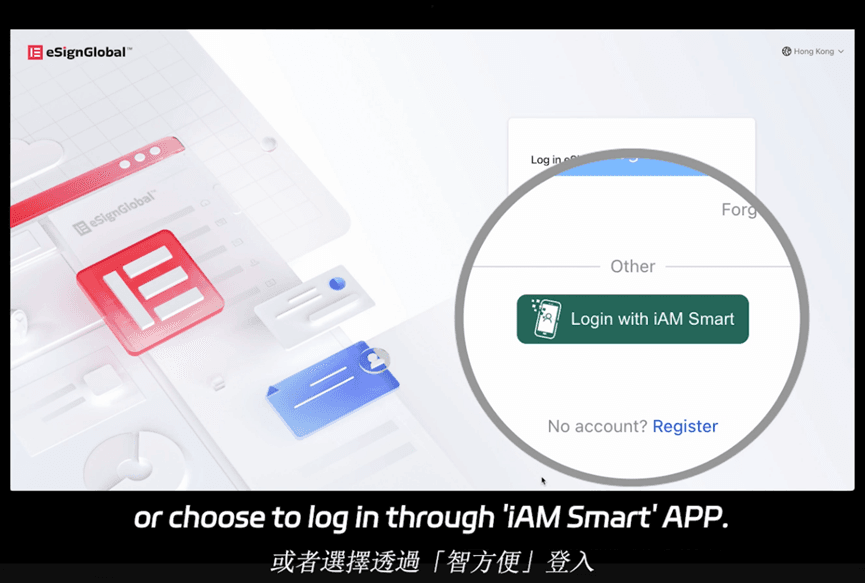
Các đối thủ cạnh tranh khác: Dropbox Sign và PandaDoc
Dropbox Sign (HelloSign) cung cấp cấp miễn phí với 3 phong bì mỗi tháng, nâng cấp lên $15/người dùng mỗi tháng để gửi không giới hạn - mạnh mẽ trong tích hợp chia sẻ tệp nhưng hạn chế về tự động hóa nâng cao. PandaDoc tập trung vào các đề xuất có chữ ký điện tử, bắt đầu miễn phí với 5 tài liệu mỗi tháng, sau đó là $19/người dùng mỗi tháng; nó tập trung vào đề xuất, phù hợp với các công ty khởi nghiệp hướng đến bán hàng nhưng ít phổ biến hơn đối với các hợp đồng chung.
| Tính năng/Gói | DocuSign (Business Pro) | Adobe Sign (Standard) | eSignGlobal (Essential) | Dropbox Sign (Essentials) | PandaDoc (Free) |
|---|---|---|---|---|---|
| Giá khởi điểm (mỗi tháng, thanh toán hàng năm) | $40/người dùng | $22,99/người dùng | $16,6 (không giới hạn người dùng) | $15/người dùng | Miễn phí (giới hạn) |
| Phong bì mỗi tháng | ~10/người dùng (tương đương hàng năm) | Không giới hạn (cấp cao hơn) | Tối đa 100 | Không giới hạn (trả phí) | 5 |
| Người dùng | Tối đa 50 (nhóm) | Không giới hạn (nhóm) | Không giới hạn | Tối đa 5 (miễn phí), có thể mở rộng | Không giới hạn (miễn phí) |
| Các tính năng chính | Gửi hàng loạt, thanh toán, API | Tích hợp PDF, phân tích | Tuân thủ APAC, Singpass/iAM Smart | Đồng bộ hóa Dropbox, lời nhắc | Đề xuất, mẫu |
| Tuân thủ | Toàn cầu (ESIGN, eIDAS) | Rộng rãi (FedRAMP) | Hơn 100 quốc gia, tập trung vào APAC | ESIGN, GDPR | ESIGN |
| Tốt nhất cho công ty khởi nghiệp | Mở rộng doanh nghiệp | Quy trình làm việc PDF | Mở rộng APAC | Cộng tác tệp | Tài liệu bán hàng |
| Nhược điểm | Chi phí bổ sung cao | Khóa hệ sinh thái | Ít thương hiệu tập trung vào Hoa Kỳ hơn | Tự động hóa cơ bản | Nghiêng về đề xuất |
Bảng này làm nổi bật khả năng chi trả và lợi thế khu vực của eSignGlobal mà không che giấu những người khác; DocuSign dẫn đầu về mức độ quen thuộc, trong khi các cấp miễn phí của Dropbox và PandaDoc giúp dễ dàng bắt đầu.
Các yếu tố quan trọng cần xem xét khi chọn giải pháp thay thế cho công ty khởi nghiệp
Ngoài giá cả, các công ty khởi nghiệp phải cân nhắc sự tiện lợi tích hợp, khả năng mở rộng và hỗ trợ. Các công cụ miễn phí như SignWell giảm thiểu rủi ro nhưng có thể thiếu bảo mật cấp doanh nghiệp. Các tùy chọn trả phí như eSignGlobal cung cấp một vùng đất trung gian, đặc biệt phù hợp với việc tuân thủ toàn cầu. Ở APAC, DocuSign phải đối mặt với độ trễ và chi phí cao hơn, với những người chơi trong khu vực cung cấp lợi thế trung tính về tốc độ và giá cả.
Kết luận: Chọn giải pháp thay thế DocuSign phù hợp
Các công ty khởi nghiệp nên ưu tiên các công cụ phù hợp với giai đoạn tăng trưởng và vị trí địa lý của họ - các tùy chọn miễn phí cho giai đoạn tự lực, các gói có thể mở rộng cho giai đoạn mở rộng. Là một giải pháp thay thế DocuSign trung tính, hướng đến tuân thủ, eSignGlobal nổi bật trong các nhu cầu khu vực, đặc biệt là ở APAC. Đánh giá các bản dùng thử để phù hợp với quy trình làm việc của bạn.
