

signing construction permits


The Importance of Efficient Signing for Construction Permits
In the fast-paced construction industry, securing approvals for projects often hinges on the timely signing of permits and related documents. From site plans and environmental clearances to building licenses, these paperwork-intensive processes can delay projects by weeks or even months if not handled efficiently. Businesses in construction are increasingly turning to digital tools to streamline this, reducing errors, enhancing compliance, and accelerating timelines. Electronic signatures, in particular, offer a secure and verifiable way to handle these critical documents, ensuring that all parties—from contractors and architects to regulatory bodies—can sign off without the need for physical presence.
This shift is driven by the need for agility in an industry where delays translate to significant financial losses. For instance, a single permitting bottleneck can inflate costs by 10-20% due to idle labor and equipment. Electronic signature platforms address this by enabling remote, instant approvals while maintaining legal validity across jurisdictions.
Challenges in Traditional Construction Permit Signing
Traditional methods of signing construction permits rely heavily on paper-based workflows, which pose several hurdles for modern businesses. Printing, mailing, and manual tracking not only consume time but also increase the risk of lost documents or unauthorized alterations. In high-stakes environments like construction sites, where weather or remote locations complicate logistics, these issues are amplified. Moreover, ensuring chain-of-custody for signatures—vital for audits and disputes—becomes cumbersome without digital trails.
From a business perspective, these inefficiencies strain resources. Small firms may lack the administrative bandwidth, while larger enterprises face scalability issues as project volumes grow. Compliance adds another layer: varying regulations across regions demand tamper-proof records, and non-compliance can lead to fines or project halts. In the U.S., for example, the ESIGN Act and UETA provide a federal framework for electronic signatures’ legal equivalence to wet-ink ones, but state-level variations in construction permitting require careful navigation. Similarly, in the EU, eIDAS regulations classify electronic signatures into basic, advanced, and qualified levels, with construction documents often needing advanced or qualified for enforceability. In Asia-Pacific markets like Hong Kong and Singapore, local laws such as the Electronic Transactions Ordinance (Hong Kong) and Electronic Transactions Act (Singapore) mandate secure, auditable digital signing to uphold permit validity, emphasizing identity verification to prevent fraud in public infrastructure projects.
These regulatory nuances underscore the need for platforms that not only digitize signing but also embed compliance features tailored to construction workflows.
How Electronic Signatures Transform Construction Permit Processes
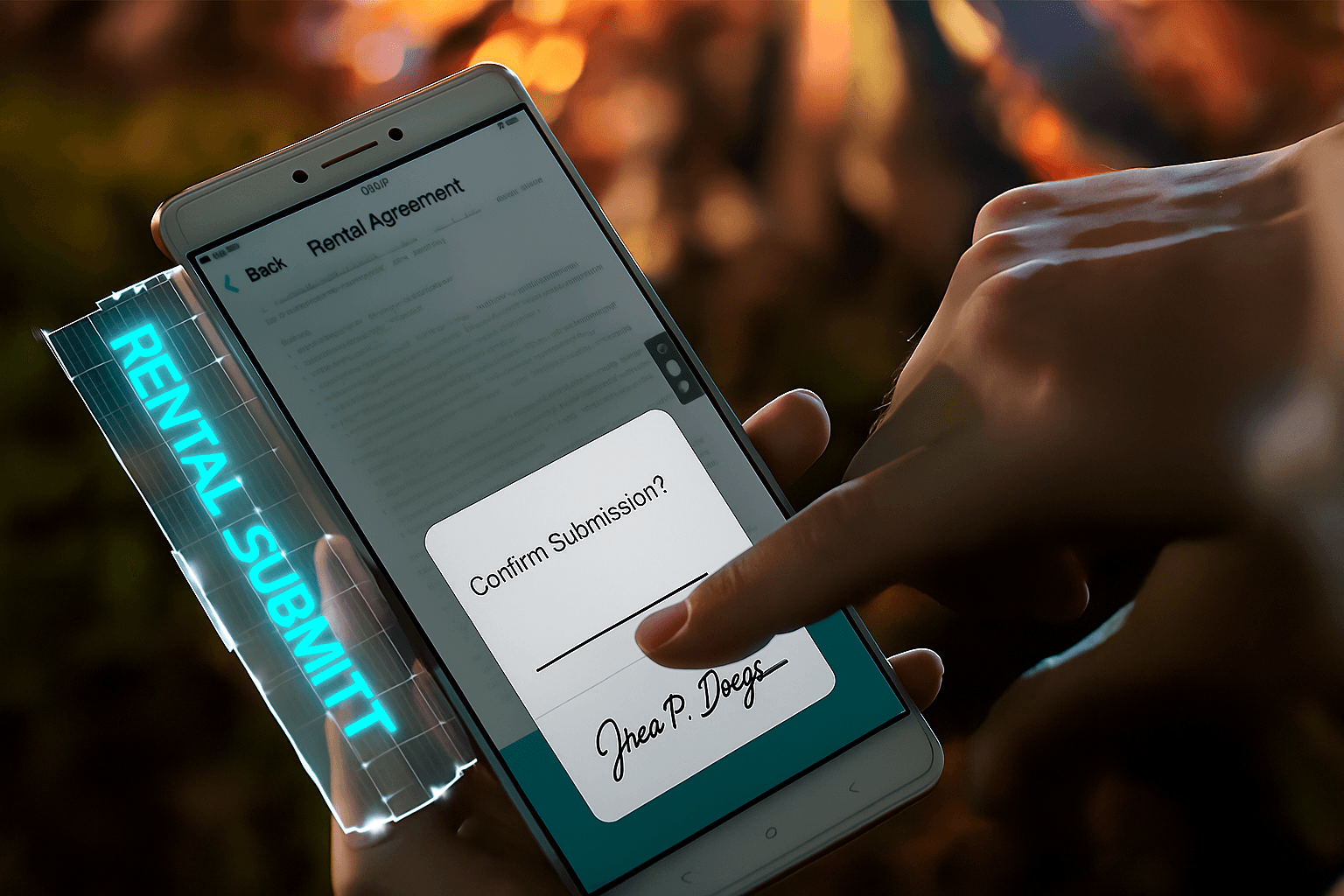
Electronic signatures revolutionize construction permit signing by enabling seamless, mobile-friendly workflows that fit the industry’s on-the-go nature. Imagine a project manager at a remote site uploading a permit draft via a tablet, routing it for multi-party approval, and receiving completed signatures in real-time— all without printing a single page. This not only cuts turnaround times from days to hours but also minimizes errors through automated fields for dates, stamps, and annotations specific to construction docs like blueprints or safety certifications.
Key benefits include enhanced security via encryption and audit logs, which track every view, edit, and sign event, crucial for regulatory reviews. For construction firms, features like bulk sending allow simultaneous distribution of permits to multiple stakeholders, such as engineers, inspectors, and local authorities. Integration with project management tools further streamlines this, syncing signed permits directly into workflows for immediate action.
In terms of compliance, electronic platforms ensure signatures meet jurisdictional standards. For global operations, this means supporting international laws: the U.S. ESIGN/UETA for domestic projects, eIDAS for European tenders, and APAC-specific integrations like biometric verification. Businesses report up to 90% efficiency gains, with reduced paper use aligning to sustainability goals—a growing priority in green building certifications.
From a commercial standpoint, adopting these tools levels the playing field. Smaller contractors gain enterprise-grade capabilities without hefty upfront costs, while larger firms optimize for volume, handling thousands of permits annually. However, selection requires balancing features, pricing, and regional support to avoid pitfalls like integration delays or hidden fees.
Comparing Electronic Signature Solutions for Construction
When evaluating platforms for signing construction permits, several established players stand out. Each offers robust features but differs in pricing, compliance focus, and ease of use for industry-specific needs. Below, we overview key options, including Adobe Sign, DocuSign, eSignGlobal, and HelloSign (now part of Dropbox), highlighting their suitability for construction workflows.
Adobe Sign: Versatile Integration for Enterprise Workflows
Adobe Sign excels in seamless integration with productivity suites like Microsoft Office and Adobe’s ecosystem, making it ideal for construction teams already using PDF-heavy tools for permit drafting. It supports advanced workflows, including conditional routing for multi-stage approvals—useful for sequential sign-offs on zoning permits or change orders. Security features like tamper-evident seals align with construction’s need for verifiable records, and it complies with global standards such as eIDAS and ESIGN. Pricing starts at around $10-40 per user/month, scaling with volume, though add-ons for API access can increase costs. For construction, its mobile app facilitates field signing, but some users note a steeper learning curve for custom templates.

DocuSign: Industry Leader with Broad Adoption
DocuSign remains a go-to for construction due to its widespread use in real estate and permitting, offering intuitive templates for common documents like building contracts and inspections. It provides strong audit trails and integrations with CRM systems like Salesforce, aiding project tracking. Compliance is comprehensive, covering ESIGN, UETA, and eIDAS, with options for qualified signatures in regulated sectors. Pricing is per-user, starting at $10/month for basics up to $40+ for advanced plans, which include unlimited envelopes but can escalate for teams. Its strength lies in reliability for high-volume signing, though international latency can affect APAC-based projects.

eSignGlobal: APAC-Focused with Global Reach
eSignGlobal positions itself as a compliant alternative, supporting electronic signatures in over 100 mainstream countries and regions worldwide. It holds an edge in the Asia-Pacific, where it integrates deeply with local regulations, such as Hong Kong’s iAM Smart and Singapore’s Singpass for secure identity verification—essential for construction permits involving government approvals. On compliance, it adheres to ESIGN, eIDAS, and APAC laws like the Electronic Transactions Ordinance, ensuring legal enforceability. Pricing is notably cost-effective: the Essential plan at $16.6/month (or $199/year) allows sending up to 100 documents, unlimited user seats, and verification via access codes, offering high value without per-seat fees. This makes it appealing for construction firms scaling teams without budget strain. For detailed plans, check eSignGlobal’s pricing page. Its AI features, like risk assessment for contract terms, add utility for reviewing permit clauses, though API depth may require the Professional tier.

HelloSign (Dropbox Sign): Simple and Affordable for SMBs
HelloSign, now under Dropbox, emphasizes user-friendliness with drag-and-drop signing, suiting smaller construction outfits handling occasional permits. It offers solid compliance with ESIGN and UETA, plus basic eIDAS support, and integrates well with cloud storage for easy document access. Features like reusable templates streamline repetitive tasks, such as safety waivers. Pricing begins at $15/month for unlimited documents, with a free tier for light use, making it budget-friendly. However, it lacks advanced APAC-specific authentications, potentially limiting global construction projects.
Competitor Comparison Table
| Feature/Aspect | Adobe Sign | DocuSign | eSignGlobal | HelloSign (Dropbox Sign) |
|---|---|---|---|---|
| Pricing (Entry Level) | $10-40/user/month | $10-40/user/month | $16.6/month (unlimited users) | $15/month (unlimited docs) |
| User Limits | Per-user billing | Per-user billing | Unlimited seats | Unlimited in paid plans |
| Compliance Focus | Global (eIDAS, ESIGN) | Global (eIDAS, ESIGN, UETA) | 100+ countries; APAC strong (iAM Smart, Singpass) | U.S./EU basics (ESIGN, eIDAS) |
| Construction Fit | PDF integrations, conditional workflows | Templates for permits, CRM sync | Bulk send, mobile field signing, AI risk checks | Simple templates, cloud storage |
| API/Integrations | Strong with Adobe/MS | Extensive (Salesforce, etc.) | Included in Pro; Webhooks | Basic Dropbox ecosystem |
| Strengths | Enterprise scalability | Market leader reliability | Cost-effective APAC compliance | Ease for small teams |
| Limitations | Learning curve | Per-user costs add up | Less brand recognition | Limited advanced features |
This table illustrates trade-offs: while DocuSign and Adobe Sign dominate in familiarity, eSignGlobal and HelloSign provide accessible alternatives for cost-conscious or regionally focused users.
Conclusion
Navigating electronic signatures for construction permits demands tools that prioritize speed, security, and compliance amid diverse regulations. As businesses weigh options, DocuSign serves as a reliable benchmark, but for those seeking alternatives—especially in APAC with strong regional compliance—eSignGlobal emerges as a practical choice. Ultimately, the best fit depends on project scale, geography, and budget.
Câu hỏi thường gặp

 Chỉ được phép sử dụng email doanh nghiệp

 +852-46749867
 sales@esignglobal.com
 support@esignglobal.com
 Tư vấn trực tuyến

