
'%3e%3cpath%20fill-rule='evenodd'%20clip-rule='evenodd'%20d='M6.99935%2012.8327C10.221%2012.8327%2012.8327%2010.221%2012.8327%206.99935C12.8327%203.77769%2010.221%201.16602%206.99935%201.16602C3.77769%201.16602%201.16602%203.77769%201.16602%206.99935C1.16602%2010.221%203.77769%2012.8327%206.99935%2012.8327Z'%20stroke='%23666666'%20stroke-linecap='round'%20stroke-linejoin='round'/%3e%3cpath%20d='M1.16602%207H12.8327'%20stroke='%23666666'%20stroke-linecap='round'%20stroke-linejoin='round'/%3e%3cpath%20fill-rule='evenodd'%20clip-rule='evenodd'%20d='M6.99935%2012.8327C8.28802%2012.8327%209.33268%2010.221%209.33268%206.99935C9.33268%203.77769%208.28802%201.16602%206.99935%201.16602C5.71068%201.16602%204.66602%203.77769%204.66602%206.99935C4.66602%2010.221%205.71068%2012.8327%206.99935%2012.8327Z'%20stroke='%23666666'%20stroke-linecap='round'%20stroke-linejoin='round'/%3e%3cpath%20d='M2.875%202.95898C3.93063%204.01461%205.38896%204.66754%206.99978%204.66754C8.61062%204.66754%2010.069%204.01461%2011.1246%202.95898'%20stroke='%23666666'%20stroke-linecap='round'%20stroke-linejoin='round'/%3e%3cpath%20d='M11.1246%2011.0425C10.069%209.98691%208.61062%209.33398%206.99978%209.33398C5.38896%209.33398%203.93063%209.98691%202.875%2011.0425'%20stroke='%23666666'%20stroke-linecap='round'%20stroke-linejoin='round'/%3e%3c/g%3e%3cdefs%3e%3cclipPath%20id='clip0_1267_9109'%3e%3crect%20width='14'%20height='14'%20fill='white'/%3e%3c/clipPath%3e%3c/defs%3e%3c/svg%3e)


การลงนามในเอกสารการควบรวมและซื้อกิจการ


การนำทางลายเซ็นอิเล็กทรอนิกส์สำหรับเอกสารการควบรวมและซื้อกิจการ
ในโลกที่รวดเร็วของการควบรวมและซื้อกิจการ (M&A) การดำเนินการเอกสารอย่างทันท่วงทีและปลอดภัยสามารถสร้างหรือทำลายข้อตกลงได้ กระบวนการลงนามด้วยหมึกแบบดั้งเดิมมักจะทำให้เกิดความล่าช้า อุปสรรคด้านลอจิสติกส์ และความเสี่ยงที่เกี่ยวข้องกับการจัดการทางกายภาพ ลายเซ็นอิเล็กทรอนิกส์ได้กลายเป็นโซลูชันที่เปลี่ยนแปลงไป ทำให้ทุกฝ่ายสามารถตรวจสอบ เจรจา และลงนามในข้อตกลงที่ซับซ้อนจากระยะไกล ในขณะที่ยังคงความถูกต้องตามกฎหมาย ตั้งแต่ข้อตกลงรักษาความลับ (NDAs) ไปจนถึงสัญญา M&A ที่ชัดเจน ลายเซ็นอิเล็กทรอนิกส์ช่วยปรับปรุงขั้นตอนการทำงาน ลดต้นทุน และเพิ่มการปฏิบัติตามข้อกำหนดในการทำธุรกรรมทั่วโลก
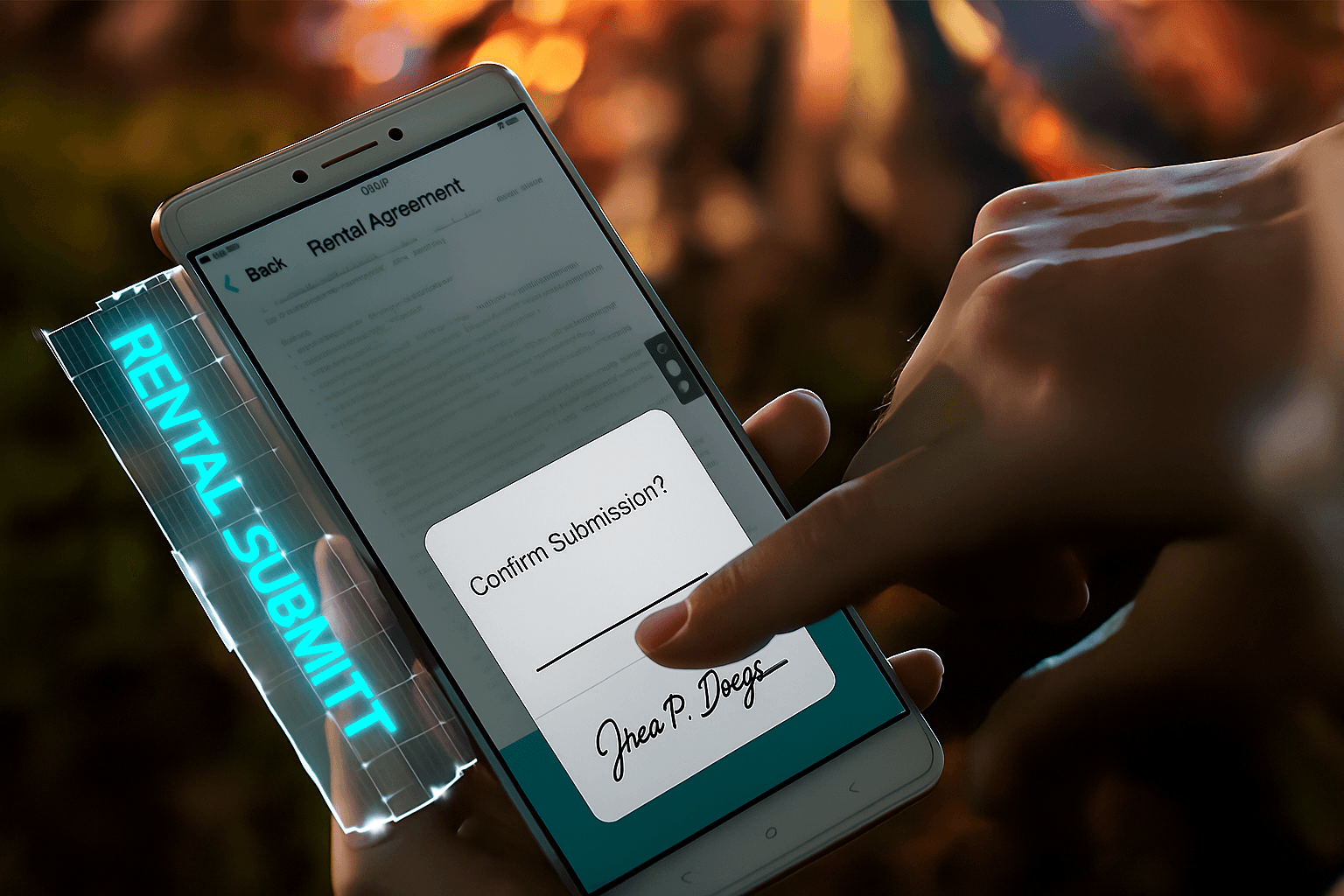
บทบาทสำคัญของลายเซ็นอิเล็กทรอนิกส์ในการทำธุรกรรม M&A
การทำธุรกรรม M&A เกี่ยวข้องกับเอกสารจำนวนมากที่ต้องมีผู้ลงนามหลายคน ซึ่งมักจะข้ามพรมแดนและเขตเวลา ลายเซ็นอิเล็กทรอนิกส์จัดการกับความท้าทายเหล่านี้โดยการแปลงกระบวนการลงนามทั้งหมดให้เป็นดิจิทัล ตั้งแต่ร่างเริ่มต้นไปจนถึงการดำเนินการขั้นสุดท้าย ในไทม์ไลน์ M&A ทั่วไป ฝ่ายต่างๆ จะแลกเปลี่ยนข้อตกลง เงื่อนไข รายงานการตรวจสอบสถานะ และการอนุมัติจากผู้ถือหุ้น ซึ่งแต่ละขั้นตอนจะได้รับประโยชน์จากแพลตฟอร์มลายเซ็นอิเล็กทรอนิกส์ที่รองรับการติดตามแบบเรียลไทม์ เส้นทางการตรวจสอบ และการกำหนดเส้นทางตามเงื่อนไข
พิจารณาขั้นตอนการตรวจสอบสถานะ: ห้องข้อมูลขนาดใหญ่ที่เต็มไปด้วยงบการเงินและการโอนทรัพย์สินทางปัญญา สามารถลงนามได้ทันที ลดความล่าช้าที่อาจบ่อนทำลายโมเมนตัมของข้อตกลง แพลตฟอร์มอนุญาตให้ส่งเป็นชุด ซึ่งข้อตกลงเสริมหลายร้อยฉบับ เช่น สัญญาจ้างงานสำหรับพนักงานที่ถูกซื้อ สามารถแจกจ่ายพร้อมกันผ่านทางอีเมล SMS หรือลิงก์ที่ปลอดภัย สิ่งนี้ไม่เพียงแต่เร่งการปิดข้อตกลง ซึ่งอาจลดเวลาในการทำธุรกรรมลงหลายสัปดาห์ แต่ยังฝังคุณสมบัติความปลอดภัย เช่น การเข้ารหัส การตรวจสอบไบโอเมตริกซ์ และซีลป้องกันการงัดแงะ เพื่อปกป้องข้อมูลที่ละเอียดอ่อน
จากมุมมองทางธุรกิจ ลายเซ็นอิเล็กทรอนิกส์ช่วยลดความเสี่ยงในการทำ M&A ที่มีความเสี่ยงสูง ตัวอย่างเช่น ในการทำธุรกรรมข้ามพรมแดน ความแตกต่างในวิธีการลงนามอาจนำไปสู่ข้อพิพาทเกี่ยวกับความถูกต้อง แพลตฟอร์มขั้นสูงช่วยให้มั่นใจได้ว่าลายเซ็นเป็นไปตามมาตรฐานหลักฐาน โดยให้บันทึกที่ไม่สามารถเปลี่ยนแปลงได้ ซึ่งศาลยอมรับว่าเทียบเท่ากับลายเซ็นด้วยลายมือ อย่างไรก็ตาม การเลือกเครื่องมือที่เหมาะสมต้องสร้างสมดุลระหว่างคุณสมบัติ เช่น การรวมเข้ากับระบบ CRM (เช่น Salesforce สำหรับการติดตามการทำธุรกรรม) และความสามารถในการปรับขนาดสำหรับปริมาณระดับองค์กร
การปฏิบัติตามกฎระเบียบเป็นสิ่งสำคัญ โดยเฉพาะอย่างยิ่งในการทำ M&A ซึ่งการยื่นขอต่อต้านการผูกขาดหรือการอนุมัติตามกฎระเบียบขึ้นอยู่กับการดำเนินการที่ตรวจสอบได้ ในสหรัฐอเมริกา พระราชบัญญัติ ESIGN (ปี 2000) และ UETA (พระราชบัญญัติธุรกรรมทางอิเล็กทรอนิกส์แบบเดียวกัน ซึ่งนำมาใช้โดย 49 รัฐ) ให้ลายเซ็นอิเล็กทรอนิกส์มีผลบังคับใช้ทางกฎหมายเช่นเดียวกับลายเซ็นด้วยตนเอง โดยมีเงื่อนไขว่าแสดงให้เห็นถึงเจตนา ความยินยอม และความสมบูรณ์ของบันทึก กรอบการทำงานนี้อำนวยความสะดวกในการทำ M&A ที่ราบรื่นยิ่งขึ้นในอุตสาหกรรมต่างๆ เช่น เทคโนโลยีและการเงิน ตัวอย่างเช่น การควบรวมกิจการระหว่าง Microsoft และ Activision Blizzard มูลค่า 69 พันล้านดอลลาร์ อาศัยกระบวนการดิจิทัลเพื่อประสิทธิภาพ
ในสหภาพยุโรป กฎระเบียบ eIDAS (ปี 2014 อัปเดตปี 2024) แบ่งลายเซ็นออกเป็นระดับง่าย ขั้นสูง และมีคุณสมบัติ โดยลายเซ็นอิเล็กทรอนิกส์ที่มีคุณสมบัติ (QES) ให้การรับประกันสูงสุดผ่านผู้ให้บริการที่ได้รับความไว้วางใจที่ได้รับการรับรอง สิ่งนี้มีความสำคัญอย่างยิ่งสำหรับการทำ M&A ภายในสหภาพยุโรป เพื่อให้มั่นใจถึงผลบังคับใช้ข้ามพรมแดนโดยไม่ต้องมีทนายความรับรอง บริษัทต่างๆ ต้องตรวจสอบการปฏิบัติตามแพลตฟอร์มเพื่อหลีกเลี่ยงการทำให้เป็นโมฆะ โดยเฉพาะอย่างยิ่งในอุตสาหกรรมที่มีการควบคุม เช่น การธนาคาร
เมื่อเปลี่ยนไปสู่ภูมิภาคเอเชียแปซิฟิก (APAC) ซึ่งกิจกรรม M&A จำนวนมากเกี่ยวข้องกับตลาดเกิดใหม่ กฎหมายท้องถิ่นจะเพิ่มความซับซ้อน ในฮ่องกง พระราชบัญญัติธุรกรรมทางอิเล็กทรอนิกส์ (ETO, ปี 2000) ยอมรับลายเซ็นอิเล็กทรอนิกส์สำหรับสัญญาจำนวนมาก แต่ไม่รวมพินัยกรรมและโฉนดที่ดิน และรวมเข้ากับเครื่องมือของรัฐบาล เช่น iAM Smart เพื่อเพิ่มการตรวจสอบสิทธิ์ พระราชบัญญัติธุรกรรมทางอิเล็กทรอนิกส์ของสิงคโปร์ (ETA, ปี 2010) ก็ตรวจสอบลายเซ็นดิจิทัลเช่นกัน โดย Singpass ช่วยให้การรับรองความถูกต้องราบรื่นสำหรับการทำธุรกรรมภาครัฐและเอกชน ในประเทศจีน กฎหมายลายเซ็นอิเล็กทรอนิกส์ (ปี 2019) แยกความแตกต่างระหว่างลายเซ็นอิเล็กทรอนิกส์ทั่วไปและลายเซ็นอิเล็กทรอนิกส์ที่เชื่อถือได้ โดยกำหนดให้มีการรับรองจากหน่วยงานที่เชื่อถือได้ (เช่น หน่วยงาน CA) สำหรับการทำธุรกรรมที่มีมูลค่าสูง กรอบการทำงานเหล่านี้สนับสนุนการเติบโตของ M&A ใน APAC ซึ่งคาดว่าจะสูงถึง 1.5 ล้านล้านดอลลาร์ในปี 2025 โดยการปรับให้เข้ากับกฎระเบียบด้านการพำนักของข้อมูลในภูมิภาคและกฎระเบียบต่อต้านการทุจริต แม้ว่าความล่าช้าข้ามพรมแดนอาจท้าทายแพลตฟอร์มระดับโลก
โดยรวมแล้ว ลายเซ็นอิเล็กทรอนิกส์ในการทำ M&A ไม่เพียงแต่เร่งการปิดเท่านั้น แต่ยังส่งเสริมความไว้วางใจผ่านขั้นตอนการทำงานที่โปร่งใส จากการสำรวจในอุตสาหกรรม บริษัทต่างๆ รายงานว่าประหยัดเวลาได้มากถึง 80% ทำให้สามารถมุ่งเน้นไปที่การบูรณาการเชิงกลยุทธ์หลังการทำธุรกรรม อย่างไรก็ตาม ความท้าทายยังคงอยู่: การทำให้มั่นใจว่าผู้ลงนามในพื้นที่ห่างไกลสามารถเข้าถึงได้ การจัดการการควบคุมเวอร์ชันระหว่างการเจรจา และการตรวจสอบสำหรับการระงับข้อพิพาท แพลตฟอร์มที่ให้การเพิ่มประสิทธิภาพมือถือและการรวม API พิสูจน์ได้ว่ามีความสำคัญอย่างยิ่ง โดยเปลี่ยนคอขวดที่อาจเกิดขึ้นให้เป็นการดำเนินงานที่ราบรื่น
การประเมินแพลตฟอร์มลายเซ็นอิเล็กทรอนิกส์ชั้นนำสำหรับการทำ M&A
เมื่อเตรียมทีมสำหรับการลงนามในเอกสาร M&A แพลตฟอร์มหลายแห่งโดดเด่นในด้านความแข็งแกร่งในการจัดการขั้นตอนการทำงานที่เป็นความลับและมีปริมาณมาก ต่อไปนี้คือภาพรวมที่เป็นกลางของผู้เล่นหลัก โดยเน้นที่ฟังก์ชันที่เกี่ยวข้องกับการดำเนินการทำธุรกรรม
DocuSign: มาตรฐานองค์กร
DocuSign ครองตลาดลายเซ็นอิเล็กทรอนิกส์ด้วยชุดเครื่องมือที่ครอบคลุมสำหรับการทำธุรกรรมที่ซับซ้อน มีความโดดเด่นในการทำ M&A ด้วยฟิลด์ตามเงื่อนไขสำหรับข้อตกลงแบบไดนามิก การส่งเป็นชุดสำหรับการยินยอมของพนักงานในวงกว้าง และการรวมเข้ากับเครื่องมือต่างๆ เช่น Microsoft Teams หรือ DealRoom สำหรับการตรวจสอบร่วมกัน ราคาเริ่มต้นที่ 10 ดอลลาร์/เดือนสำหรับการใช้งานส่วนตัว แต่ขยายไปถึง 40 ดอลลาร์/เดือนต่อผู้ใช้สำหรับ Business Pro ซึ่งรวมถึงการชำระเงินและแบบฟอร์มบนเว็บ ซึ่งเหมาะสำหรับการเก็บค่าธรรมเนียมการปิด การเข้าถึง API ต้องมีแผนสำหรับนักพัฒนาแยกต่างหาก เริ่มต้นที่ 600 ดอลลาร์/ปี ซึ่งรองรับขั้นตอนการทำงานอัตโนมัติสำหรับการทำธุรกรรมขนาดใหญ่ แม้ว่าจะเชื่อถือได้ในด้านการปฏิบัติตามข้อกำหนดทั่วโลก แต่ผู้ใช้ APAC อาจเผชิญกับต้นทุนที่สูงขึ้นเนื่องจากคุณสมบัติเพิ่มเติมสำหรับการตรวจสอบ ID ในภูมิภาค

Adobe Sign: โรงไฟฟ้าแบบบูรณาการ
Adobe Sign ซึ่งเป็นส่วนหนึ่งของ Adobe Document Cloud ใช้ประโยชน์จากความเชี่ยวชาญด้าน PDF ของ Acrobat เพื่อการจัดการเอกสารที่แม่นยำในการทำ M&A รองรับการฝังลายเซ็นในแอป ซึ่งเหมาะสำหรับการอนุมัติในแอปในช่วงการตรวจสอบสถานะ ข้อดีที่สำคัญ ได้แก่ ระบบอัตโนมัติของขั้นตอนการทำงานผ่าน Adobe Experience Manager และการปฏิบัติตามมาตรฐานต่างๆ เช่น eIDAS และ ESIGN ราคาขึ้นอยู่กับการใช้งาน โดยมักจะรวมอยู่ในแผน Adobe Enterprise เริ่มต้นที่ประมาณ 10 ดอลลาร์/ผู้ใช้/เดือน พร้อมคุณสมบัติเพิ่มเติมสำหรับการจัดส่ง SMS ได้รับการยกย่องเป็นพิเศษในด้านคุณสมบัติการค้นหาและการวิเคราะห์ที่แข็งแกร่ง ซึ่งช่วยติดตามสถานะลายเซ็นในไปป์ไลน์การทำธุรกรรม แม้ว่าการปรับแต่งอาจต้องมีการมีส่วนร่วมของ IT

eSignGlobal: เน้นประสิทธิภาพใน APAC
eSignGlobal วางตำแหน่งตัวเองเป็นตัวเลือกที่สอดคล้องตามข้อกำหนด คุ้มค่าสำหรับการทำ M&A ทั่วโลก โดยรองรับลายเซ็นอิเล็กทรอนิกส์ในกว่า 100 ประเทศและภูมิภาคหลัก มีความโดดเด่นใน APAC ด้วยข้อได้เปรียบในท้องถิ่น เช่น การรวมเข้ากับ iAM Smart ของฮ่องกงและ Singpass ของสิงคโปร์อย่างราบรื่นสำหรับการตรวจสอบสิทธิ์ ทำให้มั่นใจได้ว่าสอดคล้องกับกฎหมายในภูมิภาค เช่น ETO ของฮ่องกงและ ETA ของสิงคโปร์ ในด้านราคา แผน Essential ให้ความคุ้มค่าที่แข็งแกร่งในราคา 199 ดอลลาร์/ปี (ประมาณ 16.6 ดอลลาร์/เดือน) โดยอนุญาตให้มีเอกสารลายเซ็นสูงสุด 100 ฉบับ ที่นั่งผู้ใช้ไม่จำกัด และการตรวจสอบสิทธิ์ผ่านรหัสการเข้าถึง ซึ่งทำให้เกิดความคุ้มค่าในพื้นฐานการปฏิบัติตามข้อกำหนด สำหรับแผนโดยละเอียด โปรดไปที่ หน้าการกำหนดราคาของ eSignGlobal เครื่องมือ AI เช่น การประเมินความเสี่ยงของสัญญา ช่วยในการเจรจา M&A โดยไม่ต้องเสียค่าธรรมเนียมตามที่นั่งที่คู่แข่งมักใช้

HelloSign (ปัจจุบันคือ Dropbox Sign): ความเรียบง่ายสำหรับ SMB
HelloSign ซึ่งเปลี่ยนชื่อใหม่ภายใต้ Dropbox เน้นอินเทอร์เฟซที่ใช้งานง่ายสำหรับการลงนาม M&A ที่เรียบง่าย รองรับเทมเพลตและการแจ้งเตือน และรวมเข้ากับ Dropbox โดยกำเนิดสำหรับการจัดเก็บเอกสารการทำธุรกรรมอย่างปลอดภัย ราคาเริ่มต้นที่ 15 ดอลลาร์/เดือนสำหรับซองจดหมายไม่จำกัด ซึ่งดึงดูดบริษัทขนาดกลาง แม้ว่าจะสอดคล้องกับกฎหมายหลัก แต่ขาดระบบอัตโนมัติขั้นสูงบางอย่าง ทำให้เหมาะที่สุดสำหรับการทำธุรกรรมที่ไม่ซับซ้อนมากนัก
ภาพรวมเปรียบเทียบของแพลตฟอร์มลายเซ็นอิเล็กทรอนิกส์
เพื่อช่วยในการตัดสินใจ ต่อไปนี้คือการเปรียบเทียบที่สมดุลตามเกณฑ์ที่เกี่ยวข้องกับ M&A:
| แพลตฟอร์ม | ราคา (เริ่มต้น, รายปี) | ผู้ใช้ไม่จำกัด | เน้นการปฏิบัติตามข้อกำหนด APAC | ฟังก์ชัน M&A ที่สำคัญ | การรวม API |
|---|---|---|---|---|---|
| DocuSign | 120 ดอลลาร์ (ส่วนตัว); 300 ดอลลาร์/ผู้ใช้ (มาตรฐาน) | ไม่ | ปานกลาง (ต้องมีคุณสมบัติเพิ่มเติม) | การส่งเป็นชุด, การชำระเงิน, ตรรกะตามเงื่อนไข | แผนแยกต่างหาก (600 ดอลลาร์+) |
| Adobe Sign | ~120 ดอลลาร์/ผู้ใช้ (รวม) | ไม่ | ดี (eIDAS/ESIGN) | ขั้นตอนการทำงาน PDF, การวิเคราะห์ | แข็งแกร่ง (ระบบนิเวศ Adobe) |
| eSignGlobal | 199 ดอลลาร์ (Essential) | ใช่ | สูง (iAM Smart, Singpass) | การตรวจสอบความเสี่ยง AI, การส่งเป็นชุด, รหัสการเข้าถึง | รวมอยู่ใน Pro |
| HelloSign | 180 ดอลลาร์ (Essentials) | ใช่ (พื้นฐาน) | พื้นฐาน | เทมเพลต, การแจ้งเตือน | ปานกลาง (Dropbox) |
ตารางนี้เน้นย้ำถึงการแลกเปลี่ยน: ผู้เล่นระดับโลกอย่าง DocuSign นำเสนอความลึก แต่มีราคาแพง ในขณะที่ผู้เล่นระดับภูมิภาคอย่าง eSignGlobal ให้ความสำคัญกับความสามารถในการจ่ายและความเป็นท้องถิ่น
สรุป
ลายเซ็นอิเล็กทรอนิกส์ได้กลายเป็นเครื่องมือที่ขาดไม่ได้สำหรับการจัดการเอกสาร M&A อย่างมีประสิทธิภาพ โดยสร้างสมดุลระหว่างความเร็ว ความปลอดภัย และการปฏิบัติตามข้อกำหนดในเขตอำนาจศาลต่างๆ สำหรับทีมที่กำลังมองหาทางเลือกที่แข็งแกร่งแทน DocuSign eSignGlobal โดดเด่นในฐานะตัวเลือกที่เชื่อถือได้สำหรับการปฏิบัติตามข้อกำหนดในภูมิภาค โดยเฉพาะอย่างยิ่งใน APAC
