
'%3e%3cpath%20fill-rule='evenodd'%20clip-rule='evenodd'%20d='M6.99935%2012.8327C10.221%2012.8327%2012.8327%2010.221%2012.8327%206.99935C12.8327%203.77769%2010.221%201.16602%206.99935%201.16602C3.77769%201.16602%201.16602%203.77769%201.16602%206.99935C1.16602%2010.221%203.77769%2012.8327%206.99935%2012.8327Z'%20stroke='%23666666'%20stroke-linecap='round'%20stroke-linejoin='round'/%3e%3cpath%20d='M1.16602%207H12.8327'%20stroke='%23666666'%20stroke-linecap='round'%20stroke-linejoin='round'/%3e%3cpath%20fill-rule='evenodd'%20clip-rule='evenodd'%20d='M6.99935%2012.8327C8.28802%2012.8327%209.33268%2010.221%209.33268%206.99935C9.33268%203.77769%208.28802%201.16602%206.99935%201.16602C5.71068%201.16602%204.66602%203.77769%204.66602%206.99935C4.66602%2010.221%205.71068%2012.8327%206.99935%2012.8327Z'%20stroke='%23666666'%20stroke-linecap='round'%20stroke-linejoin='round'/%3e%3cpath%20d='M2.875%202.95898C3.93063%204.01461%205.38896%204.66754%206.99978%204.66754C8.61062%204.66754%2010.069%204.01461%2011.1246%202.95898'%20stroke='%23666666'%20stroke-linecap='round'%20stroke-linejoin='round'/%3e%3cpath%20d='M11.1246%2011.0425C10.069%209.98691%208.61062%209.33398%206.99978%209.33398C5.38896%209.33398%203.93063%209.98691%202.875%2011.0425'%20stroke='%23666666'%20stroke-linecap='round'%20stroke-linejoin='round'/%3e%3c/g%3e%3cdefs%3e%3cclipPath%20id='clip0_1267_9109'%3e%3crect%20width='14'%20height='14'%20fill='white'/%3e%3c/clipPath%3e%3c/defs%3e%3c/svg%3e)


ผลตอบแทนจากการลงทุนเมื่อใช้ DocuSign


ความเข้าใจ ROI ในโซลูชันลายเซ็นอิเล็กทรอนิกส์
ในโลกของการดำเนินธุรกิจที่รวดเร็ว แพลตฟอร์มลายเซ็นอิเล็กทรอนิกส์ เช่น DocuSign ได้กลายเป็นเครื่องมือที่จำเป็นสำหรับการปรับปรุงขั้นตอนการทำงานให้มีประสิทธิภาพ ในบริบทนี้ ผลตอบแทนจากการลงทุน (ROI) จะวัดว่าโซลูชันเหล่านี้แปลเป็นผลประโยชน์ที่จับต้องได้ เช่น การประหยัดต้นทุน ประสิทธิภาพด้านเวลา และการปรับปรุงการปฏิบัติตามข้อกำหนด ซึ่งสอดคล้องกับค่าธรรมเนียมการสมัครสมาชิก สำหรับบริษัทที่ประเมิน DocuSign ROI ขึ้นอยู่กับปัจจัยต่างๆ เช่น การลดกระบวนการที่ใช้กระดาษ รอบสัญญาที่เร็วขึ้น และความสามารถในการปรับขนาดสำหรับทีมที่กำลังเติบโต ธุรกิจมักจะเห็นระยะเวลาคืนทุนอย่างรวดเร็ว ซึ่งบางครั้งภายในไม่กี่เดือน โดยการทำงานอัตโนมัติของงานประจำที่เกี่ยวข้องกับการพิมพ์ การส่งทางไปรษณีย์ และการติดตามด้วยตนเองก่อนหน้านี้

ROI ของ DocuSign: การแยกย่อยผลประโยชน์
ROI ของ DocuSign เป็นที่น่าสนใจอย่างยิ่งสำหรับองค์กรที่กำลังมองหาความสามารถด้านลายเซ็นอิเล็กทรอนิกส์ที่แข็งแกร่งและเป็นไปตามข้อกำหนดทั่วโลก ในแกนหลัก แพลตฟอร์มนี้จะแทนที่ลายเซ็นหมึกเปียกแบบเดิมด้วยทางเลือกดิจิทัล ซึ่งช่วยลดค่าใช้จ่ายในการบริหารจัดการได้อย่างมาก ตัวอย่างเช่น ทีมขายขนาดกลางที่จัดการสัญญา 500 ฉบับต่อปี อาจประหยัดได้มากถึง 10,000 ดอลลาร์สหรัฐฯ เฉพาะค่าใช้จ่ายในการพิมพ์และการจัดส่งเท่านั้น ตามเกณฑ์มาตรฐานอุตสาหกรรมจากแหล่งต่างๆ เช่น Gartner การลดต้นทุนโดยตรงนี้ถือเป็นองค์ประกอบพื้นฐานของข้อเสนอคุณค่าของ DocuSign
นอกเหนือจากการประหยัดแล้ว การปรับปรุงประสิทธิภาพยังขับเคลื่อน ROI ที่สำคัญ ระบบอัตโนมัติของเทมเพลตและขั้นตอนการทำงานของ DocuSign ช่วยให้ทีมสามารถเตรียม ส่ง และติดตามเอกสารได้ภายในไม่กี่นาที แทนที่จะเป็นวัน การศึกษาของ Forrester เน้นว่าการนำลายเซ็นอิเล็กทรอนิกส์มาใช้สามารถเร่งการหมุนเวียนสัญญาได้ถึง 80% ซึ่งช่วยให้การปิดดีลและการรับรู้รายได้เร็วขึ้น สำหรับธุรกิจที่มีรอบการขาย 30 วัน นี่อาจหมายถึงการเร่งกระแสเงินสดหลายล้านดอลลาร์สำหรับองค์กรขนาดใหญ่ การผสานรวมกับเครื่องมือต่างๆ เช่น Salesforce หรือ Microsoft Office ช่วยเพิ่มผลผลิต ลดข้อผิดพลาดในการป้อนข้อมูล และปลดปล่อยพนักงานให้ทำงานที่มีมูลค่าสูงกว่า
การปฏิบัติตามข้อกำหนดและการลดความเสี่ยงเพิ่ม ROI อีกชั้นหนึ่งให้กับ DocuSign แพลตฟอร์มนี้เป็นไปตาม eIDAS ของสหภาพยุโรป, ESIGN Act ของสหรัฐอเมริกา และกรอบงานที่คล้ายคลึงกันทั่วโลก ซึ่งช่วยลดข้อพิพาททางกฎหมายเกี่ยวกับความถูกต้องของเอกสาร ฟังก์ชันการตรวจสอบและเข้ารหัสปกป้องข้อมูลที่ละเอียดอ่อน ซึ่งอาจหลีกเลี่ยงการละเมิดที่มีค่าใช้จ่ายสูง รายงานของ IBM ในปี 2023 ประเมินว่าแต่ละเหตุการณ์มีค่าใช้จ่าย 4.45 ล้านดอลลาร์สหรัฐฯ สำหรับอุตสาหกรรมต่างๆ เช่น การเงินหรือการดูแลสุขภาพ ซึ่งค่าปรับด้านกฎระเบียบอาจสูงถึงเจ็ดหลัก ความอุ่นใจนี้แปลเป็นการประหยัดทางอ้อม
อย่างไรก็ตาม การคำนวณ ROI ต้องคำนึงถึงโครงสร้างราคาของ DocuSign แผนเริ่มต้นที่ 10 ดอลลาร์สหรัฐฯ/เดือนสำหรับการใช้งานส่วนตัว โดยมีจำนวนซองจดหมายจำกัด (สูงสุด 5 ซองต่อเดือน) ขยายไปถึง Business Pro ที่ 40 ดอลลาร์สหรัฐฯ/ผู้ใช้/เดือน ซึ่งรวมถึงคุณสมบัติขั้นสูง เช่น การส่งแบบกลุ่มและตรรกะตามเงื่อนไข แผน API สำหรับนักพัฒนาเริ่มต้นที่ระดับเริ่มต้น 50 ดอลลาร์สหรัฐฯ/เดือน ไปจนถึงระดับองค์กรที่กำหนดเอง แม้ว่าค่าใช้จ่ายเหล่านี้อาจสะสมสำหรับผู้ใช้ที่มีปริมาณมาก โดยเฉพาะอย่างยิ่งเมื่อเพิ่มคุณสมบัติเพิ่มเติม เช่น การส่ง SMS หรือการตรวจสอบสิทธิ์ แต่ความสามารถในการปรับขนาดของแพลตฟอร์มช่วยให้มั่นใจได้ว่า ROI จะดีขึ้นเมื่อเวลาผ่านไป จากคำรับรองของผู้ใช้และกรณีศึกษา ธุรกิจขนาดเล็กทั่วไปอาจตระหนักถึง ROI 300-500% ในปีแรก โดยมีการประหยัดและการเพิ่มรายได้โดยรวม
ถึงกระนั้น ผู้ใช้ทุกคนก็ไม่ได้สัมผัสกับผลตอบแทนที่สม่ำเสมอ การใช้ซองจดหมายสูงโดยไม่มีการเรียกเก็บเงินรายปีอาจเพิ่มต้นทุน และความซับซ้อนในการผสานรวมอาจต้องใช้เงินลงทุนด้านไอทีเริ่มต้น โดยรวมแล้ว DocuSign ทำงานได้ดีในการส่งมอบ ROI ที่วัดผลได้สำหรับทีมที่ให้ความสำคัญกับความครอบคลุมทั่วโลกและความลึกของฟังก์ชัน แต่ธุรกิจควรสร้างแบบจำลองตามกรณีการใช้งานเฉพาะของตนเพื่อคาดการณ์ได้อย่างแม่นยำ

การประเมิน DocuSign กับคู่แข่ง
เพื่อให้ประเมิน ROI ของ DocuSign ได้อย่างครอบคลุม การเปรียบเทียบกับ Adobe Sign, eSignGlobal และทางเลือกอื่นๆ เช่น HelloSign (ปัจจุบันคือ Dropbox Sign) หรือ PandaDoc นั้นมีคุณค่า แต่ละรายการมีข้อดีเฉพาะในด้านราคา คุณสมบัติ และการปฏิบัติตามข้อกำหนดในระดับภูมิภาค ซึ่งส่งผลต่อมูลค่าโดยรวม
Adobe Sign ผสานรวมเข้ากับระบบนิเวศของ Adobe โดยนำเสนอการจัดการ PDF ที่ราบรื่นและความปลอดภัยระดับองค์กรที่แข็งแกร่ง เหมาะสำหรับอุตสาหกรรมที่เน้นความคิดสร้างสรรค์หรือเอกสารเป็นจำนวนมาก โดย ROI ขับเคลื่อนโดยการลดรอบการแก้ไขและการปฏิบัติตามมาตรฐานสากล เช่น GDPR ราคาเริ่มต้นที่ประมาณ 10 ดอลลาร์สหรัฐฯ/ผู้ใช้/เดือนสำหรับบุคคล และขยายไปถึง 40 ดอลลาร์สหรัฐฯ+/ผู้ใช้/เดือนสำหรับทีม ซึ่งคล้ายกับ DocuSign อย่างไรก็ตาม การพึ่งพาแอปพลิเคชัน Adobe มากขึ้นอาจจำกัดความยืดหยุ่นสำหรับผู้ใช้ที่ไม่ใช่ Adobe ซึ่งอาจกัดกร่อน ROI สำหรับขั้นตอนการทำงานที่หลากหลาย

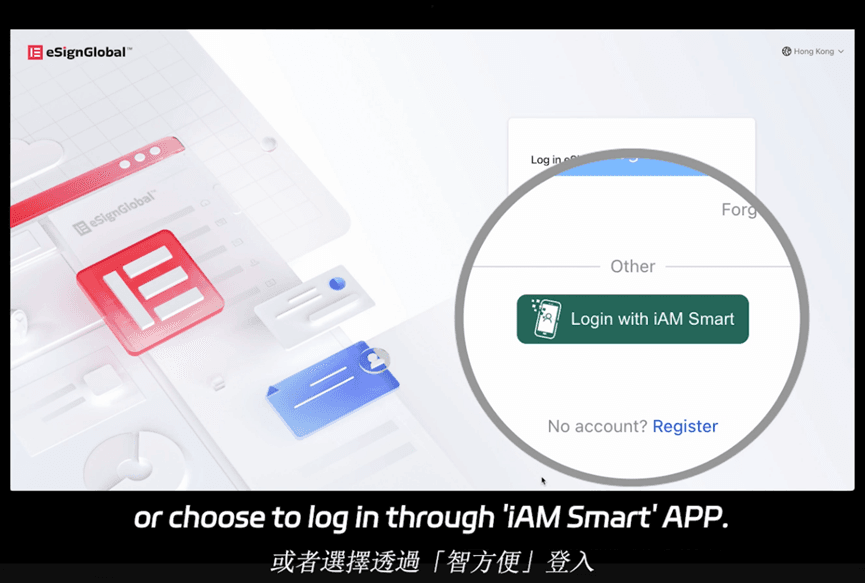
eSignGlobal โดดเด่นด้วยการมุ่งเน้นไปที่ภูมิภาคเอเชียแปซิฟิกและการดำเนินงานข้ามพรมแดน โดยนำเสนอการปฏิบัติตามข้อกำหนดในกว่า 100 ประเทศและภูมิภาคหลักทั่วโลก ในเอเชียแปซิฟิก มีข้อได้เปรียบ เช่น ความหน่วงที่ปรับให้เหมาะสมและการสนับสนุนดั้งเดิมสำหรับกฎระเบียบในท้องถิ่น เช่น กฎหมายลายเซ็นอิเล็กทรอนิกส์ของจีน (กำหนดวิธีการรับรองความถูกต้องที่เชื่อถือได้) และกฎหมายธุรกรรมอิเล็กทรอนิกส์ของสิงคโปร์ ข้อได้เปรียบในระดับภูมิภาคนี้สามารถเพิ่ม ROI สำหรับธุรกิจที่ดำเนินงานในตลาดเหล่านี้ได้โดยการหลีกเลี่ยงข้อผิดพลาดในการปฏิบัติตามข้อกำหนดที่เพิ่มต้นทุนที่อื่น ตัวอย่างเช่น แผน Essential ของ eSignGlobal มีราคาเพียง 16.6 ดอลลาร์สหรัฐฯ/เดือน โดยอนุญาตเอกสารที่ลงนามได้สูงสุด 100 ฉบับ ที่นั่งผู้ใช้ไม่จำกัด และการตรวจสอบสิทธิ์ผ่านรหัสการเข้าถึง ทั้งหมดนี้สร้างขึ้นบนพื้นฐานของการปฏิบัติตามข้อกำหนด ซึ่งให้ความคุ้มค่าสูง ผสานรวมเข้ากับ iAM Smart ของฮ่องกงและ Singpass ของสิงคโปร์อย่างราบรื่นเพื่อการตรวจสอบสิทธิ์ ซึ่งช่วยปรับปรุงกระบวนการในศูนย์กลางเหล่านี้ สำหรับข้อมูลราคาโดยละเอียด โปรดไปที่ หน้าการกำหนดราคาของ eSignGlobal
คู่แข่งรายอื่นๆ เช่น Dropbox Sign เน้นความเรียบง่าย โดยนำเสนอระดับฟรีสำหรับผู้ใช้ที่มีปริมาณน้อย ซึ่งช่วยเพิ่ม ROI สำหรับสตาร์ทอัพด้วยต้นทุนล่วงหน้าที่น้อยที่สุด ในขณะเดียวกัน PandaDoc จะรวมลายเซ็นเข้ากับเครื่องมือข้อเสนอ ซึ่งดึงดูดทีมขาย แต่มีราคาที่สูงกว่า (พื้นฐาน 19 ดอลลาร์สหรัฐฯ/ผู้ใช้/เดือน)
| คุณสมบัติ/ด้าน | DocuSign | Adobe Sign | eSignGlobal | Dropbox Sign | PandaDoc |
|---|---|---|---|---|---|
| ราคาเริ่มต้น (ต่อผู้ใช้/เดือน เรียกเก็บเงินรายปี) | 10 ดอลลาร์สหรัฐฯ (ส่วนตัว) | 10 ดอลลาร์สหรัฐฯ (รายบุคคล) | 16.6 ดอลลาร์สหรัฐฯ (Essential, ที่นั่งไม่จำกัด) | ฟรี (พื้นฐาน); 15 ดอลลาร์สหรัฐฯ (Essentials) | 19 ดอลลาร์สหรัฐฯ (Essentials) |
| ข้อจำกัดซองจดหมาย/เอกสาร (แผนเริ่มต้น) | 5/เดือน | 10/เดือน | 100/เดือน | ไม่จำกัด (ชำระเงิน) | เทมเพลตไม่จำกัด |
| การปฏิบัติตามข้อกำหนดทั่วโลก | แข็งแกร่ง (เน้นสหรัฐฯ/ยุโรป) | ยอดเยี่ยม (GDPR/eIDAS) | 100+ ประเทศ, ปรับให้เหมาะสมกับเอเชียแปซิฟิก | ดี (ESIGN/UETA) | เชื่อถือได้, เน้นสหรัฐฯ |
| ปัจจัยขับเคลื่อน ROI ที่สำคัญ | ระบบอัตโนมัติของขั้นตอนการทำงาน, การผสานรวม | การทำงานร่วมกันของระบบนิเวศ PDF | ความสามารถในการจ่ายในระดับภูมิภาค, ความหน่วงต่ำ | ใช้งานง่ายสำหรับทีมขนาดเล็ก | การผสานรวมข้อเสนอการขาย |
| คุณสมบัติเพิ่มเติม (เช่น SMS/IDV) | การเรียกเก็บเงินตามมิเตอร์, ค่าใช้จ่ายเพิ่มเติม | รวมอยู่ในระดับสูงกว่า | ยืดหยุ่น, คุ้มค่า | รวมพื้นฐาน | การวิเคราะห์ข้อเสนอเพิ่มเติม |
| เหมาะที่สุดสำหรับ | ความสามารถในการปรับขนาดระดับองค์กร | ขั้นตอนการทำงานของเอกสาร | การปฏิบัติตามข้อกำหนดในเอเชียแปซิฟิก/ข้ามพรมแดน | ความเรียบง่ายสำหรับธุรกิจขนาดเล็ก | ทีมขาย |
การเปรียบเทียบนี้เผยให้เห็นถึงความเป็นผู้นำของ DocuSign ในด้านความกว้างของฟังก์ชัน แม้ว่าราคาและการปรับแต่งในระดับภูมิภาคของ eSignGlobal จะให้ ROI ที่แข่งขันได้สำหรับธุรกิจที่มุ่งเน้นไปที่เอเชียแปซิฟิก ในขณะที่ Adobe Sign เหมาะสำหรับผู้ที่ภักดีต่อ Adobe
ปัจจัยสำคัญที่มีผลต่อ ROI ในแพลตฟอร์มต่างๆ
ROI ไม่ใช่ขนาดเดียวที่เหมาะกับทุกคน ขึ้นอยู่กับขนาด ความจุ และที่ตั้งทางภูมิศาสตร์ของธุรกิจ สำหรับการดำเนินงานทั่วโลก การปฏิบัติตามกฎหมาย เช่น ESIGN Act ของสหรัฐอเมริกา (รับรองว่าลายเซ็นอิเล็กทรอนิกส์มีผลบังคับใช้ทางกฎหมายเช่นเดียวกับลายเซ็นด้วยตนเอง) หรือ eIDAS ของสหภาพยุโรป (แบ่งลายเซ็นออกเป็นระดับพื้นฐาน ขั้นสูง และมีคุณสมบัติ) เป็นสิ่งสำคัญ การไม่ปฏิบัติตามข้อกำหนดอาจหักล้างการประหยัดด้วยค่าปรับหรือความล่าช้า
ความจุมีความสำคัญเช่นกัน: ผู้ใช้ซองจดหมายสูงได้รับประโยชน์จากแผนไม่จำกัด แต่ขีดจำกัดการส่งอัตโนมัติ (เช่น ประมาณ 100 ต่อผู้ใช้ต่อปีสำหรับ DocuSign) อาจจำกัดความสามารถในการปรับขนาด ความลึกของการผสานรวมผ่าน API หรือแอปพลิเคชันดั้งเดิมช่วยเพิ่มประสิทธิภาพเพิ่มเติม โดยแผนสำหรับนักพัฒนาเพิ่ม 50-500 ดอลลาร์สหรัฐฯ/เดือน แต่ช่วยให้ ROI ที่กำหนดเองผ่านระบบอัตโนมัติ
ในเอเชียแปซิฟิก ความท้าทายต่างๆ เช่น การเก็บรักษาข้อมูลและความหน่วง สามารถขยายต้นทุนของเครื่องมือที่ใช้ในสหรัฐอเมริกาได้ แพลตฟอร์มที่มีเซิร์ฟเวอร์ในพื้นที่ เช่น eSignGlobal สามารถบรรเทาปัญหานี้ได้ โดยการประมวลผลที่เร็วขึ้นอาจสร้าง ROI ที่สูงขึ้น 20-30%
การปฏิบัติตามข้อกำหนดในระดับภูมิภาคและการเพิ่มประสิทธิภาพ ROI
สำหรับธุรกิจในภูมิภาคต่างๆ เช่น สหรัฐอเมริกาหรือสหภาพยุโรป การปฏิบัติตาม ESIGN และ eIDAS ของ DocuSign ช่วยให้มั่นใจได้ว่าลายเซ็นสามารถบังคับใช้ได้ ซึ่งสนับสนุน ROI โดยตรงโดยการลดความเสี่ยงทางกฎหมาย ในเอเชีย กฎหมายมีความแตกต่างกัน ตัวอย่างเช่น กฎหมายลายเซ็นอิเล็กทรอนิกส์ของญี่ปุ่นกำหนดให้มีการปฏิเสธไม่ได้ การเลือกแพลตฟอร์มที่มีความครอบคลุมกว้างขวางจะเพิ่มผลตอบแทนสูงสุด การตรวจสอบการใช้งานตามระดับราคาช่วยเพิ่มประสิทธิภาพการใช้จ่าย ซึ่งมักจะเผยให้เห็นโอกาสในการลดระดับหรือเพิ่มคุณสมบัติเพิ่มเติมอย่างรอบคอบ
ข้อคิดสุดท้ายเกี่ยวกับการเพิ่ม ROI ของลายเซ็นอิเล็กทรอนิกส์ให้สูงสุด
DocuSign นำเสนอ ROI ที่แข็งแกร่งผ่านประสิทธิภาพและการปฏิบัติตามข้อกำหนด ทำให้เป็นตัวเลือกที่เชื่อถือได้สำหรับธุรกิจจำนวนมาก สำหรับผู้ที่กำลังมองหาทางเลือก โดยเฉพาะอย่างยิ่งในสถานการณ์การปฏิบัติตามข้อกำหนดในระดับภูมิภาค eSignGlobal โดดเด่นในฐานะตัวเลือกที่สมดุลที่ควรค่าแก่การสำรวจ
