
'%3e%3cpath%20fill-rule='evenodd'%20clip-rule='evenodd'%20d='M6.99935%2012.8327C10.221%2012.8327%2012.8327%2010.221%2012.8327%206.99935C12.8327%203.77769%2010.221%201.16602%206.99935%201.16602C3.77769%201.16602%201.16602%203.77769%201.16602%206.99935C1.16602%2010.221%203.77769%2012.8327%206.99935%2012.8327Z'%20stroke='%23666666'%20stroke-linecap='round'%20stroke-linejoin='round'/%3e%3cpath%20d='M1.16602%207H12.8327'%20stroke='%23666666'%20stroke-linecap='round'%20stroke-linejoin='round'/%3e%3cpath%20fill-rule='evenodd'%20clip-rule='evenodd'%20d='M6.99935%2012.8327C8.28802%2012.8327%209.33268%2010.221%209.33268%206.99935C9.33268%203.77769%208.28802%201.16602%206.99935%201.16602C5.71068%201.16602%204.66602%203.77769%204.66602%206.99935C4.66602%2010.221%205.71068%2012.8327%206.99935%2012.8327Z'%20stroke='%23666666'%20stroke-linecap='round'%20stroke-linejoin='round'/%3e%3cpath%20d='M2.875%202.95898C3.93063%204.01461%205.38896%204.66754%206.99978%204.66754C8.61062%204.66754%2010.069%204.01461%2011.1246%202.95898'%20stroke='%23666666'%20stroke-linecap='round'%20stroke-linejoin='round'/%3e%3cpath%20d='M11.1246%2011.0425C10.069%209.98691%208.61062%209.33398%206.99978%209.33398C5.38896%209.33398%203.93063%209.98691%202.875%2011.0425'%20stroke='%23666666'%20stroke-linecap='round'%20stroke-linejoin='round'/%3e%3c/g%3e%3cdefs%3e%3cclipPath%20id='clip0_1267_9109'%3e%3crect%20width='14'%20height='14'%20fill='white'/%3e%3c/clipPath%3e%3c/defs%3e%3c/svg%3e)


ขั้นตอนการทำงานลายเซ็น QR Code


ทำความเข้าใจขั้นตอนการทำงานของการลงนามด้วย QR Code
ในสภาพแวดล้อมทางธุรกิจที่ดำเนินไปอย่างรวดเร็วในปัจจุบัน การปรับปรุงขั้นตอนการลงนามในเอกสารให้ง่ายขึ้นเป็นสิ่งสำคัญอย่างยิ่งต่อประสิทธิภาพและการปฏิบัติตามข้อกำหนด ขั้นตอนการทำงานของการลงนามด้วย QR Code แสดงถึงวิธีการที่ทันสมัยในการลงนามทางอิเล็กทรอนิกส์ ซึ่งช่วยให้ผู้ใช้สามารถเริ่มต้น เข้าถึง และดำเนินการลงนามให้เสร็จสิ้นผ่านรหัสตอบสนองด่วน (QR) วิธีการนี้ผสานรวมเข้ากับอุปกรณ์เคลื่อนที่ได้อย่างราบรื่น ทำให้ผู้ใช้สามารถใช้กล้องของสมาร์ทโฟนเพื่อสแกนรหัสเพื่อตรวจสอบและลงนามในเอกสาร โดยไม่จำเป็นต้องมีลิงก์อีเมลหรือการเข้าสู่ระบบที่ซับซ้อน จากมุมมองทางธุรกิจ ขั้นตอนการทำงานนี้ช่วยลดความขัดแย้งในการอนุมัติสัญญา เร่งการปิดข้อตกลง และลดข้อผิดพลาดที่เกี่ยวข้องกับเอกสารที่เป็นกระดาษแบบเดิมหรือลายเซ็นดิจิทัลขั้นพื้นฐาน
โดยหลักการแล้ว ขั้นตอนการทำงานของการลงนามด้วย QR Code เริ่มต้นด้วยผู้สร้างเอกสารที่สร้าง QR Code ที่ไม่ซ้ำกันซึ่งเชื่อมโยงกับไฟล์เฉพาะ แพลตฟอร์มจะฝังรหัสนี้ในการเชิญ เอกสารทางกายภาพ หรือการสื่อสารดิจิทัล เมื่อสแกนแล้ว รหัสจะนำผู้ใช้ไปยังพอร์ทัลที่ปลอดภัย ซึ่งพวกเขาจะตรวจสอบสิทธิ์—โดยทั่วไปผ่านไบโอเมตริกซ์ PIN หรือวิธีการหลายปัจจัย—และใช้ลายเซ็นของตน กระบวนการนี้ช่วยให้มั่นใจได้ถึงเส้นทางการตรวจสอบเพื่อความถูกต้องตามกฎหมาย ซึ่งมีความสำคัญอย่างยิ่งในอุตสาหกรรมต่างๆ เช่น อสังหาริมทรัพย์ การเงิน และการดูแลสุขภาพ ธุรกิจต่างๆ ได้รับประโยชน์จากการติดตามแบบเรียลไทม์ โดยผู้ริเริ่มสามารถตรวจสอบความคืบหน้าได้โดยไม่ต้องโทรติดตาม ซึ่งอาจลดเวลาในการลงนามจากหลายวันเหลือเพียงไม่กี่นาที
การนำขั้นตอนการทำงานของการลงนามด้วย QR Code ที่มีประสิทธิภาพไปใช้ จำเป็นต้องมีการเลือกเครื่องมือที่รองรับการปรับแต่งอย่างรอบคอบ เช่น การฝัง QR Code ใน PDF หรืออีเมล และการผสานรวมกับระบบ CRM เช่น Salesforce หรือ Microsoft Dynamics คุณสมบัติความปลอดภัย รวมถึงการเข้ารหัสและการป้องกันการงัดแงะ เป็นสิ่งที่ไม่สามารถต่อรองได้เพื่อปกป้องข้อมูลที่ละเอียดอ่อน สำหรับการดำเนินงานทั่วโลก การปฏิบัติตามมาตรฐานต่างๆ เช่น eIDAS ของยุโรป หรือ ESIGN Act ของสหรัฐอเมริกา ช่วยให้มั่นใจได้ถึงการบังคับใช้ ความท้าทายต่างๆ ได้แก่ การรับรองความเข้ากันได้ของเครื่องสแกน QR Code ทั่วไป และการให้ความรู้แก่ผู้ใช้เกี่ยวกับแนวทางปฏิบัติที่ดีที่สุดสำหรับอุปกรณ์เคลื่อนที่ แต่ผลตอบแทนจากการลงทุนนั้นชัดเจน: การศึกษาแสดงให้เห็นว่าลายเซ็นอิเล็กทรอนิกส์สามารถประหยัดค่าใช้จ่ายในการดำเนินการได้มากถึง 80% สำหรับบริษัทต่างๆ เมื่อเทียบกับวิธีการแบบแมนนวล
เพื่อเพิ่มประสิทธิภาพขั้นตอนการทำงานนี้ ธุรกิจต่างๆ ควรให้ความสำคัญกับแพลตฟอร์มที่นำเสนอไลบรารีเทมเพลตสำหรับเอกสารที่ทำซ้ำ การแจ้งเตือนอัตโนมัติ และการวิเคราะห์รูปแบบการลงนาม ตัวอย่างเช่น ในสถานการณ์ที่มีปริมาณมาก เช่น การเริ่มต้นใช้งานพนักงาน QR Code สามารถพิมพ์บนแบบฟอร์มหรือแชร์ผ่านแอป ซึ่งช่วยให้เข้าถึงได้ทันที สิ่งนี้ไม่เพียงแต่ปรับปรุงประสบการณ์ของผู้ใช้ แต่ยังสนับสนุนแนวโน้มการทำงานจากระยะไกลหลังการระบาดใหญ่ จากมุมมองเชิงสังเกต การนำการลงนามด้วย QR Code มาใช้ได้กลายเป็นข้อได้เปรียบในการแข่งขัน โดยธุรกิจต่างๆ รายงานว่าอัตราการดำเนินการเสร็จสิ้นเพิ่มขึ้นเนื่องจากความสามารถในการเข้าถึง
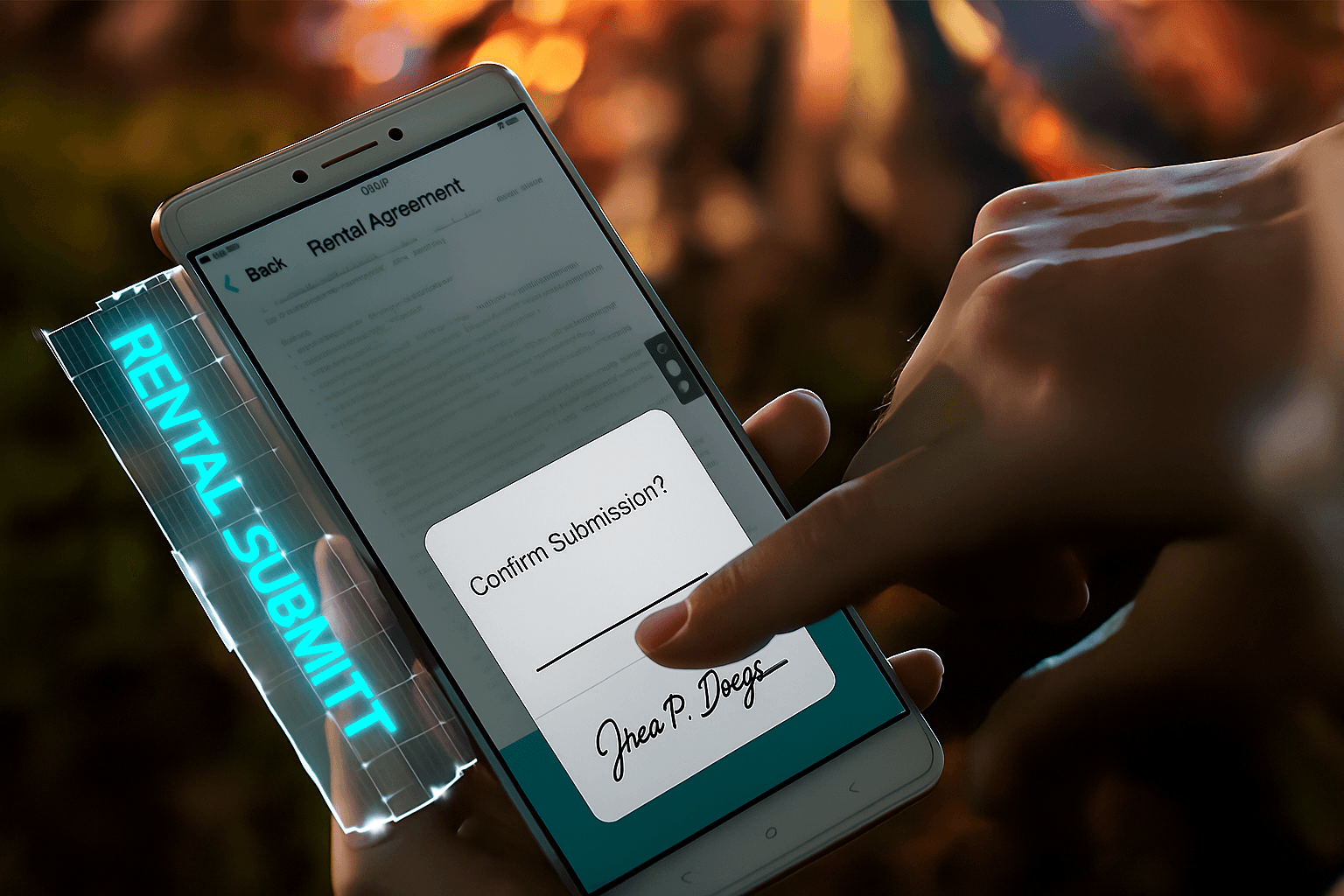
เมื่อเจาะลึกลงไป การตั้งค่าทางเทคนิคเกี่ยวข้องกับการผสานรวม API สำหรับการสร้าง QR Code แบบไดนามิก เพื่อให้มั่นใจว่าแต่ละรหัสเป็นแบบใช้ครั้งเดียวเพื่อป้องกันความเสี่ยงในการนำกลับมาใช้ใหม่ เครื่องมืออัตโนมัติของขั้นตอนการทำงานสามารถกระตุ้นการสร้าง QR Code เมื่ออัปโหลดเอกสาร โดยแจ้งให้ผู้มีส่วนได้ส่วนเสียทราบผ่าน SMS หรือการแจ้งเตือนแบบพุช ในบริบททางธุรกิจ สิ่งนี้มีค่าอย่างยิ่งสำหรับธุรกรรม B2B ซึ่งการอนุมัติจากหลายฝ่ายเป็นเรื่องปกติ ผู้สังเกตการณ์ตั้งข้อสังเกตว่า แม้ว่าการตั้งค่าเริ่มต้นอาจต้องมีการมีส่วนร่วมของ IT แต่ผลประโยชน์ด้านผลผลิตในระยะยาวนั้นคุ้มค่ากับความพยายาม โดยเฉพาะอย่างยิ่งในภูมิภาคที่มีการใช้งานมือถือสูง
ความสอดคล้องด้านกฎระเบียบเป็นอีกเสาหลักหนึ่ง ในสหรัฐอเมริกา ESIGN Act และ UETA ให้ความเท่าเทียมกันทางกฎหมายกับลายเซ็นเปียก ทำให้วิธีการที่ใช้ QR Code สามารถบังคับใช้ได้ โดยมีเงื่อนไขว่าพวกเขาบันทึกเจตนาและความยินยอม ในทำนองเดียวกัน กรอบ eIDAS ของสหภาพยุโรปจัดประเภทลายเซ็นอิเล็กทรอนิกส์ขั้นสูง (AES) ว่ามีความน่าเชื่อถือสูง ซึ่งมักจะต้องมีการประทับเวลาที่มีคุณสมบัติเหมาะสม ซึ่งขั้นตอนการทำงานของ QR Code จำนวนมากรวมถึงคุณสมบัติเหล่านี้ สำหรับตลาดเอเชียแปซิฟิก ประเทศต่างๆ เช่น สิงคโปร์ภายใต้ Electronic Transactions Act และฮ่องกงภายใต้ Electronic Transactions Ordinance สนับสนุนนวัตกรรมดังกล่าว โดยมีเงื่อนไขว่าการตรวจสอบสิทธิ์เป็นไปตามมาตรฐานท้องถิ่น ธุรกิจที่ขยายไปทั่วโลกจะต้องตรวจสอบแพลตฟอร์มเพื่อให้แน่ใจว่าสอดคล้องกับเขตอำนาจศาลเฉพาะ เพื่อหลีกเลี่ยงข้อตกลงที่เป็นโมฆะ
ผู้เล่นหลักในโซลูชันลายเซ็นอิเล็กทรอนิกส์
DocuSign
DocuSign เป็นผู้บุกเบิกเทคโนโลยีลายเซ็นอิเล็กทรอนิกส์ โดยนำเสนอความสามารถในการลงนามด้วย QR Code ที่แข็งแกร่งในชุดระบบอัตโนมัติของขั้นตอนการทำงาน ช่วยให้ผู้ใช้สามารถสร้าง QR Code สำหรับซองจดหมาย (ชุดเอกสาร) ซึ่งผู้รับเชิญสามารถสแกนเพื่อลงนามบนอุปกรณ์ใดก็ได้ คุณสมบัติหลัก ได้แก่ แบบฟอร์มมือถืออัจฉริยะ การกำหนดเส้นทางแบบมีเงื่อนไข และการผสานรวมกับแอปมากกว่า 400 รายการ ทำให้เหมาะสำหรับการดำเนินงานระดับองค์กร จากมุมมองทางธุรกิจ DocuSign มีความแข็งแกร่งในด้านการเข้าถึงทั่วโลกและการรับรองการปฏิบัติตามข้อกำหนด เช่น ISO 27001 และ SOC 2 ซึ่งรับประกันความปลอดภัยของข้อมูลข้ามพรมแดน อย่างไรก็ตาม ระดับราคาอาจสูงชันสำหรับผู้ใช้ที่มีปริมาณมาก โดยเริ่มต้นด้วยแผนพื้นฐานที่อาจจำกัดการปรับแต่ง QR Code ขั้นสูง

Adobe Sign
Adobe Sign ซึ่งเป็นส่วนหนึ่งของ Adobe Document Cloud ผสานรวมการลงนามด้วย QR Code เข้ากับระบบนิเวศ โดยใช้ประโยชน์จากความเชี่ยวชาญด้าน PDF ของ Acrobat เพื่อการจัดการเอกสารที่ราบรื่น ผู้ใช้สามารถแนบ QR Code กับข้อตกลง ทำให้สามารถเข้าถึงมือถือได้อย่างรวดเร็วและลงนามผ่านการสัมผัสหรือสไตลัส มีความโดดเด่นในด้านระบบอัตโนมัติของขั้นตอนการทำงาน รองรับเทมเพลตที่นำกลับมาใช้ใหม่ได้ และการสร้าง QR Code ที่ขับเคลื่อนด้วย API สำหรับแอปที่กำหนดเอง จากมุมมองทางธุรกิจ เป็นที่ชื่นชอบของทีมสร้างสรรค์และทีมกฎหมาย เนื่องจากเครื่องมือแก้ไขและการปฏิบัติตามมาตรฐานระดับโลก เช่น GDPR และ HIPAA อย่างไรก็ตาม ความลึกของการผสานรวมนั้นแข็งแกร่งที่สุดในผลิตภัณฑ์ Adobe ซึ่งอาจจำกัดความยืดหยุ่นสำหรับผู้ใช้ที่ไม่ใช่ Adobe และค่าใช้จ่ายสำหรับคุณสมบัติเพิ่มเติมอาจสะสม

eSignGlobal
eSignGlobal นำเสนอขั้นตอนการทำงานของการลงนามด้วย QR Code ที่ครอบคลุม ซึ่งปรับแต่งมาสำหรับองค์กรระหว่างประเทศ โดยรองรับการปฏิบัติตามข้อกำหนดในกว่า 100 ประเทศและภูมิภาคหลักทั่วโลก แพลตฟอร์มนี้ช่วยให้ฝัง QR Code ในเอกสารได้อย่างง่ายดาย ทำให้สามารถสแกนและลงนามได้อย่างปลอดภัยผ่านมือถือหรือเดสก์ท็อป ในเอเชียแปซิฟิก มีความได้เปรียบอย่างมากผ่านคุณสมบัติที่แปลเป็นภาษาท้องถิ่นและประสิทธิภาพด้านต้นทุน ตัวอย่างเช่น แผน Essential มีราคาเพียง $16.6 ต่อเดือน ซึ่งอนุญาตให้ส่งเอกสารได้มากถึง 100 ฉบับเพื่อลงนามทางอิเล็กทรอนิกส์ ที่นั่งผู้ใช้ไม่จำกัด และการตรวจสอบเอกสารและลายเซ็นผ่านรหัสการเข้าถึง การตั้งค่านี้ให้คุณค่าที่แข็งแกร่งบนพื้นฐานการปฏิบัติตามข้อกำหนด ผสานรวมเข้ากับ iAM Smart ของฮ่องกงและ Singpass ของสิงคโปร์อย่างราบรื่นเพื่อเพิ่มการตรวจสอบสิทธิ์ ธุรกิจต่างๆ ชื่นชมความสมดุลระหว่างความสามารถในการจ่ายและความน่าเชื่อถือ โดยเฉพาะอย่างยิ่งสำหรับธุรกิจข้ามพรมแดน สำหรับราคาโดยละเอียด โปรดไปที่ หน้าการกำหนดราคาของ eSignGlobal

HelloSign และคู่แข่งรายอื่นๆ
HelloSign ซึ่งปัจจุบันเป็นส่วนหนึ่งของ Dropbox นำเสนอการลงนามด้วย QR Code ที่เรียบง่ายผ่านขั้นตอนการทำงานตามเทมเพลต เหมาะสำหรับธุรกิจขนาดเล็กและขนาดกลาง เน้นความเรียบง่ายด้วยอินเทอร์เฟซแบบลากและวางและการผสานรวมขั้นพื้นฐาน แต่ขาดการวิเคราะห์ระดับองค์กรบางอย่าง ผู้เล่นรายอื่นๆ เช่น PandaDoc เน้นขั้นตอนการทำงานที่เน้นการขาย โดยมีข้อเสนอที่มี QR Code ที่เชื่อมโยง ในขณะที่ SignNow นำเสนอตัวเลือกที่ราคาไม่แพงพร้อมการรองรับ QR Code บนมือถือที่แข็งแกร่ง จากมุมมองทางธุรกิจที่เป็นกลาง ทางเลือกเหล่านี้ตอบสนองความต้องการเฉพาะ เช่น สตาร์ทอัพที่คำนึงถึงต้นทุน แม้ว่าอาจไม่ตรงกับความลึกของแพลตฟอร์มขนาดใหญ่ในด้านการปฏิบัติตามข้อกำหนดทั่วโลก
การเปรียบเทียบแพลตฟอร์มลายเซ็นอิเล็กทรอนิกส์ชั้นนำ
เพื่อช่วยในการตัดสินใจ นี่คือการเปรียบเทียบคุณสมบัติหลักที่เป็นกลางของ DocuSign, Adobe Sign, eSignGlobal และ HelloSign โดยเน้นที่แง่มุมของขั้นตอนการทำงานของการลงนามด้วย QR Code:
| คุณสมบัติ | DocuSign | Adobe Sign | eSignGlobal | HelloSign |
|---|---|---|---|---|
| การสร้าง QR Code | ใช่ อัตโนมัติสำหรับซองจดหมาย | ใช่ ผสานรวมกับ PDF | ใช่ ปรับแต่งได้และปลอดภัย | ใช่ รองรับเทมเพลตพื้นฐาน |
| การปฏิบัติตามข้อกำหนดทั่วโลก | 100+ ประเทศ eIDAS/FDA | 100+ ประเทศ GDPR/HIPAA | 100+ ประเทศ เน้นเอเชียแปซิฟิก | เน้นสหรัฐอเมริกา/สหภาพยุโรป ทั่วโลกจำกัด |
| ราคา (ระดับเริ่มต้น) | $10/ผู้ใช้/เดือน | $10/ผู้ใช้/เดือน | $16.6/เดือน (Essential) | $15/ผู้ใช้/เดือน |
| ข้อจำกัดเอกสาร (พื้นฐาน) | 5/ผู้ใช้/เดือน | ไม่จำกัดด้วย Acrobat | 100/เดือน | 20/เดือน |
| การผสานรวม | 400+ แอป | ระบบนิเวศ Adobe + 100+ | เฉพาะเอเชียแปซิฟิก (เช่น iAM Smart) | Dropbox + CRM พื้นฐาน |
| การลงนามบนมือถือ | ขั้นสูง ไบโอเมตริกซ์ | รองรับการสัมผัส/สไตลัส | การตรวจสอบรหัสการเข้าถึง | การลงนามด้วยการสแกนอย่างง่าย |
| ผู้ใช้ไม่จำกัด | ไม่ใช่ อนุญาตตามที่นั่ง | ไม่ใช่ ตามที่นั่ง | ใช่ (แผน Essential) | ไม่ใช่ ตามผู้ใช้ |
ตารางนี้เน้นให้เห็นถึงการแลกเปลี่ยน: ความแข็งแกร่งระดับองค์กรเทียบกับความสามารถในการจ่ายและความแข็งแกร่งในระดับภูมิภาค
สภาพแวดล้อมด้านกฎระเบียบสำหรับการลงนามด้วย QR Code
กฎหมายลายเซ็นอิเล็กทรอนิกส์แตกต่างกันไปตามภูมิภาค ซึ่งส่งผลต่อขั้นตอนการทำงานของ QR Code ในสหรัฐอเมริกา ESIGN Act (ปี 2000) และ UETA รับประกันความถูกต้องของลายเซ็นดิจิทัล โดยมีเงื่อนไขว่าพิสูจน์เจตนา และวิธีการ QR Code มีคุณสมบัติ หากมีการบำรุงรักษาบันทึกการตรวจสอบ กฎระเบียบ eIDAS ของยุโรป (ปี 2014) แบ่งลายเซ็นออกเป็นระดับตั้งแต่แบบง่ายไปจนถึงแบบมีคุณสมบัติ โดยสนับสนุน QR Code ระดับสูงที่ใช้เครื่องมือที่ได้รับการรับรอง ในเอเชีย Electronic Transactions Act (ปี 2010) ของสิงคโปร์รับรู้ว่าลายเซ็นอิเล็กทรอนิกส์เทียบเท่ากับลายเซ็นด้วยตนเอง และได้รับการปรับปรุงโดยการผสานรวม Singpass ข้อบัญญัติของฮ่องกงมีความคล้ายคลึงกัน โดยเน้นที่การตรวจสอบสิทธิ์ที่ปลอดภัย สำหรับธุรกิจ การเลือกแพลตฟอร์มที่สอดคล้องตามข้อกำหนดสามารถลดความเสี่ยงได้ เช่น สัญญาที่ไม่สามารถบังคับใช้ได้ในสภาพแวดล้อมทางกฎหมาย
สรุป
เมื่อขั้นตอนการทำงานของการลงนามด้วย QR Code พัฒนาไป การเลือกแพลตฟอร์มที่เหมาะสมขึ้นอยู่กับขนาด ภูมิภาค และงบประมาณ สำหรับผู้ที่กำลังมองหาทางเลือกอื่นนอกเหนือจาก DocuSign ที่มีการปฏิบัติตามข้อกำหนดในระดับภูมิภาคที่แข็งแกร่ง eSignGlobal โดดเด่นในฐานะตัวเลือกที่สมดุล
