
'%3e%3cpath%20fill-rule='evenodd'%20clip-rule='evenodd'%20d='M6.99935%2012.8327C10.221%2012.8327%2012.8327%2010.221%2012.8327%206.99935C12.8327%203.77769%2010.221%201.16602%206.99935%201.16602C3.77769%201.16602%201.16602%203.77769%201.16602%206.99935C1.16602%2010.221%203.77769%2012.8327%206.99935%2012.8327Z'%20stroke='%23666666'%20stroke-linecap='round'%20stroke-linejoin='round'/%3e%3cpath%20d='M1.16602%207H12.8327'%20stroke='%23666666'%20stroke-linecap='round'%20stroke-linejoin='round'/%3e%3cpath%20fill-rule='evenodd'%20clip-rule='evenodd'%20d='M6.99935%2012.8327C8.28802%2012.8327%209.33268%2010.221%209.33268%206.99935C9.33268%203.77769%208.28802%201.16602%206.99935%201.16602C5.71068%201.16602%204.66602%203.77769%204.66602%206.99935C4.66602%2010.221%205.71068%2012.8327%206.99935%2012.8327Z'%20stroke='%23666666'%20stroke-linecap='round'%20stroke-linejoin='round'/%3e%3cpath%20d='M2.875%202.95898C3.93063%204.01461%205.38896%204.66754%206.99978%204.66754C8.61062%204.66754%2010.069%204.01461%2011.1246%202.95898'%20stroke='%23666666'%20stroke-linecap='round'%20stroke-linejoin='round'/%3e%3cpath%20d='M11.1246%2011.0425C10.069%209.98691%208.61062%209.33398%206.99978%209.33398C5.38896%209.33398%203.93063%209.98691%202.875%2011.0425'%20stroke='%23666666'%20stroke-linecap='round'%20stroke-linejoin='round'/%3e%3c/g%3e%3cdefs%3e%3cclipPath%20id='clip0_1267_9109'%3e%3crect%20width='14'%20height='14'%20fill='white'/%3e%3c/clipPath%3e%3c/defs%3e%3c/svg%3e)


ฉันสามารถชำระเงิน DocuSign ด้วยเช็คได้หรือไม่


DocuSign รับการชำระด้วยเช็คหรือไม่
ในโลกของการเปลี่ยนแปลงทางดิจิทัล แพลตฟอร์มลายเซ็นอิเล็กทรอนิกส์อย่าง DocuSign ได้กลายเป็นเครื่องมือที่จำเป็นสำหรับธุรกิจในการปรับปรุงสัญญาและกระบวนการอนุมัติให้ง่ายขึ้น อย่างไรก็ตาม ความยืดหยุ่นในการชำระเงินอาจแตกต่างกันไปเมื่อต้องจัดหาเงินทุนสำหรับบริการเหล่านี้ คำถามทั่วไปของผู้ใช้คือ DocuSign รับเช็คเป็นวิธีการชำระเงินหรือไม่ จากมุมมองทางธุรกิจ การทำความเข้าใจตัวเลือกการชำระเงินเป็นสิ่งสำคัญสำหรับการจัดการงบประมาณและประสิทธิภาพการดำเนินงาน โดยเฉพาะอย่างยิ่งสำหรับทีมหรือธุรกิจขนาดเล็กที่จัดการกระแสเงินสด
DocuSign ส่วนใหญ่ทำงานบนรูปแบบการสมัครสมาชิก โดยมีระดับราคาตั้งแต่ $10 ต่อเดือนสำหรับแผนส่วนบุคคล ไปจนถึงโซลูชันระดับองค์กรที่ปรับแต่งได้ จากเอกสารอย่างเป็นทางการและประสบการณ์ของผู้ใช้ที่แบ่งปันในฟอรัมธุรกิจ DocuSign ไม่รับเช็คส่วนตัวหรือเช็คธุรกิจโดยตรงเป็นวิธีการชำระเงินสำหรับการสมัครสมาชิกมาตรฐาน วิธีการที่พวกเขาต้องการ ได้แก่ บัตรเครดิต (Visa, Mastercard, American Express), บัตรเดบิต และการโอนเงินทางอิเล็กทรอนิกส์ (ACH) สำหรับบัญชีในสหรัฐอเมริกา สิ่งนี้สอดคล้องกับลักษณะที่ให้ความสำคัญกับดิจิทัลของแพลตฟอร์ม โดยเน้นที่การเรียกเก็บเงินที่ราบรื่นและอัตโนมัติเพื่อลดค่าใช้จ่ายในการบริหาร
สำหรับธุรกรรมองค์กรขนาดใหญ่หรือสัญญาที่กำหนดเอง สถานการณ์จะแตกต่างกันเล็กน้อย ธุรกิจที่เจรจาแผนปริมาณมากหรือการรวม API สามารถติดต่อทีมขายของ DocuSign ผ่านทางเว็บไซต์หรือโทร 1-800-865-6982 (สหรัฐอเมริกา) ในกรณีเหล่านี้ อาจมีการจัดการการชำระเงินทางเลือก เช่น การโอนเงินทางอิเล็กทรอนิกส์หรือใบแจ้งหนี้ แต่เช็คไม่ค่อยถูกกล่าวถึงว่าเป็นตัวเลือก การตรวจสอบข้อกำหนดในการให้บริการและคำถามที่พบบ่อยเกี่ยวกับการเรียกเก็บเงินของ DocuSign ยืนยันว่าไม่รองรับเช็คสำหรับการซื้อออนไลน์ ซึ่งน่าจะเป็นเพราะต้นทุนและความล่าช้าในการประมวลผลการชำระเงินทางกายภาพในระบบนิเวศบนคลาวด์
เหตุใดจึงมีข้อจำกัดนี้ จากมุมมองทางธุรกิจ กลยุทธ์ของ DocuSign มุ่งเน้นไปที่ความสามารถในการปรับขนาดและการเข้าถึงทั่วโลก การรับเช็คจะทำให้เกิดความล่าช้า ซึ่งโดยทั่วไปคือระยะเวลาการหักบัญชี 5-10 วันทำการ ซึ่งจะขัดขวางการเปิดใช้งานทันทีที่ผู้ใช้คาดหวัง สิ่งนี้เกี่ยวข้องอย่างยิ่งในภูมิภาคต่างๆ เช่น สหรัฐอเมริกา ซึ่งพระราชบัญญัติ ESIGN ปี 2000 ได้ตรวจสอบความถูกต้องตามกฎหมายของลายเซ็นอิเล็กทรอนิกส์และธุรกรรม ส่งเสริมการชำระเงินดิจิทัลที่ไม่ยุ่งยาก พระราชบัญญัตินี้มีจุดมุ่งหมายเพื่อส่งเสริมพาณิชย์อิเล็กทรอนิกส์ โดยรับรองว่าบันทึกและลายเซ็นอิเล็กทรอนิกส์มีผลบังคับใช้เช่นเดียวกับเอกสารที่เป็นกระดาษ แต่ไม่ได้บังคับให้บริการต้องรับเช็ค ธุรกิจที่พึ่งพาเช็คอาจเผชิญกับอุปสรรคเพิ่มเติม เนื่องจากระบบของ DocuSign ได้รับการปรับให้เหมาะสมสำหรับการเรียกเก็บเงินออนไลน์ซ้ำๆ
หากคุณเป็นผู้ใช้ในสหรัฐอเมริกาที่ยืนยันที่จะชำระเงินด้วยเช็ค วิธีแก้ไขคือติดต่อฝ่ายขายเพื่อขอใบแจ้งหนี้ อย่างไรก็ตาม การอนุมัติไม่ได้รับการรับประกัน และอาจนำไปสู่ค่าธรรมเนียมการบริหารที่สูงขึ้นหรือการเข้าถึงบริการที่ล่าช้า สำหรับผู้ใช้ต่างประเทศ ตัวเลือกการชำระเงินจะขยายไปถึง PayPal ในบางภูมิภาคและการสนับสนุนสกุลเงินท้องถิ่นผ่านพันธมิตร แต่เช็คยังคงไม่อยู่ในขอบเขตการพิจารณา ในสหภาพยุโรป ภายใต้กฎระเบียบ eIDAS ปี 2014 ลายเซ็นอิเล็กทรอนิกส์ถูกจัดประเภทเป็นประเภทอย่างง่าย ขั้นสูง และมีคุณสมบัติ DocuSign เป็นไปตามข้อกำหนดสำหรับลายเซ็นอิเล็กทรอนิกส์ขั้นสูง อย่างไรก็ตาม แม้แต่ที่นี่ การชำระเงินก็เป็นค่าเริ่มต้นสำหรับวิธีการดิจิทัลเพื่อให้สอดคล้องกับคำสั่งบริการการชำระเงิน PSD2 ซึ่งให้ความสำคัญกับธุรกรรมทางอิเล็กทรอนิกส์ที่ปลอดภัยมากกว่าเช็คแบบเดิม
สำหรับธุรกิจขนาดเล็กหรือฟรีแลนซ์ในสหรัฐอเมริกา พระราชบัญญัติธุรกรรมอิเล็กทรอนิกส์แบบเดียวกัน (UETA) ซึ่งสะท้อน ESIGN ในระดับรัฐ ให้การสนับสนุน การยืนยันที่จะใช้การชำระเงินด้วยบัตรช่วยให้มั่นใจได้ถึงการปฏิบัติตามข้อกำหนดและความเร็ว หากเช็คเป็นตัวเลือกเดียวของคุณเนื่องจากนโยบายของบริษัท ให้พิจารณาตั้งงบประมาณสำหรับบัตรแบบใช้ครั้งเดียว หรือสำรวจช่วงทดลองใช้ของ DocuSign เพื่อทดสอบก่อนที่จะตัดสินใจ โดยรวมแล้ว แม้ว่าความเข้มงวดในการชำระเงินของ DocuSign อาจทำให้บางคนผิดหวัง แต่ก็สะท้อนให้เห็นถึงแนวโน้มที่กว้างขึ้นในอุตสาหกรรมไปสู่ระบบอัตโนมัติ ลดความเสี่ยงของการฉ้อโกงและต้นทุนการประมวลผล ซึ่งเป็นปัจจัยสำคัญในการรักษาราคาที่แข่งขันได้

กฎระเบียบเกี่ยวกับลายเซ็นอิเล็กทรอนิกส์ในสหรัฐอเมริกาและที่อื่นๆ
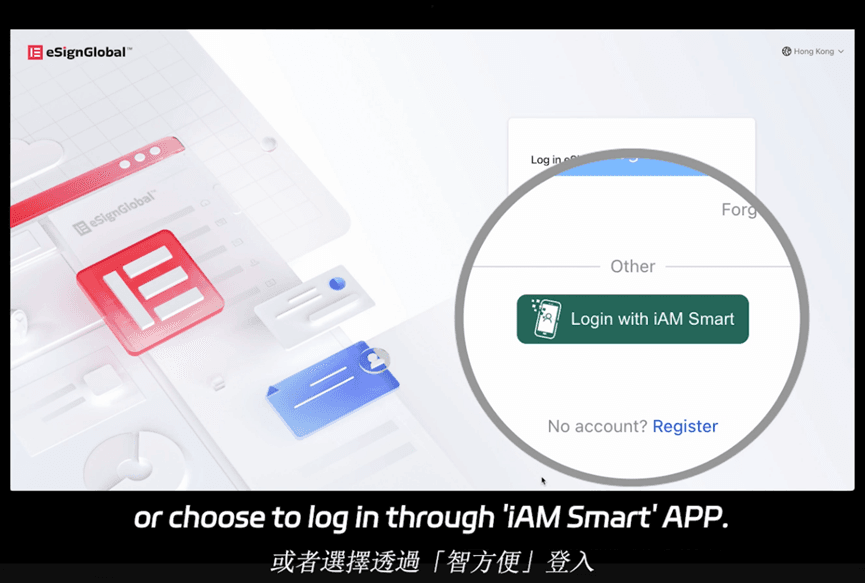
พระราชบัญญัติ ESIGN และ UETA ของสหรัฐอเมริกาให้กรอบการทำงานที่แข็งแกร่งสำหรับแพลตฟอร์มอย่าง DocuSign ทำให้มั่นใจได้ว่าลายเซ็นอิเล็กทรอนิกส์สามารถบังคับใช้ได้ในการพาณิชย์ระหว่างรัฐ สิ่งนี้ขับเคลื่อนการนำไปใช้ แต่ยังเน้นว่าเหตุใดการชำระเงินดิจิทัลจึงมีความโดดเด่น เช็คทางกายภาพอาจขัดขวางเจตนา "อิเล็กทรอนิกส์" ของกฎหมายเหล่านี้ ในทางตรงกันข้าม ภูมิภาคเอเชียแปซิฟิก เช่น สิงคโปร์ บังคับใช้พระราชบัญญัติธุรกรรมอิเล็กทรอนิกส์ (ETA) ปี 2010 ซึ่งตรวจสอบความถูกต้องของลายเซ็นอิเล็กทรอนิกส์ แต่กำหนดให้มีลายเซ็นดิจิทัลที่ได้รับการรับรองสำหรับสัญญาที่มีมูลค่าสูง ซึ่งมักจะรวมเข้ากับบัตรประจำตัวประชาชนแห่งชาติ เช่น Singpass ข้อบัญญัติธุรกรรมอิเล็กทรอนิกส์ (ETO) ของฮ่องกงก็สนับสนุนลายเซ็นอิเล็กทรอนิกส์เช่นกัน โดยมีโครงการริเริ่มต่างๆ เช่น iAM Smart ที่ช่วยให้การตรวจสอบราบรื่น กฎระเบียบเหล่านี้เน้นว่าแพลตฟอร์มจำเป็นต้องมีฟังก์ชันที่สอดคล้องตามข้อกำหนดและเฉพาะเจาะจงในแต่ละภูมิภาค ซึ่งไม่เพียงแต่ส่งผลต่อลายเซ็นเท่านั้น แต่ยังรวมถึงกระบวนการชำระเงินด้วย
การเปรียบเทียบ DocuSign กับคู่แข่งรายใหญ่
ในการประเมินโซลูชันลายเซ็นอิเล็กทรอนิกส์ ธุรกิจมักจะพิจารณาปัจจัยต่างๆ เช่น ราคา การปฏิบัติตามข้อกำหนด ความง่ายในการใช้งาน และความยืดหยุ่นในการชำระเงิน DocuSign เป็นผู้นำตลาดด้วยฟังก์ชันที่ครอบคลุม แต่ทางเลือกอื่นๆ เช่น Adobe Sign, eSignGlobal และ Dropbox Sign มอบข้อได้เปรียบในการแข่งขันในด้านการปฏิบัติตามข้อกำหนดในระดับภูมิภาคและต้นทุน ด้านล่างนี้ เราจะแบ่งแพลตฟอร์มเหล่านี้จากมุมมองทางธุรกิจที่เป็นกลาง โดยเน้นว่าแพลตฟอร์มเหล่านี้ตอบสนองความต้องการของผู้ใช้อย่างไร
ภาพรวมของ DocuSign
DocuSign เป็นผู้บุกเบิกเทคโนโลยีลายเซ็นอิเล็กทรอนิกส์ ได้รับความไว้วางใจจากลูกค้ากว่าล้านรายในด้านความน่าเชื่อถือในการจัดการสัญญา มีระดับตั้งแต่รุ่นส่วนบุคคล ($10 ต่อเดือน) ไปจนถึงรุ่นธุรกิจมืออาชีพ ($40 ต่อผู้ใช้ต่อเดือน) พร้อมคุณสมบัติเพิ่มเติมสำหรับการตรวจสอบสิทธิ์และการเข้าถึง API ข้อดี ได้แก่ การรวมระบบที่แข็งแกร่ง (เช่น Microsoft, Salesforce) และการปฏิบัติตามข้อกำหนดทั่วโลก แต่ราคาอาจสูงขึ้นเนื่องจากข้อจำกัดของซองจดหมาย (ประมาณ 100 ซองต่อผู้ใช้ต่อปี) และไม่รองรับการชำระเงินด้วยเช็คโดยตรง สำหรับองค์กร แผนที่กำหนดเองมีความสามารถในการปรับขนาด แม้ว่าผู้ใช้ในเอเชียแปซิฟิกอาจเผชิญกับต้นทุนที่สูงขึ้นเนื่องจากค่าธรรมเนียมเพิ่มเติมสำหรับการเก็บรักษาข้อมูล

ภาพรวมของ Adobe Sign
Adobe Sign เป็นส่วนหนึ่งของ Adobe Document Cloud มีความโดดเด่นในการรวมระบบอย่างราบรื่นกับเครื่องมือ PDF และชุดสร้างสรรค์ เหมาะอย่างยิ่งสำหรับอุตสาหกรรมที่เน้นการออกแบบ ราคาเริ่มต้นที่ $10 ต่อผู้ใช้ต่อเดือนสำหรับรุ่นส่วนบุคคล ขยายไปถึง $27 ต่อผู้ใช้ต่อเดือนสำหรับรุ่นทีม พร้อมตัวเลือกสำหรับองค์กร รองรับเวิร์กโฟลว์ขั้นสูง เช่น การกำหนดเส้นทางตามเงื่อนไขและลายเซ็นมือถือ สอดคล้องกับ ESIGN ของสหรัฐอเมริกาและ eIDAS ของสหภาพยุโรป อย่างไรก็ตาม เช่นเดียวกับ DocuSign ให้ความสำคัญกับการชำระเงินดิจิทัล (บัตร, ACH) มากกว่าเช็ค และต้นทุน API อาจสะสมสำหรับผู้ใช้ที่มีปริมาณมาก จุดแข็งของ Adobe อยู่ที่ระบบนิเวศ แต่สำหรับความต้องการง่ายๆ อาจดูมากเกินไป

ภาพรวมของ eSignGlobal
eSignGlobal วางตำแหน่งตัวเองเป็นทางเลือกที่ปรับให้เหมาะสมกับภูมิภาค โดยให้การสนับสนุนการปฏิบัติตามข้อกำหนดในกว่า 100 ประเทศหลักทั่วโลก มีความโดดเด่นในเอเชียแปซิฟิก โดยให้ประสิทธิภาพที่เร็วกว่าและการรวมระบบในท้องถิ่น เช่น iAM Smart ของฮ่องกงและ Singpass ของสิงคโปร์ สำหรับการตรวจสอบสิทธิ์ที่ปลอดภัย แผน Essentials มีราคาเพียง $16.6 ต่อเดือน สามารถส่งเอกสารลายเซ็นอิเล็กทรอนิกส์ได้มากถึง 100 ฉบับ ที่นั่งผู้ใช้ไม่จำกัด และการตรวจสอบสิทธิ์ผ่านรหัสการเข้าถึง ทั้งหมดนี้อยู่บนพื้นฐานของการปฏิบัติตามข้อกำหนด มอบความคุ้มค่าที่โดดเด่น ทำให้เป็นตัวเลือกที่คุ้มค่าสำหรับทีมที่ต้องการประหยัดโดยไม่ลดทอนความปลอดภัย สำหรับราคาโดยละเอียด โปรดไปที่ หน้าการกำหนดราคาของ eSignGlobal เมื่อเทียบกับยักษ์ใหญ่ระดับโลก เกณฑ์การเริ่มต้นที่ต่ำกว่าและความได้เปรียบในระดับภูมิภาคของ eSignGlobal ดึงดูดธุรกิจข้ามพรมแดน
คู่แข่งรายอื่นๆ: Dropbox Sign และอื่นๆ
Dropbox Sign (เดิมชื่อ HelloSign) มอบฟังก์ชันลายเซ็นที่เรียบง่าย การรวมระบบที่แข็งแกร่งกับ Dropbox โดยมีราคาเริ่มต้นที่ $15 ต่อเดือนสำหรับรุ่นส่วนบุคคล เป็นมิตรกับทีมขนาดเล็ก แต่ขาดคุณสมบัติการกำกับดูแลองค์กรบางอย่าง RightSignature (ปัจจุบันเป็นส่วนหนึ่งของ Citrix) มุ่งเน้นไปที่เวิร์กโฟลว์ทางกฎหมาย โดยมีราคาเริ่มต้นที่ $10 ต่อเดือน โดยเน้นที่การติดตามการตรวจสอบ
| คุณสมบัติ/ด้าน | DocuSign | Adobe Sign | eSignGlobal | Dropbox Sign |
|---|---|---|---|---|
| ราคาเริ่มต้น (ต่อเดือน, USD) | $10 (รุ่นส่วนบุคคล) | $10 (รุ่นส่วนบุคคล) | $16.6 (รุ่น Essentials) | $15 (รุ่นพื้นฐาน) |
| ข้อจำกัดของซองจดหมาย (แผนพื้นฐาน) | 5-100 ต่อปี | ไม่จำกัด (จำกัดคุณสมบัติขั้นสูง) | สูงสุด 100 ต่อเดือน | 5 ต่อเดือน |
| ที่นั่งผู้ใช้ | จำกัดตามระดับ | ต่อผู้ใช้ | ไม่จำกัด | สูงสุด 3 ในรุ่นพื้นฐาน |
| การปฏิบัติตามข้อกำหนดทั่วโลก | แข็งแกร่ง (ESIGN, eIDAS) | ยอดเยี่ยม (ESIGN, eIDAS) | 100+ ประเทศ, ปรับให้เหมาะสมกับเอเชียแปซิฟิก | ดี (ESIGN, GDPR) |
| ความยืดหยุ่นในการชำระเงิน | บัตร, ACH; ไม่รองรับเช็ค | บัตร, ACH; ไม่รองรับเช็ค | บัตร, ตัวเลือกในระดับภูมิภาค | บัตร, PayPal |
| ข้อได้เปรียบในระดับภูมิภาค | ทั่วโลก แต่มีค่าธรรมเนียมเพิ่มเติมสำหรับเอเชียแปซิฟิก | เน้นที่สหรัฐอเมริกา/สหภาพยุโรป | เอเชียแปซิฟิก (เช่น การรวมระบบ Singpass) | การทำงานร่วมกันของที่เก็บข้อมูลบนคลาวด์ |
| การเข้าถึง API | แบ่งชั้น (600 USD+ ต่อปี) | รวมอยู่ในแผนระดับสูง | ยืดหยุ่น, ประหยัด | รวมอยู่ในรุ่นพื้นฐาน |
| มูลค่าสำหรับธุรกิจในเอเชียแปซิฟิก | ปานกลาง (ต้นทุนสูงกว่า) | ปานกลาง | สูง (ถูกกว่า, เร็วกว่า) | เป็นกลาง |
การเปรียบเทียบนี้แสดงให้เห็นถึงข้อได้เปรียบของ eSignGlobal ในด้านความประหยัดและการปฏิบัติตามข้อกำหนดในเอเชียแปซิฟิก ในขณะที่ DocuSign และ Adobe เป็นผู้นำในระดับโลก ทางเลือกขึ้นอยู่กับขอบเขตการดำเนินงานของคุณ
กลยุทธ์การกำหนดราคาและผลกระทบทางธุรกิจ
รูปแบบของ DocuSign ขึ้นอยู่กับโควต้าที่นั่งและซองจดหมาย โดยมีการส่งอัตโนมัติ (เช่น จำนวนมาก) จำกัดไว้ที่ประมาณ 10 ซองต่อผู้ใช้ต่อเดือน คุณสมบัติเพิ่มเติม เช่น การส่ง SMS จะมีค่าใช้จ่ายต่อข้อความ แผน API เริ่มต้นที่ 600 USD ต่อปี (40 ซองต่อเดือน) โครงสร้างนี้เหมาะสำหรับองค์กรที่มีปริมาณมาก แต่สำหรับปฏิบัติการในเอเชียแปซิฟิก อาจนำไปสู่ต้นทุนที่สูงขึ้นเนื่องจากความล่าช้าและค่าใช้จ่ายเพิ่มเติมในการปฏิบัติตามข้อกำหนด
คู่แข่งมีความแตกต่างกัน: Adobe Sign รวมเข้ากับ PDF มากกว่า แต่สะท้อนการชำระเงินดิจิทัลล้วนๆ ของ DocuSign แผน Essentials ราคาประหยัดของ eSignGlobal ต่ำกว่าคู่แข่ง โดยมีที่นั่งไม่จำกัดและข้อจำกัดที่เอื้อเฟื้อ เหมาะสำหรับการขยายโดยไม่ต้องเสียค่าธรรมเนียมต่อผู้ใช้ Dropbox Sign ยังคงความเรียบง่าย แต่ทีมอาจต้องอัปเกรด จากมุมมองทางธุรกิจ กลยุทธ์เหล่านี้สะท้อนให้เห็นถึงการวางตำแหน่งทางการตลาด DocuSign มุ่งเป้าไปที่ความน่าเชื่อถือระดับพรีเมียม eSignGlobal มุ่งเป้าไปที่ประสิทธิภาพในระดับภูมิภาค
โดยสรุป แม้ว่า DocuSign จะไม่รับเช็ค แต่การมุ่งเน้นไปที่ดิจิทัลนั้นสอดคล้องกับความต้องการทางธุรกิจสมัยใหม่ สำหรับทางเลือกที่เน้นการปฏิบัติตามข้อกำหนดในระดับภูมิภาค eSignGlobal โดดเด่นในฐานะตัวเลือกที่สมดุล
