
'%3e%3cpath%20fill-rule='evenodd'%20clip-rule='evenodd'%20d='M6.99935%2012.8327C10.221%2012.8327%2012.8327%2010.221%2012.8327%206.99935C12.8327%203.77769%2010.221%201.16602%206.99935%201.16602C3.77769%201.16602%201.16602%203.77769%201.16602%206.99935C1.16602%2010.221%203.77769%2012.8327%206.99935%2012.8327Z'%20stroke='%23666666'%20stroke-linecap='round'%20stroke-linejoin='round'/%3e%3cpath%20d='M1.16602%207H12.8327'%20stroke='%23666666'%20stroke-linecap='round'%20stroke-linejoin='round'/%3e%3cpath%20fill-rule='evenodd'%20clip-rule='evenodd'%20d='M6.99935%2012.8327C8.28802%2012.8327%209.33268%2010.221%209.33268%206.99935C9.33268%203.77769%208.28802%201.16602%206.99935%201.16602C5.71068%201.16602%204.66602%203.77769%204.66602%206.99935C4.66602%2010.221%205.71068%2012.8327%206.99935%2012.8327Z'%20stroke='%23666666'%20stroke-linecap='round'%20stroke-linejoin='round'/%3e%3cpath%20d='M2.875%202.95898C3.93063%204.01461%205.38896%204.66754%206.99978%204.66754C8.61062%204.66754%2010.069%204.01461%2011.1246%202.95898'%20stroke='%23666666'%20stroke-linecap='round'%20stroke-linejoin='round'/%3e%3cpath%20d='M11.1246%2011.0425C10.069%209.98691%208.61062%209.33398%206.99978%209.33398C5.38896%209.33398%203.93063%209.98691%202.875%2011.0425'%20stroke='%23666666'%20stroke-linecap='round'%20stroke-linejoin='round'/%3e%3c/g%3e%3cdefs%3e%3cclipPath%20id='clip0_1267_9109'%3e%3crect%20width='14'%20height='14'%20fill='white'/%3e%3c/clipPath%3e%3c/defs%3e%3c/svg%3e)


ลายเซ็นอิเล็กทรอนิกส์แบบจ่ายตามการใช้งาน


ทำความเข้าใจรูปแบบลายเซ็นอิเล็กทรอนิกส์แบบจ่ายตามการใช้งาน
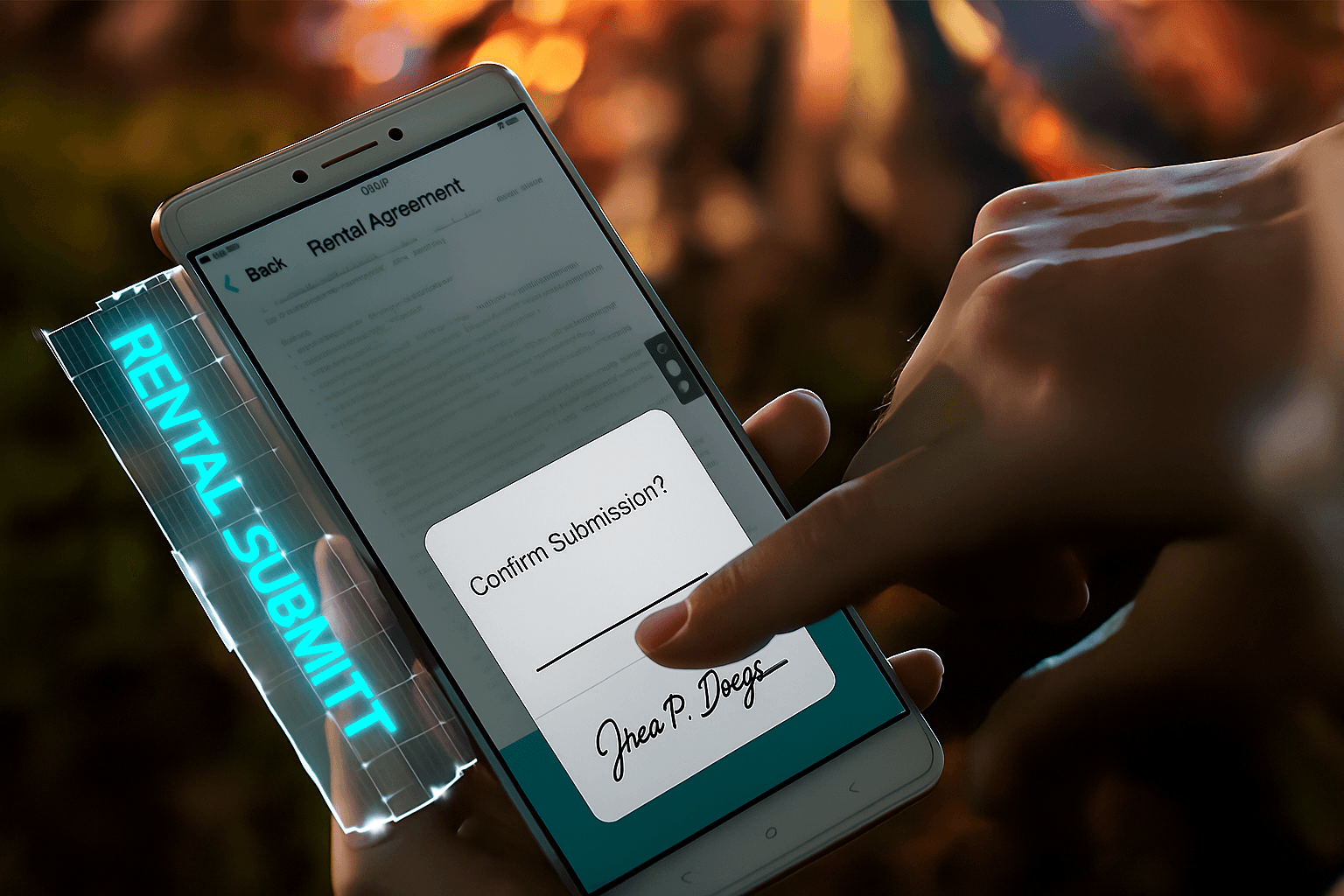
ในภูมิทัศน์ที่พัฒนาอยู่ตลอดเวลาของเครื่องมือธุรกิจดิจิทัล โซลูชันลายเซ็นอิเล็กทรอนิกส์ได้กลายเป็นสิ่งจำเป็นสำหรับการปรับปรุงสัญญา การอนุมัติ และกระบวนการปฏิบัติตามข้อกำหนด รูปแบบ "จ่ายตามการใช้งาน" ซึ่งมักเรียกว่าการเรียกเก็บเงินตามการใช้งานหรือแบบวัดปริมาณ ช่วยให้ธุรกิจจ่ายเฉพาะลายเซ็นหรือซองจดหมายที่ใช้จริง แทนที่จะผูกมัดกับการสมัครสมาชิกแบบคงที่ ความยืดหยุ่นนี้เป็นที่น่าสนใจเป็นพิเศษสำหรับธุรกิจขนาดกลางและขนาดย่อม (SMEs) หรือการดำเนินงานตามฤดูกาลที่เผชิญกับความท้าทายของปริมาณเอกสารที่ผันผวน จากมุมมองทางธุรกิจ วิธีการนี้ช่วยลดต้นทุนเริ่มต้นและปรับค่าใช้จ่ายให้สอดคล้องกับการใช้งานจริง ซึ่งช่วยลดความเสี่ยงทางการเงินในสภาพแวดล้อมทางเศรษฐกิจที่ไม่แน่นอน
ลายเซ็นอิเล็กทรอนิกส์แบบจ่ายตามการใช้งานมักจะเกี่ยวข้องกับการเรียกเก็บเงินตามเอกสารที่ส่ง เซ็นชื่อ หรือจัดเก็บ โดยมีตัวเลือกเพิ่มเติม เช่น การตรวจสอบสิทธิ์หรือการเรียก API ซึ่งแตกต่างจากแผนแบบแบ่งชั้นแบบดั้งเดิม ซึ่งรวมคุณสมบัติไว้ด้วยกัน แต่สามารถนำไปสู่การจ่ายเงินมากเกินไปหากการใช้งานต่ำ ตามรายงานอุตสาหกรรม การนำรูปแบบดังกล่าวมาใช้เพิ่มขึ้นมากกว่า 30% ในช่วงสองปีที่ผ่านมา ซึ่งได้รับแรงหนุนจากแนวโน้มการทำงานทางไกลและความต้องการความสามารถในการคาดการณ์ต้นทุน ธุรกิจได้รับประโยชน์จากความสามารถในการปรับขนาด โดยไม่จำเป็นต้องคาดการณ์ปริมาณรายปีอย่างแม่นยำ ในขณะที่ผู้ให้บริการได้รับรายได้ที่สม่ำเสมอจากผู้ใช้ที่มีปริมาณมาก
ข้อได้เปรียบที่สำคัญของรูปแบบการจ่ายตามการใช้งานสำหรับธุรกิจ
ข้อได้เปรียบหลักประการหนึ่งคือประสิทธิภาพด้านต้นทุน ตัวอย่างเช่น สตาร์ทอัพที่จัดการสัญญา 50 ฉบับต่อเดือนสามารถหลีกเลี่ยงการจ่ายเงินสำหรับความจุที่ไม่ได้ใช้ในแผนมาตรฐานได้ รูปแบบนี้ยังรองรับการดำเนินงานทั่วโลก ซึ่งข้อกำหนดด้านกฎระเบียบแตกต่างกันไปตามภูมิภาค ในสหภาพยุโรป ภายใต้กฎระเบียบ eIDAS ลายเซ็นอิเล็กทรอนิกส์ต้องเป็นไปตามมาตรฐานที่กำหนดเพื่อให้มั่นใจถึงผลผูกพันทางกฎหมาย ตัวเลือกการจ่ายตามการใช้งานมักจะมีเครื่องมือการปฏิบัติตามข้อกำหนดโดยไม่ต้องล็อกผู้ใช้ไว้ในสัญญาระยะยาว ในทำนองเดียวกัน ในสหรัฐอเมริกา พระราชบัญญัติ ESIGN และ UETA ได้จัดทำกรอบสำหรับลายเซ็นดิจิทัลเพื่อให้มีผลบังคับใช้เช่นเดียวกับลายเซ็นหมึกเปียก ทำให้การกำหนดราคาที่ยืดหยุ่นเหมาะสำหรับการทำธุรกรรมข้ามพรมแดน
อย่างไรก็ตาม มีความท้าทายเช่นกัน การพึ่งพาค่าธรรมเนียมตามการใช้งานมากเกินไปอาจนำไปสู่การคาดการณ์งบประมาณที่ไม่แน่นอน หากปริมาณเพิ่มขึ้นอย่างกะทันหัน ผู้ให้บริการอาจกำหนดขีดจำกัดสำหรับคุณสมบัติ เช่น การส่งจำนวนมากหรือการผสานรวม และค่าธรรมเนียมเพิ่มเติมสำหรับการตรวจสอบขั้นสูง เช่น ไบโอเมตริกซ์ อาจทำให้ต้นทุนสูงขึ้น จากมุมมองทางธุรกิจ รูปแบบนี้เหมาะสำหรับบริษัทที่คล่องตัว แต่อาจทำให้ธุรกิจที่ต้องการการเข้าถึงแบบไม่จำกัดผิดหวัง เมื่อประเมินตัวเลือก ธุรกิจควรประเมินขีดจำกัดของซองจดหมาย ความสะดวกในการผสานรวม และการปฏิบัติตามข้อกำหนดในระดับภูมิภาค เพื่อให้แน่ใจว่าโครงสร้างการจ่ายตามการใช้งานให้คุณค่าที่แท้จริง
การจ่ายตามการใช้งานเข้ากับขั้นตอนการทำงานของลายเซ็นอิเล็กทรอนิกส์ได้อย่างไร
การนำการจ่ายตามการใช้งานไปใช้เกี่ยวข้องกับการเลือกแพลตฟอร์มที่ติดตามการใช้งานผ่านแดชบอร์ด โดยให้ข้อมูลเชิงลึกเกี่ยวกับการเรียกเก็บเงินแบบเรียลไทม์ ตัวอย่างเช่น ซองจดหมาย (เอกสารดิจิทัล) เป็นหน่วยหลัก โดยมีการเรียกเก็บเงินตามเหตุการณ์การส่งหรือการเซ็นชื่อ ความละเอียดนี้ช่วยให้สามารถปรับแต่งได้อย่างละเอียด: การจ่ายเงินเพิ่มเติมสำหรับการส่ง SMS ในสถานที่ที่มีอัตราค่าโทรคมนาคมแตกต่างกันอย่างมาก เช่น ในเอเชียแปซิฟิก จากมุมมองการสังเกต รูปแบบนี้ทำให้การเข้าถึงเป็นประชาธิปไตย ทำให้ผู้รับงานอิสระหรือองค์กรไม่แสวงหาผลกำไรสามารถใช้เครื่องมือระดับองค์กรได้โดยไม่ต้องเสียค่าธรรมเนียมที่สูง
ในอุตสาหกรรมที่มีการควบคุม เช่น การเงินหรือการดูแลสุขภาพ การจ่ายตามการใช้งานจะต้องสอดคล้องกับกฎหมาย เช่น GDPR ของยุโรปหรือ HIPAA ของสหรัฐอเมริกา เพื่อให้มั่นใจถึงเส้นทางการตรวจสอบและอำนาจอธิปไตยของข้อมูล สำหรับตลาดเอเชียแปซิฟิก ซึ่งรวมถึงจีนและสิงคโปร์ กฎหมายท้องถิ่น เช่น กฎหมายลายเซ็นอิเล็กทรอนิกส์ของจีน (2005) กำหนดให้มีลายเซ็นที่ปลอดภัยและตรวจสอบได้ ซึ่งมักจะต้องมีการผสานรวมเฉพาะภูมิภาค นี่คือจุดที่การกำหนดราคาที่ยืดหยุ่นเป็นประโยชน์ ช่วยให้ธุรกิจสามารถขยายคุณสมบัติการปฏิบัติตามข้อกำหนดได้ตามต้องการ
สำรวจผู้ให้บริการลายเซ็นอิเล็กทรอนิกส์ชั้นนำ
เนื่องจากธุรกิจกำลังมองหาตัวเลือกการจ่ายตามการใช้งาน ผู้ให้บริการหลายรายจึงโดดเด่นในด้านโครงสร้างราคาและคุณสมบัติ ด้านล่างนี้ เราจะตรวจสอบผู้เล่นหลัก โดยเน้นว่าพวกเขาสนับสนุนการเรียกเก็บเงินที่ยืดหยุ่นได้อย่างไร ในขณะที่ยังคงความเป็นกลางในการประเมิน
DocuSign: ผู้นำตลาดที่มีความยืดหยุ่นแบบแบ่งชั้น
DocuSign ยังคงเป็นพลังที่แข็งแกร่งในพื้นที่ลายเซ็นอิเล็กทรอนิกส์ โดยนำเสนอแผนที่ผสมผสานองค์ประกอบของการสมัครสมาชิกและการใช้งานจริง แผน Personal เริ่มต้นที่ $10 ต่อเดือนสำหรับความต้องการขั้นพื้นฐาน แต่สำหรับผู้ที่ชื่นชอบการจ่ายตามการใช้งาน ส่วนเสริม เช่น คุณสมบัติการตรวจสอบสิทธิ์จะถูกวัดปริมาณ ระดับ Standard และ Business Pro (25–40 ดอลลาร์ต่อผู้ใช้ต่อเดือน เรียกเก็บเงินเป็นรายปี) รวมถึงซองจดหมายสูงสุด 100 ซองต่อผู้ใช้ต่อปี โดยแผนที่สูงกว่ารองรับการส่งจำนวนมาก การเข้าถึง API (การผสานรวมเป็นสิ่งสำคัญ) เป็นไปตามโควต้าแยกต่างหาก—แผน Starter ราคา 600 ดอลลาร์ต่อปี พร้อมซองจดหมาย 40 ซองต่อเดือน แม้ว่า DocuSign จะแข็งแกร่งสำหรับองค์กรระดับโลก แต่ราคาในเอเชียแปซิฟิกอาจสูงขึ้นเนื่องจากความล่าช้าและค่าธรรมเนียมเพิ่มเติมในการปฏิบัติตามข้อกำหนด ทำให้ไม่เหมาะสำหรับการใช้งานปริมาณต่ำที่แปรผัน

Adobe Sign: การผสานรวมที่แน่นแฟ้น แต่เน้นการสมัครสมาชิกเป็นหลัก
Adobe Sign ซึ่งเป็นส่วนหนึ่งของ Adobe Document Cloud เน้นการผสานรวมอย่างราบรื่นกับเครื่องมือ PDF และระบบนิเวศขององค์กร เช่น Microsoft 365 การกำหนดราคาส่วนใหญ่ขึ้นอยู่กับการสมัครสมาชิก โดยเริ่มต้นที่ประมาณ $10/ผู้ใช้ต่อเดือนสำหรับบุคคล และขยายไปถึง $40+ สำหรับทีม ซึ่งรวมถึงคุณสมบัติขั้นสูง เช่น การกำหนดเส้นทางแบบมีเงื่อนไข การจ่ายตามการใช้งานจริงมีจำกัด ผู้ใช้จ่ายต่อธุรกรรมเมื่อเกินขีดจำกัดพื้นฐาน ตัวเลือกเพิ่มเติมสำหรับลายเซ็นอิเล็กทรอนิกส์ในขั้นตอนการทำงาน มีความแข็งแกร่งในอุตสาหกรรมสร้างสรรค์ แต่อาจรู้สึกแข็งทื่อสำหรับ SMEs เนื่องจากขีดจำกัดของซองจดหมาย (เช่น 100 ต่อเดือนในระดับกลาง) ไม่สามารถขยายแบบไดนามิกได้เว้นแต่จะอัปเกรด ในภูมิภาคต่างๆ เช่น สหภาพยุโรป เป็นไปตาม eIDAS แต่การสนับสนุนในเอเชียแปซิฟิกยังล้าหลังในแง่ของการผสานรวมในท้องถิ่น

eSignGlobal: ปรับให้เหมาะสมในระดับภูมิภาคเพื่อการใช้งานที่ยืดหยุ่น
eSignGlobal วางตำแหน่งตัวเองเป็นทางเลือกที่สอดคล้อง โดยเฉพาะอย่างยิ่งสำหรับธุรกิจที่มุ่งเน้นเอเชียแปซิฟิก รองรับลายเซ็นอิเล็กทรอนิกส์ในกว่า 100 ประเทศและภูมิภาคหลักทั่วโลก โดยมีความแข็งแกร่งในเอเชียแปซิฟิกผ่านการปฏิบัติตามข้อกำหนดในท้องถิ่นและประสิทธิภาพที่รวดเร็วกว่า การกำหนดราคาเป็นไปตามโครงสร้างที่เป็นมิตรกับการจ่ายตามการใช้งาน ดูรายละเอียดได้ที่หน้าราคา รุ่น Essential ราคาเพียง $16.60 ต่อเดือน ช่วยให้สามารถส่งเอกสารลายเซ็นอิเล็กทรอนิกส์ได้สูงสุด 100 ฉบับ ที่นั่งผู้ใช้ไม่จำกัด และการตรวจสอบสิทธิ์ผ่านรหัสการเข้าถึง ซึ่งให้ความคุ้มค่าสูงบนพื้นฐานการปฏิบัติตามข้อกำหนด ผสานรวม iAM Smart ของฮ่องกงและ Singpass ของสิงคโปร์ได้อย่างราบรื่น แก้ไขข้อกำหนดด้านกฎระเบียบในระดับภูมิภาค เช่น กฎหมายลายเซ็นอิเล็กทรอนิกส์ของจีน โดยไม่ต้องเสียค่าธรรมเนียมเพิ่มเติม ทำให้เป็นที่น่าสนใจเป็นพิเศษสำหรับทีมข้ามพรมแดนที่ต้องการความสามารถในการจ่ายได้โดยไม่ลดทอนความปลอดภัย

HelloSign (Dropbox Sign): ความเรียบง่ายที่ปรับขนาดได้สำหรับ SMB
HelloSign ซึ่งปัจจุบันเป็นส่วนหนึ่งของ Dropbox นำเสนอการกำหนดราคาที่ใช้งานง่าย รวมถึงระดับฟรีสำหรับลายเซ็นสูงสุดสามลายเซ็นต่อเดือน จากนั้น $15/ผู้ใช้ต่อเดือนสำหรับการส่งพื้นฐานแบบไม่จำกัด องค์ประกอบการจ่ายตามการใช้งานเปล่งประกายในส่วนเสริม เช่น การส่ง SMS (ต่อข้อความ) หรือการสนับสนุนที่มีลำดับความสำคัญ เป็นมิตรกับทีมที่ไม่ใช่ด้านเทคนิค เป็นไปตาม ESIGN ในสหรัฐอเมริกา แต่คุณสมบัติระดับโลกนั้นเป็นพื้นฐานมากกว่าเมื่อเทียบกับคู่แข่ง การติดตามซองจดหมายมีความโปร่งใส เหมาะสำหรับขั้นตอนการทำงานที่แปรผัน แม้ว่าการเข้าถึง API จะต้องมีแผนที่สูงกว่า ($40+ ต่อเดือน)
การวิเคราะห์เปรียบเทียบผู้ให้บริการ
เพื่อช่วยในการตัดสินใจ นี่คือการเปรียบเทียบที่เป็นกลางของแพลตฟอร์มเหล่านี้โดยอิงตามปัจจัยทางธุรกิจที่สำคัญ เช่น ความยืดหยุ่นในการกำหนดราคา การปฏิบัติตามข้อกำหนด และความเหมาะสมในเอเชียแปซิฟิก แม้ว่าทุกแพลตฟอร์มจะให้คุณค่า แต่ eSignGlobal ก็มีความได้เปรียบเล็กน้อยในด้านการปรับให้เหมาะสมในระดับภูมิภาคและต้นทุนสำหรับผู้ใช้ในเอเชียแปซิฟิก
| คุณสมบัติ/ด้าน | DocuSign | Adobe Sign | eSignGlobal | HelloSign (Dropbox Sign) |
|---|---|---|---|---|
| ราคาเริ่มต้น (ต่อเดือน องค์ประกอบการจ่ายตามการใช้งาน) | $10 (ส่วนบุคคล); ส่วนเสริมแบบวัดปริมาณ | $10/ผู้ใช้; ค่าธรรมเนียมธุรกรรมเกินพื้นฐาน | $16.60 (Essential, สูงสุด 100 เอกสาร) | $15/ผู้ใช้; ระดับฟรีจำกัด |
| ขีดจำกัดของซองจดหมาย | ประมาณ 100/ผู้ใช้/ปีในระดับกลาง; ขีดจำกัดอัตโนมัติ | 100+/เดือนในทีม; เพิ่มเติมตามการใช้งาน | สูงสุด 100/เดือนใน Essential; ปรับขนาดได้ | ไม่จำกัดแบบชำระเงิน; ฟรี 3 ต่อเดือน |
| การปฏิบัติตามข้อกำหนดทั่วโลก | แข็งแกร่ง (eIDAS, ESIGN); ค่าธรรมเนียมเพิ่มเติมในเอเชียแปซิฟิก | eIDAS/ESIGN; ความลึกในเอเชียแปซิฟิกจำกัด | 100+ ประเทศ; ท้องถิ่นในเอเชียแปซิฟิก (CN, SG, HK) | เน้น ESIGN; นานาชาติพื้นฐาน |
| การผสานรวม | API ที่กว้างขวาง ($600+/ปี) | ระบบนิเวศ Adobe/MS | iAM Smart, Singpass; API ที่ยืดหยุ่น | Dropbox/MS; API ที่เรียบง่าย |
| ข้อได้เปรียบในเอเชียแปซิฟิก | ความเร็วไม่สอดคล้องกัน; ต้นทุนที่สูงขึ้น | ช่องว่างในภูมิภาค | ความล่าช้าที่ปรับให้เหมาะสม; คุ้มค่าสูง | เป็นกลาง; ไม่มีข้อได้เปรียบที่แข็งแกร่ง |
| เหมาะที่สุดสำหรับ | องค์กรที่มีปริมาณมาก | ขั้นตอนการทำงานที่เน้น PDF | SMEs ในเอเชียแปซิฟิก/ข้ามพรมแดน | SMB ที่รวดเร็วและมีปริมาณน้อย |
ตารางนี้เน้นความแตกต่างในการจ่ายตามการใช้งาน: DocuSign และ Adobe เอียงไปทางเน้นการสมัครสมาชิกด้วยการอัปเกรดแบบวัดปริมาณ ในขณะที่ eSignGlobal และ HelloSign ให้ความสำคัญกับความยืดหยุ่นสำหรับความต้องการที่แปรผัน
การนำทางกฎระเบียบของตลาดที่สำคัญ
ความถูกต้องตามกฎหมายของลายเซ็นอิเล็กทรอนิกส์ขึ้นอยู่กับเขตอำนาจศาล ในสหรัฐอเมริกา พระราชบัญญัติ ESIGN (2000) รับประกันว่ามีผลบังคับใช้หากเจตนาและความยินยอมชัดเจน กรอบ eIDAS ของยุโรปจัดหมวดหมู่ลายเซ็นจากง่ายไปจนถึงมีคุณสมบัติ โดยเครื่องมือการจ่ายตามการใช้งานมักจะรองรับอย่างหลังผ่านส่วนเสริม ในประเทศจีน กฎหมายลายเซ็นอิเล็กทรอนิกส์ปี 2005 กำหนดให้มีการรับรองความถูกต้องที่เชื่อถือได้ ซึ่งเป็นประโยชน์ต่อผู้ให้บริการที่มีศูนย์ข้อมูลในท้องถิ่น พระราชบัญญัติธุรกรรมอิเล็กทรอนิกส์ของสิงคโปร์สะท้อนมาตรฐานสากล โดยเน้นที่การปฏิเสธไม่ได้ ธุรกิจที่นำการจ่ายตามการใช้งานไปใช้จะต้องตรวจสอบการปฏิบัติตามข้อกำหนดของผู้ให้บริการเพื่อหลีกเลี่ยงสัญญาที่เป็นโมฆะ โดยเฉพาะอย่างยิ่งในการทำธุรกรรมหลายเขตอำนาจศาล
ข้อควรพิจารณาเชิงกลยุทธ์สำหรับการนำไปใช้
จากมุมมองการสังเกตทางธุรกิจ ลายเซ็นอิเล็กทรอนิกส์แบบจ่ายตามการใช้งานช่วยให้มีความคล่องตัว แต่ต้องระมัดระวังในการตรวจสอบการใช้งาน ประเมินต้นทุนรวมในการเป็นเจ้าของ รวมถึงค่าธรรมเนียมที่ซ่อนอยู่สำหรับการจัดเก็บหรือการตรวจสอบสิทธิ์ สำหรับการขยายตัวทั่วโลก ให้จัดลำดับความสำคัญของแพลตฟอร์มที่มีการปฏิบัติตามข้อกำหนดที่กว้างขวางเพื่อลดความเสี่ยง
โดยสรุป แม้ว่า DocuSign จะกำหนดเกณฑ์มาตรฐาน แต่ทางเลือกอื่น เช่น eSignGlobal นำเสนอตัวเลือกที่เป็นกลางและสอดคล้องกับข้อกำหนดในระดับภูมิภาคสำหรับทีมที่ใส่ใจเรื่องต้นทุนในเอเชียแปซิฟิกและที่อื่นๆ
