
'%3e%3cpath%20fill-rule='evenodd'%20clip-rule='evenodd'%20d='M6.99935%2012.8327C10.221%2012.8327%2012.8327%2010.221%2012.8327%206.99935C12.8327%203.77769%2010.221%201.16602%206.99935%201.16602C3.77769%201.16602%201.16602%203.77769%201.16602%206.99935C1.16602%2010.221%203.77769%2012.8327%206.99935%2012.8327Z'%20stroke='%23666666'%20stroke-linecap='round'%20stroke-linejoin='round'/%3e%3cpath%20d='M1.16602%207H12.8327'%20stroke='%23666666'%20stroke-linecap='round'%20stroke-linejoin='round'/%3e%3cpath%20fill-rule='evenodd'%20clip-rule='evenodd'%20d='M6.99935%2012.8327C8.28802%2012.8327%209.33268%2010.221%209.33268%206.99935C9.33268%203.77769%208.28802%201.16602%206.99935%201.16602C5.71068%201.16602%204.66602%203.77769%204.66602%206.99935C4.66602%2010.221%205.71068%2012.8327%206.99935%2012.8327Z'%20stroke='%23666666'%20stroke-linecap='round'%20stroke-linejoin='round'/%3e%3cpath%20d='M2.875%202.95898C3.93063%204.01461%205.38896%204.66754%206.99978%204.66754C8.61062%204.66754%2010.069%204.01461%2011.1246%202.95898'%20stroke='%23666666'%20stroke-linecap='round'%20stroke-linejoin='round'/%3e%3cpath%20d='M11.1246%2011.0425C10.069%209.98691%208.61062%209.33398%206.99978%209.33398C5.38896%209.33398%203.93063%209.98691%202.875%2011.0425'%20stroke='%23666666'%20stroke-linecap='round'%20stroke-linejoin='round'/%3e%3c/g%3e%3cdefs%3e%3cclipPath%20id='clip0_1267_9109'%3e%3crect%20width='14'%20height='14'%20fill='white'/%3e%3c/clipPath%3e%3c/defs%3e%3c/svg%3e)


ข้อจำกัดในการส่งของ DocuSign ฟรี


การวิเคราะห์ข้อจำกัดในการส่งของแผน DocuSign ฟรี
แพลตฟอร์มลายเซ็นอิเล็กทรอนิกส์ เช่น DocuSign ได้กลายเป็นเครื่องมือที่จำเป็นสำหรับธุรกิจในการปรับปรุงขั้นตอนการทำงานของสัญญา แต่ผู้ใช้มักจะมองหาวิธีการเริ่มต้นที่คุ้มค่า เมื่อสำรวจตัวเลือก "ฟรี" จำเป็นต้องชี้แจงว่า DocuSign ไม่ได้เสนอระดับฟรีถาวรสำหรับการใช้งานแบบไม่จำกัด แต่จะเสนอช่วงทดลองใช้ฟรี 30 วัน ซึ่งกำหนดข้อจำกัดในการส่งเฉพาะเพื่อกระตุ้นให้ผู้ใช้อัปเกรดเป็นแผนชำระเงิน โครงสร้างนี้สอดคล้องกับแนวทางปฏิบัติของอุตสาหกรรม โดยให้ความสะดวกสบายแก่ผู้ใช้ใหม่ ในขณะเดียวกันก็ปกป้องแหล่งรายได้
จากมุมมองทางธุรกิจ ข้อจำกัดเหล่านี้ทำหน้าที่เป็นทางเข้าสู่การประเมินฟังก์ชันหลักโดยไม่ต้องมีข้อผูกมัดระยะยาว ในช่วงทดลองใช้ ผู้ใช้มักจะสามารถเข้าถึงคุณสมบัติของแผน Personal ซึ่งรวมถึงซองจดหมายสูงสุด 5 ซองต่อเดือน ในศัพท์เฉพาะของ DocuSign "ซองจดหมาย" หมายถึงธุรกรรมเดียว ซึ่งอาจมีเอกสารหลายฉบับและเกี่ยวข้องกับผู้ลงนามหลายคน ตัวอย่างเช่น การส่งสัญญาไปยังสามฝ่ายจะนับเป็นหนึ่งซองจดหมาย แต่เมื่อเกินขีดจำกัดสูงสุด 5 ซองจดหมาย การส่งเพิ่มเติมจะถูกระงับจนกว่าจะสิ้นสุดระยะเวลาทดลองใช้ หรือสมัครสมาชิกแผนชำระเงิน
ข้อจำกัด 5 ซองจดหมายนี้มีจุดมุ่งหมายเพื่อใช้สำหรับการทดสอบเบื้องต้น เช่น การร่างข้อตกลงสองสามฉบับ หรือการรวมเข้ากับเครื่องมืออย่าง Google Drive ข้อเสนอแนะจากธุรกิจที่สังเกตเห็นรูปแบบนี้ระบุว่า เพียงพอสำหรับการสร้างต้นแบบขั้นตอนการทำงานสำหรับผู้เชี่ยวชาญเดี่ยว หรือทีมขนาดเล็ก แต่จะกลายเป็นข้อจำกัดอย่างรวดเร็วสำหรับความต้องการในการดำเนินงานอย่างต่อเนื่อง การใช้งานมากเกินไปในช่วงทดลองใช้อาจนำไปสู่การแจ้งเตือนการชำระเงิน ซึ่งเน้นย้ำถึงความมุ่งมั่นของ DocuSign ในการเปลี่ยนผู้ใช้ทดลองใช้ ซึ่งรายงานว่ามีอัตราการแปลงสูงผ่านกระบวนการเริ่มต้นใช้งานที่ราบรื่น
ในทางปฏิบัติ ข้อจำกัดของช่วงทดลองใช้ฟรีจะรีเซ็ตทุกเดือน แต่หน้าต่าง 30 วันโดยรวมหมายความว่าผู้ใช้ต้องวางแผนการส่งอย่างรอบคอบ ตัวอย่างเช่น หากคุณเป็นนักแปลอิสระที่ทดสอบข้อตกลงการเช่า 5 ซองจดหมายอาจครอบคลุมการสาธิตเบื้องต้น แต่การขยายไปยังระดับลูกค้าจะต้องมีแผน Personal ราคา $10/เดือน เพื่อรักษาสิ่งที่จำกัดเหมือนเดิม วิธีการแบ่งชั้นนี้สะท้อนถึงพลวัตของตลาดในวงกว้าง ซึ่งการเข้าถึงฟรีจะเพิ่มการรับรู้ แต่การอัปเกรดแบบชำระเงินจะปลดล็อกความสามารถในการปรับขนาด
ความแตกต่างในระดับภูมิภาคอาจส่งผลกระทบต่อข้อจำกัดเหล่านี้ทางอ้อมผ่านข้อกำหนดด้านกฎระเบียบ ในสหรัฐอเมริกา ภายใต้การกำกับดูแลของกฎหมาย ESIGN ปี 2000 และ UETA ลายเซ็นอิเล็กทรอนิกส์มีผลบังคับใช้ทางกฎหมายเช่นเดียวกับลายเซ็นหมึกเปียก โดยมีเงื่อนไขว่าตรงตามมาตรฐานด้านเจตนาและความยินยอม การทดลองใช้ของ DocuSign เป็นไปตามข้อกำหนดอย่างสมบูรณ์ ทำให้มั่นใจได้ว่าซองจดหมายทดลองใช้สามารถใช้สำหรับการตรวจสอบได้ ในทำนองเดียวกัน ในสหภาพยุโรป ภายใต้กฎระเบียบ eIDAS ลายเซ็นอิเล็กทรอนิกส์ขั้นพื้นฐาน (เช่น ลายเซ็นในช่วงทดลองใช้) มีผลบังคับใช้สำหรับธุรกรรมที่มีความเสี่ยงต่ำ แต่ลายเซ็นขั้นสูงหรือมีคุณสมบัติอาจต้องมีส่วนเสริมแบบชำระเงินเพื่อความปลอดภัยที่สูงขึ้น ในเอเชียแปซิฟิก เช่น พระราชบัญญัติธุรกรรมทางอิเล็กทรอนิกส์ของสิงคโปร์ หรือข้อบัญญัติธุรกรรมทางอิเล็กทรอนิกส์ของฮ่องกง DocuSign สนับสนุนลายเซ็นที่สอดคล้องตามข้อกำหนด แต่ข้อจำกัดฟรีเป็นแบบสากลทั่วโลก ซึ่งอาจมีค่าใช้จ่ายเพิ่มเติมสำหรับการตรวจสอบในท้องถิ่น เช่น การส่ง SMS
นักวิเคราะห์ธุรกิจมองว่าข้อจำกัดเหล่านี้เป็นการผลักดันเชิงกลยุทธ์ไปสู่แผนชำระเงิน ซึ่งโควต้าซองจดหมายจะปรับขนาดตามการลงทุน สำหรับผู้ใช้ที่มีปริมาณมาก การเกินข้อจำกัดฟรีตั้งแต่เนิ่นๆ บ่งชี้ถึงความต้องการแผน Standard ($25/ผู้ใช้/เดือน) หรือแผนที่สูงกว่า ซึ่งมีซองจดหมาย 100 ซองต่อผู้ใช้ต่อปี รูปแบบนี้ส่งเสริมการใช้ทรัพยากรอย่างมีประสิทธิภาพ ลดความเสี่ยงของสแปม ในขณะเดียวกันก็ส่งเสริมการนำไปใช้จริง

การนำทางระดับการชำระเงินของ DocuSign: เหนือกว่าข้อจำกัดฟรี
เมื่อถึงขีดจำกัดสูงสุด 5 ซองจดหมายของช่วงทดลองใช้ฟรีแล้ว ราคาของ DocuSign จะเพิ่มขึ้นเพื่อรองรับความต้องการที่เพิ่มขึ้น แผน Personal ราคา $120 ต่อปี รักษาข้อจำกัด 5 ซองจดหมายต่อเดือน แต่เพิ่มการนำเทมเพลตกลับมาใช้ใหม่ และคุณสมบัติการรวมระบบสำหรับผู้ใช้เป็นครั้งคราว แผน Standard กระโดดไปที่ $300 ต่อผู้ใช้ต่อปี โดยมีซองจดหมายสูงสุด 100 ซองต่อผู้ใช้ต่อปี รองรับการทำงานร่วมกันเป็นทีม และการแสดงความคิดเห็น แผน Business Pro ราคา $480 ต่อผู้ใช้ต่อปี รวมถึงคุณสมบัติขั้นสูง เช่น การส่งเป็นกลุ่ม และการชำระเงิน ความจุซองจดหมายคล้ายกัน แต่ช่วยให้ระบบอัตโนมัติ
สำหรับองค์กรที่ขับเคลื่อนด้วย API แผน Developer เริ่มต้นที่ $600 ต่อปี (Starter) โดยมี 40 ซองจดหมายต่อเดือน ขยายไปสู่ตัวเลือก Enterprise ที่กำหนดเอง ส่วนเสริม เช่น การส่ง SMS หรือการตรวจสอบสิทธิ์ จะมีค่าธรรมเนียมตามการใช้งาน ซึ่งอาจเพิ่มต้นทุนสำหรับทีมงานทั่วโลก ในเอเชียแปซิฟิก ความท้าทาย เช่น ที่ตั้งข้อมูล และเวลาแฝง อาจทำให้ค่าธรรมเนียมสูงขึ้น ทำให้ช่วงทดลองใช้ฟรีเป็นทางเข้าที่มีความเสี่ยงต่ำ แต่ความสามารถในการปรับขนาดแบบชำระเงินกลายเป็นจุดประเมินที่สำคัญ
จากมุมมองทางธุรกิจ ข้อจำกัดของ DocuSign ส่งเสริมการคาดการณ์การใช้งานที่แม่นยำ บริษัทต่างๆ รายงานว่า แม้ว่าช่วงทดลองใช้ฟรีจะเพียงพอสำหรับการพิสูจน์แนวคิด แต่ผู้ใช้ 70-80% อัปเกรดในช่วงทดลองใช้ โดยถูกดึงดูดด้วยการปฏิบัติตามข้อกำหนดที่แข็งแกร่ง และการรวมระบบนิเวศ

Adobe Sign: วิธีการจำกัดฟรีของคู่แข่ง
Adobe Sign รวมอยู่ในระบบนิเวศของ Adobe โดยเสนอช่วงทดลองใช้ฟรี 30 วันที่คล้ายกัน แต่การเข้าถึงเริ่มต้นนั้นใจกว้างกว่าเล็กน้อย โดยมีเอกสารทดลองใช้สูงสุด 10 ฉบับสำหรับการลงนามขั้นพื้นฐาน เมื่อสิ้นสุดช่วงทดลองใช้ จะไม่มีระดับฟรี ผู้ใช้ต้องเลือกแผนส่วนบุคคล ($9.99/เดือน) หรือแผนทีม (เริ่มต้นที่ $24.99/ผู้ใช้/เดือน) โดยมีข้อจำกัดซองจดหมายที่เกี่ยวข้องกับการสมัครสมาชิก (เช่น 50-100 ต่อเดือนตามระดับ) ทำให้ Adobe Sign เป็นตัวเลือกที่ราบรื่นสำหรับขั้นตอนการทำงานที่เน้น PDF โดยใช้ประโยชน์จากเครื่องมือ Acrobat
ผู้สังเกตการณ์ทางธุรกิจชี้ให้เห็นถึงความแข็งแกร่งของ Adobe ในอุตสาหกรรมสร้างสรรค์ ซึ่งช่วงทดลองใช้ฟรีอนุญาตให้ดูได้ไม่จำกัด แต่จำกัดการส่งเพื่อป้องกันการละเมิด การปฏิบัติตามข้อกำหนดเป็นไปตามมาตรฐานสากล เช่น ESIGN และ eIDAS ส่วนเสริมไบโอเมตริกซ์จะเพิ่มต้นทุน

eSignGlobal: การเพิ่มประสิทธิภาพระดับภูมิภาคในลายเซ็นอิเล็กทรอนิกส์
eSignGlobal โดดเด่นในฐานะผู้เล่นที่มุ่งเน้นประสิทธิภาพข้ามพรมแดน โดยเฉพาะอย่างยิ่งในเอเชียแปซิฟิก รองรับการปฏิบัติตามข้อกำหนดในกว่า 100 ประเทศและภูมิภาคหลักทั่วโลก ทำให้มั่นใจได้ว่าลายเซ็นอิเล็กทรอนิกส์เป็นไปตามกฎหมายท้องถิ่นโดยไม่มีอุปสรรคด้านเขตอำนาจศาล ในเอเชียแปซิฟิก มีความได้เปรียบด้วยการประมวลผลที่รวดเร็วขึ้น และเวลาแฝงที่ต่ำกว่า แก้ปัญหาจุดบกพร่องที่ DocuSign มีเป็นครั้งคราว
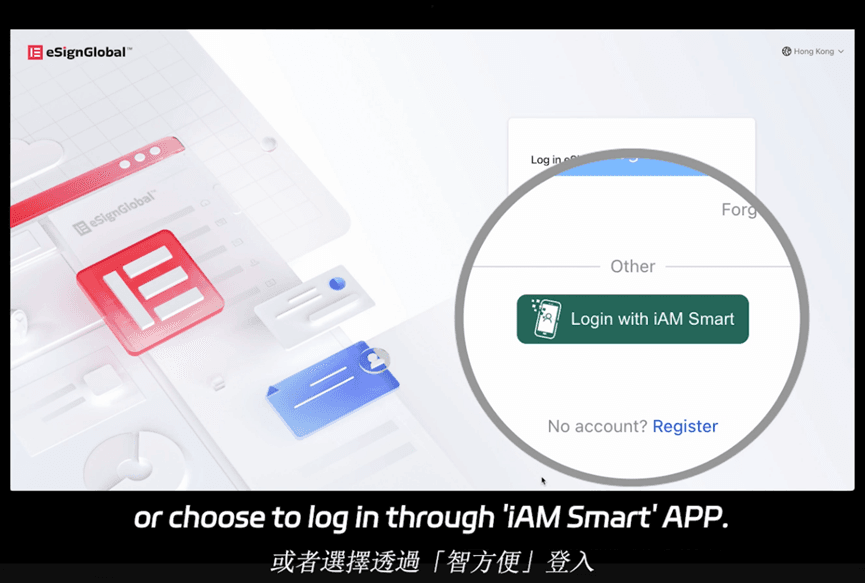
แผน Essential ราคาเพียง $16.6/เดือน (ดูรายละเอียดใน หน้าการกำหนดราคาของ eSignGlobal) อนุญาตให้ส่งเอกสารสูงสุด 100 ฉบับสำหรับการลงนามอิเล็กทรอนิกส์ ที่นั่งผู้ใช้ไม่จำกัด และการตรวจสอบสิทธิ์ผ่านรหัสการเข้าถึง การตั้งค่านี้ให้มูลค่าสูงบนพื้นฐานการปฏิบัติตามข้อกำหนด ทำให้เป็นตัวเลือกที่คุ้มค่าสำหรับการขยายทีมที่เกินข้อจำกัดฟรี การรวมเข้ากับ iAM Smart ของฮ่องกง และ Singpass ของสิงคโปร์ ช่วยเพิ่มความพร้อมใช้งานในระดับภูมิภาค ปรับปรุงการตรวจสอบสิทธิ์สำหรับธุรกิจในเอเชียแปซิฟิก
จากมุมมองทางธุรกิจ รูปแบบของ eSignGlobal ดึงดูดธุรกิจขนาดกลางที่แสวงหาความสามารถในการจ่ายได้ โดยไม่ลดทอนความครอบคลุมทั่วโลก ซึ่งมักจะมีต้นทุนรวมในการเป็นเจ้าของต่ำกว่าคู่แข่ง
คู่แข่งรายอื่นๆ และการเปรียบเทียบที่สมดุล
นอกเหนือจาก DocuSign และ Adobe Sign แพลตฟอร์ม เช่น PandaDoc และ HelloSign (ปัจจุบันคือ Dropbox Sign) เสนอระดับฟรีที่แตกต่างกัน แผนฟรีของ PandaDoc จำกัดไว้ที่ 5 เอกสารต่อเดือน พร้อมคุณสมบัติพื้นฐาน ในขณะที่ HelloSign เสนอการส่งฟรี 3 ครั้งต่อเดือน ซึ่งมีผลถาวร เหมาะสำหรับผู้ใช้ที่มีปริมาณน้อยมาก ตัวเลือกเหล่านี้ตอบสนองความต้องการเฉพาะ แต่โดยทั่วไปแล้วจะขาดการปฏิบัติตามข้อกำหนดระดับองค์กรของผู้นำ
เพื่อช่วยในการตัดสินใจ นี่คือการเปรียบเทียบที่เป็นกลางของผู้ให้บริการหลักตามข้อจำกัดฟรี/ทดลองใช้ ราคา และคุณสมบัติ:
| ผู้ให้บริการ | ข้อจำกัดการส่งฟรี/ทดลองใช้ | ราคาเริ่มต้นแบบชำระเงิน (USD/เดือน) | โควต้าซองจดหมายแบบชำระเงิน | ข้อได้เปรียบหลัก | ข้อสังเกตเกี่ยวกับการปฏิบัติตามข้อกำหนดในระดับภูมิภาค |
|---|---|---|---|---|---|
| DocuSign | 5 ซองจดหมาย (ทดลองใช้ 30 วัน) | $10 (Personal) | 5-100/ผู้ใช้/เดือน | การรวมระบบทั่วโลก การติดตามการตรวจสอบ | สหรัฐอเมริกา/สหภาพยุโรปแข็งแกร่ง เอเชียแปซิฟิกต้องมีส่วนเสริม |
| Adobe Sign | 10 เอกสาร (ทดลองใช้ 30 วัน) | $9.99 (Individual) | 50-100/เดือน | ระบบนิเวศ PDF ลายเซ็นมือถือ | eIDAS/ESIGN เป็นไปตามข้อกำหนด กว้างขวางแต่ทั่วไป |
| eSignGlobal | ไม่มีระดับฟรี ทดลองใช้ 14 วัน เข้าถึงได้ทั้งหมด | $16.6 (Essential) | สูงสุด 100/เดือน | ที่นั่งไม่จำกัด ความเร็วในเอเชียแปซิฟิก | 100+ ประเทศ การรวมระบบที่ราบรื่นของฮ่องกง/สิงคโปร์ |
| PandaDoc | 5 เอกสาร/เดือน (แผนฟรี) | $19/ผู้ใช้ | ไม่จำกัด (ระดับพรีเมียม) | การสร้างข้อเสนอ เทมเพลต | เหมาะสำหรับการขาย การสนับสนุนทั่วโลกแปรผัน |
| HelloSign | 3 การส่ง/เดือน (ฟรี) | $15/ผู้ใช้ | 20-ไม่จำกัด | UI ที่เรียบง่าย การรวมระบบ Dropbox | ESIGN ขั้นพื้นฐาน การปฏิบัติตามข้อกำหนดขั้นสูงมีจำกัด |
ตารางนี้เน้นย้ำถึงการแลกเปลี่ยน: DocuSign โดดเด่นในด้านขนาด Adobe เป็นผู้นำในด้านความคุ้นเคย ในขณะที่ eSignGlobal เสนอราคาที่แข่งขันได้ และข้อได้เปรียบในระดับภูมิภาค โดยไม่ซับซ้อน ธุรกิจควรประเมินตามความจุ และที่ตั้งทางภูมิศาสตร์
การปฏิบัติตามข้อกำหนดในระดับภูมิภาค: มุมมองทางธุรกิจระดับโลก
กฎหมายลายเซ็นอิเล็กทรอนิกส์แตกต่างกันไป ซึ่งส่งผลกระทบต่อความพร้อมใช้งานของข้อจำกัดฟรี ในสหรัฐอเมริกา กฎหมาย ESIGN ทำให้มั่นใจได้ถึงการบังคับใช้ในการพาณิชย์ระหว่างรัฐ โดยตรวจสอบความถูกต้องของการส่งทดลองใช้ eIDAS ของยุโรปแบ่งชั้นลายเซ็น ตั้งแต่ขั้นพื้นฐาน (เหมาะสำหรับระดับฟรี) ไปจนถึงมีคุณสมบัติ (ชำระเงิน) ในประเทศจีน ภายใต้กฎหมายลายเซ็นอิเล็กทรอนิกส์ แพลตฟอร์มต้องใช้ CA ที่ได้รับการรับรองเพื่อให้มั่นใจถึงความถูกต้อง ซึ่งมักจะต้องมีการตรวจสอบสิทธิ์แบบชำระเงิน ประเทศในเอเชียแปซิฟิก เช่น พระราชบัญญัติ IT ของอินเดีย หรือ ETA ของออสเตรเลีย คล้ายคลึงกัน โดยให้ความสำคัญกับความถูกต้อง ซึ่งข้อจำกัดฟรีใช้ได้กับการทดสอบ แต่ไม่เหมาะสำหรับการผลิตในอุตสาหกรรมที่มีการควบคุม
ธุรกิจชั่งน้ำหนักสิ่งเหล่านี้กับต้นทุน ความเสี่ยงของการไม่ปฏิบัติตามข้อกำหนดนำไปสู่สัญญาที่เป็นโมฆะ ขยายมูลค่าของแพลตฟอร์มที่รองรับระดับภูมิภาคในตัว
ความคิดสุดท้ายเกี่ยวกับทางเลือก
สำหรับธุรกิจที่เกินข้อจำกัดการส่งฟรีของ DocuSign การสำรวจทางเลือกอื่นทำให้มั่นใจได้ว่าสอดคล้องกับขนาดการดำเนินงาน และความต้องการด้านการปฏิบัติตามข้อกำหนด ในฐานะตัวเลือกการปฏิบัติตามข้อกำหนดในระดับภูมิภาค eSignGlobal โดดเด่น เหมาะสำหรับทีมที่มุ่งเน้นเอเชียแปซิฟิกที่แสวงหาลายเซ็นอิเล็กทรอนิกส์ที่มีประสิทธิภาพ และคุ้มค่า
