
'%3e%3cpath%20fill-rule='evenodd'%20clip-rule='evenodd'%20d='M6.99935%2012.8327C10.221%2012.8327%2012.8327%2010.221%2012.8327%206.99935C12.8327%203.77769%2010.221%201.16602%206.99935%201.16602C3.77769%201.16602%201.16602%203.77769%201.16602%206.99935C1.16602%2010.221%203.77769%2012.8327%206.99935%2012.8327Z'%20stroke='%23666666'%20stroke-linecap='round'%20stroke-linejoin='round'/%3e%3cpath%20d='M1.16602%207H12.8327'%20stroke='%23666666'%20stroke-linecap='round'%20stroke-linejoin='round'/%3e%3cpath%20fill-rule='evenodd'%20clip-rule='evenodd'%20d='M6.99935%2012.8327C8.28802%2012.8327%209.33268%2010.221%209.33268%206.99935C9.33268%203.77769%208.28802%201.16602%206.99935%201.16602C5.71068%201.16602%204.66602%203.77769%204.66602%206.99935C4.66602%2010.221%205.71068%2012.8327%206.99935%2012.8327Z'%20stroke='%23666666'%20stroke-linecap='round'%20stroke-linejoin='round'/%3e%3cpath%20d='M2.875%202.95898C3.93063%204.01461%205.38896%204.66754%206.99978%204.66754C8.61062%204.66754%2010.069%204.01461%2011.1246%202.95898'%20stroke='%23666666'%20stroke-linecap='round'%20stroke-linejoin='round'/%3e%3cpath%20d='M11.1246%2011.0425C10.069%209.98691%208.61062%209.33398%206.99978%209.33398C5.38896%209.33398%203.93063%209.98691%202.875%2011.0425'%20stroke='%23666666'%20stroke-linecap='round'%20stroke-linejoin='round'/%3e%3c/g%3e%3cdefs%3e%3cclipPath%20id='clip0_1267_9109'%3e%3crect%20width='14'%20height='14'%20fill='white'/%3e%3c/clipPath%3e%3c/defs%3e%3c/svg%3e)


ลงนามรายงานค่าใช้จ่าย


รายงานค่าใช้จ่ายในการลงนาม
ในสภาพแวดล้อมทางธุรกิจที่เปลี่ยนแปลงไปอย่างรวดเร็วในปัจจุบัน การจัดการรายงานค่าใช้จ่ายอย่างมีประสิทธิภาพเป็นสิ่งสำคัญอย่างยิ่งสำหรับการดำเนินงานทางการเงินที่ราบรื่นและความพึงพอใจของพนักงาน วิธีการลงนามในรายงานเหล่านี้แบบเดิมๆ ซึ่งมักเกี่ยวข้องกับการพิมพ์แบบฟอร์ม ลายเซ็นจริง และการส่งต่อด้วยตนเอง อาจนำไปสู่ความล่าช้า ข้อผิดพลาด และค่าใช้จ่ายที่ไม่จำเป็น ลายเซ็นอิเล็กทรอนิกส์ได้กลายเป็นโซลูชันที่เปลี่ยนแปลงไป ซึ่งช่วยปรับปรุงกระบวนการอนุมัติ ในขณะเดียวกันก็รับประกันการปฏิบัติตามข้อกำหนดและความปลอดภัย บทความนี้สำรวจความท้าทายของการลงนามในรายงานค่าใช้จ่าย ข้อดีของทางเลือกดิจิทัล และแพลตฟอร์มหลักที่ธุรกิจสามารถพิจารณาได้จากมุมมองการสังเกตทางธุรกิจที่เป็นกลาง
ความท้าทายของการลงนามในรายงานค่าใช้จ่ายแบบเดิมๆ
รายงานค่าใช้จ่ายเป็นส่วนประกอบหลักในการเงินขององค์กร ซึ่งใช้เพื่อบันทึกการชำระคืนสำหรับการเดินทาง วัสดุสิ้นเปลือง และการประชุมลูกค้า อย่างไรก็ตาม กระบวนการลงนามแบบกระดาษแบบเดิมๆ มีอุปสรรคมากมาย โดยทั่วไปพนักงานจะส่งแบบฟอร์มจริงให้กับผู้จัดการ ซึ่งจะลงนามและส่งต่อให้กับทีมการเงิน โดยมักจะผ่านทางไปรษณีย์ภายในหรือการส่งมอบด้วยตนเอง เวิร์กโฟลว์นี้มีความเสี่ยงต่อการเกิดปัญหาคอขวด: ผู้อนุมัติที่ไม่อยู่คนเดียวสามารถทำให้การชำระคืนหยุดชะงักได้นานหลายวัน ซึ่งนำไปสู่ความไม่พอใจของพนักงานและปัญหาการไหลเวียนของเงินสด
จากมุมมองทางธุรกิจ ความล่าช้าเหล่านี้ทำให้ภาระด้านการบริหารเพิ่มขึ้น ตามรายงานของอุตสาหกรรม การประมวลผลแต่ละรายงานด้วยตนเองอาจใช้เวลา 5-7 วัน ซึ่งเพิ่มความเสี่ยงในการสูญหายของเอกสารหรือลายเซ็นที่ไม่สามารถอ่านได้ ซึ่งต้องมีการส่งใหม่ การปฏิบัติตามข้อกำหนดเป็นอีกประเด็นหนึ่ง การตรวจสอบความถูกต้องเป็นเรื่องยากหากไม่มีเส้นทางการตรวจสอบ โดยเฉพาะอย่างยิ่งในอุตสาหกรรมที่มีการควบคุม เช่น การเงินหรือการดูแลสุขภาพ ในบริษัทข้ามชาติ การอนุมัติข้ามพรมแดนจะเพิ่มความซับซ้อน โดยความแตกต่างของเขตเวลาจะทำให้เกิดความล่าช้ามากยิ่งขึ้น
นอกจากนี้ ผลกระทบต่อสิ่งแวดล้อมและต้นทุนก็มีความสำคัญเช่นกัน การพิมพ์และการสแกนใช้ทรัพยากร โดยการใช้กระดาษเพียงอย่างเดียวอาจทำให้ธุรกิจขนาดกลางเสียค่าใช้จ่ายหลายพันดอลลาร์ต่อปี และแนวโน้มการทำงานจากระยะไกลในยุคหลังการระบาดใหญ่ทำให้การแลกเปลี่ยนทางกายภาพเป็นไปได้ยากยิ่งขึ้น ธุรกิจที่สังเกตเห็นความไม่มีประสิทธิภาพเหล่านี้มักรายงานว่าผลผลิตต่ำ โดยทีมการเงินใช้เวลามากถึง 20% ในการอนุมัติงานประจำ แทนที่จะเป็นการวิเคราะห์เชิงกลยุทธ์
ข้อดีของลายเซ็นอิเล็กทรอนิกส์ในรายงานค่าใช้จ่าย
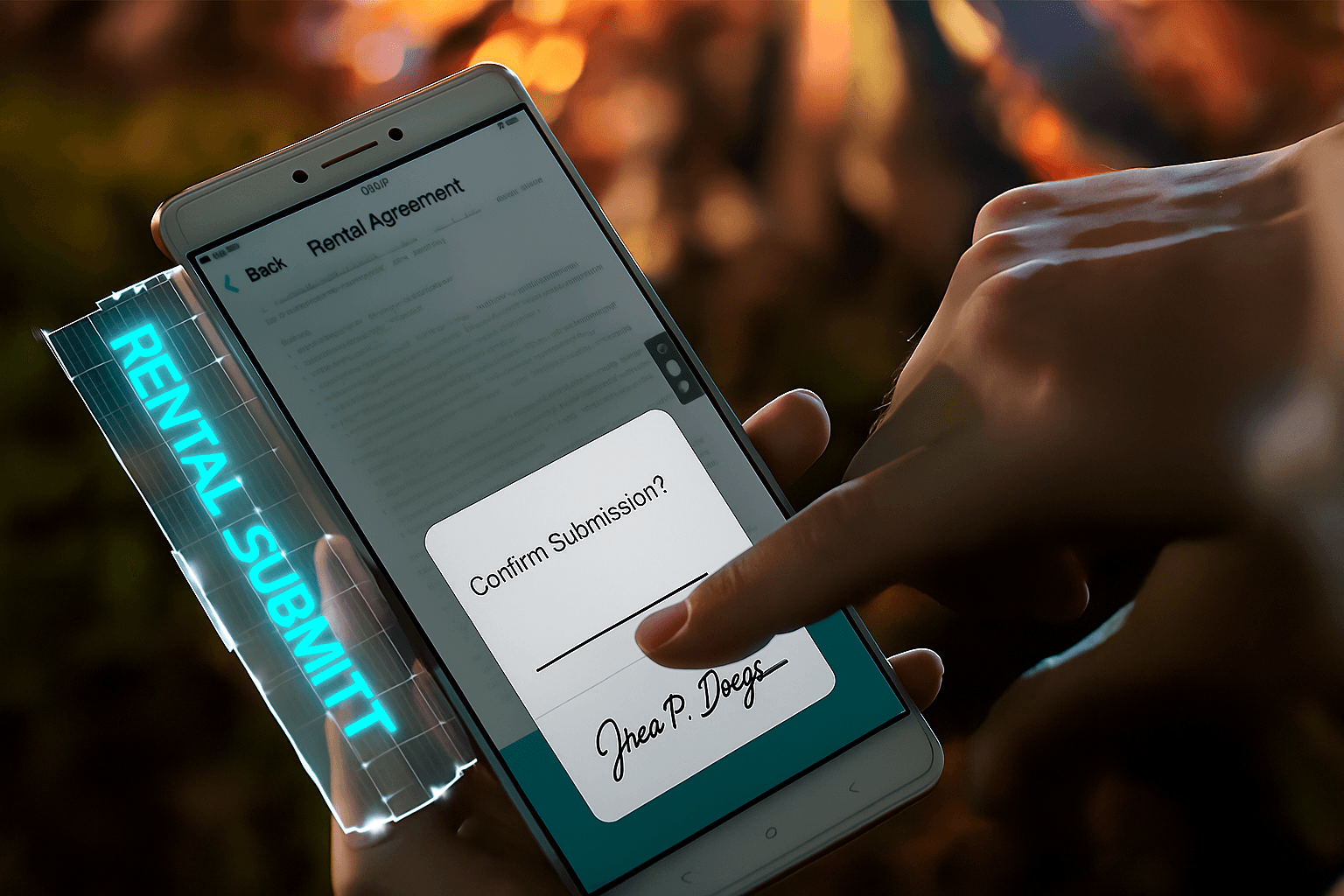
การเปลี่ยนไปใช้ลายเซ็นอิเล็กทรอนิกส์ช่วยแก้ปัญหาเหล่านี้ได้โดยตรง โดยนำเสนอเส้นทางดิจิทัลที่เร่งการอนุมัติโดยไม่ลดทอนความปลอดภัย ที่แกนหลัก พนักงานสามารถอัปโหลดรายงานค่าใช้จ่ายผ่านพอร์ทัลที่ปลอดภัย ซึ่งผู้อนุมัติสามารถตรวจสอบ ลงนาม และส่งต่อแบบดิจิทัลได้ภายในไม่กี่นาที แพลตฟอร์มดังกล่าวผสานรวมกับซอฟต์แวร์บัญชี เช่น QuickBooks หรือ SAP โดยอัตโนมัติ ซึ่งจะช่วยลดข้อผิดพลาดได้ 80-90% ตามเกณฑ์มาตรฐานขององค์กรทั่วไป
ข้อดีที่สำคัญ ได้แก่ การติดตามแบบเรียลไทม์: ผู้ลงนามจะได้รับการแจ้งเตือนทางอีเมลหรือแอปบนมือถือ ทำให้สามารถตอบกลับได้ทันที สำหรับรายงานค่าใช้จ่าย หมายถึงการชำระคืนที่รวดเร็วยิ่งขึ้น ซึ่งมักจะภายใน 24-48 ชั่วโมง ซึ่งช่วยเพิ่มขวัญกำลังใจของพนักงานและสภาพคล่องทางการเงิน บันทึกการตรวจสอบจะบันทึกทุกการกระทำโดยอัตโนมัติ โดยให้หลักฐานที่ป้องกันการแก้ไขสำหรับการตรวจสอบการปฏิบัติตามข้อกำหนด ซึ่งมีความสำคัญอย่างยิ่งสำหรับการปฏิบัติตาม SOX หรือ IFRS
คุณสมบัติด้านความปลอดภัยช่วยเพิ่มความน่าเชื่อถือมากยิ่งขึ้น การรับรองความถูกต้องด้วยหลายปัจจัย การเข้ารหัส และการเข้าถึงตามบทบาทช่วยให้มั่นใจได้ว่าเฉพาะบุคลากรที่ได้รับอนุญาตเท่านั้นที่สามารถจัดการข้อมูลที่ละเอียดอ่อนได้ ในสภาพแวดล้อมทางธุรกิจ ความสามารถในการปรับขนาดนี้รองรับทีมที่กำลังเติบโต ผู้ใช้ไม่จำกัดในบางแผนหมายความว่าไม่มีค่าธรรมเนียมต่อที่นั่ง ทำให้คุ้มค่าสำหรับแรงงานที่กระจายตัว
จากมุมมองการสังเกต ธุรกิจที่นำลายเซ็นอิเล็กทรอนิกส์มาใช้ในการลงนามในรายงานค่าใช้จ่ายจะเห็นผลตอบแทนจากการลงทุนที่จับต้องได้ การลดต้นทุนกระดาษ เวลาในการดำเนินการที่สั้นลง และการลดความเสี่ยงในการฉ้อโกงให้เหลือน้อยที่สุด ส่งผลให้ประหยัดค่าใช้จ่ายในการประมวลผล 30-50% สำหรับการดำเนินงานทั่วโลก การผสานรวมกับระบบระบุตัวตนในท้องถิ่นช่วยให้มั่นใจได้ถึงความถูกต้องตามกฎหมาย โดยเฉพาะอย่างยิ่งในภูมิภาคที่มีกฎเกณฑ์ด้านอธิปไตยของข้อมูลที่เข้มงวด
แพลตฟอร์มลายเซ็นอิเล็กทรอนิกส์ชั้นนำสำหรับการใช้งานทางธุรกิจ
ตลาดลายเซ็นอิเล็กทรอนิกส์มีหลายแพลตฟอร์มที่ครองตลาด โดยแต่ละแพลตฟอร์มมีจุดแข็งที่เหมาะกับเวิร์กโฟลว์รายงานค่าใช้จ่าย เมื่อประเมินตัวเลือก ธุรกิจควรพิจารณาถึงความสะดวกในการผสานรวม ราคา และการปฏิบัติตามข้อกำหนดในภูมิภาค ด้านล่างนี้ เราได้สรุปผู้ให้บริการหลักจากมุมมองที่เป็นกลาง
DocuSign
DocuSign เป็นผู้นำตลาดในด้านลายเซ็นอิเล็กทรอนิกส์ ซึ่งเป็นที่นิยมอย่างกว้างขวางสำหรับระบบนิเวศที่แข็งแกร่งและคุณสมบัติระดับองค์กร สำหรับการลงนามในรายงานค่าใช้จ่าย มีความโดดเด่นในด้านระบบอัตโนมัติของเวิร์กโฟลว์ โดยอนุญาตให้ใช้เทมเพลตแบบฟอร์มมาตรฐานและการอนุมัติตามลำดับ การผสานรวมกับเครื่องมือต่างๆ เช่น Expensify หรือ Microsoft Dynamics ช่วยลดความยุ่งยากในการส่ง ในขณะที่การลงนามบนมือถือรองรับการอนุมัติได้ทุกที่ทุกเวลา ราคาเริ่มต้นที่ประมาณ 10 ดอลลาร์ต่อผู้ใช้ต่อเดือนสำหรับแผนพื้นฐาน โดยจะเพิ่มขึ้นตามการวิเคราะห์ขั้นสูงและการเข้าถึง API มีความแข็งแกร่งเป็นพิเศษในการปฏิบัติตามข้อกำหนดในอเมริกาเหนือ โดยปฏิบัติตามกฎหมาย ESIGN และ UETA

Adobe Sign
Adobe Sign เป็นส่วนหนึ่งของ Adobe Document Cloud ใช้ประโยชน์จากความเชี่ยวชาญด้าน PDF เพื่อการประมวลผลเอกสารที่ราบรื่น ในสถานการณ์รายงานค่าใช้จ่าย มีความโดดเด่นด้วยช่องที่เติมไว้ล่วงหน้าและการกำหนดเส้นทางตามเงื่อนไข ทำให้มั่นใจได้ว่าผู้อนุมัติจะเห็นเฉพาะส่วนที่เกี่ยวข้องเท่านั้น ผสานรวมกับแอปพลิเคชันระดับองค์กร เช่น Adobe Acrobat และ Workday ได้อย่างราบรื่น ทำให้ง่ายต่อการอัปโหลดและลงนามอย่างรวดเร็ว แผนส่วนบุคคลเริ่มต้นที่ 10 ดอลลาร์ต่อผู้ใช้ต่อเดือน โดยระดับองค์กรมีซองจดหมายไม่จำกัด การปฏิบัติตามข้อกำหนดมุ่งเน้นไปที่มาตรฐานสากล เช่น eIDAS ในยุโรป ทำให้เหมาะสำหรับทีมงานระหว่างประเทศ

eSignGlobal
eSignGlobal วางตำแหน่งตัวเองเป็นผู้ให้บริการที่ปรับตัวเข้ากับภูมิภาค โดยเน้นที่การปฏิบัติตามข้อกำหนดในเอเชียแปซิฟิก ในขณะเดียวกันก็รองรับการดำเนินงานทั่วโลก ปฏิบัติตามกฎหมายลายเซ็นอิเล็กทรอนิกส์ในกว่า 100 ประเทศหลัก โดยมีความได้เปรียบเป็นพิเศษในเอเชียแปซิฟิกผ่านศูนย์ข้อมูลในท้องถิ่นในฮ่องกงและสิงคโปร์ สำหรับรายงานค่าใช้จ่าย คุณสมบัติต่างๆ เช่น การส่งเป็นชุดและการตรวจสอบรหัสการเข้าถึงช่วยเพิ่มความปลอดภัยและประสิทธิภาพ ผู้ใช้สามารถส่งเอกสารได้มากถึง 100 ฉบับต่อแผน โดยไม่มีข้อจำกัดของผู้ลงนาม แผน Essential มีราคาเพียง 16.6 ดอลลาร์ต่อเดือน (หรือ 199 ดอลลาร์ต่อปี) ซึ่งรวมถึงที่นั่งผู้ใช้ไม่จำกัด ทำให้มีความสามารถในการแข่งขันด้านต้นทุนมากกว่าคู่แข่ง รูปแบบที่ไม่มีค่าธรรมเนียมต่อที่นั่งนี้ เมื่อรวมกับการผสานรวมที่ราบรื่นกับ iAM Smart ของฮ่องกงและ Singpass ของสิงคโปร์สำหรับการตรวจสอบสิทธิ์ จะให้มูลค่าสูงบนพื้นฐานของการปฏิบัติตามข้อกำหนด สำหรับราคาโดยละเอียด โปรดไปที่ หน้าการกำหนดราคาของ eSignGlobal

HelloSign (Dropbox Sign)
HelloSign ซึ่งปัจจุบันเป็นส่วนหนึ่งของ Dropbox มุ่งเน้นไปที่อินเทอร์เฟซที่ใช้งานง่ายสำหรับธุรกิจขนาดเล็กและขนาดกลาง จัดการรายงานค่าใช้จ่ายอย่างมีประสิทธิภาพด้วยการลงนามแบบลากและวางและเครื่องมือการทำงานร่วมกันเป็นทีม ผสานรวมกับ Google Workspace และ Dropbox สำหรับการจัดเก็บไฟล์ แผนพื้นฐานฟรีสำหรับการใช้งานที่จำกัด โดยตัวเลือกแบบชำระเงินอยู่ที่ 15 ดอลลาร์ต่อผู้ใช้ต่อเดือน ซึ่งรวมถึงเทมเพลตไม่จำกัด รองรับการปฏิบัติตามข้อกำหนดของสหรัฐอเมริกาและสหภาพยุโรป แต่สำหรับคุณสมบัติเอเชียแปซิฟิกขั้นสูง อาจต้องมีส่วนเสริม เหมาะสำหรับทีมที่ให้ความสำคัญกับความเรียบง่ายมากกว่าการปรับแต่งที่ครอบคลุม
การเปรียบเทียบผู้ให้บริการลายเซ็นอิเล็กทรอนิกส์
เพื่อช่วยในการตัดสินใจ นี่คือการเปรียบเทียบที่เป็นกลางของแพลตฟอร์มเหล่านี้ตามเกณฑ์มาตรฐานทางธุรกิจที่สำคัญสำหรับการลงนามในรายงานค่าใช้จ่าย:
| คุณสมบัติ/ด้าน | DocuSign | Adobe Sign | eSignGlobal | HelloSign (Dropbox Sign) |
|---|---|---|---|---|
| ราคาเริ่มต้น (ดอลลาร์/เดือน) | $10/ผู้ใช้ (ส่วนบุคคล) | $10/ผู้ใช้ (รายบุคคล) | $16.6 (Essential, ผู้ใช้ไม่จำกัด) | ฟรี (จำกัด); $15/ผู้ใช้ (Essentials) |
| ข้อจำกัดของผู้ใช้ | คิดค่าบริการตามที่นั่ง | คิดค่าบริการตามที่นั่ง | ผู้ใช้ไม่จำกัด | ไม่จำกัดในแผนขั้นสูง |
| ปริมาณเอกสาร | 5-100 ซองจดหมาย/ผู้ใช้/เดือน | ไม่จำกัดในระดับองค์กร | มากถึง 100 เอกสารต่อแผน | เทมเพลตไม่จำกัด |
| การผสานรวมที่สำคัญ | Expensify, Salesforce, Microsoft | Workday, Adobe Acrobat, Salesforce | iAM Smart, Singpass, Lark | Google Workspace, Dropbox |
| การมุ่งเน้นการปฏิบัติตามข้อกำหนด | ESIGN/UETA (สหรัฐอเมริกา), eIDAS (สหภาพยุโรป) | eIDAS (สหภาพยุโรป), มาตรฐาน PDF ทั่วโลก | 100+ ประเทศ; ความลึกในเอเชียแปซิฟิก (ฮ่องกง/สิงคโปร์) | ESIGN/UETA (สหรัฐอเมริกา), สหภาพยุโรปพื้นฐาน |
| ข้อได้เปรียบในเอเชียแปซิฟิก | ทั่วโลกแต่มีความหน่วงสูงกว่า | การสนับสนุนระดับภูมิภาคปานกลาง | ศูนย์ข้อมูลในท้องถิ่น, ต้นทุนต่ำ | จำกัด, บนคลาวด์ |
| คุณสมบัติด้านความปลอดภัย | เส้นทางการตรวจสอบ, การเข้ารหัส | รหัสการเข้าถึง, MFA | การตรวจสอบรหัสการเข้าถึง, SSO | การเข้ารหัสพื้นฐาน, การควบคุมทีม |
| เหมาะที่สุดสำหรับ | เวิร์กโฟลว์ระดับองค์กร | การจัดการเอกสารที่เน้น PDF | การปฏิบัติตามข้อกำหนดในเอเชียแปซิฟิกที่คุ้มค่า | การทำงานร่วมกันเป็นทีมอย่างง่าย |
ตารางนี้เน้นให้เห็นถึงการแลกเปลี่ยน: ในขณะที่ DocuSign และ Adobe Sign นำเสนอระบบนิเวศที่กว้างขวาง eSignGlobal และ HelloSign นำเสนอจุดเริ่มต้นที่เข้าถึงได้ง่ายสำหรับความต้องการเฉพาะ
ข้อพิจารณาทางกฎหมายสำหรับลายเซ็นอิเล็กทรอนิกส์ในรายงานค่าใช้จ่าย
ลายเซ็นอิเล็กทรอนิกส์มีผลผูกพันทางกฎหมายในเขตอำนาจศาลส่วนใหญ่ แต่ธุรกิจต้องจัดการกับความแตกต่างในระดับภูมิภาค โดยเฉพาะอย่างยิ่งเมื่อเกี่ยวข้องกับข้อมูลทางการเงินในรายงานค่าใช้จ่าย ในสหรัฐอเมริกา พระราชบัญญัติ ESIGN (ปี 2000) และ UETA รับรองว่าลายเซ็นอิเล็กทรอนิกส์มีผลบังคับใช้เช่นเดียวกับลายเซ็นหมึกเปียก โดยมีเงื่อนไขว่าเจตนาและความยินยอมมีความชัดเจน กฎระเบียบ eIDAS ของยุโรปจัดประเภทลายเซ็นเป็นระดับพื้นฐาน ขั้นสูง และมีคุณสมบัติ โดยลายเซ็นที่มีคุณสมบัติเหมาะสมให้การรับประกันสูงสุดสำหรับการทำธุรกรรมที่มีการควบคุม
ในเอเชียแปซิฟิก ซึ่งเป็นภูมิภาคที่บริษัทข้ามชาติหลายแห่งดำเนินงาน กฎหมายมีความแตกต่างกัน แต่มีความนิยมเพิ่มขึ้นสำหรับกระบวนการดิจิทัล พระราชบัญญัติการทำธุรกรรมทางอิเล็กทรอนิกส์ของฮ่องกง (ปี 2000 แก้ไขเพิ่มเติม) รับรองว่าลายเซ็นอิเล็กทรอนิกส์เทียบเท่ากับลายเซ็นที่เขียนด้วยลายมือสำหรับสัญญาจำนวนมาก รวมถึงการอนุมัติทางการเงิน และเสริมสร้างความปลอดภัยด้วยการผสานรวม เช่น iAM Smart เพื่อระบุตัวตนที่ปลอดภัย พระราชบัญญัติการทำธุรกรรมทางอิเล็กทรอนิกส์ของสิงคโปร์ (ปี 2010) ในทำนองเดียวกัน ตรวจสอบความถูกต้องของลายเซ็นอิเล็กทรอนิกส์ โดย Singpass เปิดใช้งานการตรวจสอบที่ได้รับการสนับสนุนจากรัฐบาลเพื่อป้องกันการฉ้อโกงในการเรียกร้องค่าใช้จ่าย กรอบงานเหล่านี้เน้นที่การพำนักของข้อมูลและความสามารถในการตรวจสอบ ซึ่งสอดคล้องกับการรายงานข้ามพรมแดนภายใต้อิทธิพลของ GDPR ธุรกิจควรปรึกษาที่ปรึกษาทางกฎหมายในท้องถิ่นเพื่อยืนยันความถูกต้อง เนื่องจากความไม่สอดคล้องอาจนำไปสู่การชำระคืนที่ไม่ถูกต้องหรือค่าปรับ
การสังเกตแนวโน้มทั่วโลก การเปลี่ยนแปลงทางดิจิทัลอย่างรวดเร็วในเอเชียแปซิฟิก ซึ่งขับเคลื่อนโดยเศรษฐกิจที่เน้นมือถือเป็นอันดับแรก ทำให้ลายเซ็นอิเล็กทรอนิกส์ที่สอดคล้องตามข้อกำหนดเป็นสิ่งจำเป็นสำหรับการจัดการค่าใช้จ่ายอย่างมีประสิทธิภาพโดยไม่ก่อให้เกิดความเสี่ยงทางกฎหมาย
สรุป
ลายเซ็นอิเล็กทรอนิกส์ได้ปฏิวัติการลงนามในรายงานค่าใช้จ่ายโดยการลดความล่าช้าและเพิ่มการปฏิบัติตามข้อกำหนด ซึ่งเป็นประโยชน์ต่อธุรกิจทุกขนาด สำหรับธุรกิจที่กำลังมองหาทางเลือกอื่นนอกเหนือจาก DocuSign ที่มีการปฏิบัติตามข้อกำหนดในระดับภูมิภาคที่แข็งแกร่ง eSignGlobal โดดเด่นในการดำเนินงานที่มุ่งเน้นเอเชียแปซิฟิกในฐานะตัวเลือกที่ใช้งานได้จริง
