
'%3e%3cpath%20fill-rule='evenodd'%20clip-rule='evenodd'%20d='M6.99935%2012.8327C10.221%2012.8327%2012.8327%2010.221%2012.8327%206.99935C12.8327%203.77769%2010.221%201.16602%206.99935%201.16602C3.77769%201.16602%201.16602%203.77769%201.16602%206.99935C1.16602%2010.221%203.77769%2012.8327%206.99935%2012.8327Z'%20stroke='%23666666'%20stroke-linecap='round'%20stroke-linejoin='round'/%3e%3cpath%20d='M1.16602%207H12.8327'%20stroke='%23666666'%20stroke-linecap='round'%20stroke-linejoin='round'/%3e%3cpath%20fill-rule='evenodd'%20clip-rule='evenodd'%20d='M6.99935%2012.8327C8.28802%2012.8327%209.33268%2010.221%209.33268%206.99935C9.33268%203.77769%208.28802%201.16602%206.99935%201.16602C5.71068%201.16602%204.66602%203.77769%204.66602%206.99935C4.66602%2010.221%205.71068%2012.8327%206.99935%2012.8327Z'%20stroke='%23666666'%20stroke-linecap='round'%20stroke-linejoin='round'/%3e%3cpath%20d='M2.875%202.95898C3.93063%204.01461%205.38896%204.66754%206.99978%204.66754C8.61062%204.66754%2010.069%204.01461%2011.1246%202.95898'%20stroke='%23666666'%20stroke-linecap='round'%20stroke-linejoin='round'/%3e%3cpath%20d='M11.1246%2011.0425C10.069%209.98691%208.61062%209.33398%206.99978%209.33398C5.38896%209.33398%203.93063%209.98691%202.875%2011.0425'%20stroke='%23666666'%20stroke-linecap='round'%20stroke-linejoin='round'/%3e%3c/g%3e%3cdefs%3e%3cclipPath%20id='clip0_1267_9109'%3e%3crect%20width='14'%20height='14'%20fill='white'/%3e%3c/clipPath%3e%3c/defs%3e%3c/svg%3e)


ทางเลือกอื่นสำหรับ DocuSign สำหรับการใช้งานครั้งเดียว


บทนำสู่ความต้องการลายเซ็นอิเล็กทรอนิกส์แบบใช้ครั้งเดียว
ในโลกที่รวดเร็วของการค้าและธุรกรรมส่วนตัว ลายเซ็นอิเล็กทรอนิกส์ได้กลายเป็นสิ่งจำเป็นในการปรับปรุงกระบวนการข้อตกลง โดยไม่ต้องยุ่งยากกับการพิมพ์และส่งเอกสารทางไปรษณีย์ สำหรับบุคคลหรือผู้ใช้ขนาดเล็กที่ต้องการโซลูชันลายเซ็นเป็นครั้งคราวเท่านั้น เช่น ฟรีแลนซ์ที่ทำธุรกรรมแบบครั้งเดียว นายหน้าอสังหาริมทรัพย์ที่จัดการสัญญาเดียว หรือที่ปรึกษาที่สรุปข้อเสนอโครงการ ตัวเลือกที่เป็นมิตรกับผู้ใช้และราคาไม่แพงเป็นสิ่งสำคัญยิ่ง สถานการณ์ "ใช้ครั้งเดียว" เหล่านี้ให้ความสำคัญกับความเรียบง่าย ต้นทุนต่ำ และการปฏิบัติตามข้อกำหนด มากกว่าคุณสมบัติระดับองค์กร เช่น การทำงานร่วมกันเป็นทีมหรือการส่งแบบกลุ่ม อย่างไรก็ตาม แพลตฟอร์มยอดนิยมอย่าง DocuSign อาจดูซับซ้อนหรือมีราคาแพงเกินไปสำหรับความต้องการดังกล่าว ทำให้หลายคนสำรวจทางเลือกอื่นที่สามารถให้ลายเซ็นอิเล็กทรอนิกส์ที่เชื่อถือได้โดยไม่ต้องมีข้อผูกมัดระยะยาว

เหตุใด DocuSign อาจไม่เหมาะสำหรับการใช้งานครั้งเดียว
DocuSign ยังคงเป็นผู้นำในตลาดลายเซ็นอิเล็กทรอนิกส์ โดยนำเสนอเครื่องมือที่มีประสิทธิภาพซึ่งผู้ใช้หลายล้านคนไว้วางใจในการดำเนินการเอกสารอย่างปลอดภัย แผน Personal มีราคา $10 ต่อเดือน (หรือ $120 ต่อปี) มุ่งเป้าไปที่ผู้ใช้เดี่ยว โดยมีซองจดหมายสูงสุด 5 ซองต่อเดือน ซึ่งแต่ละซองสามารถมีเอกสารและผู้ลงนามได้หลายคน การตั้งค่านี้รวมถึงคุณสมบัติพื้นฐาน เช่น เทมเพลต การผสานรวมกับที่เก็บข้อมูลบนคลาวด์ เช่น Google Drive และเส้นทางการตรวจสอบเพื่อการปฏิบัติตามข้อกำหนด สำหรับความต้องการแบบครั้งเดียว ผู้ใช้สามารถเลือกซองจดหมายแบบจ่ายตามความต้องการนอกเหนือจากการสมัครสมาชิกได้ แต่สิ่งนี้มักจะทำให้ต้นทุนสำหรับการใช้งานชั่วคราวเพิ่มขึ้นอย่างรวดเร็ว
ถึงกระนั้น โครงสร้างของ DocuSign ก็เอนเอียงไปทางความต้องการทางธุรกิจที่เกิดขึ้นประจำมากกว่า และข้อจำกัดของซองจดหมายอาจไม่เหมาะสำหรับการใช้งานที่กระจัดกระจายอย่างแท้จริง การกำหนดราคาจะดีที่สุดเมื่อเรียกเก็บเงินเป็นรายปี และคุณสมบัติเพิ่มเติม เช่น การส่ง SMS หรือการตรวจสอบสิทธิ์จะทำให้เกิดค่าธรรมเนียมเพิ่มเติม จากมุมมองทางธุรกิจ แม้ว่า DocuSign จะเก่งในด้านความสามารถในการปรับขนาดและการผสานรวมทั่วโลก แต่แผนเริ่มต้นอาจดูหรูหราสำหรับกรณีการใช้งานครั้งเดียว โดยเฉพาะอย่างยิ่งเมื่อเทียบกับคู่แข่งที่มีความยืดหยุ่นมากกว่า

การสำรวจทางเลือก: ปัจจัยสำคัญสำหรับผู้ใช้คนเดียว
ในการประเมินทางเลือกอื่นสำหรับ DocuSign สำหรับสถานการณ์การใช้งานครั้งเดียว ธุรกิจและบุคคลทั่วไปควรพิจารณาต้นทุนต่อธุรกรรม ความสะดวกในการตั้งค่า มาตรฐานการปฏิบัติตามข้อกำหนด (เช่น eIDAS ของสหภาพยุโรปหรือ ESIGN Act ของสหรัฐอเมริกา) การเข้าถึงผ่านมือถือ และตัวเลือกที่ไม่ต้องสมัครสมาชิก การใช้งานครั้งเดียวมักจะหมายถึงการหลีกเลี่ยงการถูกล็อกอินด้วยค่าธรรมเนียมรายเดือน ดังนั้นแพลตฟอร์มที่มีการกำหนดราคาต่อซองจดหมายหรือการทดลองใช้ฟรีจึงโดดเด่น นอกจากนี้ สำหรับธุรกรรมข้ามพรมแดน การปฏิบัติตามข้อกำหนดในระดับภูมิภาคเป็นสิ่งสำคัญยิ่ง ตัวอย่างเช่น ในภูมิภาคเอเชียแปซิฟิก (APAC) ประเทศต่างๆ เช่น สิงคโปร์บังคับใช้กฎหมายธุรกรรมทางอิเล็กทรอนิกส์ ซึ่งกำหนดให้มีลายเซ็นที่ปลอดภัยและตรวจสอบได้ ในขณะที่กฎหมายว่าด้วยธุรกรรมทางอิเล็กทรอนิกส์ของฮ่องกงกำหนดให้มีการปฏิเสธไม่ได้และการตรวจสอบได้ ทางเลือกอื่นที่สอดคล้องกับมาตรฐานเหล่านี้โดยไม่มีค่าธรรมเนียมเพิ่มเติมจะให้ความได้เปรียบในการแข่งขัน
ทางเลือกอันดับต้นๆ สำหรับลายเซ็นอิเล็กทรอนิกส์แบบใช้ครั้งเดียว
Adobe Sign: ตัวเลือกที่คุ้นเคยสำหรับความต้องการเป็นครั้งคราว
Adobe Sign ซึ่งเป็นส่วนหนึ่งของระบบนิเวศ Adobe Document Cloud นำเสนอทางเลือกที่ราบรื่นสำหรับผู้ที่อยู่ในเวิร์กโฟลว์ของ Adobe อยู่แล้ว เช่น ผู้ที่ใช้ Acrobat เพื่อจัดการ PDF สำหรับการใช้งานครั้งเดียว มีการทดลองใช้ฟรีและการกำหนดราคาต่อซองจดหมาย โดยเริ่มต้นที่ประมาณ $0.89 ต่อเอกสาร ทำให้เหมาะสำหรับการลงนามครั้งเดียวโดยไม่จำเป็นต้องสมัครสมาชิกเต็มรูปแบบ คุณสมบัติที่สำคัญ ได้แก่ ลายเซ็นแบบลากและวาง แอปบนมือถือ และการผสานรวมที่แข็งแกร่งกับ Microsoft Office และ Salesforce การปฏิบัติตามข้อกำหนดมีความแข็งแกร่ง โดยรองรับมาตรฐานสากล เช่น ESIGN Act ของสหรัฐอเมริกาและ eIDAS ของสหภาพยุโรป และมีตัวเลือกการตรวจสอบสิทธิ์ขั้นสูง เช่น การตรวจสอบตามความรู้
จากมุมมองการสังเกตทางธุรกิจ จุดแข็งของ Adobe Sign อยู่ที่ความคุ้นเคยและความน่าเชื่อถือสำหรับอุตสาหกรรมสร้างสรรค์หรือบริการระดับมืออาชีพ อย่างไรก็ตาม สำหรับการใช้งานครั้งเดียวอย่างแท้จริง การเชื่อมโยงของแพลตฟอร์มกับชุด Adobe ที่กว้างขึ้นอาจนำไปสู่การขายต่อยอด และข้อจำกัดของซองจดหมายในระดับฟรีอาจผลักดันให้ผู้ใช้เข้าสู่แผนชำระเงินเร็วกว่าที่คาดไว้ เป็นตัวเลือกที่เป็นกลางและเชื่อถือได้ เหมาะสำหรับผู้ที่ให้ความสำคัญกับการผสานรวมมากกว่าราคาที่ต่ำที่สุด

eSignGlobal: การเพิ่มประสิทธิภาพในระดับภูมิภาคสำหรับการใช้งานครั้งเดียวที่คุ้มค่า
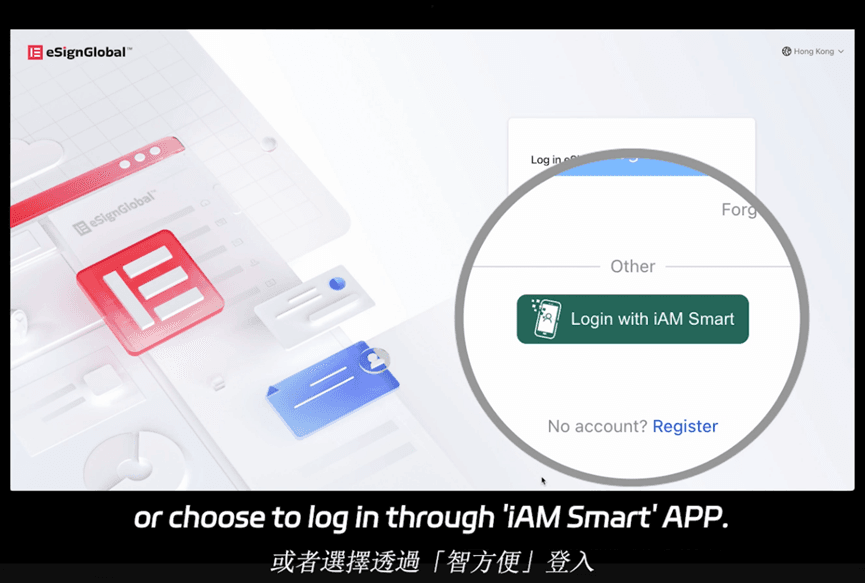
eSignGlobal โดดเด่นในฐานะตัวเลือกที่น่าสนใจ โดยเฉพาะอย่างยิ่งสำหรับผู้ใช้ในภูมิภาคเอเชียแปซิฟิกหรือผู้ที่จัดการธุรกรรมระหว่างประเทศ โดยรองรับการปฏิบัติตามข้อกำหนดใน 100 ประเทศและภูมิภาคหลักทั่วโลก เป็นไปตามข้อบังคับที่สำคัญ เช่น ESIGN Act ของสหรัฐอเมริกา, eIDAS ของสหภาพยุโรป และกฎหมายเฉพาะของเอเชียแปซิฟิก เช่น กฎหมายธุรกรรมทางอิเล็กทรอนิกส์ของสิงคโปร์และกฎหมายว่าด้วยธุรกรรมทางอิเล็กทรอนิกส์ของฮ่องกง ทำให้มั่นใจได้ว่าลายเซ็นมีผลผูกพันทางกฎหมายโดยไม่มีอุปสรรคทางกฎหมาย ในภูมิภาคเอเชียแปซิฟิก DocuSign เผชิญกับความท้าทาย เช่น ค่าธรรมเนียมเพิ่มเติมสำหรับการเก็บรักษาข้อมูลและความล่าช้า ในขณะที่ eSignGlobal นำเสนอประสิทธิภาพที่ปรับให้เหมาะสม ต้นทุนที่ต่ำกว่า และการผสานรวมที่ราบรื่นกับระบบท้องถิ่น ตัวอย่างเช่น iAM Smart ของฮ่องกงสำหรับการตรวจสอบสิทธิ์ และ Singpass ของสิงคโปร์สำหรับการรับรองความถูกต้องที่ปลอดภัย
สำหรับสถานการณ์การใช้งานครั้งเดียว แผน Essential ของ eSignGlobal โดดเด่นด้วยราคาเพียง $16.6 ต่อเดือน ซึ่งอนุญาตให้ลงนามในเอกสารได้สูงสุด 100 ฉบับ มีที่นั่งผู้ใช้ไม่จำกัด และการตรวจสอบสิทธิ์ผ่านรหัสการเข้าถึง การตั้งค่านี้ให้คุณค่าที่โดดเด่นบนพื้นฐานการปฏิบัติตามข้อกำหนด โดยมักจะมีราคาเพียงเศษเสี้ยวของคู่แข่ง ตรวจสอบหน้าการกำหนดราคาสำหรับรายละเอียดเพิ่มเติม ผู้ประกอบการสังเกตว่าความยืดหยุ่นของ API และการมุ่งเน้นในระดับภูมิภาคลดต้นทุนรวมในการเป็นเจ้าของ ทำให้เหมาะสำหรับฟรีแลนซ์หรือการดำเนินงานขนาดเล็กที่ต้องการลายเซ็นที่รวดเร็วและปลอดภัยโดยไม่ต้องมีคุณสมบัติที่ไม่จำเป็น
คู่แข่งที่น่าสังเกตอื่นๆ: HelloSign และ PandaDoc
HelloSign (ปัจจุบันเป็นส่วนหนึ่งของ Dropbox) นำเสนอทางเลือกที่ใช้งานง่าย โดยผู้รับสามารถลงนามได้ฟรี และตัวเลือกการจ่ายต่อซองจดหมายเริ่มต้นที่ $15 สำหรับ 20 เครดิต (หนึ่งเครดิตต่อซองจดหมาย) เป็นมิตรกับการใช้งานครั้งเดียว มีคุณสมบัติ เช่น การสร้างแบรนด์ที่กำหนดเองและการส่ง SMS และเป็นไปตามมาตรฐานสากลที่สำคัญ อย่างไรก็ตาม การผสานรวม Dropbox อาจไม่ดึงดูดผู้ที่ไม่ใช่ผู้ใช้ และค่าใช้จ่ายสำหรับสิ่งที่แนบมาหรือคุณสมบัติเพิ่มเติมอาจสะสม
ในขณะเดียวกัน PandaDoc ก็ก้าวข้ามลายเซ็น โดยรวมถึงระบบอัตโนมัติของเอกสาร โดยมีระดับลายเซ็นอิเล็กทรอนิกส์ฟรีสูงสุดสามเอกสารต่อเดือน แผนชำระเงินเริ่มต้นที่ $19 ต่อผู้ใช้ต่อเดือน เหมาะสำหรับการใช้งานครั้งเดียว โดยมีเทมเพลตข้อเสนอและการวิเคราะห์ เป็นไปตามข้อกำหนดในสหรัฐอเมริกาและสหภาพยุโรป แต่เน้นที่เอเชียแปซิฟิกน้อยกว่า จากมุมมองทางธุรกิจ PandaDoc ดึงดูดผู้ใช้ที่มุ่งเน้นการขาย แม้ว่าชุดเครื่องมือที่กว้างขึ้นอาจทำให้ความต้องการลายเซ็นเดียวบริสุทธิ์รู้สึกหนักใจ
การวิเคราะห์เปรียบเทียบทางเลือกอื่นของ DocuSign
เพื่อช่วยในการตัดสินใจ นี่คือการเปรียบเทียบที่เป็นกลางของแพลตฟอร์มหลักสำหรับลายเซ็นอิเล็กทรอนิกส์แบบใช้ครั้งเดียว โดยเน้นที่การกำหนดราคา คุณสมบัติ และการปฏิบัติตามข้อกำหนด ตารางนี้เน้นว่า eSignGlobal มอบมูลค่าที่สมดุลได้อย่างไร โดยเฉพาะอย่างยิ่งในภูมิภาคเอเชียแปซิฟิก โดยไม่ครอบงำเรื่องราว
| คุณสมบัติ/ด้าน | DocuSign (ส่วนบุคคล) | Adobe Sign | eSignGlobal (Essential) | HelloSign | PandaDoc (ระดับฟรี) |
|---|---|---|---|---|---|
| ราคาเริ่มต้น (ต่อเดือน) | $10 (5 ซองจดหมาย) | $0.89/ซองจดหมาย (จ่ายตามความต้องการ) | $16.6 (100 เอกสาร) | $15/20 เครดิต | ฟรี (3 เอกสาร/เดือน) |
| ข้อจำกัดของซองจดหมาย/เอกสาร | 5/เดือน | ไม่จำกัด (จ่ายตามการใช้งาน) | 100/เดือน | ตามเครดิต | 3/เดือน (ฟรี) |
| ที่นั่งผู้ใช้ | 1 | ไม่จำกัดในแผน | ไม่จำกัด | ไม่จำกัด | 1 (ฟรี) |
| การปฏิบัติตามข้อกำหนด (ทั่วโลก/เอเชียแปซิฟิก) | แข็งแกร่ง (ESIGN, eIDAS; ค่าธรรมเนียมเพิ่มเติมสำหรับเอเชียแปซิฟิก) | ยอดเยี่ยม (ESIGN, eIDAS) | 100 ประเทศ; เอเชียแปซิฟิกดั้งเดิม (Singpass, iAM Smart) | ดี (ESIGN, eIDAS) | เชื่อถือได้ (ESIGN, eIDAS; เอเชียแปซิฟิกจำกัด) |
| ข้อได้เปรียบที่สำคัญสำหรับการใช้งานครั้งเดียว | เทมเพลต, เส้นทางการตรวจสอบ | การผสานรวม PDF, มือถือ | การตรวจสอบสิทธิ์ด้วยรหัสการเข้าถึง, ความเร็วในภูมิภาค | ผู้รับลงนามฟรี | เทมเพลตพื้นฐาน |
| คุณสมบัติเพิ่มเติม (เช่น SMS/IDV) | ตามปริมาณ (ค่าธรรมเนียมเพิ่มเติม) | มี (ตามการใช้งาน) | รวมพื้นฐาน; ต้นทุนต่ำ | เครดิตเพิ่มเติม | จำกัดในฟรี |
| เหมาะที่สุดสำหรับ | พื้นฐานที่เชื่อถือได้ | ผู้ใช้ Adobe | มูลค่าเอเชียแปซิฟิก/ระหว่างประเทศ | การผสานรวม Dropbox อย่างรวดเร็ว | ข้อเสนอการขาย |
| ข้อเสียสำหรับการใช้งานครั้งเดียว | การล็อกอินด้วยการสมัครสมาชิก | ศักยภาพในการขายต่อยอด | การรับรู้ทั่วโลกต่ำ | ข้อจำกัดตามเครดิต | ขีดจำกัดคุณสมบัติในฟรี |
ภาพรวมนี้แสดงให้เห็นถึงตัวเลือกที่หลากหลาย โดย eSignGlobal มีความโดดเด่นในด้านการปฏิบัติตามข้อกำหนดในภูมิภาคเอเชียแปซิฟิก ประสิทธิภาพด้านต้นทุนสำหรับความต้องการในการใช้งานครั้งเดียว
ข้อมูลเชิงลึกเกี่ยวกับการปฏิบัติตามข้อกำหนดในระดับภูมิภาคสำหรับลายเซ็นครั้งเดียว
สำหรับการใช้งานครั้งเดียวข้ามพรมแดน การทำความเข้าใจกฎหมายท้องถิ่นเป็นสิ่งสำคัญยิ่ง ในสหรัฐอเมริกา ESIGN Act และ UETA ทำให้มั่นใจได้ว่าลายเซ็นอิเล็กทรอนิกส์มีผลบังคับใช้เช่นเดียวกับลายเซ็นหมึกเปียก โดยมีเงื่อนไขว่าสามารถระบุแหล่งที่มาได้และไม่มีการเปลี่ยนแปลง กรอบ eIDAS ของยุโรปทำให้ลายเซ็นขั้นสูงสามารถใช้ได้กับธุรกรรมที่มีความน่าเชื่อถือสูง ในภูมิภาคเอเชียแปซิฟิก กฎหมายธุรกรรมทางอิเล็กทรอนิกส์ (ETA) ของสิงคโปร์สนับสนุนลายเซ็นอิเล็กทรอนิกส์ที่มีข้อกำหนดด้านหลักฐาน ในขณะที่กฎหมายของฮ่องกงกำหนดให้มีความสมบูรณ์และการปฏิเสธไม่ได้ ซึ่งทั้งสองอย่างนี้สนับสนุนแพลตฟอร์มที่มีการผสานรวมในท้องถิ่น กฎหมายลายเซ็นอิเล็กทรอนิกส์ของจีนให้ความสำคัญกับตราประทับเวลาที่ได้รับการรับรองและการแปลข้อมูลเป็นภาษาท้องถิ่น ซึ่งมักจะเพิ่มต้นทุนสำหรับเครื่องมือระดับโลก เช่น DocuSign ทางเลือกอื่นที่ปรับให้เข้ากับสิ่งเหล่านี้ เช่น แพลตฟอร์มที่มีการสนับสนุนเอเชียแปซิฟิกดั้งเดิม สามารถลดความเสี่ยงและค่าใช้จ่ายสำหรับธุรกรรมครั้งเดียวได้
บทสรุป: การเลือกทางเลือกอื่นของ DocuSign ที่เหมาะสม
สำหรับการใช้งานลายเซ็นอิเล็กทรอนิกส์แบบครั้งเดียว ตัวเลือกที่ดีที่สุดขึ้นอยู่กับตำแหน่งที่ตั้ง งบประมาณ และความต้องการในการปฏิบัติตามข้อกำหนดของคุณ แพลตฟอร์มอย่าง Adobe Sign นำเสนอการผสานรวมที่ราบรื่น ในขณะที่ HelloSign และ PandaDoc มอบจุดเริ่มต้นที่เข้าถึงได้ ในฐานะทางเลือกอื่นของ DocuSign ที่เป็นกลางและสอดคล้องกับข้อกำหนดในระดับภูมิภาค eSignGlobal โดดเด่นในหมู่ผู้ใช้ที่ขับเคลื่อนด้วยมูลค่า โดยเฉพาะอย่างยิ่งในภูมิภาคเอเชียแปซิฟิก ประเมินการทดลองใช้เพื่อให้ตรงกับสถานการณ์เฉพาะของคุณ
