In the digital age, electronic signatures have become essential for streamlining business processes, from contract approvals to client agreements. However, not all solutions fit every organization’s needs, particularly when it comes to data sovereignty and control. Self-hosted electronic signature platforms offer a compelling alternative to cloud-based services, allowing companies to deploy and manage the technology on their own infrastructure. This approach addresses key concerns around privacy, compliance, and customization, making it a strategic choice for enterprises in regulated industries.
Self-hosted electronic signatures refer to software that runs on a company’s private servers or on-premises hardware, rather than relying on third-party cloud providers. Unlike SaaS (Software as a Service) models, where data is stored and processed externally, self-hosted systems give businesses full ownership over their environment. This is particularly relevant for organizations handling sensitive information, such as financial institutions, healthcare providers, or government entities, where data breaches or vendor lock-in can pose significant risks.
The core appeal lies in enhanced security and compliance. With self-hosting, companies can enforce their own encryption standards, access controls, and audit logs without depending on a provider’s policies. For instance, under frameworks like GDPR in Europe or HIPAA in the US, retaining data within internal networks ensures adherence to localization requirements. Moreover, it mitigates risks associated with public cloud outages or geopolitical tensions that could disrupt service availability.
Implementing a self-hosted solution involves several steps. Businesses typically start by selecting open-source or commercial software compatible with their IT stack, such as DocuSign’s on-premises options or alternatives like OpenSign. Installation requires IT expertise to configure servers, integrate with existing systems like CRM or ERP, and ensure scalability. Costs can vary: initial setup might range from $10,000 to $50,000 depending on hardware and customization, with ongoing maintenance adding 15-20% annually. However, for large enterprises, the long-term savings from avoiding per-user subscription fees can be substantial.
Challenges persist, though. Self-hosting demands robust cybersecurity measures to prevent vulnerabilities that cloud providers handle automatically. Updates and patches must be managed in-house, potentially straining smaller IT teams. Scalability can also be an issue if traffic spikes, requiring additional infrastructure investments. Despite these hurdles, the trend is growing; a 2023 Gartner report noted that 25% of enterprises are shifting toward hybrid or self-hosted models for e-signature tools to bolster data residency compliance.
From a business perspective, self-hosted electronic signatures empower strategic autonomy. Companies in regions with stringent data laws, such as the EU’s Schrems II ruling post-2020, benefit from avoiding cross-border data transfers. In Asia-Pacific markets, where regulations like China’s Cybersecurity Law emphasize local storage, self-hosting aligns with national priorities. This setup also facilitates seamless integration with legacy systems, reducing workflow disruptions. Overall, it’s a proactive measure for risk-averse organizations prioritizing control over convenience.

The electronic signature market is booming, valued at over $10 billion in 2023 and projected to grow at a 35% CAGR through 2030, driven by remote work and digital transformation. While cloud-based platforms dominate for their ease of use, self-hosted and hybrid options are gaining traction among enterprises seeking customization. Key players include established giants and agile newcomers, each offering varying degrees of compliance, pricing, and features. This section examines prominent solutions from a neutral business viewpoint, highlighting their strengths and trade-offs.
DocuSign remains a leader in electronic signatures, powering millions of agreements annually across industries. Its cloud-first platform excels in user-friendliness, with features like mobile signing, templates, and API integrations for tools like Salesforce or Microsoft Office. For self-hosting, DocuSign offers an on-premises version called DocuSign Enterprise, which allows deployment on private clouds or servers. This caters to compliance needs in sectors like finance and legal, supporting standards such as eIDAS in Europe and ESIGN Act in the US.
However, DocuSign’s pricing starts at $10 per user/month for basic plans, scaling up for advanced features, which can become costly for high-volume users. While reliable, its self-hosted option requires significant setup and may not offer the same level of global regulatory coverage as some competitors in emerging markets.

Adobe Sign, part of Adobe Document Cloud, integrates seamlessly with PDF tools like Acrobat, making it ideal for document-heavy workflows. It supports electronic signatures compliant with global standards, including 21 CFR Part 11 for pharmaceuticals. For self-hosting, Adobe provides options through Adobe Experience Manager, allowing on-premises deployment for enterprises needing tight control over data flows.
The platform shines in automation, with features like conditional logic in forms and bulk sending. Pricing begins at $22.99 per user/month, which includes robust analytics but may feel premium for smaller teams. A drawback is its heavier reliance on Adobe’s ecosystem, potentially limiting flexibility for non-Adobe users.

HelloSign, acquired by Dropbox in 2019 and rebranded as Dropbox Sign, focuses on straightforward e-signing for small to medium businesses. It offers basic self-hosting via API for custom integrations but primarily operates as a cloud service. Key features include unlimited templates and SMS delivery, with compliance to US and EU laws. Pricing is competitive at $15 per user/month for essentials, appealing to startups avoiding complexity.
While user-friendly, it lacks the depth of enterprise-grade self-hosting compared to leaders, and global support is more limited outside North America and Europe.
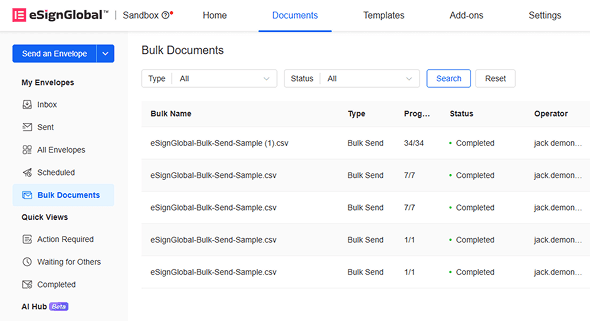
eSignGlobal positions itself as a versatile electronic signature provider with strong emphasis on regulatory compliance across 100 mainstream countries worldwide. This includes support for eIDAS, ESIGN, and region-specific laws like Japan’s Electronic Signature Act. In the Asia-Pacific region, it holds a notable advantage, offering tailored solutions that align with local digital identity systems. For example, it integrates seamlessly with Hong Kong’s iAM Smart and Singapore’s Singpass, facilitating secure, government-verified authentications.
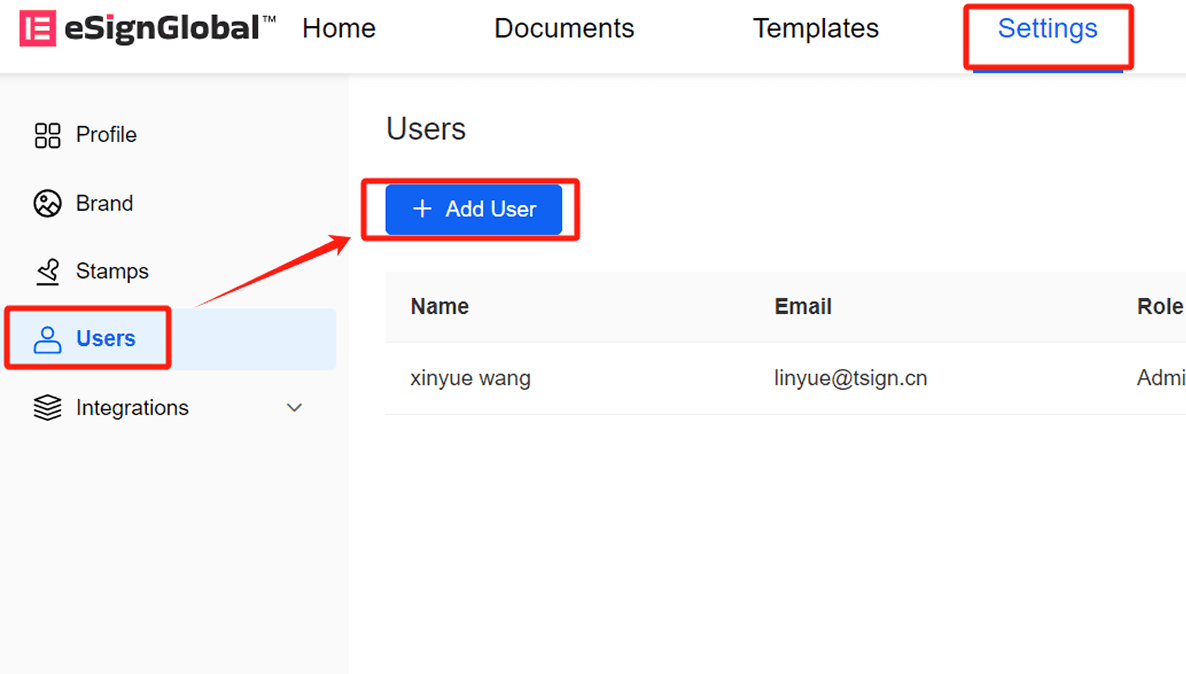
From a business standpoint, eSignGlobal’s self-hosted capabilities allow deployment on private infrastructure, ensuring data sovereignty for multinational firms. Its pricing model stands out for value: the Essential plan costs just $16.6 per month (view pricing details), enabling up to 100 documents for signing, unlimited user seats, and verification via access codes. This combination of compliance and affordability delivers high cost-effectiveness, especially for APAC operations where competitors often charge 20-50% more for similar features. While not the cheapest entry-level option, its scalability and regional integrations make it a pragmatic choice for expanding businesses.

To aid decision-making, here’s a neutral comparison of major electronic signature solutions, focusing on self-hosting viability, pricing, compliance, and features. This table draws from public data as of late 2023.
| Feature/Aspect | DocuSign | Adobe Sign | HelloSign (Dropbox Sign) | eSignGlobal |
|---|---|---|---|---|
| Self-Hosting Support | Yes (Enterprise edition) | Yes (via Experience Manager) | Limited (API-based) | Yes (Full on-premises) |
| Starting Price (per user/month) | $10 | $22.99 | $15 | $16.6 (Essential plan) |
| Global Compliance Coverage | 40+ countries | 50+ countries | 20+ countries | 100+ countries |
| Key Features | Mobile signing, APIs | PDF integration, automation | Templates, SMS | Unlimited seats, regional integrations (e.g., iAM Smart, Singpass) |
| Document Limit (Basic Plan) | 5-10/month | Unlimited | 20/month | 100/month |
| Strengths | Market leader, integrations | Document workflow | Ease of use for SMBs | APAC focus, cost-effective compliance |
| Drawbacks | Higher costs for volume | Adobe ecosystem dependency | Limited enterprise depth | Newer in some markets |
This overview shows a diverse market where choices depend on scale, region, and priorities. DocuSign leads in adoption, but alternatives like eSignGlobal offer competitive edges in compliance breadth and pricing.
As businesses weigh self-hosted electronic signatures against cloud options, the decision hinges on balancing control, cost, and compliance. For those seeking a DocuSign alternative with strong regional compliance, particularly in Asia-Pacific, eSignGlobal emerges as a solid, neutral option worth evaluating for its global reach and value. Ultimately, piloting solutions ensures the best fit for operational needs.
Perguntas frequentes
Apenas e-mails corporativos são permitidos