
'%3e%3cpath%20fill-rule='evenodd'%20clip-rule='evenodd'%20d='M6.99935%2012.8327C10.221%2012.8327%2012.8327%2010.221%2012.8327%206.99935C12.8327%203.77769%2010.221%201.16602%206.99935%201.16602C3.77769%201.16602%201.16602%203.77769%201.16602%206.99935C1.16602%2010.221%203.77769%2012.8327%206.99935%2012.8327Z'%20stroke='%23666666'%20stroke-linecap='round'%20stroke-linejoin='round'/%3e%3cpath%20d='M1.16602%207H12.8327'%20stroke='%23666666'%20stroke-linecap='round'%20stroke-linejoin='round'/%3e%3cpath%20fill-rule='evenodd'%20clip-rule='evenodd'%20d='M6.99935%2012.8327C8.28802%2012.8327%209.33268%2010.221%209.33268%206.99935C9.33268%203.77769%208.28802%201.16602%206.99935%201.16602C5.71068%201.16602%204.66602%203.77769%204.66602%206.99935C4.66602%2010.221%205.71068%2012.8327%206.99935%2012.8327Z'%20stroke='%23666666'%20stroke-linecap='round'%20stroke-linejoin='round'/%3e%3cpath%20d='M2.875%202.95898C3.93063%204.01461%205.38896%204.66754%206.99978%204.66754C8.61062%204.66754%2010.069%204.01461%2011.1246%202.95898'%20stroke='%23666666'%20stroke-linecap='round'%20stroke-linejoin='round'/%3e%3cpath%20d='M11.1246%2011.0425C10.069%209.98691%208.61062%209.33398%206.99978%209.33398C5.38896%209.33398%203.93063%209.98691%202.875%2011.0425'%20stroke='%23666666'%20stroke-linecap='round'%20stroke-linejoin='round'/%3e%3c/g%3e%3cdefs%3e%3cclipPath%20id='clip0_1267_9109'%3e%3crect%20width='14'%20height='14'%20fill='white'/%3e%3c/clipPath%3e%3c/defs%3e%3c/svg%3e)


Como Usar Assinaturas Eletrônicas em Contratos de Venda de Antiguidades no Reino Unido?


Introdução às Assinaturas Eletrónicas em Vendas de Antiguidades no Reino Unido
No nicho de mercado das vendas de antiguidades, onde a autenticidade e a prova de proveniência são fundamentais, as assinaturas eletrónicas oferecem uma solução moderna para agilizar as transações, mantendo a integridade legal. Os revendedores e colecionadores do Reino Unido estão a recorrer cada vez mais às assinaturas eletrónicas para contratos de itens de alto valor, como móveis antigos, moedas raras ou artefactos históricos, reduzindo o trabalho burocrático e permitindo transações transfronteiriças mais rápidas. Esta abordagem não só aumenta a eficiência, como também se alinha com o impulso do Reino Unido para uma economia digital, desde que em conformidade com os regulamentos locais.
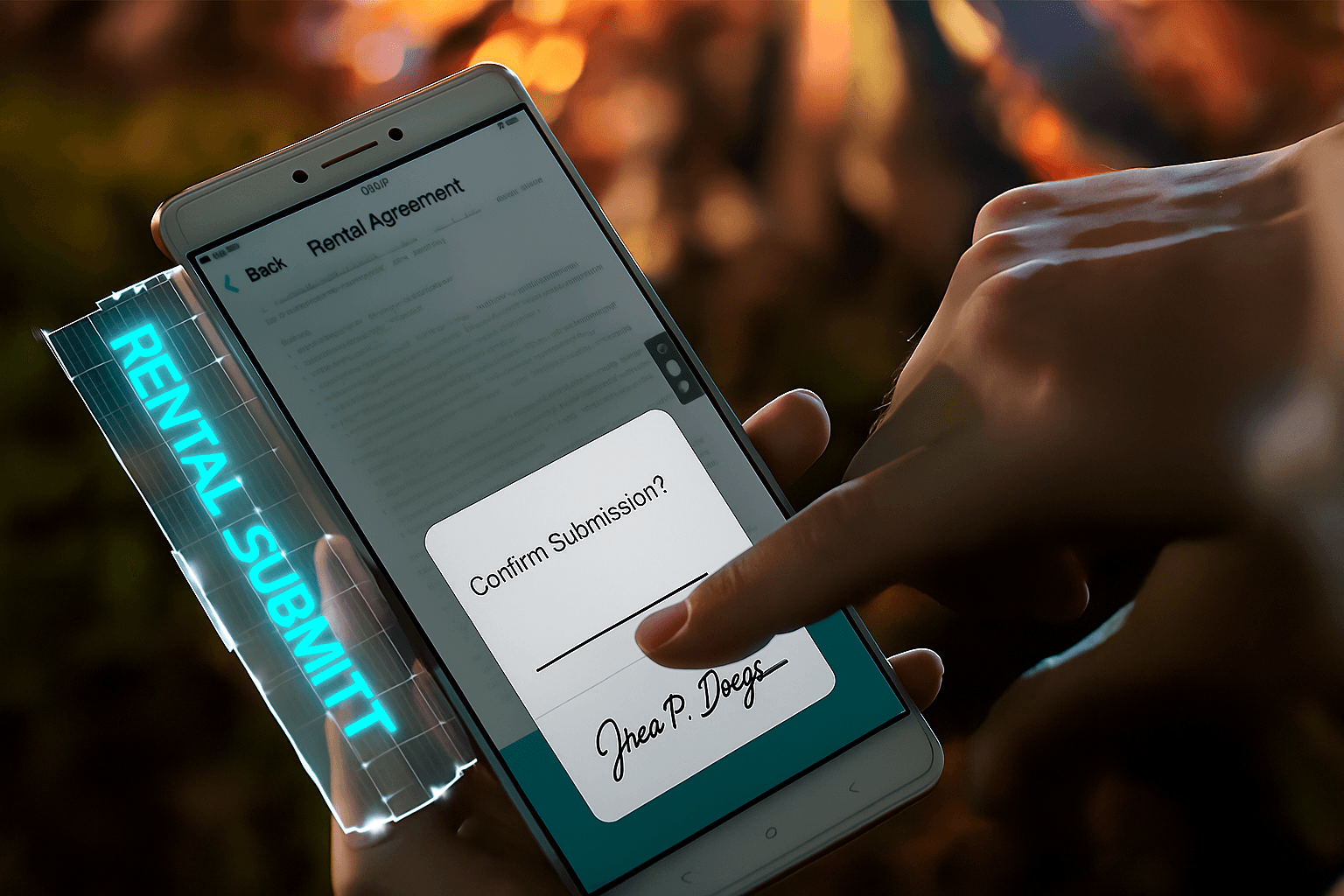
A comparar plataformas de assinatura eletrónica como DocuSign ou Adobe Sign?
A eSignGlobal oferece uma solução de assinatura eletrónica mais flexível e económica, com conformidade global, preços transparentes e uma experiência de integração mais rápida.
Leis e Regulamentos de Assinatura Eletrónica no Reino Unido
O Reino Unido reconhece as assinaturas eletrónicas como legalmente vinculativas ao abrigo da Lei de Comunicações Eletrónicas de 2000 e do regulamento eIDAS da UE (mantido após o Brexit através dos Regulamentos de Identificação Eletrónica). Para contratos de venda de antiguidades, que muitas vezes envolvem riscos financeiros significativos, as assinaturas eletrónicas devem atingir um nível "simples" ou "avançado", dependendo do risco da transação. Para a maioria das vendas padrão, uma assinatura eletrónica simples é suficiente, semelhante a uma assinatura manuscrita, desde que a intenção e a autenticidade possam ser demonstradas.
No entanto, para antiguidades de alto valor com valor superior a £10.000 ou itens com prova de proveniência contestada, recomenda-se uma Assinatura Eletrónica Avançada (AES) ou uma Assinatura Eletrónica Qualificada (QES). A AES inclui elementos como carimbos de data/hora e trilhos de auditoria, enquanto a QES requer certificação por um Fornecedor de Serviços de Confiança Qualificado (QTSP), garantindo a não repudiação. O governo do Reino Unido enfatiza que as assinaturas eletrónicas não podem ser usadas para testamentos, escrituras que exigem testemunhas ou certos documentos de registo de terras, mas os contratos de venda de antiguidades - normalmente acordos bilaterais - são totalmente elegíveis.
Outra camada de requisitos é adicionada pelas disposições de proteção de dados do GDPR do Reino Unido: os dados pessoais nos contratos (como detalhes do comprador ou histórico do item) devem ser tratados com segurança, com as plataformas a encriptar documentos e a fornecer registos de acesso. A não conformidade pode levar à invalidação do contrato ou multas de até 4% do volume de negócios global. Na prática, os revendedores de antiguidades do Reino Unido relatam que o uso de assinaturas eletrónicas facilita o comércio internacional, pois se alinha com padrões globais como a Lei ESIGN nos EUA, facilitando as vendas transfronteiriças para compradores da UE ou dos EUA.
Um Guia Passo a Passo para Lidar com Contratos de Venda de Antiguidades no Reino Unido com Assinaturas Eletrónicas
A implementação de assinaturas eletrónicas em vendas de antiguidades requer uma preparação cuidadosa para garantir a aplicabilidade e evitar disputas sobre a autenticidade dos itens. Aqui está um guia prático adaptado para empresas do Reino Unido.
Passo 1: Selecione uma Plataforma de Assinatura Eletrónica em Conformidade
Escolha um fornecedor certificado eIDAS no Reino Unido, como uma plataforma que ofereça opções AES ou QES. Verifique a sua integração com ferramentas específicas do Reino Unido, como o HMRC para IVA em antiguidades (taxa padrão de 20%, alívio do esquema de margem). A plataforma deve suportar o controlo de versões de documentos para rastrear certificados de proveniência, cruciais para itens com mais de 100 anos (isentos de IVA ao abrigo do esquema de antiguidades devolvidas).
Passo 2: Prepare a Documentação do Contrato
Elabore contratos usando modelos que incluam cláusulas-chave: descrição do item (por exemplo, época, condição, valor estimado), termos de pagamento (transferência bancária ou custódia), logística de entrega e garantias contra falsificações. Incorpore campos para assinaturas eletrónicas, datas e anexos (como fotos ou avaliações de especialistas). Para vendas no Reino Unido, cite a Lei de Venda de Mercadorias de 1979, garantindo que o contrato especifique que a antiguidade é "como está" para limitar as garantias implícitas de qualidade. Use o formato PDF para garantir a imutabilidade e inclua uma cláusula que reconheça que as assinaturas eletrónicas são vinculativas ao abrigo da lei do Reino Unido.
Passo 3: Carregue e Configure o Fluxo de Assinatura
Carregue documentos na sua plataforma. Atribua funções: o vendedor assina primeiro para confirmar a propriedade, seguido pela aceitação dos termos pelo comprador. Adicione verificação por e-mail para itens de baixo valor e autenticação por SMS/biométrica para itens de alto valor. Defina lembretes e prazos, cruciais para leilões sensíveis ao tempo. Para antiguidades, ative solicitações de anexos, como identificação do comprador ou prova de fundos, para cumprir as regras de combate ao branqueamento de capitais (AML) ao abrigo dos Regulamentos de Lavagem de Dinheiro de 2017.
Passo 4: Envie e Recolha Assinaturas
Distribua através de links seguros. Use notificações em tempo real para rastrear o progresso. Uma vez assinada, a plataforma gera um certificado inviolável, incluindo carimbos de data/hora e registos de IP, como prova admissível em tribunal. Para compradores internacionais, certifique-se de que a plataforma lida com fusos horários e moedas (por exemplo, conversões de GBP para EUR).
Passo 5: Armazene e Audite Contratos Assinados
Arquive em armazenamento em nuvem compatível com opções de residência de dados do Reino Unido para atender aos requisitos de localização do GDPR. Mantenha por pelo menos seis anos para disputas contratuais, de acordo com a Lei de Limitação de 1980. Use trilhos de auditoria para resolver reclamações, como desafios de autenticidade - comuns no mercado de antiguidades, com relatórios da indústria a indicar que 10-15% das disputas de mercado envolvem falsificações.
Melhores Práticas e Potenciais Armadilhas
Integre com ferramentas de CRM para gerir o inventário e treine a equipa para identificar sinais de alerta, como apêndices não assinados. As armadilhas incluem depender excessivamente de assinaturas eletrónicas básicas para lidar com itens contestados, levando à invalidade, ou ignorar licenças de exportação para bens culturais ao abrigo da Lei de Controlo de Exportações de 2002. As empresas relatam velocidades de fecho de negócios 30-50% mais rápidas com assinaturas eletrónicas, mas consulte sempre um advogado para obter aconselhamento personalizado.
Este processo não só reduz os custos - a autenticação tradicional pode adicionar mais de £100 por contrato - como também aumenta a confiança no opaco mercado de antiguidades, com o rastreamento digital a aumentar a transparência.
Plataformas de Assinatura Eletrónica Populares para Empresas de Antiguidades do Reino Unido
Várias plataformas visam utilizadores do Reino Unido, oferecendo recursos como bibliotecas de modelos de acordos de venda e integração com sites de leilões.
DocuSign
O DocuSign, líder de mercado, possui uma forte conformidade eIDAS, ideal para revendedores de antiguidades do Reino Unido que precisam de soluções escaláveis. Os seus planos de assinatura eletrónica começam em £10/mês para uso pessoal, expandindo-se para £40/utilizador/mês para o Business Pro, suportando envio em massa e pagamentos. Os recursos incluem campos condicionais para termos de antiguidades personalizados e acesso API para sistemas de inventário. No entanto, recursos adicionais como a autenticação incorrem em taxas de uso adicionais, e os limites de envelopes (por exemplo, 100 por ano) podem restringir negociadores de alto volume.

Adobe Sign
O Adobe Sign, parte do Adobe Document Cloud, oferece integração perfeita com PDFs, comuns na certificação de antiguidades. Os preços começam em £10/utilizador/mês, suportando QES eIDAS através de parceiros e oferecendo assinaturas móveis para avaliações no local. As vantagens incluem análises avançadas para rastreamento de contratos e armazenamento compatível com GDPR. As desvantagens envolvem altos custos para recursos empresariais e menor flexibilidade no fluxo de trabalho personalizado em comparação com ferramentas dedicadas.

eSignGlobal
A eSignGlobal destaca-se pela conformidade global que abrange mais de 100 países importantes, particularmente forte na região da APAC. O cenário de assinatura eletrónica da APAC é fragmentado, com padrões elevados e regulamentos rigorosos que exigem uma abordagem de integração do ecossistema - diferente das estruturas ESIGN/eIDAS baseadas em quadros no Ocidente. Na APAC, as soluções devem integrar-se profundamente através de hardware/API com IDs digitais governamentais (G2B), uma barreira técnica que vai além dos métodos de e-mail ou autodeclaração. O plano Essential da eSignGlobal, a US$ 16,6 por mês, suporta até 100 documentos, utilizadores ilimitados e verificação de código de acesso, oferecendo um forte valor na conformidade. Integra-se perfeitamente com o iAM Smart de Hong Kong e o Singpass de Singapura, tornando-o uma alternativa económica para empresas do Reino Unido com ligações na APAC, 20-30% mais barato do que os concorrentes, mantendo os recursos de auditoria.

HelloSign (agora Dropbox Sign)
O HelloSign, com rebranding sob o Dropbox, concentra-se na simplicidade, com planos que variam de gratuito (limitado) a £15/utilizador/mês. Destaca-se no compartilhamento fácil de modelos e suporte eIDAS básico para contratos de antiguidades repetitivos. Adequado para pequenos revendedores, mas carece de recursos avançados de envio em massa e os limites de envelopes podem não ser adequados para grandes operações.
À procura de uma alternativa mais inteligente ao DocuSign?
A eSignGlobal oferece uma solução de assinatura eletrónica mais flexível e económica, com conformidade global, preços transparentes e uma experiência de integração mais rápida.
Comparação de Fornecedores de Assinatura Eletrónica
| Recurso/Fornecedor | DocuSign | Adobe Sign | eSignGlobal | HelloSign (Dropbox Sign) |
|---|---|---|---|---|
| Preço Inicial (por utilizador/mês, faturado anualmente) | £10 (Pessoal) | £10 | $16,6 (Essencial) | Gratuito (limitado); £15 |
| Conformidade eIDAS/QES | Sim (Avançado) | Sim (Através de parceiros) | Sim (Global, incluindo APAC) | eIDAS Básico |
| Limites de Envelopes | 5-100/mês | Ilimitado (Pago) | 100/mês (Essencial) | 3- Ilimitado (Pago) |
| Principais Vantagens | Envio em massa, Integração API | Ferramentas PDF, Análises | Integração APAC, Custo-benefício | Simplicidade, Sincronização Dropbox |
| Desvantagens | Taxas de uso adicionais, Custos empresariais mais altos | Configuração complexa | Alguns recursos da UE emergentes | Lógica avançada limitada |
| Melhor para | Equipas do Reino Unido escaláveis | Fluxos de trabalho intensivos em documentos | Negociadores globais/APAC | Pequenos revendedores do Reino Unido |
Esta tabela destaca compensações neutras; a escolha depende do volume de transações e das necessidades regionais.
Conclusão
As assinaturas eletrónicas transformam as vendas de antiguidades no Reino Unido, combinando tradição com eficiência, apoiadas por uma estrutura legal sólida. Para utilizadores que procuram alternativas ao DocuSign, a eSignGlobal destaca-se como uma opção regionalmente compatível, especialmente para operações transfronteiriças. Avalie com base nos seus requisitos específicos de conformidade e orçamento.
