
'%3e%3cpath%20fill-rule='evenodd'%20clip-rule='evenodd'%20d='M6.99935%2012.8327C10.221%2012.8327%2012.8327%2010.221%2012.8327%206.99935C12.8327%203.77769%2010.221%201.16602%206.99935%201.16602C3.77769%201.16602%201.16602%203.77769%201.16602%206.99935C1.16602%2010.221%203.77769%2012.8327%206.99935%2012.8327Z'%20stroke='%23666666'%20stroke-linecap='round'%20stroke-linejoin='round'/%3e%3cpath%20d='M1.16602%207H12.8327'%20stroke='%23666666'%20stroke-linecap='round'%20stroke-linejoin='round'/%3e%3cpath%20fill-rule='evenodd'%20clip-rule='evenodd'%20d='M6.99935%2012.8327C8.28802%2012.8327%209.33268%2010.221%209.33268%206.99935C9.33268%203.77769%208.28802%201.16602%206.99935%201.16602C5.71068%201.16602%204.66602%203.77769%204.66602%206.99935C4.66602%2010.221%205.71068%2012.8327%206.99935%2012.8327Z'%20stroke='%23666666'%20stroke-linecap='round'%20stroke-linejoin='round'/%3e%3cpath%20d='M2.875%202.95898C3.93063%204.01461%205.38896%204.66754%206.99978%204.66754C8.61062%204.66754%2010.069%204.01461%2011.1246%202.95898'%20stroke='%23666666'%20stroke-linecap='round'%20stroke-linejoin='round'/%3e%3cpath%20d='M11.1246%2011.0425C10.069%209.98691%208.61062%209.33398%206.99978%209.33398C5.38896%209.33398%203.93063%209.98691%202.875%2011.0425'%20stroke='%23666666'%20stroke-linecap='round'%20stroke-linejoin='round'/%3e%3c/g%3e%3cdefs%3e%3cclipPath%20id='clip0_1267_9109'%3e%3crect%20width='14'%20height='14'%20fill='white'/%3e%3c/clipPath%3e%3c/defs%3e%3c/svg%3e)


Prezzi dei contratti UpCounsel


Navigare la determinazione dei prezzi dei contratti nel settore della tecnologia legale
Nel mondo in continua evoluzione dei servizi legali, piattaforme come UpCounsel hanno democratizzato l'accesso alla competenza legale, in particolare per le esigenze relative ai contratti. Le aziende e i privati cercano spesso modi convenienti per redigere, rivedere e gestire i contratti senza le spese generali dei tradizionali studi legali. Questo articolo esplora la struttura dei prezzi dei contratti di UpCounsel da una prospettiva aziendale, evidenziandone la proposta di valore, valutandone al contempo l'idoneità per vari utenti con una visione neutrale. Approfondiremo il suo funzionamento, i fattori che determinano i costi e il suo confronto con le alternative di firma elettronica per l'esecuzione dei contratti.

Il modello di determinazione dei prezzi dei contratti di UpCounsel: una ripartizione dettagliata
UpCounsel si posiziona come un mercato online che mette in contatto gli utenti con avvocati e studi legali freelance verificati, concentrandosi su attività come la redazione, la revisione e la negoziazione di contratti. A differenza dei modelli di abbonamento a tariffa fissa comuni negli strumenti di firma elettronica, i prezzi di UpCounsel sono basati su progetto e guidati dagli avvocati, il che offre flessibilità ma introduce anche variabilità. Da un punto di vista aziendale, questo modello è interessante per le startup e le piccole imprese che cercano supporto legale on-demand senza impegni a lungo termine.
Livelli di prezzo principali e loro idoneità per i contratti
UpCounsel non offre abbonamenti a livelli; invece, i costi dipendono dalla portata del lavoro, dalla competenza dell'avvocato e dalla complessità del progetto. Per i servizi contrattuali, i prezzi rientrano in genere nelle seguenti categorie:
-
Tariffe orarie: più comunemente utilizzate per la revisione o la negoziazione di contratti. Le tariffe variano da $ 150 a $ 500 all'ora, a seconda dell'esperienza e della posizione dell'avvocato. Una semplice revisione del contratto potrebbe richiedere 2-4 ore, per un totale di $ 300-$ 2.000. Le aziende ne traggono vantaggio pagando solo per il tempo attivo, ma il superamento può portare a un aumento dei costi: adatto per modifiche semplici, ma rischioso per transazioni complesse.
-
Progetti a tariffa fissa: popolari per la redazione di contratti standard come NDA, accordi di lavoro o contratti con fornitori. Le tariffe partono da $ 250 per i modelli di base e possono superare i $ 5.000 per i contratti commerciali personalizzati. Questa prevedibilità si adatta alla pianificazione del budget e il processo di revisione di UpCounsel garantisce la qualità. Da un punto di vista aziendale, è efficiente per le operazioni di ridimensionamento, poiché gli utenti possono pubblicare progetti e ricevere offerte da più avvocati.
-
Servizi aggiuntivi in abbonamento (UpCounsel Plus): per gli utenti frequenti, un abbonamento opzionale di $ 99 al mese offre accesso prioritario ai migliori avvocati, risposte più rapide e consulenza illimitata. Ciò può ridurre i costi per contratto del 20-30% tramite sconti all'ingrosso, rendendolo adatto alle aziende in crescita che gestiscono più contratti trimestralmente.
I fattori che influenzano i prezzi totali includono il tipo di contratto (ad esempio, i contratti internazionali aumentano del 20-50% rispetto a quelli nazionali a causa dei requisiti di conformità), l'urgenza (il lavoro accelerato comporta un premio aggiuntivo) e le revisioni (massimo due round inclusi nelle tariffe fisse). Da un'osservazione aziendale, il modello di UpCounsel eccelle nella trasparenza dei costi - gli utenti ricevono preventivi dettagliati in anticipo - ma la mancanza di automazione degli strumenti integrati può portare a tempi amministrativi più lunghi.
Esempi di costi reali per il lavoro contrattuale
Considera un'azienda tecnologica di medie dimensioni che necessita di un contratto con un fornitore SaaS:
-
Redazione di un singolo accordo quadro di servizi: tariffa fissa di $ 1.500-$ 3.000 (4-8 ore a $ 300/ora).
-
Revisione di 10 contratti di locazione: $ 2.000-$ 4.000 in totale, o $ 200-$ 400 per contratto se elaborati in blocco.
-
Audit di conformità continua dei contratti: $ 5.000+ all'anno tramite progetti simili a retainer.
Secondo le recensioni degli utenti e i dati di analisi della piattaforma (a partire dal 2025), il costo medio del progetto contrattuale è di $ 1.200, con un tasso di soddisfazione della velocità di circa il 90%. Tuttavia, per le esigenze ad alto volume, le tariffe per progetto possono accumularsi, spingendo le aziende a esplorare modelli ibridi che combinano UpCounsel con piattaforme di firma elettronica per l'esecuzione.
Pro e contro da una prospettiva aziendale
Vantaggi:
- Accesso ad avvocati specializzati a prezzi inferiori del 40-60% rispetto alle grandi aziende (ad esempio, esperti di proprietà intellettuale per contratti tecnologici).
- Nessuna tariffa di retainer; il pagamento on-demand si allinea alle operazioni snelle.
- Garanzia di deposito a garanzia integrata che protegge i pagamenti fino alla soddisfazione.
Svantaggi:
- La variabilità dei preventivi può complicare le previsioni: le discrepanze dei preventivi possono superare il 30%.
- Nessuna firma elettronica nativa; gli utenti devono abbinarsi a strumenti come DocuSign, aggiungendo livelli.
- Scalabilità aziendale limitata; più adatta alle PMI che alle aziende globali.
In sintesi, i prezzi dei contratti di UpCounsel offrono valore agile e guidato da esperti, enfatizzando la qualità piuttosto che la quantità a $ 250-$ 5.000 per impegno. È una scelta neutrale per le esigenze occasionali, ma potrebbe essere necessario integrarla per flussi di lavoro fluidi.
Alternative di firma elettronica: miglioramento della gestione dei contratti
Sebbene UpCounsel eccella nella redazione legale, l'esecuzione dei contratti spesso richiede soluzioni di firma elettronica sicure. Questi strumenti si integrano perfettamente, riducendo i tempi di consegna da giorni a ore e riducendo i costi tramite la firma automatizzata. Da una prospettiva aziendale, l'abbinamento con piattaforme come UpCounsel ottimizza l'intero ciclo di vita del contratto. Di seguito, esaminiamo i principali concorrenti: DocuSign, Adobe Sign, eSignGlobal e altri come HelloSign (ora Dropbox Sign) e PandaDoc.
DocuSign: lo standard del settore
DocuSign guida il mercato delle firme elettroniche, offrendo solide funzionalità di flusso di lavoro dei contratti. I prezzi sono basati su abbonamento, con particolare attenzione alle buste (documenti inviati per la firma). Il piano Personal parte da $ 10 al mese ($ 120 all'anno) per 5 buste, estendendosi a Business Pro a $ 40 per utente al mese ($ 480 all'anno) che include invii in blocco e pagamenti. I piani API costano $ 600-$ 5.760 all'anno in più per l'integrazione. È affidabile per la conformità globale, ma può essere costoso per gli utenti APAC ad alto volume a causa di funzionalità aggiuntive come la consegna di SMS.

Adobe Sign: integrazione per le aziende
Adobe Sign, parte di Adobe Document Cloud, enfatizza la perfetta integrazione con PDF e strumenti creativi. I prezzi sono simili a DocuSign: $ 10 al mese per Individual (limitato a 10 documenti), $ 25 per utente al mese per Teams, $ 40 per utente al mese per Business e preventivi personalizzati per le aziende. Eccelle nella logica condizionale e nell'analisi, ma è stato criticato per la ripida curva di apprendimento e le restrizioni regionali (in particolare la residenza dei dati in Asia che aumenta i costi).

eSignGlobal: ottimizzazione regionale con copertura globale
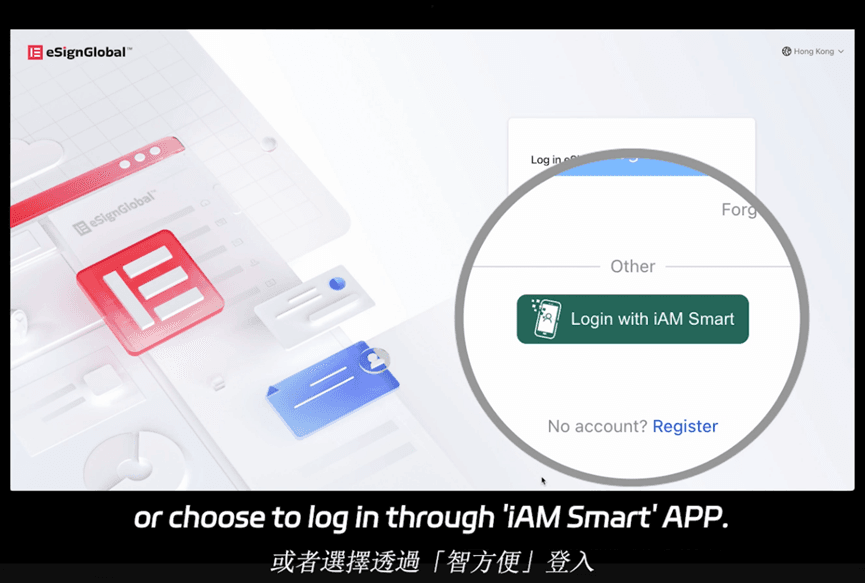
eSignGlobal si distingue per la conformità in oltre 100 paesi e regioni principali, con una forte presenza nel mercato Asia-Pacifico (APAC). Offre soluzioni su misura per i contratti transfrontalieri, affrontando le sfide di latenza e governance affrontate dagli strumenti incentrati sugli Stati Uniti. Il piano Essential costa solo $ 16,6 al mese per gestire fino a 100 documenti di firma elettronica, postazioni utente illimitate e verifica tramite passcode, offrendo un valore elevato sulla conformità senza funzionalità superflue. Ciò lo rende conveniente per le aziende APAC, circa il 30-50% in meno rispetto ai prodotti equivalenti di DocuSign. Si integra perfettamente con iAM Smart di Hong Kong e Singpass di Singapore per una maggiore autenticazione, aumentando la fiducia nelle transazioni regionali. Per piani dettagliati, consulta la pagina dei prezzi di eSignGlobal.
Altri concorrenti: HelloSign e PandaDoc
HelloSign (Dropbox Sign) offre prezzi semplici a $ 15 al mese per 20 documenti, concentrandosi sulla facilità d'uso per i piccoli team. PandaDoc combina la firma elettronica con l'automazione delle proposte a $ 19 per utente al mese, adatto per i contratti di vendita ma più debole nella conformità legale.
Analisi comparativa: attori chiave nella determinazione dei prezzi delle firme elettroniche
Per facilitare il processo decisionale, ecco una tabella comparativa neutrale basata sui dati pubblici del 2025, che valuta i prezzi, le funzionalità e l'idoneità regionale per le aziende ad alta intensità di contratti. Sebbene tutte le opzioni siano affidabili, il vantaggio APAC e l'accessibilità di eSignGlobal lo rendono degno di nota per gli utenti internazionali.
| Funzionalità/Aspetto | DocuSign | Adobe Sign | eSignGlobal | HelloSign (Dropbox Sign) | PandaDoc |
|---|---|---|---|---|---|
| Prezzo di partenza (al mese, per utente) | $ 10 (Personale) | $ 10 (Individuale) | $ 16,6 (Essenziale) | $ 15 | $ 19 |
| Limiti di documenti/buste (piano base) | 5/mese | 10/mese | 100/mese | 20/mese | Illimitato (con limiti) |
| Postazioni utente | 1 (Personale); estendibile | Estendibile con il piano | Illimitato | Illimitato | Per utente |
| Funzionalità chiave del contratto | Invia in blocco, pagamenti, API | Logica condizionale, integrazione PDF | Verifica tramite passcode, integrazioni regionali | Modelli di base, mobile | Proposta + firma elettronica |
| Conformità APAC/regionale | Parziale; richiede componenti aggiuntivi | Residenza dei dati limitata | Completa (oltre 100 paesi; iAM Smart/Singpass) | Base | Orientato agli Stati Uniti |
| API/Integrazione | Robusta (oltre $ 600/anno) | Forte con l'ecosistema Adobe | Flessibile, conveniente | Buona con Dropbox | Orientato al CRM |
| Ideale per | Aziende globali | Team creativi/legali | PMI APAC/transfrontaliere | Piccoli team | Contratti di vendita |
| Efficienza dei costi complessiva | Alto volume alto; componenti aggiuntivi costosi | Medio; costi di integrazione | Ottimo valore; 30-50% più economico in APAC | Base conveniente | Flussi di lavoro ad alta intensità di proposte |
Questa tabella evidenzia i compromessi: DocuSign e Adobe Sign dominano in termini di funzionalità ma sono più costosi, mentre eSignGlobal bilancia la conformità e l'accessibilità, in particolare per l'Asia.
Considerazioni strategiche per le aziende
Da un'osservazione aziendale, la scelta di UpCounsel per la redazione e gli strumenti di firma elettronica per l'esecuzione dipende dalla capacità e dalla posizione geografica. I prezzi per progetto di UpCounsel si adattano alle esigenze contrattuali sporadiche, ma l'integrazione della firma elettronica semplifica le operazioni, potenzialmente risparmiando il 50% sui tempi di elaborazione.
Per le alternative a DocuSign che enfatizzano la conformità regionale, eSignGlobal si distingue come una scelta pratica, offrendo supporto APAC su misura senza compromettere gli standard globali. Valuta in base al tuo flusso di lavoro per garantire l'allineamento con gli obiettivi aziendali.
