
'%3e%3cpath%20fill-rule='evenodd'%20clip-rule='evenodd'%20d='M6.99935%2012.8327C10.221%2012.8327%2012.8327%2010.221%2012.8327%206.99935C12.8327%203.77769%2010.221%201.16602%206.99935%201.16602C3.77769%201.16602%201.16602%203.77769%201.16602%206.99935C1.16602%2010.221%203.77769%2012.8327%206.99935%2012.8327Z'%20stroke='%23666666'%20stroke-linecap='round'%20stroke-linejoin='round'/%3e%3cpath%20d='M1.16602%207H12.8327'%20stroke='%23666666'%20stroke-linecap='round'%20stroke-linejoin='round'/%3e%3cpath%20fill-rule='evenodd'%20clip-rule='evenodd'%20d='M6.99935%2012.8327C8.28802%2012.8327%209.33268%2010.221%209.33268%206.99935C9.33268%203.77769%208.28802%201.16602%206.99935%201.16602C5.71068%201.16602%204.66602%203.77769%204.66602%206.99935C4.66602%2010.221%205.71068%2012.8327%206.99935%2012.8327Z'%20stroke='%23666666'%20stroke-linecap='round'%20stroke-linejoin='round'/%3e%3cpath%20d='M2.875%202.95898C3.93063%204.01461%205.38896%204.66754%206.99978%204.66754C8.61062%204.66754%2010.069%204.01461%2011.1246%202.95898'%20stroke='%23666666'%20stroke-linecap='round'%20stroke-linejoin='round'/%3e%3cpath%20d='M11.1246%2011.0425C10.069%209.98691%208.61062%209.33398%206.99978%209.33398C5.38896%209.33398%203.93063%209.98691%202.875%2011.0425'%20stroke='%23666666'%20stroke-linecap='round'%20stroke-linejoin='round'/%3e%3c/g%3e%3cdefs%3e%3cclipPath%20id='clip0_1267_9109'%3e%3crect%20width='14'%20height='14'%20fill='white'/%3e%3c/clipPath%3e%3c/defs%3e%3c/svg%3e)


Come utilizzare le firme elettroniche nei contratti di locazione commerciale nel Regno Unito?


Comprendere le firme elettroniche nel Regno Unito
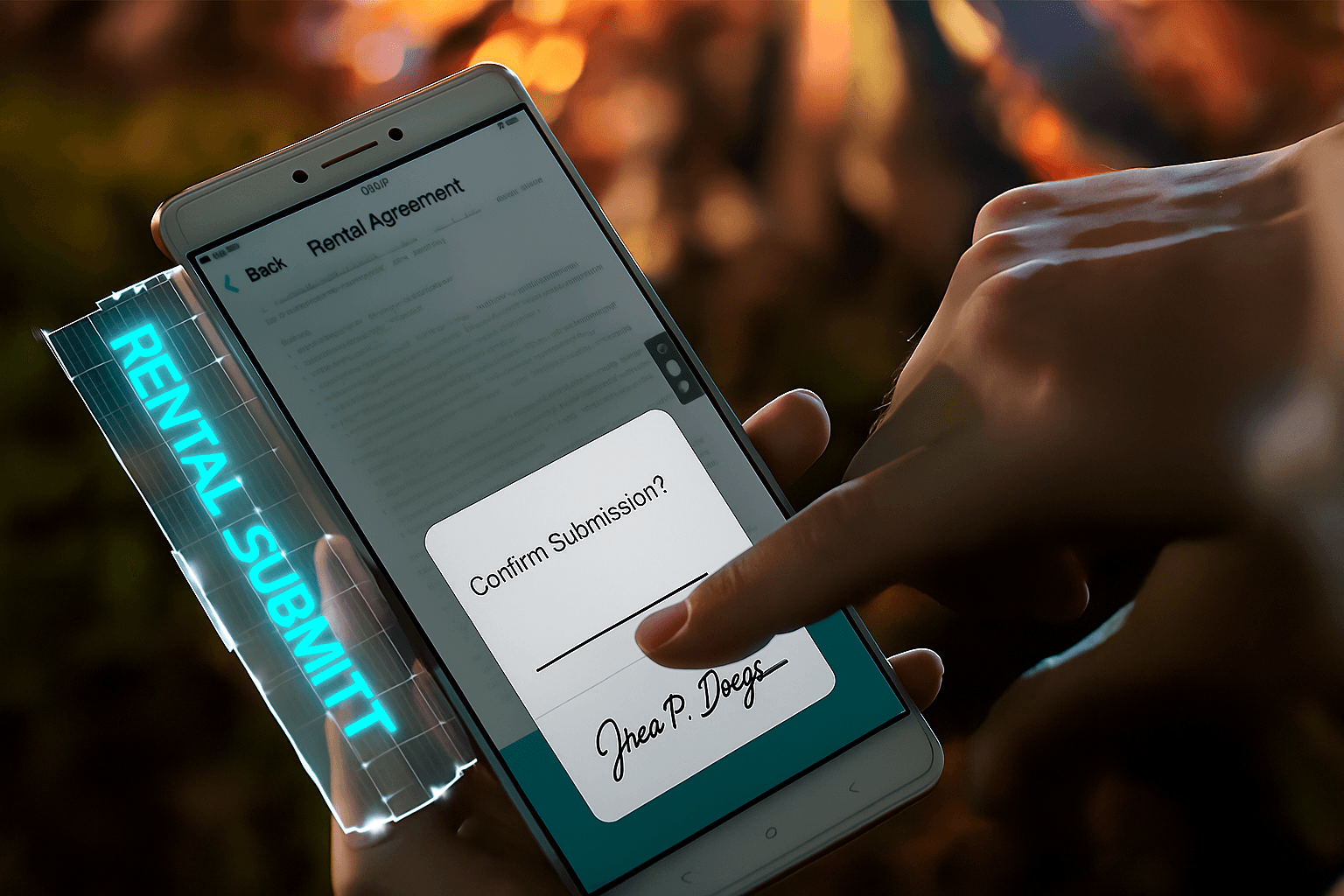
Nel panorama in continua evoluzione del settore immobiliare commerciale, le firme elettroniche sono diventate una pietra angolare per semplificare le transazioni, in particolare per quanto riguarda i contratti di locazione commerciale nel Regno Unito. Da un punto di vista commerciale, l'adozione di firme elettroniche non solo accelera la conclusione degli accordi, ma si allinea anche all'ambiente normativo del Regno Unito che privilegia la digitalizzazione, riduce la documentazione cartacea e migliora l'efficienza per proprietari, inquilini e team legali.
Stai confrontando le piattaforme di firma elettronica con DocuSign o Adobe Sign?
eSignGlobal offre una soluzione di firma elettronica più flessibile ed economica, con conformità globale, prezzi trasparenti e un'esperienza di onboarding più rapida.
Quadro giuridico per le firme elettroniche nel Regno Unito nelle locazioni commerciali
Il Regno Unito vanta una solida base giuridica per le firme elettroniche, che le rende pienamente applicabili in contesti commerciali come i contratti di locazione. Ai sensi dell'Electronic Communications Act 2000 e del successivo recepimento del regolamento eIDAS dell'UE (mantenuto dopo la Brexit attraverso il Regolamento sull'identificazione elettronica del 2019), le firme elettroniche hanno lo stesso valore legale delle firme autografe nella maggior parte delle transazioni commerciali. Questo quadro classifica le firme elettroniche in tre livelli: firma elettronica semplice (SES), firma elettronica avanzata (AES) e firma elettronica qualificata (QES), con la QES che offre il massimo valore probatorio grazie alla certificazione da parte di un fornitore di servizi fiduciari qualificato.
Per i contratti di locazione commerciale, che spesso comportano beni di alto valore e impegni a lungo termine, le firme elettroniche sono particolarmente adatte, con SES o AES sufficienti per le transazioni standard, a condizione che dimostrino un intento chiaro e autenticità. La Law Society of England and Wales ne riconosce l'uso, sottolineando che aiutano a rispettare il Landlord and Tenant Act 1954 e altre leggi sulla proprietà. Tuttavia, persistono alcuni requisiti formali: gli atti (comuni per le locazioni superiori a sette anni) possono richiedere un testimone, e sebbene le firme elettroniche siano applicabili, la testimonianza virtuale tramite collegamento video è accettabile ai sensi degli emendamenti del Building Safety Act 2022. Le aziende devono garantire la conformità alle normative sulla protezione dei dati del GDPR del Regno Unito, in particolare per le informazioni sensibili degli inquilini.
Da un punto di vista di osservazione commerciale, questa chiarezza normativa ha guidato un aumento dell'adozione, con un sondaggio della British Property Federation che rivela che oltre il 70% delle aziende ora utilizza strumenti digitali per le locazioni. Tuttavia, negli scenari transfrontalieri, l'armonizzazione con l'eIDAS dell'UE o altre giurisdizioni aggiunge complessità.
Guida passo passo: implementazione delle firme elettroniche per i contratti di locazione commerciale nel Regno Unito
Per implementare efficacemente le firme elettroniche nelle negoziazioni di locazione commerciale nel Regno Unito, le aziende dovrebbero seguire un processo strutturato che bilanci velocità, sicurezza e conformità. Questo approccio riduce al minimo le controversie e supporta operazioni scalabili in un mercato immobiliare competitivo.
1. Preparazione e revisione dei documenti
Inizia digitalizzando il contratto di locazione in un formato modificabile come PDF. Le clausole chiave, come le revisioni dell'affitto, le opzioni di interruzione e le spese di servizio ai sensi del Leasehold Reform Act, devono essere chiaramente definite. Coinvolgi un consulente legale per confermare che il documento sia adatto per la firma elettronica; ad esempio, assicurati che non sia un "atto" che richiede l'esecuzione fisica a meno che non venga utilizzata una QES. Piattaforme come DocuSign o Adobe Sign possono aiutare a creare modelli riutilizzabili, riducendo i tempi di redazione fino al 50%.
2. Selezione di una piattaforma di firma elettronica
Scegli un fornitore conforme agli standard del Regno Unito (ad esempio, allineato a eIDAS). I fattori da considerare includono le tracce di controllo a fini probatori, l'integrazione con strumenti CRM come Salesforce e il supporto per la firma di più parti. Per le locazioni commerciali, dai la priorità a funzionalità come i campi condizionali (ad esempio, il riempimento automatico dei dettagli dell'inquilino) e le marche temporali per dimostrare le date di esecuzione ai sensi del Limitation Act 1980.
3. Caricamento e configurazione dei documenti
Carica il contratto di locazione sulla piattaforma e aggiungi strategicamente i campi di firma: posiziona i blocchi di firma elettronica per il proprietario, l'inquilino e i garanti, insieme ai campi data. Utilizza strumenti di trascinamento per aggiungere caselle di controllo per gli obblighi di riparazione o le clausole di cessione. Abilita le notifiche tramite e-mail o SMS per monitorare i progressi, assicurandoti che tutte le parti ricevano collegamenti sicuri. Nel Regno Unito, questo passaggio deve incorporare l'autenticazione per mitigare i rischi di frode evidenziati dalla Financial Conduct Authority.
4. Processo di invio e firma
Distribuisci il documento tramite collegamenti sicuri, consentendo ai firmatari di accedere su qualsiasi dispositivo. I partecipanti rivedono e firmano elettronicamente in tempo reale, con la piattaforma che registra gli indirizzi IP, le marche temporali e i dati biometrici quando si utilizza AES. Per gli atti che richiedono testimoni, coordina la presenza virtuale. Una volta completato, il sistema genera un certificato a prova di manomissione, essenziale per la presentazione al HM Land Registry per le locazioni che influiscono sulla proprietà registrata.
5. Archiviazione, audit e gestione post-esecuzione
Archivia i contratti di locazione firmati in un archivio cloud conforme, conservando i registri di audit per almeno sei anni come richiesto dal Limitation Act. Integra con il software di gestione della proprietà per la conformità continua, come i promemoria per la riscossione dell'affitto. In caso di controversie, questi registri forniscono prove solide in tribunale, come confermato nel caso Golden Ocean Group v Salgocar Mining.
Vantaggi e migliori pratiche
L'adozione di firme elettroniche riduce i tempi di elaborazione da settimane a giorni, riducendo i costi amministrativi del 30-40% secondo i benchmark del settore. Le migliori pratiche includono l'esecuzione di test pilota con accordi a basso rischio, la formazione dei team sull'utilizzo della piattaforma e la conduzione di audit di conformità regolari. Le aziende dovrebbero anche monitorare gli aggiornamenti del Digital Economy Council del governo del Regno Unito, poiché le tecnologie emergenti come l'integrazione della blockchain potrebbero migliorare ulteriormente l'affidabilità.
In sintesi, per le locazioni commerciali nel Regno Unito, le firme elettroniche trasformano i tradizionali processi cartacei in flussi di lavoro efficienti e legalmente solidi, a condizione che la piattaforma soddisfi l'equivalenza eIDAS.
Panoramica delle principali piattaforme di firma elettronica
Diverse piattaforme si rivolgono alle aziende che gestiscono locazioni commerciali nel Regno Unito, offrendo ciascuna i propri punti di forza in termini di conformità, usabilità e integrazione. Di seguito, esploriamo le opzioni chiave da una prospettiva neutrale e comparativa.
DocuSign: affidabilità di livello aziendale
DocuSign, in quanto leader di mercato, offre strumenti completi di firma elettronica su misura per accordi complessi come i contratti di locazione. La sua suite eSignature include modelli, invio in blocco e integrazioni API, mentre i moduli Intelligent Agreement Management (IAM) e Contract Lifecycle Management (CLM) automatizzano i flussi di lavoro dalla negoziazione al rinnovo. I prezzi partono da $ 10 al mese per uso personale, estendendosi a $ 40 per utente al mese per Business Pro, con componenti aggiuntivi di autenticazione. È conforme a eIDAS e si integra perfettamente con Microsoft 365, rendendolo adatto alle aziende del Regno Unito con operazioni globali. Tuttavia, i livelli più alti possono aumentare i costi per gli utenti ad alto volume.

Adobe Sign: integrazione perfetta dei documenti
Adobe Sign, parte di Adobe Document Cloud, eccelle nell'incorporare le firme elettroniche nei flussi di lavoro PDF, ideale per i documenti di locazione originati da strumenti come Acrobat. Supporta la conformità specifica del Regno Unito attraverso l'equivalenza eIDAS, con funzionalità come il routing condizionale e la firma mobile. I prezzi sono basati sull'utilizzo, a partire da circa $ 10 per utente al mese, e brilla nell'integrazione con l'ecosistema Adobe per la revisione dei termini. Per le locazioni commerciali, le sue tracce di controllo rafforzano gli standard probatori, sebbene la personalizzazione possa richiedere una configurazione aggiuntiva.

eSignGlobal: conformità globale, attenzione regionale
eSignGlobal offre una soluzione di firma elettronica versatile, conforme in oltre 100 paesi principali, con particolare attenzione alla regione Asia-Pacifico (APAC). Le firme elettroniche APAC affrontano la frammentazione, standard elevati e normative rigorose, in contrasto con i modelli ESIGN/eIDAS basati su framework occidentali. Qui, l'integrazione con le identità digitali da governo a impresa (G2B) richiede connessioni approfondite a livello hardware e API, che vanno ben oltre la verifica e-mail o l'autodichiarazione comunemente viste in Europa e negli Stati Uniti. L'approccio di integrazione dell'ecosistema di eSignGlobal affronta questo problema, consentendo connessioni senza interruzioni con sistemi come Hong Kong iAM Smart e Singapore Singpass. Il suo piano Essential, a soli $ 16,60 al mese, supporta fino a 100 documenti, posti utente illimitati e verifica del codice di accesso, offrendo un forte valore nella firma conforme ed economica. La piattaforma si sta espandendo attivamente in Europa e negli Stati Uniti, posizionandosi come alternativa a DocuSign e Adobe, enfatizzando i prezzi trasparenti e l'onboarding rapido.

Stai cercando un'alternativa più intelligente a DocuSign?
eSignGlobal offre una soluzione di firma elettronica più flessibile ed economica, con conformità globale, prezzi trasparenti e un'esperienza di onboarding più rapida.
HelloSign (ora Dropbox Sign): facile da usare per le PMI
HelloSign, rinominato sotto Dropbox, si concentra sulla semplicità, offrendo firme drag-and-drop e modelli illimitati. È conforme a eIDAS per l'uso nel Regno Unito, con prezzi a partire da $ 15 al mese e si integra bene con Dropbox per l'archiviazione sicura. È adatto per le società immobiliari più piccole, ma manca di funzionalità CLM avanzate rispetto ai concorrenti aziendali.
Tabella comparativa delle piattaforme di firma elettronica
| Piattaforma | Conformità Regno Unito/eIDAS | Prezzo di partenza (USD/mese) | Caratteristiche chiave per i contratti di locazione | Punti di forza | Limitazioni |
|---|---|---|---|---|---|
| DocuSign | Completa (opzione QES) | $ 10 (Personale) | IAM/CLM, invio in blocco, integrazioni API | Strumenti aziendali robusti, scala globale | Costi più elevati per i componenti aggiuntivi |
| Adobe Sign | Completa | $ 10/utente | Incorporamento PDF, campi condizionali | Perfetto con la suite Adobe | Apprendimento più difficile per i non utenti |
| eSignGlobal | Completa (oltre 100 paesi) | $ 16,60 (Essential) | Integrazioni G2B, posti illimitati | Competenza APAC, conveniente | Emergente in alcuni mercati occidentali |
| HelloSign | Completa | $ 15 | Modelli, firma mobile | Facile per le PMI | Automazione avanzata limitata |
Questa tabella evidenzia i compromessi neutrali, aiutando le aziende a scegliere in base alle dimensioni e alle esigenze.
Considerazioni finali sull'adozione
Man mano che le locazioni commerciali nel Regno Unito si digitalizzano, le firme elettroniche offrono evidenti guadagni di efficienza sotto un regime legale di supporto. Per le aziende che cercano un'alternativa a DocuSign con una forte conformità regionale, eSignGlobal si distingue, in particolare per le operazioni transfrontaliere.
