
'%3e%3cpath%20fill-rule='evenodd'%20clip-rule='evenodd'%20d='M6.99935%2012.8327C10.221%2012.8327%2012.8327%2010.221%2012.8327%206.99935C12.8327%203.77769%2010.221%201.16602%206.99935%201.16602C3.77769%201.16602%201.16602%203.77769%201.16602%206.99935C1.16602%2010.221%203.77769%2012.8327%206.99935%2012.8327Z'%20stroke='%23666666'%20stroke-linecap='round'%20stroke-linejoin='round'/%3e%3cpath%20d='M1.16602%207H12.8327'%20stroke='%23666666'%20stroke-linecap='round'%20stroke-linejoin='round'/%3e%3cpath%20fill-rule='evenodd'%20clip-rule='evenodd'%20d='M6.99935%2012.8327C8.28802%2012.8327%209.33268%2010.221%209.33268%206.99935C9.33268%203.77769%208.28802%201.16602%206.99935%201.16602C5.71068%201.16602%204.66602%203.77769%204.66602%206.99935C4.66602%2010.221%205.71068%2012.8327%206.99935%2012.8327Z'%20stroke='%23666666'%20stroke-linecap='round'%20stroke-linejoin='round'/%3e%3cpath%20d='M2.875%202.95898C3.93063%204.01461%205.38896%204.66754%206.99978%204.66754C8.61062%204.66754%2010.069%204.01461%2011.1246%202.95898'%20stroke='%23666666'%20stroke-linecap='round'%20stroke-linejoin='round'/%3e%3cpath%20d='M11.1246%2011.0425C10.069%209.98691%208.61062%209.33398%206.99978%209.33398C5.38896%209.33398%203.93063%209.98691%202.875%2011.0425'%20stroke='%23666666'%20stroke-linecap='round'%20stroke-linejoin='round'/%3e%3c/g%3e%3cdefs%3e%3cclipPath%20id='clip0_1267_9109'%3e%3crect%20width='14'%20height='14'%20fill='white'/%3e%3c/clipPath%3e%3c/defs%3e%3c/svg%3e)


Autorizzazione alla firma di testimonianze


Comprendere l'autorizzazione di testimonianze firmate nei flussi di lavoro digitali
Nel panorama in continua evoluzione delle operazioni commerciali, l'autorizzazione di testimonianze firmate è emersa come un processo fondamentale per le aziende che sfruttano le raccomandazioni dei clienti, il feedback dei dipendenti o le approvazioni dei partner. Queste autorizzazioni garantiscono che le testimonianze, siano esse destinate a materiali di marketing, recensioni di prodotti o documenti di conformità, siano legalmente ottenute e utilizzate con un consenso esplicito. Da un punto di vista commerciale, le firme elettroniche semplificano questo processo riducendo la documentazione cartacea, accelerando le approvazioni e minimizzando le controversie sull'autenticità. Tuttavia, permangono delle sfide per garantire la conformità, soprattutto in contesti transfrontalieri in cui diverse normative regolano la validità del consenso digitale.
L'autorizzazione di testimonianze comporta in genere un accordo formale in cui un individuo concede il permesso di pubblicare o citare le proprie dichiarazioni. In un contesto tradizionale, ciò significa stampare moduli, autenticarli e firmarli fisicamente, con conseguenti ritardi e problemi di archiviazione. Le firme elettroniche risolvono questi problemi fornendo registrazioni sicure, con data e a prova di manomissione. Le aziende devono affrontare elementi chiave: un linguaggio di consenso chiaro, l'autenticazione dell'identità e una traccia di controllo per dimostrare l'intento del firmatario.
Un problema fondamentale è la conformità normativa. In regioni come l'Asia-Pacifico (APAC), dove le collaborazioni transfrontaliere sono comuni, le leggi sottolineano la sovranità dei dati e le certificazioni locali. Ad esempio, a Hong Kong, l'Electronic Transactions Ordinance (ETO) del 2000, modificata negli anni successivi, riconosce le firme elettroniche come giuridicamente vincolanti quanto le firme autografe, a condizione che soddisfino standard affidabili di autenticazione e integrità. Questa ordinanza si applica alle autorizzazioni di testimonianze in contesti commerciali, garantendo che abbiano valore probatorio in tribunale. Allo stesso modo, l'Electronic Transactions Act (ETA) di Singapore del 2010, in linea con la legge modello UNCITRAL, convalida le firme elettroniche per la maggior parte dei contratti, comprese le autorizzazioni, escludendo tuttavia alcuni documenti ad alto rischio come i testamenti. L'ETA richiede che la firma sia collegata al firmatario e sotto il suo esclusivo controllo, e offre la possibilità di utilizzare firme elettroniche avanzate tramite fornitori di certificazione.
Nell'Unione Europea, il regolamento eIDAS (2014) classifica le firme in livelli semplice, avanzato e qualificato, con le firme qualificate che forniscono la massima presunzione di validità legale per le autorizzazioni. Gli Stati Uniti si affidano all'ESIGN Act (2000) e all'UETA, che affermano ampiamente le firme elettroniche nel commercio interstatale, comprese le testimonianze, a condizione che tutte le parti siano d'accordo e che le registrazioni siano conservate. Questi framework sottolineano la necessità di piattaforme che supportino la verifica specifica della giurisdizione, come codici di accesso o controlli biometrici, per mitigare i rischi come l'uso non autorizzato di testimonianze, che potrebbe portare a violazioni della privacy ai sensi del GDPR o del CCPA.
Da un punto di vista di osservazione commerciale, l'adozione di firme elettroniche per l'autorizzazione di testimonianze può ridurre i tempi di elaborazione fino all'80%, secondo i rapporti del settore, migliorando al contempo la scalabilità per i team globali. Tuttavia, la scelta degli strumenti giusti richiede un equilibrio tra costi, funzionalità e adattabilità regionale. La mancata conformità può portare a consensi non validi, danni alla reputazione o sanzioni, problemi amplificati negli scenari di testimonianza in cui l'autenticità influisce direttamente sulla fiducia nel marchio.
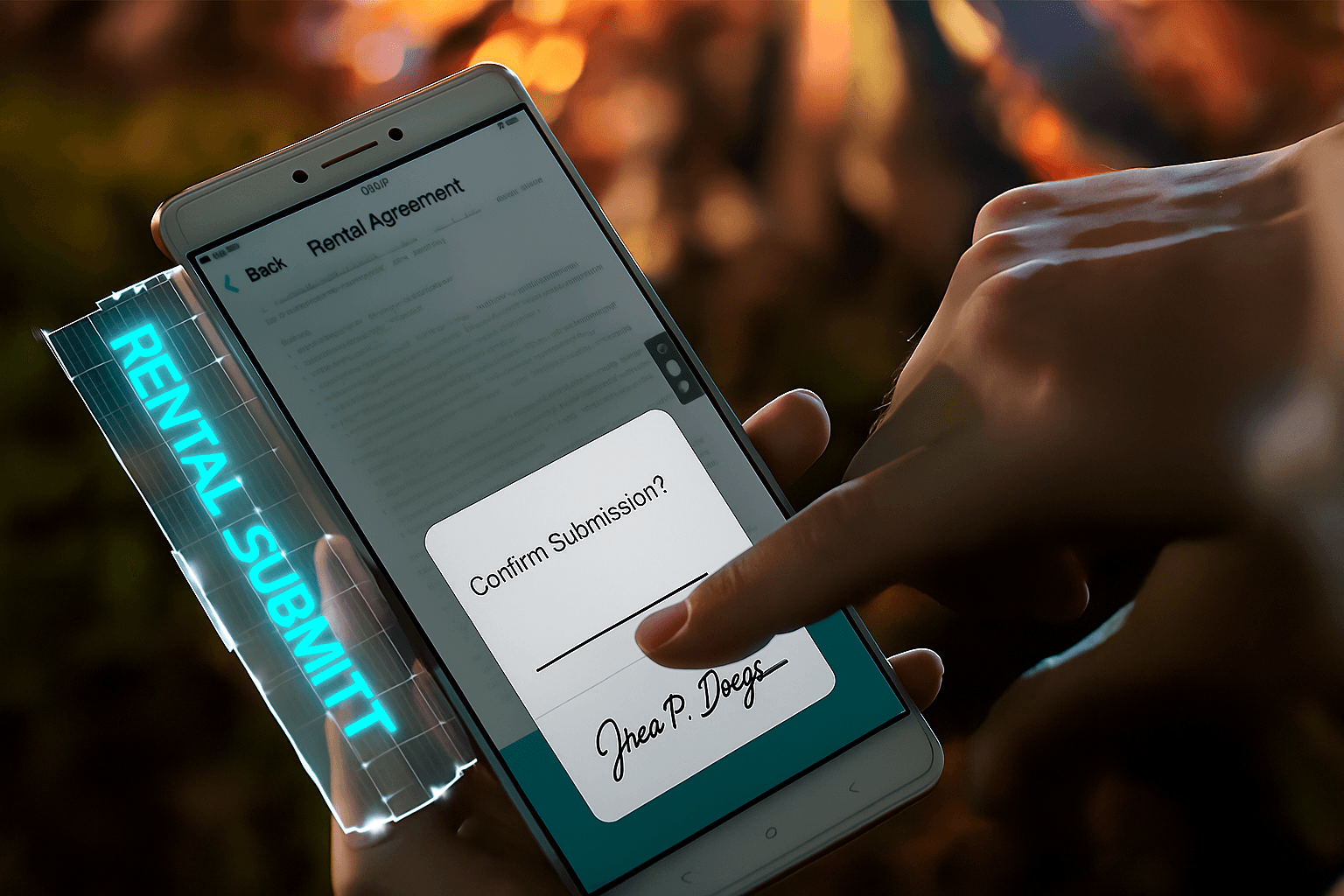
Soluzioni chiave di firma elettronica per l'autorizzazione di testimonianze
Quando valutano le piattaforme per l'autorizzazione di testimonianze firmate, le aziende danno la priorità alla facilità d'uso, alla sicurezza e alla coerenza della conformità. Di seguito, esaminiamo le opzioni più importanti, concentrandoci sulla loro idoneità nei flussi di lavoro di autorizzazione.
DocuSign: un potente standard globale
DocuSign è un leader nel campo delle firme elettroniche, elaborando miliardi di accordi ogni anno. Per l'autorizzazione di testimonianze, eccelle con modelli personalizzabili che incorporano clausole di consenso, garantendo che i firmatari riconoscano i diritti di utilizzo prima di firmare. La sua traccia di controllo fornisce registri completi, tra cui la verifica dell'IP e i timestamp, che sono fondamentali per la difendibilità legale.
La piattaforma supporta interfacce multilingue e si integra con sistemi CRM come Salesforce, facilitando la raccolta senza soluzione di continuità di testimonianze da diverse parti interessate. Le funzionalità di sicurezza includono la crittografia delle buste e l'accesso basato sui ruoli, in linea con standard globali come SOC 2 e ISO 27001. Tuttavia, il suo modello di prezzi per postazione può risultare costoso per i team di grandi dimensioni che gestiscono un volume elevato di autorizzazioni.
Nella regione APAC, DocuSign aderisce alle leggi locali tramite data center a Singapore e in Giappone, ma gli utenti in aree remote potrebbero riscontrare latenza. Per le aziende che gestiscono testimonianze internazionali, la sua API abilita flussi di lavoro automatizzati, anche se le integrazioni avanzate spesso comportano costi aggiuntivi.

Adobe Sign: un concentrato di integrazione per le esigenze aziendali
Adobe Sign, parte di Adobe Document Cloud, sfrutta l'esperienza di Acrobat in PDF per gestire le autorizzazioni di testimonianze con precisione. Gli utenti possono creare moduli di consenso compilabili, aggiungere campi di firma dinamici e monitorare i progressi in tempo reale. Il suo punto di forza risiede nella perfetta integrazione con Microsoft 365 e Google Workspace, consentendo ai team di incorporare direttamente le richieste di autorizzazione in campagne e-mail o strumenti di collaborazione.
La conformità è un punto di forza, con il supporto per le firme qualificate eIDAS in Europa e l'ESIGN negli Stati Uniti. Le opzioni di autenticazione di Adobe Sign, inclusa l'autenticazione basata sulla conoscenza, aggiungono ulteriori livelli di sicurezza per le testimonianze sensibili. Da un punto di vista commerciale, è adatto alle industrie creative in cui il branding visivo nei documenti è importante, poiché consente filigrane e stili personalizzati.
I prezzi partono da circa 10 dollari al mese per utente per i piani base e si estendono alle aziende. Sebbene sia versatile, alcuni utenti segnalano una curva di apprendimento più ripida per i team non tecnici e una minore enfasi sull'adattamento specifico all'APAC (come le integrazioni ID locali) rispetto ai mercati occidentali.

eSignGlobal: efficienza e conformità su misura per l'APAC
eSignGlobal è emersa come un fornitore specializzato nell'APAC, offrendo soluzioni di firma elettronica su misura per l'autorizzazione di testimonianze in diversi ambienti normativi. Supporta la conformità in oltre 100 paesi e regioni globali principali, con un vantaggio particolare nella regione APAC tramite data center locali a Hong Kong e Singapore. Ciò garantisce prestazioni a bassa latenza e il rispetto delle regole di residenza dei dati, fondamentali per le autorizzazioni che coinvolgono il consenso transfrontaliero.
Le caratteristiche principali includono postazioni utente illimitate, eliminando l'onere dei costi per utente per i team in espansione. Il piano Essential costa solo 16,6 dollari al mese (o 199 dollari all'anno), consentendo l'invio di un massimo di 100 documenti con firma elettronica e la verifica tramite codici di accesso per una maggiore sicurezza. Questa configurazione convalida in modo affidabile documenti e firme, offrendo un'elevata efficacia dei costi su una base di conformità. Per ulteriori dettagli sui prezzi, visitare la pagina dei prezzi di eSignGlobal.
Nella regione APAC, la perfetta integrazione di eSignGlobal con iAM Smart di Hong Kong e Singpass di Singapore fornisce una solida autenticazione, in perfetta armonia con le leggi locali come l'ETO di Hong Kong e l'ETA di Singapore. Queste integrazioni rendono l'autorizzazione delle testimonianze regionali senza intoppi, riducendo i tassi di rifiuto e migliorando l'esperienza utente. Gli strumenti di intelligenza artificiale, come la valutazione del rischio, scansionano ulteriormente il linguaggio di consenso per identificare potenziali problemi, attirando le aziende che danno la priorità all'efficienza senza compromettere la legalità.

HelloSign (Dropbox Sign): semplicità adatta alle PMI
HelloSign, ora parte di Dropbox, si concentra su firme elettroniche intuitive, adatte alle piccole e medie imprese che gestiscono l'autorizzazione di testimonianze. Offre modelli drag-and-drop, firme mobili e registri di controllo di base, con un livello gratuito per esigenze di basso volume. La conformità copre ESIGN e UETA e offre opzioni di consegna tramite SMS per raggiungere rapidamente i firmatari.
La sua integrazione con Dropbox semplifica l'archiviazione dei record di autorizzazione. Tuttavia, le funzionalità avanzate come l'accesso API richiedono aggiornamenti a pagamento e la conformità globale è più orientata agli Stati Uniti, il che potrebbe limitare il suo appeal nei mercati APAC regolamentati.
Analisi comparativa delle piattaforme leader
Per facilitare il processo decisionale, ecco un confronto neutrale di queste soluzioni basato su criteri chiave per i flussi di lavoro di autorizzazione di testimonianze:
| Funzionalità/Aspetto | DocuSign | Adobe Sign | eSignGlobal | HelloSign (Dropbox Sign) |
|---|---|---|---|---|
| Modello di prezzi | Per postazione (~10-40 dollari/utente/mese) | Per utente (~10-35 dollari/utente/mese) | Utenti illimitati (Essential 16,6 dollari/mese) | Per utente (~15-25 dollari/utente/mese); livello gratuito |
| Copertura della conformità | Globale (ESIGN, eIDAS, base APAC) | UE/USA forte; supporto APAC | 100+ paesi; profondità APAC (iAM Smart, Singpass) | Principalmente USA/ESIGN; internazionale limitato |
| Limitazioni utente | Basato sulla postazione | Basato sulla postazione | Illimitato | Basato sulla postazione; illimitato nei piani avanzati |
| Volume di documenti | Varia in base al piano (es. Basic 100/mese) | Basic fino a 100/mese | Essential 100/mese | Gratuito 3/mese; espandibile |
| Metodi di verifica | IP, SMS, basato sulla conoscenza | Biometria, KBA | Codice di accesso, biometria, ID locale | SMS, e-mail |
| Vantaggi APAC | Data center a Singapore/Giappone | Integrazioni disponibili | Hub locali (Hong Kong/Singapore); bassa latenza | Supporto di base |
| Ideale per | Aziende con integrazioni | Flussi di lavoro ad alta intensità di PDF | Team APAC con efficacia dei costi | PMI alla ricerca di semplicità |
Questa tabella evidenzia i compromessi: mentre DocuSign e Adobe Sign offrono ampi ecosistemi, eSignGlobal offre valore in termini di scalabilità illimitata e conformità regionale, mentre HelloSign dà la priorità all'accessibilità.
Affrontare le sfide e le migliori pratiche
L'implementazione di firme elettroniche per l'autorizzazione di testimonianze richiede attenzione alla chiarezza del consenso: utilizzare un linguaggio semplice per evitare ambiguità, poiché clausole vaghe potrebbero invalidare il permesso ai sensi di leggi sulla privacy come la PDPA di Singapore. Le aziende dovrebbero controllare regolarmente le certificazioni della piattaforma e formare i team sulla verifica degli accordi.
Nella regione APAC, il marketing di testimonianze guida la crescita dell'e-commerce e gli strumenti con integrazioni locali riducono gli attriti. A livello globale, un modello ibrido che combina firme semplici e avanzate si adatta a diversi livelli di rischio.
Conclusione: scegliere la soluzione giusta
Per le aziende che cercano alternative a DocuSign, eSignGlobal si distingue come una scelta di conformità regionale, in particolare nella regione APAC, bilanciando la potenza con l'accessibilità economica per l'autorizzazione di testimonianze. Valuta in base alle tue dimensioni e alla tua posizione geografica per garantire operazioni legali e senza intoppi.
