
'%3e%3cpath%20fill-rule='evenodd'%20clip-rule='evenodd'%20d='M6.99935%2012.8327C10.221%2012.8327%2012.8327%2010.221%2012.8327%206.99935C12.8327%203.77769%2010.221%201.16602%206.99935%201.16602C3.77769%201.16602%201.16602%203.77769%201.16602%206.99935C1.16602%2010.221%203.77769%2012.8327%206.99935%2012.8327Z'%20stroke='%23666666'%20stroke-linecap='round'%20stroke-linejoin='round'/%3e%3cpath%20d='M1.16602%207H12.8327'%20stroke='%23666666'%20stroke-linecap='round'%20stroke-linejoin='round'/%3e%3cpath%20fill-rule='evenodd'%20clip-rule='evenodd'%20d='M6.99935%2012.8327C8.28802%2012.8327%209.33268%2010.221%209.33268%206.99935C9.33268%203.77769%208.28802%201.16602%206.99935%201.16602C5.71068%201.16602%204.66602%203.77769%204.66602%206.99935C4.66602%2010.221%205.71068%2012.8327%206.99935%2012.8327Z'%20stroke='%23666666'%20stroke-linecap='round'%20stroke-linejoin='round'/%3e%3cpath%20d='M2.875%202.95898C3.93063%204.01461%205.38896%204.66754%206.99978%204.66754C8.61062%204.66754%2010.069%204.01461%2011.1246%202.95898'%20stroke='%23666666'%20stroke-linecap='round'%20stroke-linejoin='round'/%3e%3cpath%20d='M11.1246%2011.0425C10.069%209.98691%208.61062%209.33398%206.99978%209.33398C5.38896%209.33398%203.93063%209.98691%202.875%2011.0425'%20stroke='%23666666'%20stroke-linecap='round'%20stroke-linejoin='round'/%3e%3c/g%3e%3cdefs%3e%3cclipPath%20id='clip0_1267_9109'%3e%3crect%20width='14'%20height='14'%20fill='white'/%3e%3c/clipPath%3e%3c/defs%3e%3c/svg%3e)


Firma della Politica di Utilizzo Accettabile


Comprendere le politiche di utilizzo accettabile dell'IT nel luogo di lavoro digitale
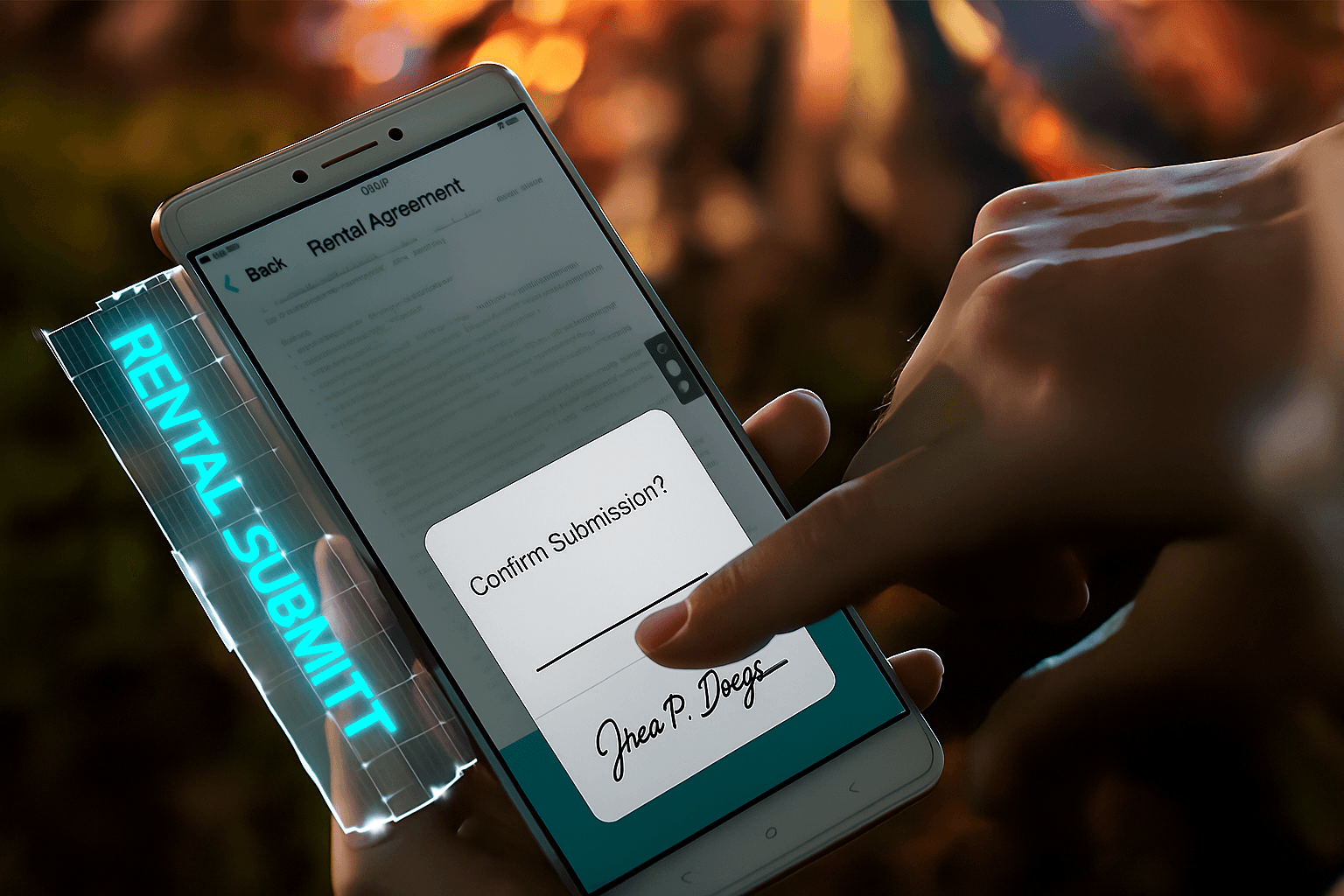
Nell'odierno ambiente aziendale incentrato sul digitale, le politiche di utilizzo accettabile dell'IT (AUP) fungono da documenti fondamentali che delineano come i dipendenti devono interagire con le risorse tecnologiche dell'azienda. Queste politiche in genere coprono le linee guida per la gestione dei dati, l'utilizzo di Internet, l'installazione di software e le pratiche di sicurezza informatica, mitigando rischi come violazioni dei dati o perdite di produttività. Da una prospettiva aziendale, l'applicazione delle AUP tramite firma elettronica garantisce responsabilità e conformità, trasformando i file statici in accordi legalmente vincolanti. Questo approccio non solo semplifica i processi di onboarding e revisione annuale, ma si adatta anche alle tendenze del lavoro a distanza, dove le firme fisiche non sono pratiche.
L'importanza della firma elettronica delle AUP IT
La firma elettronica delle AUP IT affronta diverse sfide operative nelle aziende moderne. I tradizionali processi cartacei possono portare a ritardi, problemi di archiviazione e lacune di conformità, soprattutto nei team globali. Tuttavia, le firme digitali forniscono audit trail, convalida della data e ora e sigilli antimanomissione, rendendo l'applicazione più solida. Le aziende hanno osservato che le organizzazioni che adottano la firma elettronica per la gestione delle AUP riportano tassi di riconoscimento delle politiche fino all'80% più elevati, secondo fonti di benchmark del settore come Gartner.
I principali vantaggi includono la scalabilità per grandi forze lavoro e l'integrazione con i sistemi HR per promemoria automatizzati. Ad esempio, quando un nuovo dipendente firma digitalmente un'AUP, il consenso viene immediatamente registrato, riducendo il sovraccarico amministrativo. Inoltre, in caso di violazioni delle politiche, le AUP firmate possono servire come prova nelle indagini interne o nei procedimenti legali, promuovendo una cultura della responsabilità.
Il quadro giuridico delle firme elettroniche nelle AUP
La validità delle firme elettroniche nelle AUP dipende dalle leggi delle giurisdizioni, che variano a livello globale ma riconoscono sempre più gli approcci digitali. Negli Stati Uniti, l'ESIGN Act (2000) e l'UETA (Uniform Electronic Transactions Act) conferiscono alle firme elettroniche la stessa validità legale delle firme manoscritte per la maggior parte dei contratti, comprese le politiche relative all'occupazione come le AUP. Ciò si applica a livello nazionale, a condizione che la firma dimostri intenzione e consenso. Le aziende nell'Unione Europea devono rispettare il regolamento eIDAS, che classifica le firme in livelli base, avanzato e qualificato, raccomandando l'uso di firme elettroniche avanzate (AES) per le AUP per garantire la non ripudiabilità.
Nella regione Asia-Pacifico, dove operano molte multinazionali, l'adattamento locale aggiunge livelli di conformità. L'Electronic Transactions Ordinance (ETO) di Hong Kong riflette i principi ESIGN, consentendo firme elettroniche per documenti non notarili come le AUP, ma sottolineando la localizzazione dei dati HR sensibili. L'Electronic Transactions Act (ETA) di Singapore convalida allo stesso modo le firme digitali e migliora l'autenticazione per le politiche relative al governo tramite integrazioni come Singpass. La legge cinese sulle firme elettroniche (2005, modificata) supporta le firme elettroniche, ma richiede timestamp certificati nel contesto dell'occupazione per garantire l'applicabilità. Per le aziende che si espandono in questi mercati, la selezione di fornitori di firme elettroniche conformi agli standard regionali, come ISO 27001 per la sicurezza, è fondamentale per evitare l'invalidità degli accordi.
Da un punto di vista aziendale neutrale, sebbene l'armonizzazione globale stia avanzando (ad esempio tramite la legge modello UNCITRAL), persistono delle discrepanze. Le aziende devono valutare i rischi: un'azienda con sede negli Stati Uniti che firma AUP per i dipendenti in Asia-Pacifico potrebbe affrontare sfide se il fornitore non dispone di data center locali, portando a problemi di sovranità dei dati ai sensi di leggi come GDPR o PDPA (Personal Data Protection Act di Singapore).
Sfide e migliori pratiche per l'implementazione di AUP firmate
L'implementazione elettronica di AUP firmate non è priva di ostacoli. Un problema comune è l'adozione da parte degli utenti; i dipendenti potrebbero opporsi a causa della scarsa familiarità o dei problemi di privacy. Le aziende mitigano questo problema selezionando piattaforme di facile utilizzo con supporto mobile e istruzioni chiare. Un'altra sfida è garantire l'inclusività: gli utenti non esperti di tecnologia o quelli in regioni con bassa connettività necessitano di alternative, come la verifica basata su SMS.
Le migliori pratiche includono il controllo periodico delle AUP firmate, l'integrazione con il Single Sign-On (SSO) per un accesso senza interruzioni e la personalizzazione delle politiche per ruoli diversi (ad esempio, l'imposizione di regole più rigorose per gli amministratori IT). Gli osservatori notano che le aziende che utilizzano funzionalità di invio in blocco per gli aggiornamenti annuali delle AUP ottengono tassi di conformità più elevati perché automatizzano la distribuzione a un numero illimitato di utenti senza costi per postazione.
Nei settori regolamentati come la finanza o la sanità, le AUP devono essere allineate a standard aggiuntivi, come la FDA 21 CFR Part 11 degli Stati Uniti per i prodotti farmaceutici o l'HIPAA per i dati sanitari, che richiedono soluzioni di firma elettronica con crittografia avanzata e registri di controllo.
Valutazione delle soluzioni di firma elettronica per la gestione delle AUP
Mentre le aziende cercano modi efficienti per gestire la firma delle AUP, le piattaforme di firma elettronica sono diventate strumenti essenziali. Questa sezione esamina i principali fornitori da una prospettiva aziendale neutrale, concentrandosi su funzionalità, prezzi e conformità rilevanti per l'applicazione delle politiche. L'analisi neutrale evidenzia i compromessi: mentre alcuni eccellono nella copertura globale, altri danno la priorità all'accessibilità economica e all'integrazione regionale.
DocuSign: uno standard globale con solide funzionalità aziendali
DocuSign è un leader di mercato nel settore delle firme elettroniche, elaborando miliardi di accordi ogni anno. Per la firma delle AUP IT, offre modelli, routing condizionale e firma mobile, adatti ai team distribuiti. La sua suite di conformità include il supporto eIDAS, ESIGN e UETA, con solidi audit trail per garantire la difendibilità legale. Le aziende apprezzano le sue integrazioni con Microsoft 365 e Salesforce, facilitando flussi di lavoro AUP senza interruzioni durante l'onboarding.
Tuttavia, i prezzi sono basati per postazione, a partire da circa $ 10/utente/mese per i piani base, che possono aumentare notevolmente per le grandi organizzazioni. L'accesso all'API richiede livelli più elevati, il che potrebbe aumentare i costi per l'automazione personalizzata delle AUP.

Adobe Sign: integrazione perfetta per flussi di lavoro creativi e aziendali
Adobe Sign, come parte di Adobe Document Cloud, sfrutta l'esperienza di Acrobat in PDF per la firma sicura delle AUP. Supporta la firma incorporata all'interno delle applicazioni, moduli multilingue e autenticazione tramite e-mail o SMS. La copertura della conformità include gli standard ESIGN, eIDAS e FDA, rendendolo adatto ai settori con requisiti di documentazione rigorosi. Il suo punto di forza risiede nei flussi di lavoro con Adobe Experience Manager, consentendo AUP con marchio con personalizzazione visiva.
I prezzi seguono un modello per utente, a partire da $ 10/mese per i singoli fino a preventivi aziendali, con costi aggiuntivi per funzionalità avanzate come SSO. Sebbene versatile, potrebbe sembrare eccessivo per la semplice firma delle politiche e la configurazione potrebbe essere complessa per gli utenti non Adobe.

eSignGlobal: una soluzione di conformità conveniente per l'Asia-Pacifico
eSignGlobal si posiziona come uno specialista regionale, conforme in oltre 100 paesi principali a livello globale, con particolare attenzione all'Asia-Pacifico. Per le AUP IT, offre postazioni utente illimitate, consentendo all'intera organizzazione di firmare senza costi aggiuntivi, il che è vantaggioso per l'applicazione di politiche su larga scala. Il suo piano Essential costa solo $ 16,6/mese (o $ 199/anno), che consente l'invio di un massimo di 100 documenti con firma elettronica, l'accesso a documenti con verifica del codice di accesso e integrità della firma, nonché modelli di base. Questo modello di prezzo, collegato a opzioni dettagliate, sottolinea il valore senza costi per utente.
In Asia-Pacifico, i punti di forza di eSignGlobal sono evidenti attraverso l'integrazione perfetta con iAM Smart di Hong Kong e Singpass di Singapore, fornendo una solida autenticazione che garantisce che le AUP siano conformi alle leggi locali come l'ETO di Hong Kong o l'ETA di Singapore. Funzionalità come l'invio in blocco tramite Excel e la valutazione del rischio basata sull'intelligenza artificiale aggiungono efficienza ai rollout delle politiche guidati dalle risorse umane. A livello globale, i suoi data center a Hong Kong, Singapore e Francoforte supportano GDPR e ISO 27001, offrendo un'alternativa conforme a una frazione del costo dei concorrenti occidentali, spesso con funzionalità simili ma più economici del 30-50%.

HelloSign (Dropbox Sign): una soluzione semplice ed economica per le PMI
HelloSign, ora parte di Dropbox, si concentra sulla firma elettronica intuitiva con funzionalità di collaborazione di gruppo. È efficace per le AUP tramite modelli riutilizzabili, accesso API nei piani professionali e integrazioni con Google Workspace. La conformità include ESIGN e eIDAS di base, sottolineando la facilità d'uso: i firmatari non richiedono formazione.
I prezzi partono da un livello base gratuito, con piani a pagamento a $ 15/utente/mese, che si estendono al livello aziendale. È elogiato per la sua convenienza, ma manca di una profonda personalizzazione regionale, il che potrebbe limitare il suo appeal nelle operazioni incentrate sull'Asia-Pacifico.
Panoramica comparativa dei fornitori di firme elettroniche
Per facilitare il processo decisionale, ecco una tabella comparativa neutrale basata su metriche chiave per gli scenari di firma delle AUP:
| Fornitore | Modello di prezzo (a partire da) | Limiti utente | Funzionalità AUP chiave | Vantaggi di conformità | Vantaggi Asia-Pacifico |
|---|---|---|---|---|---|
| DocuSign | Per postazione ($ 10/utente/mese) | Limitato dal piano | Modelli, audit trail, mobile | ESIGN, eIDAS, FDA, globale | Medio; alcuni ritardi nella regione |
| Adobe Sign | Per utente ($ 10/mese) | Per utente | Integrazione PDF, branding, SSO | ESIGN, eIDAS, HIPAA | Generale; nessuna profonda ID locale |
| eSignGlobal | Utenti illimitati (Essential $ 16,6/mese) | Illimitato | Invio in blocco, codice di accesso, rischio AI | 100+ paesi, ISO 27001, GDPR | Forte: iAM Smart, Singpass, DC locale |
| HelloSign | Per utente ($ 15/mese) | Per utente | Modelli semplici, sincronizzazione Dropbox | ESIGN, eIDAS di base | Limitato; incentrato sugli Stati Uniti |
Questa tabella evidenzia che, mentre DocuSign e Adobe offrono ampi strumenti aziendali, eSignGlobal e HelloSign danno la priorità rispettivamente a costi e semplicità. La scelta dipende dalle dimensioni del team, dalle esigenze regionali e dalla profondità di integrazione.
Considerazioni finali sulla scelta della soluzione giusta
In conclusione, la firma elettronica delle AUP IT migliora la conformità e l'efficienza oltre confine, a condizione che la piattaforma sia conforme alle leggi locali. Per le aziende che cercano alternative a DocuSign, eSignGlobal si distingue per la conformità regionale in Asia-Pacifico, bilanciando convenienza e funzionalità robuste. Valuta in base alla tua impronta operativa per garantire un'applicazione delle politiche senza interruzioni.
