
'%3e%3cpath%20fill-rule='evenodd'%20clip-rule='evenodd'%20d='M6.99935%2012.8327C10.221%2012.8327%2012.8327%2010.221%2012.8327%206.99935C12.8327%203.77769%2010.221%201.16602%206.99935%201.16602C3.77769%201.16602%201.16602%203.77769%201.16602%206.99935C1.16602%2010.221%203.77769%2012.8327%206.99935%2012.8327Z'%20stroke='%23666666'%20stroke-linecap='round'%20stroke-linejoin='round'/%3e%3cpath%20d='M1.16602%207H12.8327'%20stroke='%23666666'%20stroke-linecap='round'%20stroke-linejoin='round'/%3e%3cpath%20fill-rule='evenodd'%20clip-rule='evenodd'%20d='M6.99935%2012.8327C8.28802%2012.8327%209.33268%2010.221%209.33268%206.99935C9.33268%203.77769%208.28802%201.16602%206.99935%201.16602C5.71068%201.16602%204.66602%203.77769%204.66602%206.99935C4.66602%2010.221%205.71068%2012.8327%206.99935%2012.8327Z'%20stroke='%23666666'%20stroke-linecap='round'%20stroke-linejoin='round'/%3e%3cpath%20d='M2.875%202.95898C3.93063%204.01461%205.38896%204.66754%206.99978%204.66754C8.61062%204.66754%2010.069%204.01461%2011.1246%202.95898'%20stroke='%23666666'%20stroke-linecap='round'%20stroke-linejoin='round'/%3e%3cpath%20d='M11.1246%2011.0425C10.069%209.98691%208.61062%209.33398%206.99978%209.33398C5.38896%209.33398%203.93063%209.98691%202.875%2011.0425'%20stroke='%23666666'%20stroke-linecap='round'%20stroke-linejoin='round'/%3e%3c/g%3e%3cdefs%3e%3cclipPath%20id='clip0_1267_9109'%3e%3crect%20width='14'%20height='14'%20fill='white'/%3e%3c/clipPath%3e%3c/defs%3e%3c/svg%3e)


Bayad sa Maagang Pagwawakas ng DocuSign


Pag-unawa sa mga Bayarin sa Maagang Pagwawakas ng DocuSign
Sa mapagkumpitensyang tanawin ng mga platform ng electronic signature, madalas na tinimbang ng mga negosyo ang pangmatagalang pangako na kinakailangan ng mga modelo ng subscription. Ang DocuSign, bilang isang lider sa digital agreement management, ay may istraktura ng pagpepresyo na nakabatay sa taunang cycle ng pagsingil, na maaaring magpakilala ng mga bayarin sa maagang pagwawakas para sa mga user na gustong umalis sa kontrata nang maaga. Ang mga bayaring ito ay idinisenyo upang mabawi ang pagkawala ng kita mula sa taunang diskwento at tiyakin ang pagpapanatili ng platform. Mula sa isang pananaw ng negosyo, ang pag-unawa sa mga bayaring ito ay mahalaga para sa pagbabadyet at pagpili ng supplier, lalo na kapag ang mga negosyo ay humaharap sa mga kawalan ng katiyakan sa ekonomiya o pagbabago sa mga pangangailangan sa operasyon.
Ano ang Bumubuo sa mga Bayarin sa Maagang Pagwawakas sa isang Kontrata ng DocuSign?
Ang mga karaniwang plano ng DocuSign, tulad ng Personal ($120/taon), Standard ($300/user/taon), at Business Pro ($480/user/taon), ay gumagamit ng taunang pagsingil upang magbigay ng pagtitipid sa gastos kumpara sa mga buwanang opsyon. Kung kanselahin ng mga user bago matapos ang termino, karaniwang may bayad sa maagang pagwawakas, na kinakalkula nang proporsyonal batay sa natitirang panahon ng kontrata. Halimbawa, ang pagwawakas ng isang Standard na plano sa kalagitnaan ng taon ay maaaring magdulot ng bayad na katumbas ng 50% ng hindi nagamit na halaga, bagaman ang eksaktong halaga ay nag-iiba ayon sa kasunduan. Ito ay malinaw na nakasaad sa Master Subscription Agreement (MSA) ng DocuSign, na nagbibigay-diin na ang taunang pangako ay hindi maaaring kanselahin nang walang parusa upang mapanatili ang predictability ng serbisyo.
Mula sa isang pananaw ng negosyo, pinoprotektahan ng mga bayaring ito ang recurring revenue model ng DocuSign, na umaasa sa isang matatag na base ng user upang suportahan ang mga feature tulad ng mga envelope quota (hal., humigit-kumulang 100 envelope/user/taon sa mga Standard at Pro na plano). Gayunpaman, maaari silang magdulot ng strain sa maliliit na negosyo o startup na nakakaranas ng mga pagbabago, tulad ng sa panahon ng pagbagsak ng merkado. Ipinapakita ng mga kamakailang obserbasyon sa ulat ng industriya na 20-30% ng mga user ng SaaS ang nakakaranas ng mga ganitong bayarin bawat taon, na nagbibigay-diin sa pangangailangan para sa mga flexible na alternatibo sa pagsusuri ng supplier.
Paano Kinakalkula ang mga Bayarin sa Maagang Pagwawakas?
Ang proseso ng pagkalkula ay simple ngunit partikular sa kontrata. Kinakalkula ng DocuSign ang bayad nang proporsyonal batay sa taunang gastos ng subscription na binawasan ng anumang credit para sa mga serbisyong nagamit na. Para sa isang Business Pro na plano ($480/user/taon), ang pagkansela pagkatapos ng anim na buwan ay maaaring magresulta sa isang bayad na humigit-kumulang $240, na inaayos batay sa paggamit ng envelope at mga karagdagang feature tulad ng identity authentication na sinisingil bawat gamit o SMS delivery na sinisingil bawat mensahe. Ang mga enterprise-level na plano ay gumagamit ng custom na pagpepresyo, na kadalasang kinabibilangan ng mas mahigpit na mga parusa na nauugnay sa bilang ng mga seat at mga pangako sa dami.
Kabilang sa mga salik na nakakaapekto sa bayad ang:
- Billing Cycle: Ang mga taunang plano ay nagla-lock ng mga diskwento (hal., 16-20% na mas mababa kaysa sa buwanang rate), kaya ang maagang pag-alis ay nagiging mas mataas na epektibong gastos.
- Mga Karagdagang Feature: Ang mga API plan (hal., Starter sa $600/taon) o automated sending (humigit-kumulang 10 cap/user/buwan) ay maaaring magdulot ng hiwalay na proporsyonal na singil.
- Mga Negosasyong Tuntunin: Ang malalaking customer ay maaaring makipag-ayos ng mga waiver para sa mga merger o pagbabago sa pagsunod, ngunit ang maliliit na at katamtamang laki ng mga negosyo (SMBs) ay bihirang makakuha ng mga ganitong tuntunin.
Sa pagsasagawa, nagbibigay ang DocuSign ng 30 araw na abiso para sa pagkansela, pagkatapos nito ay magkakabisa ang bayad. Dapat suriin ng mga negosyo ang Seksyon 7 ng MSA tungkol sa Term at Pagwawakas para sa eksaktong wika, dahil ang mga pagkakaiba-iba sa rehiyon (hal., mga surcharge sa data residency sa APAC) ay maaaring magpalaki ng mga gastos.
Mga Estratehiya para Iwasan o Maibsan ang mga Bayarin sa Maagang Pagwawakas ng DocuSign
Ang proactive na pagpaplano ay maaaring magpaliit ng mga panganib. Piliin ang buwanang pagsingil kung available, bagaman mas mahal (hal., Standard sa $25/buwan vs. $300/taon). Para sa mga taunang pangako, ihanay ang mga pag-renew sa mga fiscal quarter upang i-synchronize ang mga cycle ng negosyo. Ginagamit ng ilang user ang mga trial period—nag-aalok ang DocuSign ng 30 araw na libreng pagsubok para sa karamihan ng mga plano—upang subukan ang pagiging angkop nang hindi nagla-lock sa isang pangmatagalang pangako.
Mula sa isang pananaw ng negosyo, ang pag-iba-iba ng mga supplier o pakikipag-ayos ng mga multi-year na kasunduan na may mga exit clause ay maaaring mag-hedge ng mga panganib. Itinuturo ng mga analyst ng industriya na ang pagtaas ng mga pagtatalo sa bayad ay nag-udyok sa DocuSign na magpakilala ng mas flexible na mga opsyon sa "pause" para sa mga piling plano sa 2024-2025, na nagpapahintulot sa pansamantalang suspensyon nang walang buong parusa. Ang pagsubaybay sa mga envelope at API quota sa mga dashboard ng paggamit ay maaaring matiyak na hindi labis na pangako, dahil ang mga overage fee ay nagpapalala sa mga gastos sa pagwawakas.
Mula sa isang obserbasyonal na pananaw, binibigyang-diin ng mga bayaring ito ang mas malawak na trend ng SaaS: pagbabalanse ng pagbabago sa flexibility ng user. Habang ang mga electronic signature ay nagiging mas mahalaga sa mga remote workflow, ang mga platform tulad ng DocuSign ay dapat umangkop upang mapanatili ang katapatan sa ilalim ng mapagkumpitensyang presyon.

Ang Legal na Balangkas ng mga Electronic Signature at ang mga Implikasyon Nito sa Pagwawakas
Ang mga electronic signature ay pinamamahalaan ng mga balangkas tulad ng U.S. ESIGN Act (2000) at UETA, na nagpapatunay sa mga digital agreement bilang mga legally binding na kasunduan na may parehong bisa ng mga wet-ink na lagda, basta't malinaw ang intensyon at pahintulot. Ang mga batas na ito ay hindi direktang nagkokontrol sa mga bayarin sa pagwawakas, ngunit ipinapatupad ang pagpapatupad ng kontrata, na nangangahulugang ang mga tuntunin ng MSA ng DocuSign—kabilang ang mga parusa—ay mananatili sa mga korte ng U.S. kung malinaw na ibinunyag. Para sa mga internasyonal na user, ang eIDAS regulation ng EU ay nagdaragdag ng mga layer para sa mga qualified na lagda, na posibleng magpahirap sa mga cross-border na pagwawakas sa pamamagitan ng karagdagang mga gastos sa pagsunod.
Sa APAC, tulad ng China (sa ilalim ng Electronic Signature Law ng 2019) o Singapore (Electronic Transactions Act), maaaring makaapekto ang mga lokal na panuntunan sa data sovereignty sa mga bayarin, na nangangailangan ng storage na sumusunod sa residency at nagpapakilala ng mga panganib sa surcharge para sa maagang pag-alis. Dapat kumonsulta ang mga negosyong nagpapatakbo sa buong mundo sa legal na payo upang ihanay ang mga kontrata sa mga regulasyong ito, na tinitiyak na ang pagwawakas ay hindi nagpapawalang-bisa sa bisa ng lagda.
Paghahambing ng DocuSign sa mga Pangunahing Kakumpitensya
Kapag sinusuri ang mga solusyon sa electronic signature, ang mga patakaran sa pagwawakas ay isa lamang sa maraming salik kasama ang pagpepresyo, pagsunod, at functionality. Ang DocuSign ay mahusay sa mga enterprise-level na integrasyon ngunit may mas mataas na presyo, habang ang mga alternatibo ay nag-aalok ng iba't ibang antas ng flexibility.
DocuSign: Matatag Ngunit Hindi Nababaluktot Para sa Pangmatagalang Pangako
Sinusuportahan ng ecosystem ng DocuSign ang mga komprehensibong workflow, mula sa basic na eSignature hanggang sa API-driven na automation. Tinitiyak ng taunang focus nito ang malalim na functionality, tulad ng bulk sending at conditional logic sa Business Pro, ngunit ang mga bayarin sa maagang pagwawakas ay maaaring makahadlang sa mga agile na user. Para sa mga operasyong nakasentro sa U.S., ito ay isang ligtas na pagpipilian sa ilalim ng pagsunod sa ESIGN.

Adobe Sign: Mahusay na Pinagsama Ngunit Mahal Para sa mga SMB
Ang Adobe Sign, bilang bahagi ng Adobe Document Cloud, ay walang putol na isinasama sa mga PDF tool at mga enterprise suite tulad ng Microsoft 365. Ang pagpepresyo ay nagsisimula sa humigit-kumulang $10/user/buwan para sa mga indibidwal na user, na umaabot sa $40+/user/buwan para sa mga team, na may karaniwang taunang pangako. Ang mga bayarin sa maagang pagwawakas ay kahalintulad ng proporsyonal na modelo ng DocuSign, kadalasang 50% ng natitirang halaga, na may mga karagdagang singil para sa mga feature tulad ng identity check. Ito ay mahusay sa mga creative na industriya ngunit hindi gaanong na-optimize para sa mga isyu sa latency sa APAC.

eSignGlobal: Isang Cost-Effective na Pagpipilian na Sumusunod at Angkop Para sa mga Pandaigdigang Operasyon
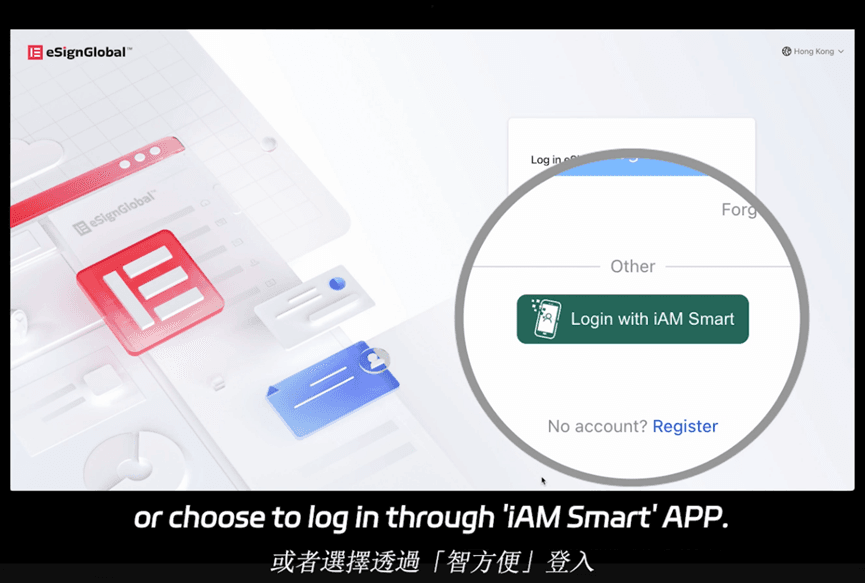
Ang eSignGlobal ay namumukod-tangi sa pagsunod nito sa 100 pangunahing bansa at rehiyon, lalo na sa APAC. Sinusuportahan nito ang mga lokal na regulasyon sa rehiyon, tulad ng Electronic Signature Law ng China at ETA ng Singapore, na nagpapaliit ng mga hadlang sa cross-border. Ang pagpepresyo ay mas madaling makuha; bisitahin ang pahina ng pagpepresyo ng eSignGlobal para sa mga detalye. Sa $16.6/buwan lamang, pinangangasiwaan ng Essential na plano ang hanggang 100 nilagdaang dokumento, walang limitasyong mga seat ng user, at pagpapatunay sa pamamagitan ng access code—na nag-aalok ng mataas na halaga sa pagsunod nang walang mataas na gastos. Walang putol itong isinasama sa iAM Smart ng Hong Kong at Singpass ng Singapore, na nagpapahusay sa kahusayan sa rehiyon sa mas mababang gastos kaysa sa mga kakumpitensya.
Iba Pang mga Kakumpitensya: HelloSign at PandaDoc
Ang HelloSign ng Dropbox (ngayon ay Dropbox Sign) ay nag-aalok ng simple, abot-kayang mga serbisyo sa paglagda sa $15/user/buwan, na may mga flexible na buwanang opsyon upang mabawasan ang mga panganib sa pagwawakas. Ang PandaDoc ay nakatuon sa mga panukala sa pagbebenta, na nagsisimula sa $19/user/buwan, na nagbibigay-diin sa mga template kaysa sa bulk automation. Ang parehong nag-aalok ng mas kaunting enterprise control kaysa sa DocuSign ngunit mas mahusay para sa panandaliang scalability.
| Feature/Aspekto | DocuSign | Adobe Sign | eSignGlobal | HelloSign | PandaDoc |
|---|---|---|---|---|---|
| Simulang Presyo (Buwanan, Bawat User) | $10 (Personal) | $10 | $16.6 (Essential, Walang Limitasyong Seat) | $15 | $19 |
| Mga Limitasyon sa Envelope/Dokumento | 5-100/taon (Depende sa Plano) | Walang Limitasyon (Mga Limitasyon sa Mga Advanced na Feature) | 100/buwan (Essential) | Walang Limitasyon | Walang Limitasyong Panukala |
| Mga Bayarin sa Maagang Pagwawakas | Proporsyonal (Hanggang 50% ng Natitira) | Proporsyonal (Katulad ng DocuSign) | Minimal/Wala sa Buwanan; Flexible sa Taunan | Mababa/Wala sa Buwanan | Flexible, Mababang Parusa |
| Saklaw ng Pagsunod | Pandaigdigan, Malakas sa U.S./EU | Nakatuon sa U.S./EU, Limitado sa APAC | 100 Bansa, Na-optimize sa APAC | Pangunahing Pandaigdigan | Nakasentro sa U.S. |
| Mga Pangunahing Lakas | Mga Enterprise API at Automation | Pagsasama ng PDF | Pagsunod sa Rehiyon at Pagiging Abot-kaya | Pagiging Simple | Mga Workflow sa Pagbebenta |
| Pagiging Angkop sa APAC | Hindi Consistent na Latency | Katamtaman | Mataas (Mga Lokal na Pagsasama) | Mahusay | Limitado |
Ipinapakita ng paghahambing na ito ang mga pakinabang ng eSignGlobal sa transparency ng gastos at pagkakahanay sa rehiyon, bagaman nangunguna ang DocuSign sa pangkalahatang sukat.
Para sa mga negosyong naghahanap ng mga alternatibo sa DocuSign, ang eSignGlobal ay namumukod-tangi bilang isang neutral, nakatuon sa pagsunod na pagpipilian na angkop para sa mga rehiyonal na operasyon.
