
'%3e%3cpath%20fill-rule='evenodd'%20clip-rule='evenodd'%20d='M6.99935%2012.8327C10.221%2012.8327%2012.8327%2010.221%2012.8327%206.99935C12.8327%203.77769%2010.221%201.16602%206.99935%201.16602C3.77769%201.16602%201.16602%203.77769%201.16602%206.99935C1.16602%2010.221%203.77769%2012.8327%206.99935%2012.8327Z'%20stroke='%23666666'%20stroke-linecap='round'%20stroke-linejoin='round'/%3e%3cpath%20d='M1.16602%207H12.8327'%20stroke='%23666666'%20stroke-linecap='round'%20stroke-linejoin='round'/%3e%3cpath%20fill-rule='evenodd'%20clip-rule='evenodd'%20d='M6.99935%2012.8327C8.28802%2012.8327%209.33268%2010.221%209.33268%206.99935C9.33268%203.77769%208.28802%201.16602%206.99935%201.16602C5.71068%201.16602%204.66602%203.77769%204.66602%206.99935C4.66602%2010.221%205.71068%2012.8327%206.99935%2012.8327Z'%20stroke='%23666666'%20stroke-linecap='round'%20stroke-linejoin='round'/%3e%3cpath%20d='M2.875%202.95898C3.93063%204.01461%205.38896%204.66754%206.99978%204.66754C8.61062%204.66754%2010.069%204.01461%2011.1246%202.95898'%20stroke='%23666666'%20stroke-linecap='round'%20stroke-linejoin='round'/%3e%3cpath%20d='M11.1246%2011.0425C10.069%209.98691%208.61062%209.33398%206.99978%209.33398C5.38896%209.33398%203.93063%209.98691%202.875%2011.0425'%20stroke='%23666666'%20stroke-linecap='round'%20stroke-linejoin='round'/%3e%3c/g%3e%3cdefs%3e%3cclipPath%20id='clip0_1267_9109'%3e%3crect%20width='14'%20height='14'%20fill='white'/%3e%3c/clipPath%3e%3c/defs%3e%3c/svg%3e)


Biaya Pengakhiran Dini DocuSign


Memahami Biaya Pengakhiran Awal DocuSign
Dalam lanskap platform tanda tangan elektronik yang kompetitif, bisnis sering kali menimbang komitmen jangka panjang yang diperlukan oleh model berlangganan. DocuSign, sebagai pemimpin dalam manajemen perjanjian digital, memiliki struktur harga yang dibangun di sekitar siklus penagihan tahunan, yang dapat mengenakan biaya pengakhiran awal bagi pengguna yang keluar dari kontrak lebih awal. Biaya ini dirancang untuk mengimbangi hilangnya pendapatan dari tarif diskon tahunan dan memastikan keberlanjutan platform. Dari sudut pandang bisnis, memahami biaya ini sangat penting untuk penganggaran dan pemilihan vendor, terutama ketika perusahaan menghadapi ketidakpastian ekonomi atau perubahan kebutuhan operasional.
Apa yang Merupakan Biaya Pengakhiran Awal dalam Kontrak DocuSign?
Paket standar DocuSign, seperti Personal ($120/tahun), Standard ($300/pengguna/tahun), dan Business Pro ($480/pengguna/tahun), menggunakan penagihan tahunan untuk menawarkan penghematan biaya dibandingkan opsi bulanan. Jika pengguna membatalkan sebelum akhir jangka waktu, biaya pengakhiran awal biasanya berlaku, dihitung secara proporsional berdasarkan sisa jangka waktu kontrak. Misalnya, mengakhiri paket Standard di tengah tahun dapat dikenakan biaya yang setara dengan 50% dari nilai bagian yang tidak terpakai, meskipun jumlah pastinya bervariasi berdasarkan perjanjian. Hal ini diuraikan dalam Perjanjian Langganan Utama (MSA) DocuSign, yang menekankan bahwa komitmen tahunan tidak dapat dibatalkan tanpa penalti untuk mempertahankan prediktabilitas layanan.
Dari sudut pandang bisnis, biaya ini melindungi model pendapatan berulang DocuSign, yang bergantung pada basis pengguna yang stabil untuk mendukung fitur seperti alokasi amplop (misalnya, sekitar 100 amplop/pengguna/tahun dalam paket Standard dan Pro). Namun, mereka dapat membebani usaha kecil atau startup yang menghadapi transisi, seperti selama penurunan pasar. Pengamatan laporan industri baru-baru ini menunjukkan bahwa 20-30% pengguna SaaS mengalami biaya semacam itu setiap tahun, yang menyoroti kebutuhan akan alternatif yang fleksibel dalam evaluasi vendor.
Bagaimana Biaya Pengakhiran Awal Dihitung?
Proses perhitungannya sederhana tetapi khusus untuk kontrak. DocuSign menghitung biaya secara proporsional berdasarkan biaya langganan tahunan dikurangi kredit apa pun untuk layanan yang sudah digunakan. Untuk paket Business Pro ($480/pengguna/tahun), pembatalan setelah enam bulan dapat menghasilkan biaya sekitar $240, disesuaikan berdasarkan penggunaan amplop dan fitur tambahan seperti otentikasi per penggunaan atau pengiriman SMS per pesan. Paket tingkat perusahaan menggunakan harga khusus dan sering kali mencakup penalti yang lebih berat terkait dengan jumlah kursi dan komitmen massal.
Faktor-faktor yang memengaruhi biaya meliputi:
- Siklus Penagihan: Paket tahunan mengunci diskon (misalnya, 16-20% lebih rendah dari tarif bulanan), sehingga keluar lebih awal diterjemahkan menjadi biaya efektif yang lebih tinggi.
- Fitur Tambahan: Paket API (misalnya, Starter $600/tahun) atau pengiriman otomatis (dibatasi sekitar 10/pengguna/bulan) dapat menimbulkan biaya proporsional terpisah.
- Ketentuan yang Dinegosiasikan: Klien besar dapat menegosiasikan pembebasan untuk merger atau perubahan kepatuhan, tetapi usaha kecil dan menengah (UKM) jarang mendapatkan ketentuan tersebut.
Dalam praktiknya, DocuSign memberikan periode pemberitahuan 30 hari untuk pembatalan, setelah itu biaya berlaku. Bisnis harus meninjau Bagian 7 MSA mengenai jangka waktu dan pengakhiran untuk bahasa yang tepat, karena perbedaan regional (misalnya, biaya tambahan residensi data di APAC) dapat memperbesar biaya.
Strategi untuk Menghindari atau Mengurangi Biaya Pengakhiran Awal DocuSign
Perencanaan proaktif dapat meminimalkan risiko. Pilih penagihan bulanan jika tersedia, meskipun dengan harga yang lebih tinggi (misalnya, Standard $25/bulan vs. $300/tahun). Untuk komitmen tahunan, selaraskan pembaruan dengan kuartal fiskal untuk menyinkronkan siklus bisnis. Beberapa pengguna memanfaatkan periode uji coba—DocuSign menawarkan uji coba gratis 30 hari untuk sebagian besar paket—untuk menguji kesesuaian tanpa terkunci dalam jangka panjang.
Dari sudut pandang bisnis, diversifikasi vendor atau negosiasi perjanjian multi-tahun dengan jalur keluar dapat melindungi dari risiko. Analis industri mencatat bahwa peningkatan sengketa biaya pada tahun 2024-2025 mendorong DocuSign untuk memperkenalkan opsi "jeda" yang lebih fleksibel untuk paket tertentu, yang memungkinkan penangguhan sementara tanpa penalti penuh. Memantau amplop dan kuota API di dasbor penggunaan dapat memastikan tidak ada komitmen berlebihan, karena biaya tambahan memperburuk biaya pengakhiran.
Dari sudut pandang observasi, biaya ini menyoroti tren SaaS yang lebih luas: menyeimbangkan inovasi dengan fleksibilitas pengguna. Karena tanda tangan elektronik menjadi semakin penting dalam alur kerja jarak jauh, platform seperti DocuSign harus beradaptasi untuk mempertahankan loyalitas di bawah tekanan kompetitif.

Kerangka Hukum Tanda Tangan Elektronik dan Implikasi Pengakhirannya
Tanda tangan elektronik diatur oleh kerangka kerja seperti ESIGN Act (2000) AS dan UETA, yang memvalidasi perjanjian digital sebagai perjanjian yang mengikat dengan kekuatan hukum yang sama dengan tanda tangan tinta basah, asalkan niat dan persetujuan jelas. Undang-undang ini tidak secara langsung mengatur biaya pengakhiran tetapi menegakkan keberlakuan kontrak, yang berarti ketentuan MSA DocuSign—termasuk penalti—berlaku di pengadilan AS jika diungkapkan secara transparan. Untuk pengguna internasional, peraturan eIDAS UE menambahkan lapisan untuk tanda tangan yang memenuhi syarat, yang berpotensi mempersulit pengakhiran lintas batas dengan biaya kepatuhan tambahan.
Di APAC, seperti di Tiongkok (di bawah Undang-Undang Tanda Tangan Elektronik 2019) atau Singapura (Undang-Undang Transaksi Elektronik), aturan kedaulatan data lokal dapat memengaruhi biaya, yang mengharuskan penyimpanan yang sesuai dengan residensi dan menimbulkan risiko biaya tambahan untuk keluar lebih awal. Bisnis yang beroperasi secara global harus berkonsultasi dengan penasihat hukum untuk menyelaraskan kontrak dengan peraturan ini, memastikan bahwa pengakhiran tidak membatalkan validitas tanda tangan.
Membandingkan DocuSign dengan Pesaing Utama
Saat mengevaluasi solusi tanda tangan elektronik, kebijakan pengakhiran hanyalah salah satu faktor di antara harga, kepatuhan, dan fungsionalitas. DocuSign unggul dalam integrasi tingkat perusahaan tetapi dengan harga yang lebih tinggi, sementara alternatif menawarkan fleksibilitas yang berbeda.
DocuSign: Kuat tetapi Kaku untuk Komitmen Jangka Panjang
Ekosistem DocuSign mendukung alur kerja yang komprehensif, dari eSignature dasar hingga otomatisasi berbasis API. Fokus tahunannya memastikan fungsionalitas mendalam seperti pengiriman massal dan logika bersyarat di Business Pro, tetapi biaya pengakhiran awal dapat menghalangi pengguna yang gesit. Untuk operasi yang berpusat di AS, ini adalah pilihan yang aman di bawah kepatuhan ESIGN.

Adobe Sign: Terintegrasi dengan Baik tetapi Mahal untuk UKM
Adobe Sign, sebagai bagian dari Adobe Document Cloud, terintegrasi dengan mulus dengan alat PDF dan suite perusahaan seperti Microsoft 365. Harga mulai dari sekitar $10/pengguna/bulan untuk pengguna individu, meningkat menjadi $40+/pengguna/bulan untuk tim, dengan komitmen tahunan yang umum. Biaya pengakhiran awal menyerupai model proporsional DocuSign, biasanya 50% dari nilai yang tersisa, dengan biaya tambahan untuk fitur seperti pemeriksaan identitas. Ini unggul dalam industri kreatif tetapi kurang dioptimalkan untuk masalah latensi di APAC.

eSignGlobal: Pilihan Hemat Biaya yang Sesuai dan Cocok untuk Operasi Global
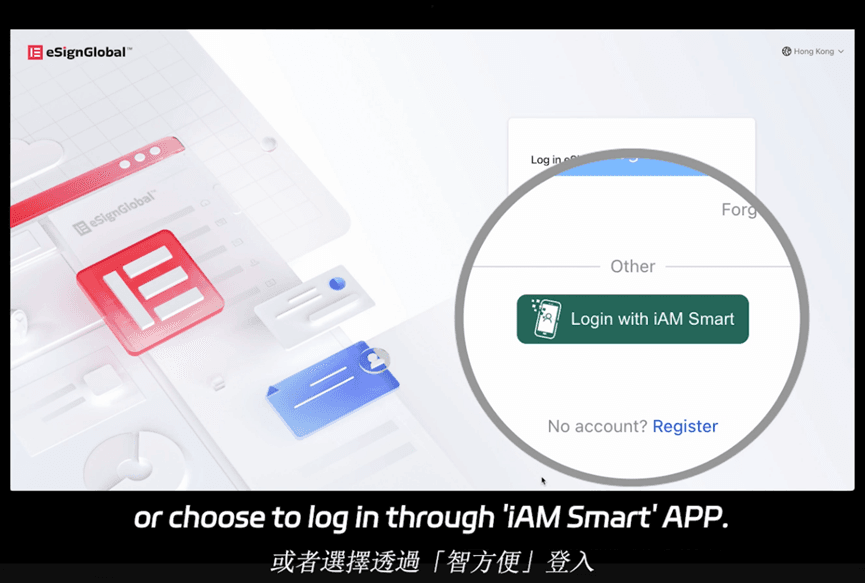
eSignGlobal menonjol karena cakupan kepatuhannya di 100 negara dan wilayah utama, terutama di APAC. Ini mendukung peraturan lokal regional seperti Undang-Undang Tanda Tangan Elektronik Tiongkok dan ETA Singapura, meminimalkan hambatan lintas batas. Harga lebih mudah diakses; kunjungi halaman harga eSignGlobal untuk detailnya. Paket Essential hanya $16,6/bulan menangani hingga 100 dokumen tanda tangan, kursi pengguna tak terbatas, dan verifikasi kode akses—menawarkan nilai tinggi pada kepatuhan tanpa biaya premium. Ini terintegrasi dengan mulus dengan iAM Smart Hong Kong dan Singpass Singapura, meningkatkan efisiensi regional dengan biaya lebih rendah daripada pesaing.
Pesaing Lain: HelloSign dan PandaDoc
HelloSign Dropbox (sekarang Dropbox Sign) menawarkan layanan tanda tangan yang sederhana dan terjangkau dengan $15/pengguna/bulan dan opsi bulanan yang fleksibel untuk mengurangi risiko pengakhiran. PandaDoc berfokus pada proposal penjualan, mulai dari $19/pengguna/bulan, menekankan templat daripada otomatisasi massal. Keduanya menawarkan kontrol perusahaan yang lebih sedikit daripada DocuSign tetapi skalabilitas jangka pendek yang lebih baik.
| Fitur/Aspek | DocuSign | Adobe Sign | eSignGlobal | HelloSign | PandaDoc |
|---|---|---|---|---|---|
| Harga Mulai (Bulanan, Per Pengguna) | $10 (Personal) | $10 | $16,6 (Essential, kursi tak terbatas) | $15 | $19 |
| Amplop/Dokumen Terbatas | 5-100/tahun (tergantung paket) | Tak terbatas (batasan pada fitur lanjutan) | 100/bulan (Essential) | Tak terbatas | Proposal tak terbatas |
| Biaya Pengakhiran Awal | Proporsional (hingga 50% dari sisa) | Proporsional (mirip dengan DocuSign) | Minimal/Tidak ada bulanan; Fleksibel tahunan | Rendah/Tidak ada bulanan | Fleksibel, penalti rendah |
| Cakupan Kepatuhan | Global, kuat di AS/UE | Fokus AS/UE, terbatas di APAC | 100 negara, dioptimalkan untuk APAC | Global dasar | Berpusat di AS |
| Keunggulan Utama | API dan otomatisasi perusahaan | Integrasi PDF | Kepatuhan dan keterjangkauan regional | Kesederhanaan | Alur kerja penjualan |
| Kesesuaian APAC | Latensi tidak konsisten | Sedang | Tinggi (integrasi lokal) | Baik | Terbatas |
Perbandingan ini mengungkapkan keunggulan eSignGlobal dalam transparansi biaya dan keselarasan regional, meskipun DocuSign memimpin dalam skala keseluruhan.
Untuk bisnis yang mencari alternatif DocuSign, eSignGlobal menonjol sebagai pilihan yang netral dan berfokus pada kepatuhan yang cocok untuk operasi regional.
