
'%3e%3cpath%20fill-rule='evenodd'%20clip-rule='evenodd'%20d='M6.99935%2012.8327C10.221%2012.8327%2012.8327%2010.221%2012.8327%206.99935C12.8327%203.77769%2010.221%201.16602%206.99935%201.16602C3.77769%201.16602%201.16602%203.77769%201.16602%206.99935C1.16602%2010.221%203.77769%2012.8327%206.99935%2012.8327Z'%20stroke='%23666666'%20stroke-linecap='round'%20stroke-linejoin='round'/%3e%3cpath%20d='M1.16602%207H12.8327'%20stroke='%23666666'%20stroke-linecap='round'%20stroke-linejoin='round'/%3e%3cpath%20fill-rule='evenodd'%20clip-rule='evenodd'%20d='M6.99935%2012.8327C8.28802%2012.8327%209.33268%2010.221%209.33268%206.99935C9.33268%203.77769%208.28802%201.16602%206.99935%201.16602C5.71068%201.16602%204.66602%203.77769%204.66602%206.99935C4.66602%2010.221%205.71068%2012.8327%206.99935%2012.8327Z'%20stroke='%23666666'%20stroke-linecap='round'%20stroke-linejoin='round'/%3e%3cpath%20d='M2.875%202.95898C3.93063%204.01461%205.38896%204.66754%206.99978%204.66754C8.61062%204.66754%2010.069%204.01461%2011.1246%202.95898'%20stroke='%23666666'%20stroke-linecap='round'%20stroke-linejoin='round'/%3e%3cpath%20d='M11.1246%2011.0425C10.069%209.98691%208.61062%209.33398%206.99978%209.33398C5.38896%209.33398%203.93063%209.98691%202.875%2011.0425'%20stroke='%23666666'%20stroke-linecap='round'%20stroke-linejoin='round'/%3e%3c/g%3e%3cdefs%3e%3cclipPath%20id='clip0_1267_9109'%3e%3crect%20width='14'%20height='14'%20fill='white'/%3e%3c/clipPath%3e%3c/defs%3e%3c/svg%3e)


compare zoho sign and docusign price


Navigating Electronic Signature Solutions: A Business Perspective on Pricing
In the rapidly evolving digital workflow landscape, electronic signature platforms have become essential for businesses streamlining contracts, approvals, and compliance processes. As organizations weigh cost-effectiveness against functionality, comparing options like Zoho Sign and DocuSign reveals key insights into how pricing aligns with business needs. This analysis draws from official sources and market observations to provide a neutral overview, focusing first on these two popular tools before expanding to the broader competitive field.

Comparing Zoho Sign and DocuSign Pricing
When evaluating Zoho Sign and DocuSign, pricing structures reflect their target audiences: Zoho Sign caters to small-to-medium businesses (SMBs) seeking affordable, integrated solutions within the Zoho ecosystem, while DocuSign targets enterprises with robust, scalable features. Both offer tiered plans billed annually for better value, but differences in envelope limits, user seats, and add-ons can significantly impact total costs. Below, we break down their pricing models based on 2025 data from official documentation, emphasizing how these choices affect operational budgets.
Zoho Sign Pricing Breakdown
Zoho Sign positions itself as a cost-effective entry into electronic signatures, integrating seamlessly with Zoho's suite of CRM, email, and productivity tools. Its plans are user-based and emphasize simplicity for teams already in the Zoho ecosystem.
-
Free Plan: $0/month. Limited to 5 envelopes per month, 1 user, and basic signing features. Ideal for solopreneurs or testing, but lacks advanced collaboration or templates.
-
Standard Plan: $10/user/month (billed annually at $120/user/year). Supports up to 100 envelopes/user/year, unlimited templates, and team sharing. Includes reminders, audit trails, and integrations with Zoho apps like CRM and Docs. Suitable for small teams handling routine contracts without complex workflows.
-
Professional Plan: $14/user/month (billed annually at $168/user/year). Builds on Standard with unlimited envelopes, custom branding, bulk sending, and API access. Adds payment collection and advanced fields like conditional logic, making it viable for sales or HR teams scaling operations.
-
Enterprise Plan: $20/user/month (billed annually at $240/user/year). Offers unlimited everything, including SSO, advanced reporting, and priority support. Geared toward larger organizations needing compliance tools like eIDAS or HIPAA alignment.
Add-ons, such as SMS delivery or identity verification, are usage-based (e.g., $0.10–$0.50 per SMS), keeping costs low for light users. Zoho's strength lies in bundling: if your business uses other Zoho products, total ownership costs drop through ecosystem discounts. However, envelope overages can add $1–$2 per extra document, potentially inflating bills for high-volume users.
From a business observation standpoint, Zoho Sign's pricing appeals to budget-conscious SMBs, with an average annual cost per user around $120–$240. It's particularly attractive for startups avoiding vendor lock-in, as the free tier lowers entry barriers. Yet, for global enterprises, its compliance depth may require supplements, nudging costs upward.
DocuSign Pricing Breakdown
DocuSign, a market leader since 2004, commands premium pricing for its comprehensive feature set, including enterprise-grade security and integrations with over 1,000 apps. Plans are seat-based, with envelope quotas that emphasize usage efficiency.
-
Personal Plan: $10/month (billed annually at $120/year). For 1 user, limited to 5 envelopes/month. Basic signing, templates, and mobile access, but no team features—best for individuals.
-
Standard Plan: $25/user/month (billed annually at $300/user/year). Up to 100 envelopes/user/year, team collaboration, comments, reminders, and templates. Targets small teams for everyday workflows like sales agreements.
-
Business Pro Plan: $40/user/month (billed annually at $480/user/year). Includes Standard features plus web forms, conditional logic, signer attachments, payment collection, and bulk send. Envelope limit remains ~100/user/year, with automation capped at ~10/month/user.
-
Enhanced/Enterprise Plans: Custom pricing, starting around $60+/user/month. Adds SSO, advanced audits, governance, and unlimited scalability. Tailored for large organizations with high compliance needs.
Add-ons like Identity Verification (IDV) are metered (e.g., $0.50–$2 per verification for biometrics or SMS), and API plans range from $600/year (Starter, 40 envelopes/month) to custom Enterprise tiers. Automation sends (bulk, webforms) are limited even in higher plans, often at ~100/year/user, with overages billed separately.
Business-wise, DocuSign's model suits enterprises where reliability justifies the premium—average costs hit $300–$480/user/year for core plans, plus 20–50% more for add-ons. It's a safe bet for regulated industries, but SMBs may find the envelope caps and API fees restrictive, leading to higher effective costs for scaling.
Key Pricing Differences and Business Implications
Directly comparing Zoho Sign and DocuSign highlights trade-offs in affordability versus depth. Zoho's entry-level paid plan ($10/user/month) undercuts DocuSign's Standard ($25/user/month) by 60%, with more generous envelope limits (unlimited in Professional vs. DocuSign's 100/year). For a 10-user team, Zoho Standard totals $1,200/year versus DocuSign's $3,000— a $1,800 savings that could fund other tools.
However, DocuSign edges out in advanced features: its Business Pro includes native payment integration and bulk send without extra fees, while Zoho Professional requires API tweaks for similar functionality. Add-on costs are comparable (both ~$0.10–$1 per SMS/IDV), but DocuSign's enterprise customizations often balloon budgets for global compliance, especially in APAC where data residency adds surcharges.
From a commercial lens, Zoho Sign wins for cost-sensitive SMBs integrating with affordable ecosystems, potentially reducing total spend by 30–50% over DocuSign. DocuSign, though pricier, offers better ROI for high-stakes environments via superior uptime and support. Businesses should audit envelope volume: low-use teams favor Zoho; high-automation ones lean DocuSign to avoid overage pitfalls. Ultimately, neither is "cheaper" outright—it's about aligning price with workflow scale.
Broader Competitive Landscape
Beyond Zoho and DocuSign, the e-signature market includes heavyweights like Adobe Sign and regional players like eSignGlobal, alongside others such as HelloSign (Dropbox) and PandaDoc. This section overviews key competitors, focusing on pricing and value for diverse business needs.
Adobe Sign Pricing and Features
Adobe Sign integrates deeply with Adobe's Document Cloud, appealing to creative and legal teams. Pricing starts at $10/user/month (Individual, 10 envelopes/month), escalating to $23/user/month (Standard, unlimited envelopes) and $40/user/month (Enterprise, custom). Add-ons like SMS authentication add $0.50–$1 per use. It's strong in PDF workflows but can feel bloated for simple signing, with annual costs mirroring DocuSign's premium tiers.

DocuSign in the Mix
As detailed earlier, DocuSign's structured tiers from $10–$40+/user/month emphasize enterprise scalability, with API add-ons from $600/year. Its global reach is unmatched, but APAC latency and compliance extras can inflate costs by 20–30%.

eSignGlobal: A Regional Contender
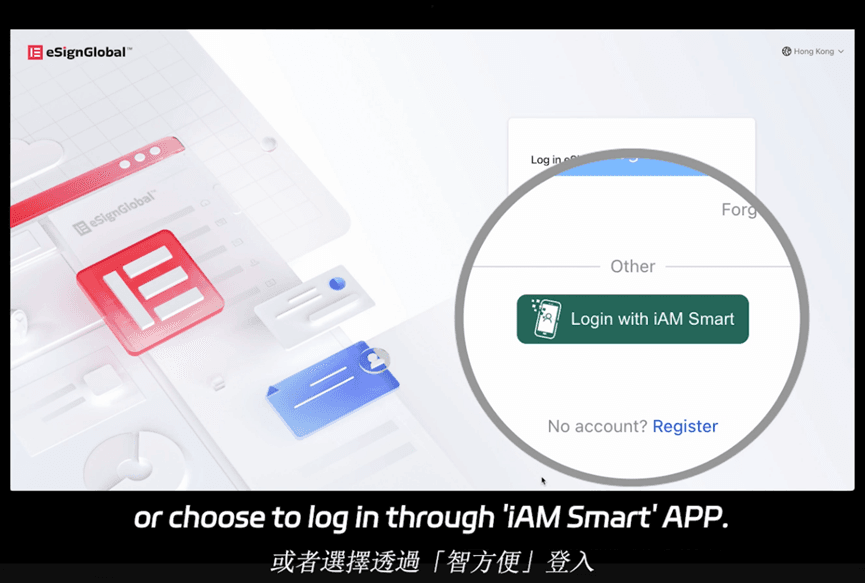
eSignGlobal emerges as a compliant alternative, supporting electronic signatures in over 100 mainstream countries and regions worldwide. It holds a particular edge in the Asia-Pacific (APAC), where it optimizes for local regulations, cross-border efficiency, and data residency—addressing pain points like latency that plague global giants. Pricing is transparent and competitive; for instance, the Essential plan costs just $16.6/month (billed annually), allowing up to 100 documents for electronic signature, unlimited user seats, and verification via access codes. This delivers high value on compliance grounds, with seamless integrations to Hong Kong's iAM Smart and Singapore's Singpass for enhanced identity assurance. For full details, explore their pricing page. Businesses in APAC often cite its lower total cost—up to 40% below DocuSign equivalents—without sacrificing core features like bulk send or audit trails.
Other Notable Competitors
HelloSign (now Dropbox Sign) offers $15/user/month for Essentials (unlimited envelopes) and $25 for Business, focusing on ease for SMBs. PandaDoc combines signing with proposals at $19/user/month (Essentials), but extras like templates add fees. These provide niche value but may lack DocuSign's breadth.
Competitive Pricing Comparison Table
| Platform | Entry Price (Annual/User) | Envelope Limit (Base) | Key Strengths | APAC Compliance | Notes |
|---|---|---|---|---|---|
| DocuSign | $120 (Personal) | 5–100/year | Enterprise security, API depth | Moderate (extras needed) | Premium for globals; caps on automation. |
| Adobe Sign | $120 (Individual) | 10–Unlimited | PDF integration, branding | Good, but US-centric | Bundles well with Acrobat. |
| Zoho Sign | $0 (Free)–$120 (Standard) | 5–Unlimited | Ecosystem affordability | Basic | Best for Zoho users. |
| eSignGlobal | $200 (Essential equiv.) | 100/month | Regional optimization, unlimited seats | Excellent (100+ countries) | Cost-effective for APAC; strong integrations like iAM Smart. |
| HelloSign | $180 (Essentials) | Unlimited | Simple UI, Dropbox sync | Fair | SMB-focused, no heavy compliance. |
| PandaDoc | $228 (Essentials) | Unlimited | Proposal + signing | Limited | Template-heavy; higher for teams. |
This table underscores eSignGlobal's balanced appeal for compliance-driven markets, though choices depend on specific needs.
Final Thoughts on Alternatives
In selecting an e-signature provider, balance pricing with compliance and scalability. For businesses seeking DocuSign alternatives emphasizing regional compliance, eSignGlobal stands out as a neutral, efficient option in APAC and beyond.
FAQs
