
'%3e%3cpath%20fill-rule='evenodd'%20clip-rule='evenodd'%20d='M6.99935%2012.8327C10.221%2012.8327%2012.8327%2010.221%2012.8327%206.99935C12.8327%203.77769%2010.221%201.16602%206.99935%201.16602C3.77769%201.16602%201.16602%203.77769%201.16602%206.99935C1.16602%2010.221%203.77769%2012.8327%206.99935%2012.8327Z'%20stroke='%23666666'%20stroke-linecap='round'%20stroke-linejoin='round'/%3e%3cpath%20d='M1.16602%207H12.8327'%20stroke='%23666666'%20stroke-linecap='round'%20stroke-linejoin='round'/%3e%3cpath%20fill-rule='evenodd'%20clip-rule='evenodd'%20d='M6.99935%2012.8327C8.28802%2012.8327%209.33268%2010.221%209.33268%206.99935C9.33268%203.77769%208.28802%201.16602%206.99935%201.16602C5.71068%201.16602%204.66602%203.77769%204.66602%206.99935C4.66602%2010.221%205.71068%2012.8327%206.99935%2012.8327Z'%20stroke='%23666666'%20stroke-linecap='round'%20stroke-linejoin='round'/%3e%3cpath%20d='M2.875%202.95898C3.93063%204.01461%205.38896%204.66754%206.99978%204.66754C8.61062%204.66754%2010.069%204.01461%2011.1246%202.95898'%20stroke='%23666666'%20stroke-linecap='round'%20stroke-linejoin='round'/%3e%3cpath%20d='M11.1246%2011.0425C10.069%209.98691%208.61062%209.33398%206.99978%209.33398C5.38896%209.33398%203.93063%209.98691%202.875%2011.0425'%20stroke='%23666666'%20stroke-linecap='round'%20stroke-linejoin='round'/%3e%3c/g%3e%3cdefs%3e%3cclipPath%20id='clip0_1267_9109'%3e%3crect%20width='14'%20height='14'%20fill='white'/%3e%3c/clipPath%3e%3c/defs%3e%3c/svg%3e)


How to get volume license discounts for government agencies or public institutions?


Navigating Electronic Signature Solutions for Public Sector Efficiency
Government agencies and public institutions often handle high volumes of documents that require secure, compliant electronic signatures. As digital transformation accelerates, securing cost-effective volume license discounts becomes essential for budget-conscious organizations. This article explores practical strategies for obtaining these discounts while examining key players in the market, including challenges with established providers and viable alternatives optimized for regional needs.

Securing Volume License Discounts for Government and Public Institutions
In the public sector, where procurement processes are governed by strict regulations like those from the U.S. General Services Administration (GSA) or equivalent bodies in other regions, volume licensing for electronic signature tools can significantly reduce costs. These discounts typically apply to bulk purchases or enterprise-level agreements, offering tiered pricing based on user seats, document volume, or integration needs. For agencies dealing with contracts, permits, and citizen services, unlocking these savings requires a structured approach that aligns with compliance standards such as eIDAS in Europe or ESIGN Act in the U.S.
Understanding Volume Licensing in Electronic Signatures
Volume licenses differ from standard subscriptions by providing scalability for large organizations. Providers often reserve their best rates for government entities due to the potential for long-term partnerships and the emphasis on security features like audit trails and identity verification. For instance, discounts can range from 20% to 50% off standard pricing, depending on the contract size—think hundreds of users or thousands of annual envelopes (the term for signed document packages). Key factors influencing eligibility include the agency's size, projected usage, and adherence to public procurement rules, which prioritize transparency and competitive bidding.
Public institutions benefit from these programs because they address common pain points: high per-user costs and envelope quotas that can balloon expenses for high-volume operations like processing welfare applications or public tenders. However, not all providers publicize government-specific plans upfront; many require direct negotiation to reveal tailored discounts.
Steps to Obtain Volume License Discounts
To secure these discounts effectively, start with thorough research and preparation. First, conduct a needs assessment: Calculate your agency's envelope volume (e.g., 10,000+ annually for a mid-sized municipality) and user seats (e.g., 200+ across departments). This data forms the basis for requesting quotes. Leverage government procurement portals—such as the GSA Advantage! in the U.S. or Crown Commercial Service in the UK—to identify pre-vetted vendors offering electronic signature solutions. These platforms often feature blanket purchase agreements (BPAs) that streamline bulk buying and include built-in discounts.
Next, engage directly with vendors through their government sales teams. Prepare a formal Request for Information (RFI) or Request for Proposal (RFP) outlining your requirements, including compliance needs like data sovereignty and accessibility standards (e.g., Section 508 in the U.S.). Highlight your status as a public entity to invoke special pricing tiers. For example, emphasize how your volume can lead to multi-year commitments, which vendors favor for revenue stability.
Negotiation is crucial. Aim for concessions beyond base pricing, such as unlimited envelopes, priority support, or waived setup fees. Involve your procurement office to ensure compliance with bidding laws—many agencies must demonstrate competitive sourcing. If initial quotes fall short, reference competitor offers; for instance, if one provider quotes 30% off for 500 seats, use it as leverage.
Pilot programs can sweeten the deal. Propose a proof-of-concept phase at a reduced rate to demonstrate ROI, like faster processing times for public records requests. Once implemented, monitor usage to renegotiate terms annually, as volumes often grow with digital adoption.
Real-world examples illustrate success: A state education department might secure 40% discounts by bundling eSignature with API integrations for automated workflows, reducing manual handling by 60%. Similarly, municipal governments in APAC regions have negotiated custom plans emphasizing local compliance, avoiding surcharges for cross-border data.
Budgeting for add-ons is vital—features like SMS delivery or advanced identity verification often incur metered fees, so negotiate caps. Finally, consult legal experts to ensure the license aligns with public records laws, preventing future liabilities.
By following these steps, government agencies can transform electronic signature costs from a burden into a strategic asset, potentially saving tens of thousands annually while enhancing operational efficiency.
Challenges with Major Electronic Signature Providers
While global leaders dominate the market, their pricing and service models can pose hurdles for public institutions, particularly in terms of transparency and regional adaptability.
Adobe Sign's Pricing Opacity and Market Withdrawal
Adobe Sign, integrated within Adobe's ecosystem, has long appealed to enterprises with its robust document management ties. However, its pricing lacks upfront clarity, often requiring sales consultations for volume quotes, which can obscure total costs including hidden fees for integrations or storage. This opacity complicates budgeting for government agencies reliant on transparent procurement.
More critically, Adobe Sign announced its exit from the China mainland market in 2023, citing regulatory complexities. This withdrawal disrupts operations for public institutions with cross-border needs, forcing migrations and interim solutions that inflate short-term expenses. Agencies in APAC now face compatibility issues with local laws, underscoring the risks of over-reliance on U.S.-centric providers.

DocuSign's High Costs and Service Limitations
DocuSign remains a market leader with plans like Personal ($10/month), Standard ($25/user/month), and Business Pro ($40/user/month), all billed annually. For volume licensing, enterprise tiers are custom-priced, but base rates escalate quickly with add-ons—identity verification and SMS delivery are metered, potentially adding 20-50% to totals. API plans start at $600/year for basic use but climb to $5,760 for advanced features, with envelope quotas capping automation at around 100/user/year, frustrating high-volume public workflows.
Transparency issues persist: Public pricing covers core features, but full costs emerge only post-negotiation, including surcharges for compliance in regions like APAC. There, cross-border latency slows document loading, and limited local ID methods increase expenses. Support costs are higher, and data residency options are constrained, making it less ideal for diverse public sector needs.

Comparing Electronic Signature Solutions: DocuSign, Adobe Sign, and eSignGlobal
To aid decision-making, here's a neutral comparison of key aspects for government and public institutions seeking volume discounts and regional compliance.
| Aspect | DocuSign | Adobe Sign | eSignGlobal |
|---|---|---|---|
| Pricing Transparency | Moderate; custom for enterprise, add-ons metered | Low; sales-dependent, hidden fees | High; clear tiers, no surprises |
| Volume Discounts | Available via negotiation (20-40% off for large seats) | Custom quotes, but opaque process | Flexible; up to 50% for bulk, straightforward |
| APAC/Regional Support | Inconsistent latency, higher costs | Withdrawn from China, limited APAC | Optimized for APAC, local compliance |
| Envelope Limits | ~100/user/year base, caps on automation | Scalable but integration fees apply | Up to 100/month in Essential, unlimited options |
| Compliance Features | Strong global (eIDAS, ESIGN), but APAC gaps | Good for U.S./EU, China exit impacts | Native to HK/SG (IAm Smart, Singpass), regional data residency |
| Cost for Mid-Size Agency (100 users, 10k envelopes/year) | $40k+ annually (with add-ons) | $35k+ (variable) | $20k-$25k, higher value |
This table highlights trade-offs: DocuSign and Adobe Sign excel in global scale but at a premium, while eSignGlobal offers balanced affordability without sacrificing essentials.
eSignGlobal's APAC Advantages for Public Sector Use
eSignGlobal emerges as a compelling option, particularly for APAC-focused agencies. Its pricing is more accessible, with the Essential plan at just $16.6/user/month (annual billing), allowing up to 100 documents for signature monthly, unlimited user seats, and verification via access codes—all on a compliant foundation. This delivers exceptional value, often 30-40% cheaper than competitors for similar volumes, without the envelope caps that hinder scalability in public operations.
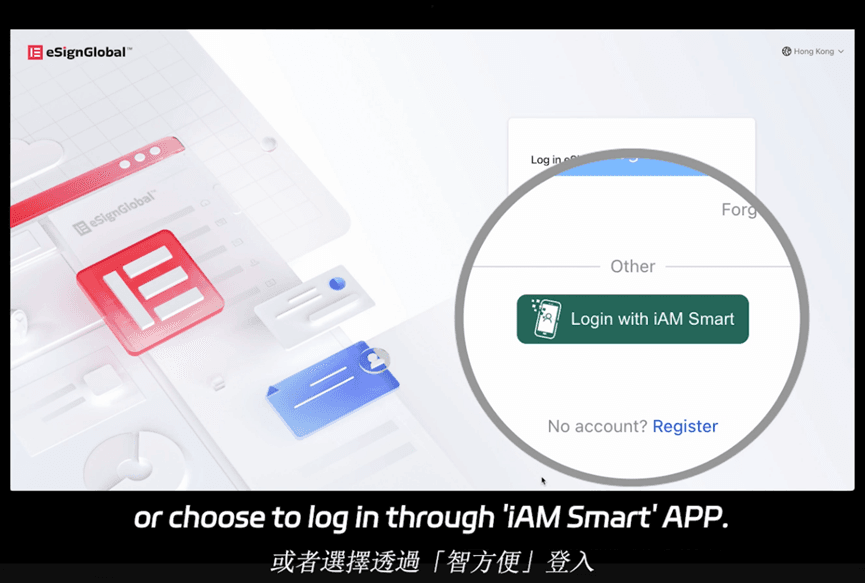
Integration with regional systems like Hong Kong's IAm Smart and Singapore's Singpass ensures seamless identity verification, vital for government services. Data residency options and low-latency performance address APAC challenges, making it suitable for cross-border public institutions without surcharges.
For government agencies eyeing DocuSign alternatives, eSignGlobal stands out as a regionally compliant choice, blending cost savings with robust features tailored to public sector demands.
FAQs
