
'%3e%3cpath%20fill-rule='evenodd'%20clip-rule='evenodd'%20d='M6.99935%2012.8327C10.221%2012.8327%2012.8327%2010.221%2012.8327%206.99935C12.8327%203.77769%2010.221%201.16602%206.99935%201.16602C3.77769%201.16602%201.16602%203.77769%201.16602%206.99935C1.16602%2010.221%203.77769%2012.8327%206.99935%2012.8327Z'%20stroke='%23666666'%20stroke-linecap='round'%20stroke-linejoin='round'/%3e%3cpath%20d='M1.16602%207H12.8327'%20stroke='%23666666'%20stroke-linecap='round'%20stroke-linejoin='round'/%3e%3cpath%20fill-rule='evenodd'%20clip-rule='evenodd'%20d='M6.99935%2012.8327C8.28802%2012.8327%209.33268%2010.221%209.33268%206.99935C9.33268%203.77769%208.28802%201.16602%206.99935%201.16602C5.71068%201.16602%204.66602%203.77769%204.66602%206.99935C4.66602%2010.221%205.71068%2012.8327%206.99935%2012.8327Z'%20stroke='%23666666'%20stroke-linecap='round'%20stroke-linejoin='round'/%3e%3cpath%20d='M2.875%202.95898C3.93063%204.01461%205.38896%204.66754%206.99978%204.66754C8.61062%204.66754%2010.069%204.01461%2011.1246%202.95898'%20stroke='%23666666'%20stroke-linecap='round'%20stroke-linejoin='round'/%3e%3cpath%20d='M11.1246%2011.0425C10.069%209.98691%208.61062%209.33398%206.99978%209.33398C5.38896%209.33398%203.93063%209.98691%202.875%2011.0425'%20stroke='%23666666'%20stroke-linecap='round'%20stroke-linejoin='round'/%3e%3c/g%3e%3cdefs%3e%3cclipPath%20id='clip0_1267_9109'%3e%3crect%20width='14'%20height='14'%20fill='white'/%3e%3c/clipPath%3e%3c/defs%3e%3c/svg%3e)


contract analytics for procurement


Understanding Contract Analytics in Procurement
In the fast-paced world of procurement, where supply chains are complex and budgets are scrutinized, contract analytics emerges as a critical tool for optimizing processes and mitigating risks. Procurement teams handle vast volumes of supplier agreements, service contracts, and purchase orders, often buried in manual reviews and disparate data sources. Contract analytics leverages AI, machine learning, and data extraction to dissect these documents, uncovering insights on pricing trends, compliance gaps, renewal dates, and performance metrics. This approach not only streamlines negotiations but also enhances supplier management, potentially reducing costs by 5-15% according to industry benchmarks from Gartner and Deloitte. For businesses, adopting contract analytics means transforming static contracts into dynamic assets that inform strategic decisions.
The Importance of Contract Analytics for Procurement Efficiency
Procurement professionals face mounting pressures: volatile markets, regulatory changes, and the need for sustainable sourcing. Traditional contract management relies on spreadsheets and legal reviews, which are time-consuming and error-prone. Contract analytics addresses these pain points by automating the extraction of key clauses, such as payment terms, SLAs (Service Level Agreements), and termination conditions. For instance, tools can flag unfavorable auto-renewals or identify opportunities for volume discounts across multiple vendor contracts.
In practice, analytics platforms scan PDFs or Word documents to generate dashboards showing contract lifecycle status— from drafting to execution and renewal. This visibility helps procurement teams prioritize high-value negotiations and avoid penalties from overlooked obligations. A McKinsey report highlights that organizations using advanced analytics in procurement see up to 20% faster cycle times. Moreover, in global operations, analytics ensures adherence to international standards like ISO 20400 for sustainable procurement, reducing exposure to disputes.
Integrating Electronic Signatures with Contract Analytics
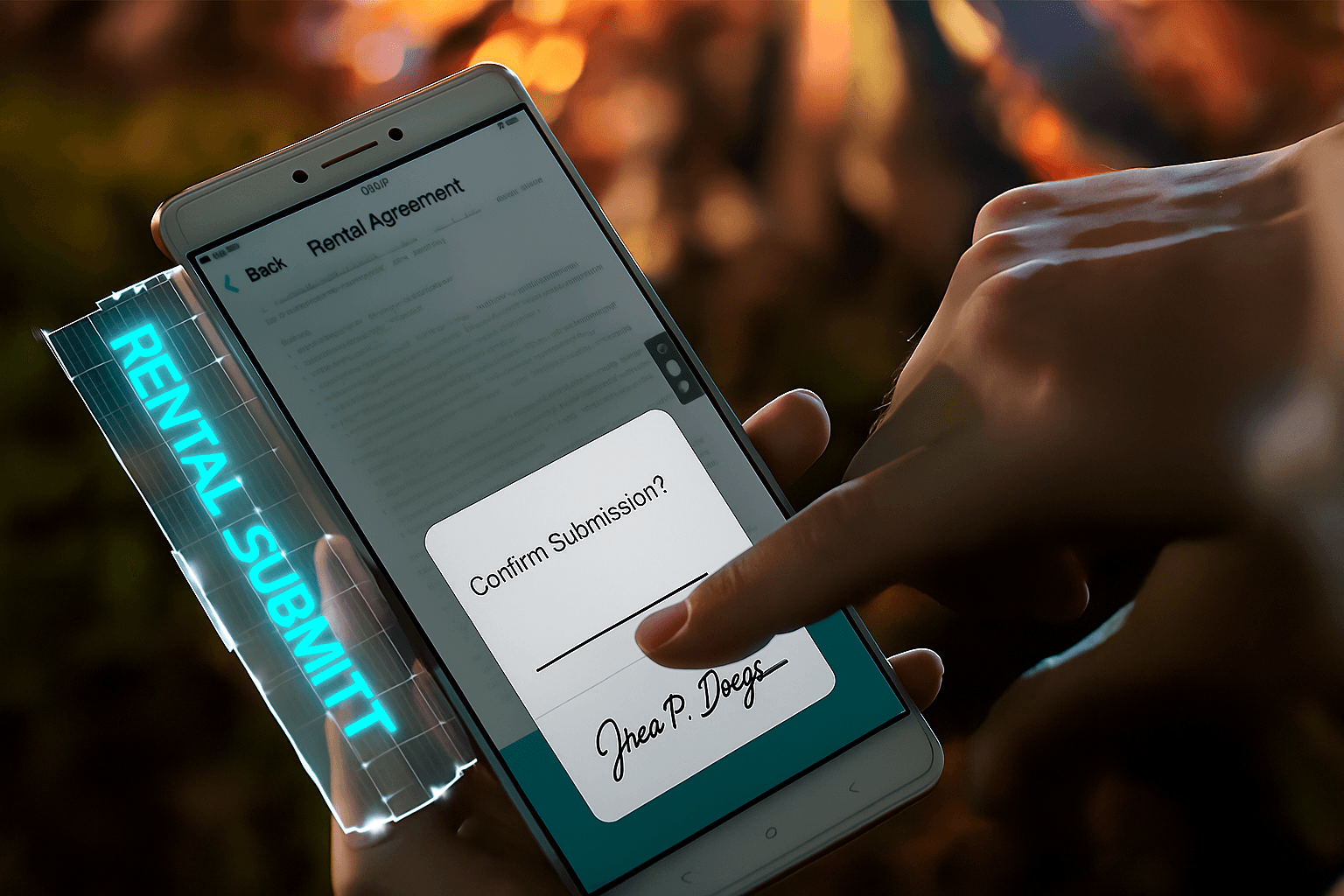
Electronic signatures (eSignatures) play a pivotal role in procurement by accelerating contract execution while feeding data into analytics systems. Once a contract is analyzed for risks—say, identifying ambiguous liability clauses—eSignature tools enable secure, compliant signing. This integration creates a seamless workflow: analytics identifies issues pre-signature, and post-signature data enriches repositories for ongoing monitoring.
For procurement, eSignature solutions must support features like bulk sending for RFPs (Requests for Proposals) and audit trails for compliance. When paired with analytics, they track signature timelines against procurement KPIs, such as time-to-approval. In regions with strict eSignature laws, like the EU's eIDAS regulation or the U.S. ESIGN Act, these tools ensure legal enforceability, making them indispensable for cross-border deals.
Key Challenges and Solutions in Contract Analytics for Procurement
Implementing contract analytics isn't without hurdles. Data silos between procurement software (e.g., SAP Ariba or Coupa) and contract repositories lead to incomplete insights. Solution: Choose platforms with robust API integrations that pull contract data into centralized analytics engines. Another challenge is handling unstructured data in legacy contracts; AI-powered optical character recognition (OCR) and natural language processing (NLP) resolve this by converting scans into searchable text.
Scalability is key for large procurement teams. Analytics should handle thousands of contracts annually, providing predictive insights like supplier risk scores based on historical performance. Cost-wise, while initial setup involves training models on procurement-specific terminology, ROI comes from avoided overruns—procurement leaders report savings of $1-2 million per year in mid-sized firms. To maximize value, start with pilot programs on high-volume categories like IT services or raw materials.
Evaluating eSignature Providers for Procurement Needs
When selecting tools for contract analytics in procurement, eSignature platforms often serve as the backbone, offering embedded analytics or integrations with dedicated tools like Icertis or SirionLabs. Below, we examine leading providers from a neutral, business perspective, focusing on their suitability for procurement workflows.
DocuSign: A Global Standard for Secure Signing
DocuSign stands as a market leader in eSignatures, widely used in procurement for its robust automation and compliance features. Its platform supports contract lifecycle management with analytics on envelope usage, signer behavior, and completion rates—ideal for tracking procurement approval chains. Pricing starts at $10/month for personal use, scaling to $40/user/month for Business Pro, which includes bulk send and conditional fields for dynamic procurement forms. Enterprise plans offer custom analytics for large-scale supplier onboarding, with add-ons for SMS delivery and identity verification. While powerful, its per-seat model can escalate costs for expansive procurement teams.

Adobe Sign: Seamless Integration with Enterprise Ecosystems
Adobe Sign excels in environments already using Adobe's suite, providing strong analytics for document workflows in procurement. It extracts metadata for insights into contract volumes and bottlenecks, integrating natively with Adobe Analytics for deeper procurement reporting. Key features include mobile signing and form-based contracts for vendor registrations. Pricing is tiered, starting around $10/user/month for basic plans, up to enterprise custom quotes emphasizing security like Adobe's encryption standards. It's particularly useful for creative procurement in marketing or design sectors, though API costs can add up for heavy analytics integrations.

eSignGlobal: Regional Focus with Global Reach
eSignGlobal offers a compelling option for procurement teams prioritizing compliance and cost-efficiency, especially in APAC. Compliant in over 100 mainstream countries worldwide, it shines in Asia-Pacific with advantages like lower latency and native integrations. For instance, the Essential plan at $199/year (about $16.6/month) allows sending up to 100 documents for electronic signature, unlimited user seats, and verification via access codes—delivering high value on compliance without per-user fees. This makes it cost-effective for large procurement departments handling supplier contracts. It seamlessly integrates with Hong Kong's iAM Smart and Singapore's Singpass for identity verification, ensuring regional legal validity under laws like Singapore's Electronic Transactions Act. For detailed pricing, visit eSignGlobal's pricing page.

HelloSign (Now Dropbox Sign): User-Friendly for SMB Procurement
HelloSign, rebranded under Dropbox, provides straightforward eSignatures with basic analytics on signing progress, suitable for small-to-medium procurement operations. It supports team templates for recurring supplier agreements and integrates with Dropbox for secure storage. Pricing begins at $15/month for unlimited sending, appealing for budget-conscious teams. While it lacks advanced procurement-specific analytics, its simplicity aids quick adoption in non-complex workflows.
Comparative Analysis of eSignature Providers
To aid procurement decision-makers, here's a neutral comparison of key providers based on pricing, features, and compliance—drawn from public data as of 2025.
| Provider | Pricing (Annual, USD) | Key Procurement Features | Compliance Strengths | Limitations |
|---|---|---|---|---|
| DocuSign | $120–$480/user | Bulk send, analytics dashboards, API integrations | Global (ESIGN, eIDAS, APAC partial) | Per-seat costs; higher API fees |
| Adobe Sign | $120+/user | Form logic, metadata extraction, Adobe ecosystem | Strong in US/EU; enterprise security | Integration depth varies by tool |
| eSignGlobal | $199 (unlimited users) | Unlimited seats, access code verification, regional APIs | 100+ countries; APAC native (iAM Smart, Singpass) | Less emphasis on advanced global analytics |
| HelloSign | $180 (flat) | Templates, progress tracking, Dropbox sync | US-focused (ESIGN); basic international | Limited bulk/automation for scale |
This table underscores trade-offs: global giants like DocuSign offer depth but at a premium, while regional players like eSignGlobal prioritize affordability and localization.
Regional Compliance in Contract Analytics and eSignatures
For procurement involving international suppliers, compliance is non-negotiable. In the U.S., the ESIGN Act and UETA validate eSignatures for most contracts, enabling analytics without legal hurdles. Europe's eIDAS framework mandates qualified electronic signatures (QES) for high-value procurement, ensuring analytics tools respect timestamping and certification. In APAC, Singapore's Electronic Transactions Act mirrors ESIGN but requires local data residency for government-linked procurement, favoring providers with regional nodes. Hong Kong's Electronic Transactions Ordinance similarly supports eSignatures, integrated with tools like iAM Smart for secure vendor verification. Analytics platforms must align with these to avoid voided contracts, emphasizing the need for geo-specific features.
Conclusion
Contract analytics revolutionizes procurement by turning data into actionable intelligence, from risk mitigation to cost optimization. When selecting eSignature tools to support this, evaluate based on your scale, region, and integration needs. For those seeking alternatives to DocuSign with a focus on regional compliance, eSignGlobal stands out as a viable option.
FAQs
