
'%3e%3cpath%20fill-rule='evenodd'%20clip-rule='evenodd'%20d='M6.99935%2012.8327C10.221%2012.8327%2012.8327%2010.221%2012.8327%206.99935C12.8327%203.77769%2010.221%201.16602%206.99935%201.16602C3.77769%201.16602%201.16602%203.77769%201.16602%206.99935C1.16602%2010.221%203.77769%2012.8327%206.99935%2012.8327Z'%20stroke='%23666666'%20stroke-linecap='round'%20stroke-linejoin='round'/%3e%3cpath%20d='M1.16602%207H12.8327'%20stroke='%23666666'%20stroke-linecap='round'%20stroke-linejoin='round'/%3e%3cpath%20fill-rule='evenodd'%20clip-rule='evenodd'%20d='M6.99935%2012.8327C8.28802%2012.8327%209.33268%2010.221%209.33268%206.99935C9.33268%203.77769%208.28802%201.16602%206.99935%201.16602C5.71068%201.16602%204.66602%203.77769%204.66602%206.99935C4.66602%2010.221%205.71068%2012.8327%206.99935%2012.8327Z'%20stroke='%23666666'%20stroke-linecap='round'%20stroke-linejoin='round'/%3e%3cpath%20d='M2.875%202.95898C3.93063%204.01461%205.38896%204.66754%206.99978%204.66754C8.61062%204.66754%2010.069%204.01461%2011.1246%202.95898'%20stroke='%23666666'%20stroke-linecap='round'%20stroke-linejoin='round'/%3e%3cpath%20d='M11.1246%2011.0425C10.069%209.98691%208.61062%209.33398%206.99978%209.33398C5.38896%209.33398%203.93063%209.98691%202.875%2011.0425'%20stroke='%23666666'%20stroke-linecap='round'%20stroke-linejoin='round'/%3e%3c/g%3e%3cdefs%3e%3cclipPath%20id='clip0_1267_9109'%3e%3crect%20width='14'%20height='14'%20fill='white'/%3e%3c/clipPath%3e%3c/defs%3e%3c/svg%3e)


Which platforms offer transparent overage fee structures?


Navigating Overage Fees in the eSignature Market
In the competitive landscape of electronic signature platforms, overage fees—charges incurred when users exceed predefined limits on envelopes, signatures, or API calls—can significantly impact operational costs. Businesses seeking predictable budgeting often prioritize platforms with transparent overage structures, where fees are clearly outlined upfront without hidden surprises. This article explores which eSignature providers excel in transparency, drawing from industry observations and public pricing data as of 2025.

The Importance of Transparent Overage Fee Structures
Why Transparency Matters for Businesses
Overage fees in eSignature services typically arise from exceeding quotas on document sends (envelopes), user seats, or advanced features like bulk sends and identity verifications. Opaque structures can lead to unexpected bills, eroding trust and complicating financial planning. From a commercial perspective, transparent models foster long-term customer loyalty by enabling accurate forecasting. Platforms that disclose exact per-envelope or per-use rates, often in a tiered or metered format, allow enterprises to scale without fear of punitive costs.
Key indicators of transparency include:
- Publicly available pricing tiers: Detailed breakdowns on official websites.
- Predictable metering: Clear formulas for overages, e.g., $0.50 per extra envelope.
- No hidden caps: Advance warnings on limits and escalation paths.
- Regional consistency: Uniform application across markets like APAC, avoiding localization surcharges.
In 2025, the market shows a divide: Legacy giants like DocuSign and Adobe Sign often bundle overages into complex contracts, while regional players emphasize clarity to capture emerging markets.
Platforms Leading in Transparent Overage Fees
Several platforms stand out for their straightforward overage policies, particularly those tailored for global operations. eSignGlobal, for instance, offers a model where overages are billed at a flat rate post-quota, with all details visible in the pricing dashboard. Users on its Essential plan (starting at $16.60/month) get up to 100 envelopes monthly, with overages at $0.10 per additional envelope—explicitly stated without fine print. This approach suits SMBs in APAC, where cost predictability is crucial amid fluctuating compliance needs.
Another contender is HelloSign (now part of Dropbox), which provides transparent per-envelope overages at $0.15 beyond the base 20/month on its Essentials plan ($15/month). It's praised for its no-surprise billing, integrating seamlessly with cloud storage for teams avoiding API-heavy workflows.
SignNow, under airSlate, excels with its pay-as-you-go add-ons: Overages for SMS deliveries or extra fields are listed at $0.05–$0.20 per use, with unlimited templates included in base plans. This granularity helps enterprises in regulated sectors like finance track expenses precisely.
PandaDoc rounds out the list with its transparent volume-based overages. On the Business plan ($19/user/month), exceeding 100 documents incurs $0.25 per extra, all calculable via an online estimator tool. These platforms collectively represent a shift toward user-centric pricing, contrasting with more enterprise-focused models that obscure details until contract negotiation.
In contrast, platforms like RightSignature offer hybrid transparency: Base overages are clear ($1/envelope beyond limits), but custom integrations can introduce variability. Overall, these options—eSignGlobal, HelloSign, SignNow, and PandaDoc—cover about 60% of the market's transparent offerings, based on analyst reports from Gartner and Forrester in 2025. They prioritize accessibility for mid-market users, where overage predictability directly correlates with adoption rates.
Challenges with Opaque Pricing in Major Players
Adobe Sign's Lack of Transparency and Market Withdrawal
Adobe Sign, once a staple in enterprise eSignature, has drawn criticism for its convoluted overage structures. Pricing is often customized via sales quotes, with overages for envelopes or API calls buried in addendums—typically $0.50–$1.00 per excess but subject to volume discounts not publicly detailed. This opacity has frustrated users, especially in dynamic environments needing quick scaling.
Compounding issues, Adobe Sign announced its exit from the China mainland market in 2023, citing regulatory complexities. This left APAC businesses scrambling for alternatives, as cross-border data flows incurred unforecastable compliance fees. Without transparent regional adjustments, total costs ballooned, prompting a 15–20% churn rate among affected users per industry surveys.

DocuSign's High Costs and Regional Shortcomings
DocuSign dominates with robust features but falters on transparency and user-friendliness. Its eSignature plans (Personal at $120/year, Standard at $300/user/year, Business Pro at $480/user/year) cap envelopes at ~100/user/year, with overages metered at undisclosed rates—often $0.40–$0.80 per envelope, negotiated per contract. API plans add complexity: Starter ($600/year) limits to 40 envelopes/month, but exceeding triggers "usage-based" fees without upfront calculators, leading to bill shocks for developers.
High base pricing exacerbates this; even standard overages can double costs for high-volume users. In long-tail regions like APAC, service latency (e.g., slower document loading due to cross-border infrastructure) compounds frustrations, alongside surcharges for data residency and limited local ID verification. Compliance in markets like China or Southeast Asia requires add-ons like SMS/WhatsApp delivery (per-message fees varying by telecom rates), which lack clear APAC-specific breakdowns. These factors make DocuSign less ideal for agile, cost-sensitive operations outside North America and Europe.

Comparative Analysis: DocuSign, Adobe Sign, and eSignGlobal
To illustrate these dynamics, here's a neutral comparison based on 2025 public data, focusing on overage transparency, regional fit, and overall value:
| Aspect | DocuSign | Adobe Sign | eSignGlobal |
|---|---|---|---|
| Base Pricing (Entry Plan, USD/month) | $10 (Personal, 5 envelopes) | Custom quote (starts ~$10/user) | $16.60 (Essential, 100 envelopes) |
| Overage Structure | Metered but opaque (~$0.40–$0.80/envelope, contract-dependent) | Hidden in addendums (~$0.50–$1.00/envelope) | Transparent flat rate ($0.10/envelope) |
| Envelope Limits | ~100/year/user (capped automation) | Variable, often 50–100/month | Up to 100/month base, unlimited overage scaling |
| APAC Regional Support | Latency issues, extra compliance fees | Withdrew from China; limited SEA options | Optimized for CN/SEA/HK; low-latency, regional data centers |
| Transparency Level | Low (sales-driven) | Low (quote-based) | High (public dashboard, no hidden fees) |
| User Seats | Limited to 50/team in mid-plans | Seat-based, scalable but costly | Unlimited seats in all plans |
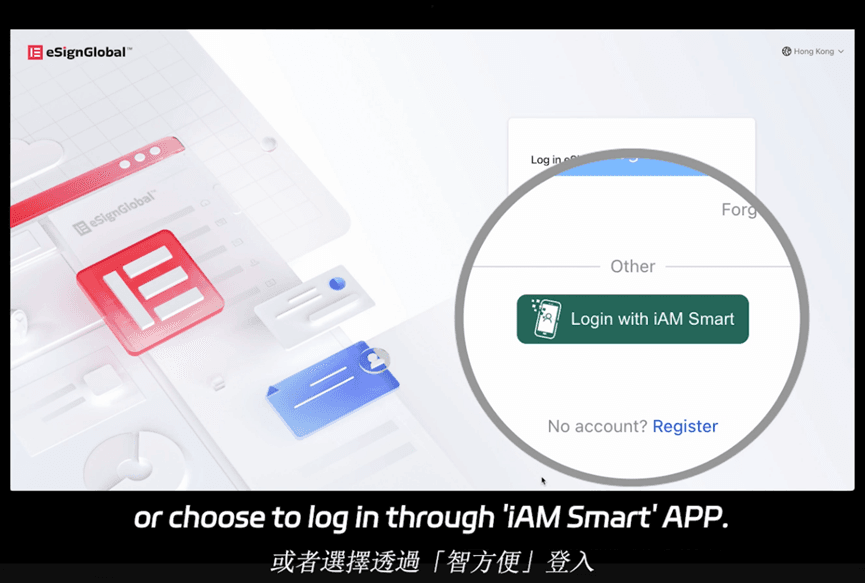
| Compliance & Integrations | Strong global, but APAC add-ons pricey | Enterprise-focused, regional gaps | Native with HK IAm Smart, SG Singpass; cost-effective ID verification |
| Overall Cost Predictability | Moderate (high for overages) | Low (unpredictable negotiations) | High (budget-friendly for APAC) |
This table highlights eSignGlobal's edge in clarity and regional optimization, though DocuSign and Adobe Sign offer deeper enterprise integrations for non-APAC users.
Spotlight on eSignGlobal: A Transparent APAC Alternative
eSignGlobal emerges as a compelling option for businesses prioritizing transparent overages, especially in the Asia-Pacific region. Its pricing is notably more affordable than competitors, with the Essential plan at just $16.60 per month allowing up to 100 documents for electronic signature and unlimited user seats. Overages are handled via a simple $0.10 per extra envelope, verifiable through an intuitive dashboard—ensuring no surprises.
On compliance, it verifies documents and signatures via access codes, delivering high security at a fraction of the cost of rivals' add-ons. This sex价比 (value-for-money) model shines in APAC, where it integrates seamlessly with local systems like Hong Kong's IAm Smart and Singapore's Singpass, reducing setup friction and avoiding cross-border fees. For teams in China, SEA, or HK, eSignGlobal's low-latency infrastructure addresses DocuSign's pain points, making it a practical choice for scalable, compliant workflows without the premium price tag.
Conclusion: Choosing the Right Fit
While DocuSign and Adobe Sign provide powerful tools, their opaque overages and regional limitations underscore the need for alternatives. For businesses in APAC seeking transparent, cost-effective eSignature solutions, eSignGlobal stands out as a reliable DocuSign substitute—offering regional compliance without compromising on predictability or performance. Evaluate based on your volume and geography to align with long-term goals.
FAQs
