
'%3e%3cpath%20fill-rule='evenodd'%20clip-rule='evenodd'%20d='M6.99935%2012.8327C10.221%2012.8327%2012.8327%2010.221%2012.8327%206.99935C12.8327%203.77769%2010.221%201.16602%206.99935%201.16602C3.77769%201.16602%201.16602%203.77769%201.16602%206.99935C1.16602%2010.221%203.77769%2012.8327%206.99935%2012.8327Z'%20stroke='%23666666'%20stroke-linecap='round'%20stroke-linejoin='round'/%3e%3cpath%20d='M1.16602%207H12.8327'%20stroke='%23666666'%20stroke-linecap='round'%20stroke-linejoin='round'/%3e%3cpath%20fill-rule='evenodd'%20clip-rule='evenodd'%20d='M6.99935%2012.8327C8.28802%2012.8327%209.33268%2010.221%209.33268%206.99935C9.33268%203.77769%208.28802%201.16602%206.99935%201.16602C5.71068%201.16602%204.66602%203.77769%204.66602%206.99935C4.66602%2010.221%205.71068%2012.8327%206.99935%2012.8327Z'%20stroke='%23666666'%20stroke-linecap='round'%20stroke-linejoin='round'/%3e%3cpath%20d='M2.875%202.95898C3.93063%204.01461%205.38896%204.66754%206.99978%204.66754C8.61062%204.66754%2010.069%204.01461%2011.1246%202.95898'%20stroke='%23666666'%20stroke-linecap='round'%20stroke-linejoin='round'/%3e%3cpath%20d='M11.1246%2011.0425C10.069%209.98691%208.61062%209.33398%206.99978%209.33398C5.38896%209.33398%203.93063%209.98691%202.875%2011.0425'%20stroke='%23666666'%20stroke-linecap='round'%20stroke-linejoin='round'/%3e%3c/g%3e%3cdefs%3e%3cclipPath%20id='clip0_1267_9109'%3e%3crect%20width='14'%20height='14'%20fill='white'/%3e%3c/clipPath%3e%3c/defs%3e%3c/svg%3e)


Do e-signature software charge based on the number of stored documents?


Do e-signature software charge based on the number of stored documents?
In the evolving landscape of digital business operations, electronic signature (e-signature) software has become indispensable for streamlining agreements, contracts, and approvals. As companies seek efficient, compliant tools, pricing models remain a key concern. One common question arises: Do these platforms charge based on the number of stored documents? This article explores this from a business perspective, examining major providers and their structures to help decision-makers evaluate costs transparently.
Understanding E-Signature Pricing Models
E-signature software pricing is rarely tied directly to the number of stored documents. Instead, most platforms adopt a usage-based or subscription-tiered approach, focusing on factors like the volume of documents sent for signing (often called "envelopes"), user seats, and additional features. This shift emphasizes active workflows over passive storage, aligning with the core value of e-signatures: speed and security in execution rather than long-term archiving.
From a commercial standpoint, storage is typically bundled into plans without extra fees, as providers view it as a secondary benefit. For instance, documents are stored for compliance purposes—usually 7-10 years under regulations like ESIGN Act or eIDAS—but this doesn't trigger per-document charges. The rationale? Businesses generate far more documents for signing than they retain indefinitely, so pricing incentivizes transaction volume to drive recurring revenue.
Key Components of E-Signature Costs
To address the core query, let's break down typical pricing elements:
-
Envelope or Send Volume: This is the primary metric. An "envelope" refers to a single signing process, which can include multiple documents and recipients. Providers like DocuSign limit envelopes per user or plan (e.g., 5-100 per month/year), charging overages or higher tiers for excess. Storage of completed envelopes is included, with no separate fee for the archive itself.
-
User Seats and Collaboration: Pricing often scales with the number of users. Solo plans might cost $10/month, while team versions add $25-40 per user. Storage access is shared across seats, but again, not metered by document count.
-
Add-Ons and Features: Extras like API integrations, identity verification, or bulk sends incur fees based on usage, not storage. For example, SMS delivery might cost per message, but completed documents remain in the repository without additional charges.
-
Storage Limits and Policies: Most platforms offer unlimited or generous storage (e.g., gigabytes per user) as standard. DocuSign, for one, provides indefinite access to signed documents within plans, with deletion options for compliance. If storage were a billable item, it would complicate audits and deter adoption—hence, it's deprioritized.
In practice, charging for stored documents would be inefficient for providers and burdensome for users. A 2024 industry report from Gartner notes that 85% of e-signature pricing revolves around sends and seats, with storage as a "value-add" to encourage retention. For businesses handling high volumes, this model favors scalability, but it can lead to surprises if envelope quotas are misunderstood.
Why Not Storage-Based Pricing?
Commercially, storage-based models are rare because e-signatures are transaction-oriented tools. Archiving is a byproduct, often integrated with cloud storage like AWS or Azure, where costs are negligible at scale. Providers avoid it to remain competitive—imagine a law firm paying per retained case file; it would stifle growth. Exceptions exist in enterprise custom plans, where data sovereignty might add compliance surcharges, but even then, it's not per-document.
For small businesses, this means predictable costs if usage stays within limits. Larger enterprises negotiate volume discounts, focusing on total envelopes rather than archives. Overall, the answer is clear: No, e-signature software does not typically charge based on stored documents. The emphasis is on active usage, making it a cost-effective choice for dynamic operations.

Challenges with Major Providers: Adobe Sign and DocuSign
While e-signature tools offer flexibility, some established players present hurdles in pricing transparency and regional support, impacting global businesses.
Adobe Sign's Pricing Opacity and Market Withdrawal
Adobe Sign, part of Adobe's Document Cloud, has long been praised for seamless integration with PDF tools. However, its pricing lacks upfront clarity, often requiring sales consultations for full details. Plans start around $10/user/month for individuals, scaling to enterprise levels with custom quotes. Envelope limits vary (e.g., 10-100/month), but storage is unlimited within plans—no direct charges there. The opacity stems from bundled Adobe ecosystem features, making it hard to isolate e-signature costs.
A notable drawback for Asian markets: Adobe Sign exited mainland China in 2023, citing regulatory complexities. This leaves users in the region scrambling for alternatives, as cross-border data flows become restricted. Businesses reliant on Adobe's ecosystem face migration costs and compliance gaps, highlighting how global providers sometimes prioritize core markets over emerging ones.

DocuSign's High Costs and Regional Limitations
DocuSign dominates the market with robust features, but its pricing can feel premium and opaque. Core plans include Personal ($10/month, 5 envelopes), Standard ($25/user/month, ~100 envelopes/year), and Business Pro ($40/user/month, with bulk sends). API tiers range from $600/year (Starter) to custom Enterprise. Storage is included indefinitely, aligning with the non-storage-based model, but envelope caps and add-ons (e.g., ID verification at extra cost) drive up totals.
Critics point to high fees—especially for APAC users—where latency issues slow document loading, and compliance tools add surcharges for data residency. Support in long-tail regions like Southeast Asia is inconsistent, with higher effective costs due to telecom fees for SMS/WhatsApp. While feature-rich, this can alienate cost-sensitive teams, prompting evaluations of more tailored options.

Comparing DocuSign, Adobe Sign, and eSignGlobal
To aid business evaluations, here's a neutral comparison of these providers, focusing on pricing, regional fit, and key features. While all avoid storage-based charges, differences in transparency and APAC optimization stand out.
| Aspect | DocuSign | Adobe Sign | eSignGlobal |
|---|---|---|---|
| Base Pricing | $10-$40/user/month; API from $600/year | $10+/user/month; custom enterprise | Essential: $16.6/month; scalable tiers |
| Envelope Limits | 5-100/month; overages extra | 10-100/month; bundled | Up to 100/month in Essential; flexible |
| Storage Model | Unlimited, included | Unlimited, included | Unlimited, included |
| Transparency | Moderate; add-ons opaque | Low; sales-dependent | High; clear public tiers |
| APAC Support | Latency issues; higher costs | Withdrew from China; limited | Optimized for CN/SEA/HK; low latency |
| Compliance | Global standards; APAC surcharges | Strong in West; regional gaps | Native integrations (e.g., Singpass) |
| User Seats | Per-user licensing | Per-user | Unlimited in base plans |
| Best For | Enterprise automation | PDF-heavy workflows | Regional compliance & value |
This table underscores eSignGlobal's edge in APAC affordability and integration, though choices depend on specific needs.
eSignGlobal: A Regional Alternative with Strong Value
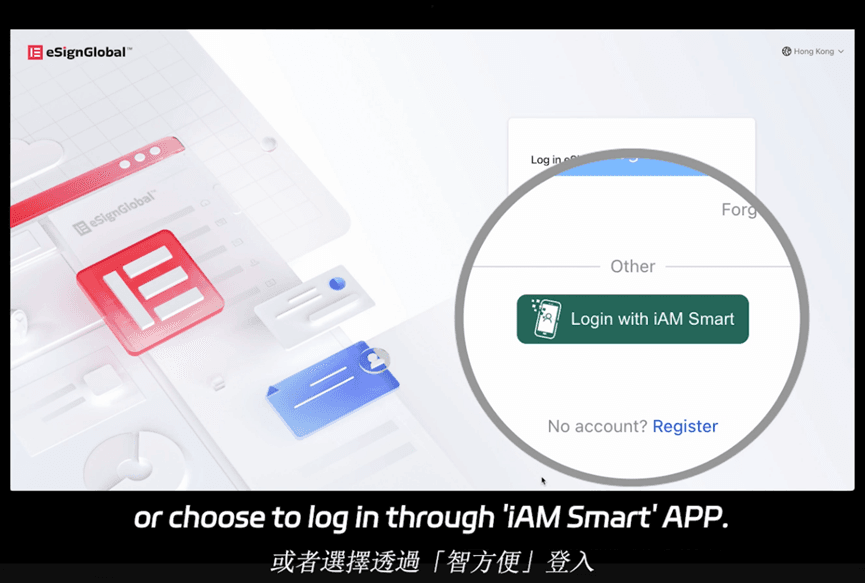
eSignGlobal emerges as a compelling option, particularly for APAC businesses. Its pricing is more accessible than competitors, with the Essential plan at just $16.6/month—allowing up to 100 documents for electronic signature, unlimited user seats, and verification via access codes. This delivers high cost-performance on a compliant foundation, avoiding the opacity of DocuSign or Adobe. Key advantages include seamless integration with Hong Kong's iAM Smart and Singapore's Singpass, ensuring regional regulatory alignment without extra fees. For cross-border teams, its optimized speed and data residency options reduce the frictions seen in global giants.
In summary, e-signature software prioritizes sends over storage for pricing, offering businesses efficient models. However, for DocuSign users facing high costs or APAC challenges, eSignGlobal stands out as a compliant, value-driven alternative worth considering.
FAQs
