
'%3e%3cpath%20fill-rule='evenodd'%20clip-rule='evenodd'%20d='M6.99935%2012.8327C10.221%2012.8327%2012.8327%2010.221%2012.8327%206.99935C12.8327%203.77769%2010.221%201.16602%206.99935%201.16602C3.77769%201.16602%201.16602%203.77769%201.16602%206.99935C1.16602%2010.221%203.77769%2012.8327%206.99935%2012.8327Z'%20stroke='%23666666'%20stroke-linecap='round'%20stroke-linejoin='round'/%3e%3cpath%20d='M1.16602%207H12.8327'%20stroke='%23666666'%20stroke-linecap='round'%20stroke-linejoin='round'/%3e%3cpath%20fill-rule='evenodd'%20clip-rule='evenodd'%20d='M6.99935%2012.8327C8.28802%2012.8327%209.33268%2010.221%209.33268%206.99935C9.33268%203.77769%208.28802%201.16602%206.99935%201.16602C5.71068%201.16602%204.66602%203.77769%204.66602%206.99935C4.66602%2010.221%205.71068%2012.8327%206.99935%2012.8327Z'%20stroke='%23666666'%20stroke-linecap='round'%20stroke-linejoin='round'/%3e%3cpath%20d='M2.875%202.95898C3.93063%204.01461%205.38896%204.66754%206.99978%204.66754C8.61062%204.66754%2010.069%204.01461%2011.1246%202.95898'%20stroke='%23666666'%20stroke-linecap='round'%20stroke-linejoin='round'/%3e%3cpath%20d='M11.1246%2011.0425C10.069%209.98691%208.61062%209.33398%206.99978%209.33398C5.38896%209.33398%203.93063%209.98691%202.875%2011.0425'%20stroke='%23666666'%20stroke-linecap='round'%20stroke-linejoin='round'/%3e%3c/g%3e%3cdefs%3e%3cclipPath%20id='clip0_1267_9109'%3e%3crect%20width='14'%20height='14'%20fill='white'/%3e%3c/clipPath%3e%3c/defs%3e%3c/svg%3e)


how much does springcm cost


Understanding SpringCM Costs in 2025
SpringCM, once a standalone contract lifecycle management (CLM) platform, was acquired by DocuSign in 2019 and has since been fully integrated into the DocuSign ecosystem. This integration means that SpringCM's core functionalities—such as document generation, negotiation, and repository management—are now bundled within DocuSign's broader eSignature and agreement cloud offerings. For businesses evaluating costs, the pricing for SpringCM-like features in 2025 revolves around DocuSign's subscription tiers, with additional expenses for advanced CLM modules. From a commercial perspective, this shift provides scalability but can introduce complexity in budgeting, especially for mid-sized enterprises seeking dedicated contract tools without enterprise-level overhead.
Determining the exact cost of SpringCM today requires looking at DocuSign's eSignature plans, as SpringCM's legacy pricing has been phased out. DocuSign structures its pricing on an annual billing basis, focusing on per-user seats, envelope volumes (where an "envelope" represents a document or set of documents for signing), and add-ons for automation and compliance. For basic SpringCM use cases—like automated document assembly and basic signing—businesses typically start with DocuSign's Standard or Business Pro plans. The Personal plan, at $120 per year ($10 per month) for one user and up to 5 envelopes monthly, is too limited for professional CLM needs. Instead, the Standard plan at $300 per user per year ($25 monthly) supports team collaboration, templates, and reminders, making it suitable for small teams handling around 100 envelopes annually per user.
For more robust SpringCM functionalities, such as bulk sending, conditional fields, and payment collection—which align with advanced contract workflows—the Business Pro plan is recommended, priced at $480 per user per year ($40 monthly). This tier includes web forms and signer attachments, essential for streamlining contract negotiations. However, envelope limits remain a key factor: even "unlimited" plans cap automation sends at approximately 100 per user annually (or 10 monthly), which can lead to overage fees if your volume exceeds this. From a business observation standpoint, these caps encourage efficient usage but may frustrate high-volume operations, potentially pushing costs higher through metered add-ons.
Enterprise-level SpringCM deployments fall under DocuSign's Advanced Solutions, which have no public pricing and are customized based on seat count, envelope volume, and compliance requirements like SSO and advanced auditing. Quotes here can range from $10,000 to over $100,000 annually for mid-sized firms, depending on integrations. Add-ons further inflate costs: Identity Verification (IDV) for secure signer checks is metered, often adding $1–$5 per verification, while SMS delivery incurs per-message fees varying by region. API access for custom SpringCM integrations starts at $600 yearly for the Starter plan (40 envelopes monthly), scaling to $5,760 for Advanced with bulk send capabilities.
In the APAC and China regions, where cross-border compliance is critical, SpringCM via DocuSign faces additional challenges. Latency issues, data residency surcharges, and limited local ID methods can increase effective costs by 20–50%, making total ownership more expensive than in the US. For a typical 10-user setup with moderate automation, expect $4,800–$6,000 base annually, plus $1,000–$3,000 in add-ons, totaling around $7,500–$10,000. Businesses should factor in these variables during procurement, as hidden fees for governance tools can surprise unwary teams.

Key Factors Influencing SpringCM Pricing
Several elements drive the total cost of using SpringCM within DocuSign. Seat-based licensing means costs scale linearly with users, but envelope quotas introduce non-linear expenses—overages are billed per envelope, often at $0.50–$2 each. Automation features, vital for CLM efficiency, are particularly restricted: bulk sends and PowerForms count toward the 100-envelope annual cap, potentially necessitating upgrades. Regional compliance adds layers; for instance, APAC users may require premium support or IDV add-ons, elevating prices.
From a commercial lens, DocuSign's model favors enterprises with predictable volumes but can burden SMBs. A 2025 analysis shows average SpringCM-integrated setups costing 15–25% more than pre-acquisition due to bundled eSignature mandates. Negotiation with DocuSign sales can yield discounts for multi-year commitments, but transparency varies. Ultimately, ROI hinges on usage: high-automation teams see value in the ecosystem, while others might find the pricing opaque.
Comparing SpringCM with Competitors: DocuSign Ecosystem and Alternatives
While SpringCM's costs are now tied to DocuSign, evaluating alternatives provides context for decision-makers. DocuSign itself offers a comprehensive suite, but competitors like Adobe Sign and eSignGlobal address specific pain points, such as regional compliance and affordability. Other players, including Dropbox Sign (formerly HelloSign) and PandaDoc, focus on varying strengths. Below is a neutral comparison table based on 2025 public data, highlighting pricing, features, and regional fit for CLM and eSignature needs.
| Aspect | SpringCM (via DocuSign) | Adobe Sign | eSignGlobal | Dropbox Sign | PandaDoc |
|---|---|---|---|---|---|
| Base Pricing (per user/year, annual) | $300–$480 (Standard to Pro) | $239–$599 (Individual to Enterprise) | $200 (Essential, unlimited seats) | $180 (Essentials) | $300–$600 (Pro to Enterprise) |
| Envelope/Document Limit | ~100/user/year (capped automation) | Unlimited (metered overages) | Up to 100/month (Essential) | 5–Unlimited (tiered) | Unlimited templates, 100 docs/month base |
| Key CLM Features | Bulk send, templates, conditional logic | Workflow automation, integrations | Access code verification, bulk send | Basic templates, API | Proposal building, payments |
| API/Integrations | $600+ (Starter plan) | Included in higher tiers | Flexible, region-optimized | Basic API included | Advanced CRM integrations |
| Regional Compliance (APAC/China) | Limited, higher costs | Strong global, but APAC surcharges | Native in 100+ countries, APAC optimized | US-focused, basic intl. | Good for sales, variable intl. |
| Add-Ons (IDV/SMS) | Metered ($1–$5/verification) | Per-use fees | Integrated, low-cost | Optional SMS | Payment processing extra |
| Best For | Enterprise workflows | Adobe ecosystem users | APAC compliance & value | Simple signing | Sales teams |
| Total Cost for 10 Users (Est.) | $7,500–$10,000+ | $6,000–$15,000 | $2,000–$5,000 | $3,000–$6,000 | $5,000–$10,000 |
This table underscores DocuSign's robustness for global enterprises but highlights cost efficiencies in alternatives. Adobe Sign, for example, integrates seamlessly with PDF tools and offers unlimited envelopes in premium plans, though its pricing escalates quickly for custom workflows—starting at $239 annually for individuals but reaching enterprise custom quotes with add-ons for IDV and SMS, which mirror DocuSign's metered approach.

DocuSign, encompassing SpringCM, excels in end-to-end agreement management with features like web forms and bulk sends in its Business Pro tier. However, API costs and regional add-ons can make it pricier for non-US operations.

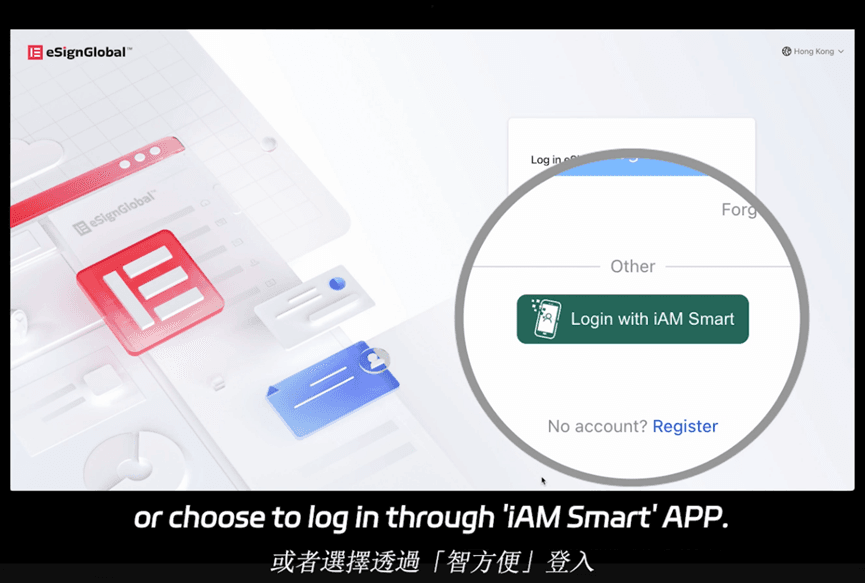
eSignGlobal positions itself as a compliant alternative, supporting eSignature in over 100 mainstream countries and regions globally. It holds a particular edge in the Asia-Pacific (APAC), where it offers optimized performance for cross-border needs. Pricing is more accessible, with the Essential version at just $16.6 per month (or $199 annually for unlimited seats), allowing up to 100 documents for electronic signature monthly, unlimited user seats, and verification via access codes. This setup delivers strong value on compliance foundations, integrating seamlessly with regional systems like Hong Kong's iAM Smart and Singapore's Singpass. For detailed plans, visit eSignGlobal's pricing page. Overall, it provides cost-effective scalability without the envelope caps common in DocuSign.
Dropbox Sign keeps things simple and affordable for basic needs, while PandaDoc shines in sales-oriented CLM with built-in analytics. From a business observation, the choice depends on priorities: DocuSign/SpringCM for integrated depth, Adobe for creative workflows, and eSignGlobal for APAC efficiency.
Final Thoughts on CLM Pricing Strategies
In summary, SpringCM's 2025 costs through DocuSign range from $300–$480 per user annually for core features, plus variables that can double expenses for high-volume or international use. Businesses should audit their envelope needs and negotiate add-ons to optimize spend. For DocuSign alternatives emphasizing regional compliance, eSignGlobal emerges as a balanced, value-driven option.
FAQs
