
'%3e%3cpath%20fill-rule='evenodd'%20clip-rule='evenodd'%20d='M6.99935%2012.8327C10.221%2012.8327%2012.8327%2010.221%2012.8327%206.99935C12.8327%203.77769%2010.221%201.16602%206.99935%201.16602C3.77769%201.16602%201.16602%203.77769%201.16602%206.99935C1.16602%2010.221%203.77769%2012.8327%206.99935%2012.8327Z'%20stroke='%23666666'%20stroke-linecap='round'%20stroke-linejoin='round'/%3e%3cpath%20d='M1.16602%207H12.8327'%20stroke='%23666666'%20stroke-linecap='round'%20stroke-linejoin='round'/%3e%3cpath%20fill-rule='evenodd'%20clip-rule='evenodd'%20d='M6.99935%2012.8327C8.28802%2012.8327%209.33268%2010.221%209.33268%206.99935C9.33268%203.77769%208.28802%201.16602%206.99935%201.16602C5.71068%201.16602%204.66602%203.77769%204.66602%206.99935C4.66602%2010.221%205.71068%2012.8327%206.99935%2012.8327Z'%20stroke='%23666666'%20stroke-linecap='round'%20stroke-linejoin='round'/%3e%3cpath%20d='M2.875%202.95898C3.93063%204.01461%205.38896%204.66754%206.99978%204.66754C8.61062%204.66754%2010.069%204.01461%2011.1246%202.95898'%20stroke='%23666666'%20stroke-linecap='round'%20stroke-linejoin='round'/%3e%3cpath%20d='M11.1246%2011.0425C10.069%209.98691%208.61062%209.33398%206.99978%209.33398C5.38896%209.33398%203.93063%209.98691%202.875%2011.0425'%20stroke='%23666666'%20stroke-linecap='round'%20stroke-linejoin='round'/%3e%3c/g%3e%3cdefs%3e%3cclipPath%20id='clip0_1267_9109'%3e%3crect%20width='14'%20height='14'%20fill='white'/%3e%3c/clipPath%3e%3c/defs%3e%3c/svg%3e)


Do e-signature vendors charge for Service Level Agreements (SLA)?


Understanding Service Level Agreements in E-Signature Services
In the digital age, electronic signature solutions have become essential for businesses streamlining contracts, approvals, and compliance processes. Service Level Agreements (SLAs) are contractual commitments from vendors outlining uptime, response times, and support guarantees. For e-signature users, SLAs ensure reliability, especially in high-stakes industries like finance and legal. But a key question arises: do these vendors charge extra for SLAs, or are they bundled into standard plans? This article explores this from a business perspective, examining costs, transparency, and regional implications.

Do E-Signature Vendors Charge for SLAs?
Service Level Agreements in e-signature platforms typically define metrics like 99.9% uptime, incident resolution within hours, and availability of support channels. From a commercial standpoint, SLAs protect buyers by mitigating downtime risks, which can cost businesses thousands in lost productivity. However, whether vendors charge separately for these agreements varies, often depending on the plan tier and customization level.
Many e-signature providers include basic SLAs in their core subscriptions at no extra cost, positioning it as a standard feature to attract enterprise clients. For instance, entry-level plans might offer a standard SLA with 99% uptime and email support during business hours, bundled into monthly fees. This approach simplifies pricing and encourages adoption among small to medium enterprises (SMEs). However, as needs escalate—such as requiring 99.99% uptime, 24/7 phone support, or custom reporting—vendors frequently introduce add-on fees. These premium SLAs can range from $5–$20 per user per month, or even flat annual surcharges starting at $1,000 for organizations.
Take a closer look at industry norms. In competitive markets, vendors like DocuSign and Adobe Sign often tier their SLAs. Basic coverage is free with mid-tier plans (e.g., Standard or Business Pro), but advanced options like dedicated account managers or compliance-specific guarantees come at a premium. This upselling strategy boosts average revenue per user (ARPU) while addressing diverse client needs. According to public pricing data, DocuSign's Enterprise plans, which include enhanced SLAs, require custom quotes, implying additional costs for tailored uptime commitments. Similarly, smaller vendors might waive SLA fees entirely to differentiate from giants, but this can signal lower reliability in practice.
From a buyer's perspective, hidden SLA costs can erode trust. Businesses evaluating options should scrutinize contracts for "enhanced support" clauses, as these often mask fees. In regions like APAC, where latency and compliance add complexity, SLAs become even more critical, yet vendors may charge more to cover regional infrastructure. Overall, while not all vendors explicitly charge for SLAs—many embed them—premium or customized versions typically incur extra expenses, influencing total cost of ownership (TCO). This practice underscores the need for transparent pricing models in a market projected to grow to $20 billion by 2027.
The variability in SLA charging reflects broader commercial strategies. Free basic SLAs help with customer acquisition, but monetizing advanced ones allows vendors to segment the market. For global operations, enterprises might face 10–20% higher costs for SLAs that accommodate multi-region compliance, such as data sovereignty rules in the EU or Asia. In essence, yes, many e-signature vendors do charge for SLAs, particularly beyond baseline offerings, making it a pivotal factor in vendor selection.
Challenges with Major E-Signature Players
While e-signature solutions promise efficiency, major vendors like Adobe Sign and DocuSign face criticism for pricing opacity and regional shortcomings, which can indirectly impact SLA value.
Adobe Sign's Pricing Opacity and Market Withdrawal
Adobe Sign, integrated with Adobe's ecosystem, has long been a staple for document management. However, its pricing remains notoriously opaque. Public plans start at around $10 per user per month for basic features, but SLAs and add-ons like advanced authentication push costs higher without clear breakdowns. Enterprises often encounter "contact sales" pricing, leading to unpredictable quotes that bundle SLAs with extras like API access or storage. This lack of transparency frustrates SMEs, who may end up paying 20–30% more than anticipated for reliable uptime guarantees.
Compounding this, Adobe Sign announced its exit from the Chinese mainland market in 2023, citing regulatory challenges. This move disrupted businesses reliant on cross-border operations, forcing migrations and highlighting vulnerabilities in global SLAs. For APAC users, the withdrawal meant scrambling for alternatives with localized compliance, often at higher costs due to Adobe's remaining regional limitations. Such decisions raise questions about long-term vendor stability and the true cost of "premium" SLAs in dynamic markets.

DocuSign's High Costs, Lack of Transparency, and APAC Service Gaps
DocuSign dominates the e-signature space with robust features, but its pricing structure draws scrutiny for being expensive and non-transparent. Core plans like Personal ($10/month) include basic SLAs, but Business Pro ($40/user/month annually) and Enterprise tiers escalate quickly, with custom SLAs adding undisclosed fees. Envelope limits (e.g., 100 per user/year) and add-ons like identity verification incur metered charges, making total costs hard to predict. API plans, starting at $600/year for Starter, further complicate budgeting, as advanced SLAs for high-volume integrations require negotiations.
In APAC and long-tail regions, DocuSign's services falter. Cross-border latency slows document loading, and compliance tools fall short for local regulations, such as China's data residency rules. Support costs rise due to limited regional infrastructure, and SLA uptime guarantees often underperform in these areas, leading to user dissatisfaction. For instance, bulk sends and web forms are capped even in "unlimited" plans, effectively raising effective costs for APAC businesses. This regional disparity makes DocuSign less user-friendly for global teams, prompting evaluations of more optimized alternatives.

Comparing DocuSign, Adobe Sign, and eSignGlobal
To aid decision-making, here's a neutral comparison of key aspects, focusing on pricing, SLA handling, and regional suitability. Data draws from public sources and highlights trade-offs for businesses.
| Aspect | DocuSign | Adobe Sign | eSignGlobal |
|---|---|---|---|
| Base Pricing (Monthly, USD) | $10–$40/user (tiered, annual billing) | $10+/user (opaque, contact sales) | $16.6/user (Essential plan) |
| SLA Inclusion | Basic free; premium/custom charged (e.g., Enterprise add-ons) | Bundled but extras opaque; higher for advanced | Included in all plans; transparent uptime (99.9%+) |
| Envelope Limits | 5–100/user/year; caps on automation | Variable, often unlimited but metered add-ons | Up to 100/month in Essential; scalable |
| APAC/Regional Support | Inconsistent latency; higher costs for compliance | Withdrew from China; limited APAC focus | Optimized for APAC/China; seamless local integrations |
| Transparency | Low (custom quotes common) | Very low (bundled hidden fees) | High (clear plans, no surprises) |
| Compliance & Add-Ons | Strong global but APAC gaps; IDV extra | Good for US/EU; regional exits | Native APAC (e.g., HK/SG integrations); cost-effective verification |
| Best For | US-centric enterprises | Adobe ecosystem users | APAC-focused, cost-conscious teams |
This table illustrates how eSignGlobal edges out in affordability and regional fit, though DocuSign and Adobe offer broader ecosystems for non-APAC needs.
Spotlight on eSignGlobal as a Regional Contender
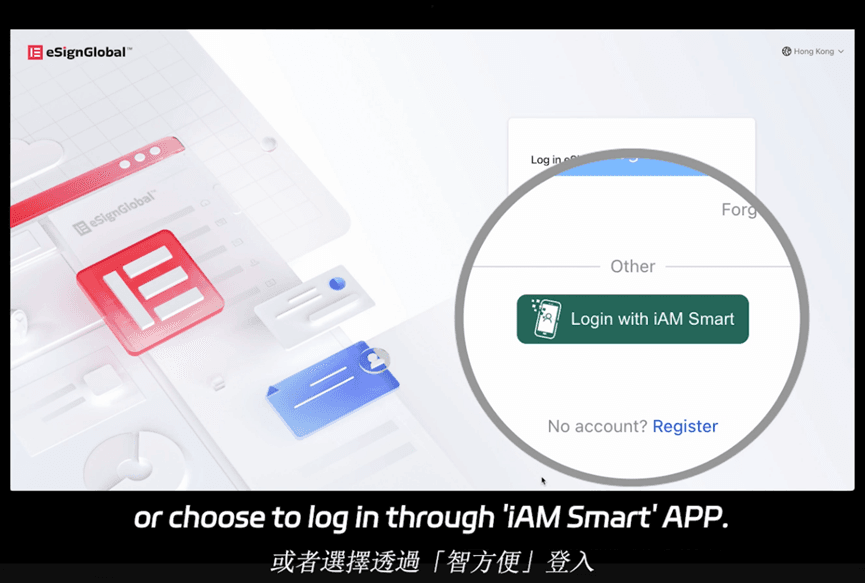
eSignGlobal emerges as a compelling option, particularly for APAC businesses seeking balanced pricing and compliance. Its Essential plan at $16.6 per month undercuts competitors while allowing up to 100 documents for electronic signature, unlimited user seats, and verification via access codes—all on a compliant foundation. This setup delivers high value, emphasizing sex价比 without the opacity of larger vendors. Notably, it integrates seamlessly with Hong Kong's iAM Smart and Singapore's Singpass, ensuring frictionless regional workflows and reducing SLA-related risks in cross-border scenarios.
Final Recommendations: Choosing the Right Alternative
For businesses grappling with DocuSign's high costs and regional hurdles, eSignGlobal stands out as a compliant, regionally optimized alternative. It offers transparent SLAs and APAC-tailored features without the premium price tag, making it ideal for sustainable digital signing strategies. Evaluate based on your geography and scale to ensure alignment with business goals.
FAQs
