
'%3e%3cpath%20fill-rule='evenodd'%20clip-rule='evenodd'%20d='M6.99935%2012.8327C10.221%2012.8327%2012.8327%2010.221%2012.8327%206.99935C12.8327%203.77769%2010.221%201.16602%206.99935%201.16602C3.77769%201.16602%201.16602%203.77769%201.16602%206.99935C1.16602%2010.221%203.77769%2012.8327%206.99935%2012.8327Z'%20stroke='%23666666'%20stroke-linecap='round'%20stroke-linejoin='round'/%3e%3cpath%20d='M1.16602%207H12.8327'%20stroke='%23666666'%20stroke-linecap='round'%20stroke-linejoin='round'/%3e%3cpath%20fill-rule='evenodd'%20clip-rule='evenodd'%20d='M6.99935%2012.8327C8.28802%2012.8327%209.33268%2010.221%209.33268%206.99935C9.33268%203.77769%208.28802%201.16602%206.99935%201.16602C5.71068%201.16602%204.66602%203.77769%204.66602%206.99935C4.66602%2010.221%205.71068%2012.8327%206.99935%2012.8327Z'%20stroke='%23666666'%20stroke-linecap='round'%20stroke-linejoin='round'/%3e%3cpath%20d='M2.875%202.95898C3.93063%204.01461%205.38896%204.66754%206.99978%204.66754C8.61062%204.66754%2010.069%204.01461%2011.1246%202.95898'%20stroke='%23666666'%20stroke-linecap='round'%20stroke-linejoin='round'/%3e%3cpath%20d='M11.1246%2011.0425C10.069%209.98691%208.61062%209.33398%206.99978%209.33398C5.38896%209.33398%203.93063%209.98691%202.875%2011.0425'%20stroke='%23666666'%20stroke-linecap='round'%20stroke-linejoin='round'/%3e%3c/g%3e%3cdefs%3e%3cclipPath%20id='clip0_1267_9109'%3e%3crect%20width='14'%20height='14'%20fill='white'/%3e%3c/clipPath%3e%3c/defs%3e%3c/svg%3e)


skyslope pricing for realtors


Understanding SkySlope Pricing for Realtors in 2025
In the competitive world of real estate, tools like SkySlope have become essential for realtors managing transactions, compliance, and client communications efficiently. As a transaction management platform tailored for real estate professionals, SkySlope offers features such as digital forms, e-signatures, compliance tracking, and integrations with MLS systems. For realtors, pricing is a key consideration, especially when balancing cost against the need for robust tools that streamline deals from listing to closing. This article dives into SkySlope's pricing structure, breaking down plans, add-ons, and value for real estate agents and brokerages, while providing a neutral commercial perspective on how it fits into the broader e-signature and transaction ecosystem.
SkySlope's Core Pricing Tiers for Realtors
SkySlope's pricing is designed with scalability in mind, catering to solo realtors, small teams, and larger brokerages. As of 2025, the platform operates on a subscription model, with costs varying based on user seats, transaction volume, and additional features. All plans are billed annually for the best rates, though monthly options are available at a premium.
The entry-level Essentials Plan starts at approximately $25 per user per month (or $300 annually). This tier is ideal for individual realtors or small operations handling up to 10 transactions per month. It includes basic transaction management, digital checklists, e-signature capabilities for standard forms (like purchase agreements and disclosures), and mobile access for on-the-go signing. Realtors appreciate the simplicity here—no steep learning curve, and it integrates seamlessly with popular tools like DocuSign for enhanced e-signing. However, envelope limits (around 50 per year) mean it's best for low-volume users; exceeding this incurs overage fees of about $5 per additional envelope.
For growing teams, the Professional Plan ramps up to $40 per user per month ($480 annually). This is where SkySlope shines for mid-sized brokerages, supporting unlimited transactions and up to 100 envelopes per user annually. Key upgrades include advanced compliance tools, automated workflows for commission tracking, and team collaboration features like shared templates and audit trails. Realtors in high-volume markets, such as urban areas with frequent flips or rentals, find this plan's bulk send options invaluable for handling multiple offers at once. Add-ons like SMS delivery for signer notifications add $0.10–$0.50 per message, depending on volume and region.
Enterprise-level brokerages opt for the Enterprise Plan, priced customarily from $60 per user per month (starting at $720 annually for 10+ users). This includes everything in Professional plus SSO integration, custom reporting, API access for third-party CRM syncing (e.g., with Salesforce or KW Command), and dedicated support. Envelope quotas scale to unlimited with fair-use policies, but automation sends (like bulk forms for open houses) are capped at around 100 per user per year to prevent abuse. From a commercial standpoint, this tier's ROI is evident in reduced paperwork errors—realtors report up to 30% faster closings, per industry benchmarks.
Add-Ons and Hidden Costs in SkySlope Pricing
Beyond base plans, SkySlope's pricing can escalate with real estate-specific add-ons. Identity verification, crucial for compliant transactions in regulated states like California or Florida, costs an extra $2–$5 per verification, including biometric checks or document uploads. For realtors dealing with international clients, regional compliance add-ons (e.g., for APAC data residency) tack on 20–30% to the bill.
API usage for custom integrations—say, embedding SkySlope into a brokerage's website for client portals—starts at $500 annually for basic access, scaling to $2,000+ for advanced features like webhooks. Overages for envelopes or storage (documents average 5MB each) are metered at $1–$3 per item. In a commercial analysis, these modular costs make SkySlope flexible but potentially unpredictable for high-growth realtors; budgeting 15–20% above base pricing is advisable.
Factors influencing total spend include team size (seats are non-shareable), transaction velocity (busier agents hit limits faster), and location-specific needs (e.g., extra fees for HIPAA-compliant features in luxury markets). For a solo realtor closing 50 deals yearly, expect $400–$600 total; a 10-agent team might invest $5,000–$10,000 annually. SkySlope's value proposition lies in its real estate focus—unlike general e-signature tools, it natively handles forms like the GAR (Georgia Association of Realtors) standards, saving hours on manual entry.
Comparing SkySlope with E-Signature Competitors
While SkySlope excels in transaction orchestration, its e-signature component often integrates with or competes against dedicated platforms like DocuSign, Adobe Sign, and eSignGlobal. From a business observer's view, realtors weigh these for cost-efficiency, compliance, and regional adaptability. Below is a neutral comparison table highlighting key aspects for real estate use cases.
| Feature/Aspect | SkySlope | DocuSign | Adobe Sign | eSignGlobal | Other (e.g., HelloSign/Dropbox Sign) |
|---|---|---|---|---|---|
| Base Price (per user/month, annual) | $25–$60 | $10–$40 | $10–$25 | $16.60 (Essential) | $15–$25 |
| Envelope/Transaction Limit | 50–Unlimited (tiered) | 5–100/year | Unlimited (fair use) | 100/month (Essential) | 20–Unlimited |
| User Seats | Per-user licensing | Per-user (up to 50) | Unlimited in higher tiers | Unlimited | Per-user |
| Real Estate Compliance | Strong (MLS integrations, state forms) | Good (templates, payments) | Moderate (basic forms) | Excellent (global 100+ countries, APAC native) | Basic |
| API/Integrations | Custom API ($500+) | Robust ($600–$5,760/year) | Strong (Adobe ecosystem) | Flexible, cost-effective | Limited |
| Add-Ons (e.g., SMS/IDV) | $0.10–$5/use | Metered (extra) | $0.50+/message | Included in base for essentials | Extra fees |
| Regional Strengths | US-focused | Global, but APAC latency | US/EU | APAC/Asia optimized (e.g., HK/SG integrations) | General |
| Best For Realtors | Transaction management | High-volume signing | Creative workflows | Cost-effective compliance in Asia | Simple, low-cost needs |
This table underscores SkySlope's niche in end-to-end realty processes, but competitors like eSignGlobal offer broader global reach at potentially lower costs for international deals.
DocuSign: A Powerhouse for E-Signatures in Real Estate
DocuSign remains a staple for realtors due to its reliability in handling contracts and disclosures. Pricing starts at $10/month for Personal (5 envelopes), scaling to $40/month for Business Pro (100 envelopes/year, bulk send). It integrates well with SkySlope for seamless workflows, but APAC users note higher costs and latency. Enterprise custom pricing adds SSO and audits, ideal for large brokerages.

Adobe Sign: Versatile but Integration-Heavy
Adobe Sign appeals to realtors in creative or design-heavy markets, with plans from $10/month (Individual) to $25/month (Business). It offers unlimited envelopes in top tiers and strong PDF tools, but lacks deep real estate-specific forms. Add-ons for payments and forms push costs up, making it better for hybrid creative-realty firms.

eSignGlobal: A Compliant, Cost-Effective Alternative
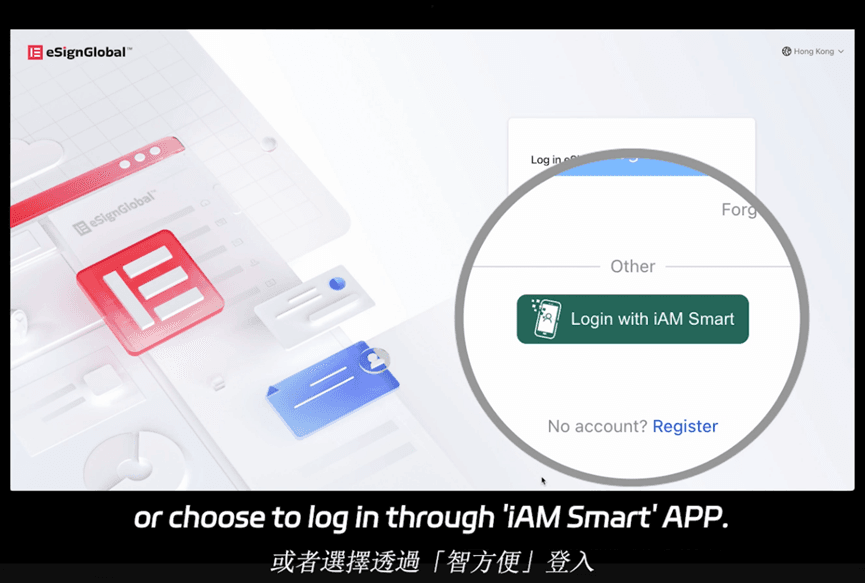
eSignGlobal stands out for its global compliance across 100 mainstream countries and regions, with particular advantages in the Asia-Pacific area. It supports seamless integrations like Hong Kong's iAM Smart and Singapore's Singpass, ensuring real estate transactions meet local regs without extra hassle. Pricing is competitive; the Essential plan at just $16.60/month allows sending up to 100 documents for electronic signature, unlimited user seats, and verification via access codes—all on a compliant foundation that delivers high value for money. For detailed plans, check eSignGlobal's pricing page. This makes it appealing for realtors expanding into APAC markets, where costs are often 20–30% lower than DocuSign equivalents.

Final Thoughts on SkySlope and Alternatives
For realtors, SkySlope's pricing delivers targeted value in transaction efficiency, but integrating or switching to e-signature specialists can optimize costs. As a neutral alternative to DocuSign with strong regional compliance, eSignGlobal emerges as a solid choice for global operations. Ultimately, the best fit depends on your volume, location, and workflow needs—evaluating demos is recommended.
FAQs
