
'%3e%3cpath%20fill-rule='evenodd'%20clip-rule='evenodd'%20d='M6.99935%2012.8327C10.221%2012.8327%2012.8327%2010.221%2012.8327%206.99935C12.8327%203.77769%2010.221%201.16602%206.99935%201.16602C3.77769%201.16602%201.16602%203.77769%201.16602%206.99935C1.16602%2010.221%203.77769%2012.8327%206.99935%2012.8327Z'%20stroke='%23666666'%20stroke-linecap='round'%20stroke-linejoin='round'/%3e%3cpath%20d='M1.16602%207H12.8327'%20stroke='%23666666'%20stroke-linecap='round'%20stroke-linejoin='round'/%3e%3cpath%20fill-rule='evenodd'%20clip-rule='evenodd'%20d='M6.99935%2012.8327C8.28802%2012.8327%209.33268%2010.221%209.33268%206.99935C9.33268%203.77769%208.28802%201.16602%206.99935%201.16602C5.71068%201.16602%204.66602%203.77769%204.66602%206.99935C4.66602%2010.221%205.71068%2012.8327%206.99935%2012.8327Z'%20stroke='%23666666'%20stroke-linecap='round'%20stroke-linejoin='round'/%3e%3cpath%20d='M2.875%202.95898C3.93063%204.01461%205.38896%204.66754%206.99978%204.66754C8.61062%204.66754%2010.069%204.01461%2011.1246%202.95898'%20stroke='%23666666'%20stroke-linecap='round'%20stroke-linejoin='round'/%3e%3cpath%20d='M11.1246%2011.0425C10.069%209.98691%208.61062%209.33398%206.99978%209.33398C5.38896%209.33398%203.93063%209.98691%202.875%2011.0425'%20stroke='%23666666'%20stroke-linecap='round'%20stroke-linejoin='round'/%3e%3c/g%3e%3cdefs%3e%3cclipPath%20id='clip0_1267_9109'%3e%3crect%20width='14'%20height='14'%20fill='white'/%3e%3c/clipPath%3e%3c/defs%3e%3c/svg%3e)


how much is signnow per user


Understanding SignNow Pricing Per User
In the competitive landscape of electronic signature solutions, businesses often seek cost-effective tools that balance functionality with affordability. SignNow, a popular eSignature platform owned by airSlate, stands out for its user-friendly interface and integration capabilities. When evaluating "how much is SignNow per user," it's essential to break down its pricing structure, which is designed for small to medium-sized teams looking to streamline document workflows without breaking the bank.
SignNow offers three main plans: Personal, Business, and Enterprise. The Personal plan is tailored for individuals or solo users, priced at $8 per month when billed annually (or $10 monthly). This tier includes up to 50 documents per month, unlimited templates, and basic features like mobile signing and integrations with Google Drive and Dropbox. For a single user, this equates to a straightforward $8 per user cost, making it an entry-level option for freelancers or small-scale operations.
Moving up to the Business plan, which is more suited for teams, the pricing shifts to a per-user model at $15 per user per month (or $20 monthly billing). This plan supports unlimited users within the account, but the cost scales with the number of active users. Key features include advanced form filling, shared templates, bulk sending, and API access for custom integrations. For example, a team of five users would pay $75 per month annually ($15 x 5), plus any overage fees for exceeding the 100-document monthly limit per user. This per-user pricing ensures scalability, but businesses should monitor usage to avoid additional charges for extra envelopes or storage.
For larger organizations, the Enterprise plan is custom-priced, typically starting around $25–$30 per user per month based on volume and requirements. It includes everything in Business plus SSO, advanced security, custom branding, and dedicated support. Negotiations often depend on factors like user count, document volume, and compliance needs. In practice, a mid-sized firm with 20 users might see total costs around $6,000–$7,200 annually, or roughly $25–$30 per user. SignNow's model emphasizes flexibility, with no long-term contracts required for lower tiers, allowing businesses to adjust as needs evolve.
One notable aspect of SignNow's pricing is its envelope-based limits. The Personal plan caps at 50 envelopes monthly, while Business allows 100 per user, with overages at $0.50–$1 per additional envelope. This can impact per-user costs if high-volume signing is frequent. Add-ons like SMS delivery ($0.50–$1 per message) or identity verification (metered at extra fees) further customize the expense. For global teams, especially in APAC regions, currency fluctuations and regional compliance might add 10–20% to effective costs due to localization needs.
From a business observation standpoint, SignNow's per-user pricing remains competitive for SMBs, offering strong value in collaborative features without the enterprise-level overhead. However, for high-volume users, the envelope limits could push costs higher than anticipated, prompting a review of total ownership expenses.

Comparing SignNow with Key Competitors
To provide a comprehensive view, it's valuable to compare SignNow against established players like DocuSign, Adobe Sign, and eSignGlobal, along with other alternatives such as HelloSign (now Dropbox Sign). This analysis draws from official pricing data as of 2025, focusing on per-user costs, features, and regional suitability. While SignNow excels in affordability for small teams, competitors vary in scalability and compliance.
DocuSign: A Market Leader with Tiered Pricing
DocuSign remains a go-to for enterprise-grade eSignatures, with plans starting at the Personal level ($10/month for one user, 5 envelopes). The Standard plan is $25 per user per month (annual), supporting team features like templates and reminders, with about 100 envelopes per year. Business Pro at $40 per user per month adds bulk send and payments, while Advanced (Enterprise) is custom, often exceeding $50 per user for SSO and audits. API plans range from $600/year for starters to custom enterprise tiers. DocuSign's strength lies in robust integrations, but its envelope caps and add-ons (e.g., IDV at metered rates) can inflate per-user costs, especially for APAC users facing latency and compliance surcharges.

Adobe Sign: Integrated with Creative Ecosystems
Adobe Sign, part of Adobe Document Cloud, integrates seamlessly with Acrobat and other Adobe tools, appealing to creative and legal teams. Pricing begins with a Business plan at $22.99 per user per month (annual), including unlimited signatures, templates, and basic workflows for up to 10 users minimum. Teams plans scale to $29.99 per user, adding advanced routing and forms, while Enterprise is custom (around $39.99+ per user). Envelope limits are generous (unlimited in higher tiers), but add-ons like eIDAS compliance or SMS add $1–$5 per transaction. For per-user economics, a 10-user setup costs about $230 monthly annually, making it pricier than SignNow but valuable for Adobe ecosystem users. However, global compliance can be inconsistent in non-Western regions.

eSignGlobal: Regionally Optimized for Compliance
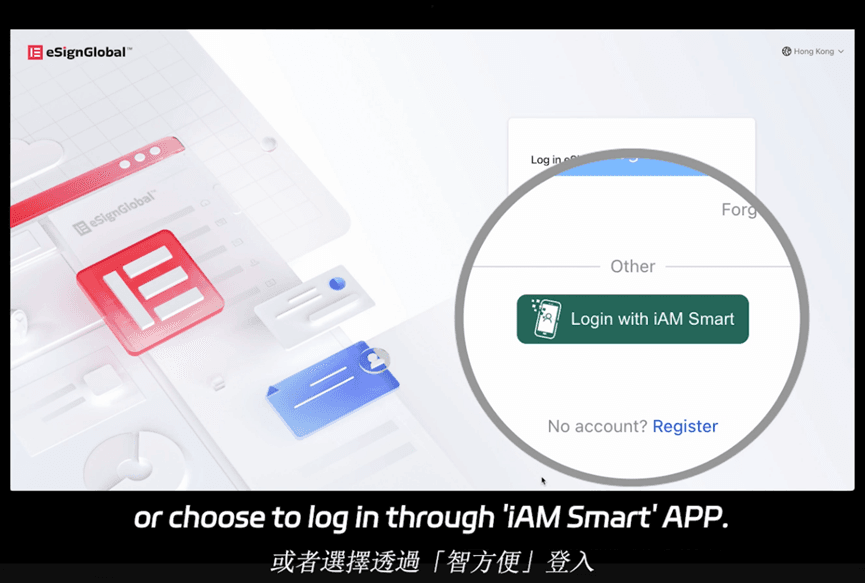
eSignGlobal positions itself as a compliant alternative, particularly strong in APAC and emerging markets. It supports eSignature compliance in over 100 mainstream countries and regions globally, with notable advantages in the Asia-Pacific area. Pricing is transparent and cost-effective; the Essential plan is just $16.60 per month (annual equivalent), allowing up to 100 documents for electronic signature, unlimited user seats, and verification via access codes. This structure offers high cost-performance on a compliance foundation, integrating seamlessly with regional systems like Hong Kong's iAM Smart and Singapore's Singpass. Higher tiers like Professional ($33.20/month) add automation and API access without per-user seat fees, keeping expenses low for teams. For detailed plans, visit eSignGlobal's pricing page.
Other Competitors: HelloSign and Beyond
HelloSign (Dropbox Sign) offers a free tier for basics, with Pro at $15 per user per month (unlimited envelopes) and API add-ons from $10/month. It's simple but lacks advanced compliance. PandaDoc focuses on proposals at $19 per user, emphasizing sales workflows over pure signing.
| Feature/Plan | SignNow (Business) | DocuSign (Business Pro) | Adobe Sign (Teams) | eSignGlobal (Essential) | HelloSign (Pro) |
|---|---|---|---|---|---|
| Per User/Month (Annual) | $15 | $40 | $29.99 | $16.60 (Unlimited Seats) | $15 |
| Envelope Limit | 100/user | ~100/year | Unlimited | 100 (Shared) | Unlimited |
| Key Features | Bulk send, API | Payments, Bulk Send | Forms, Routing | Regional Compliance, Integrations (iAM Smart/Singpass) | Templates, Audit Trails |
| Compliance Strength | Global basics | Enterprise-level | Adobe ecosystem | 100+ Countries, APAC Optimized | US/EU Focus |
| Add-On Costs | SMS $0.50–$1 | IDV Metered | eIDAS $1–$5 | Low (Access Code Free) | API $10+ |
| Best For | SMB Teams | Large Enterprises | Creative Pros | APAC/Global Compliance | Simple Integrations |
| APAC Suitability | Moderate | Higher Costs/Latency | Inconsistent | High (Native Support) | Limited |
This table highlights how SignNow's $15 per user strikes a balance, but eSignGlobal edges out in regional value without sacrificing features.
Factors Influencing Per-User Costs Across Platforms
Beyond base pricing, businesses must consider envelope quotas, automation limits (e.g., DocuSign caps bulk sends at ~10/month per user), and regional challenges. In APAC/China, cross-border data residency and latency can add 20–50% to DocuSign or Adobe Sign costs, while eSignGlobal's local optimizations mitigate this. API usage is another variable: SignNow's basic access is included in Business, versus DocuSign's $600+ annual starter.
For high-volume operations, total cost per user can double with overages. A neutral business lens suggests auditing usage patterns—SignNow suits low-to-mid volume at $15/user, but scaling teams may find eSignGlobal's unlimited seats more economical long-term.
Final Thoughts on eSignature Choices
Selecting an eSignature tool involves weighing per-user costs against compliance and scalability. For DocuSign alternatives emphasizing regional compliance, eSignGlobal emerges as a solid, neutral option for global teams.
FAQs
