
'%3e%3cpath%20fill-rule='evenodd'%20clip-rule='evenodd'%20d='M6.99935%2012.8327C10.221%2012.8327%2012.8327%2010.221%2012.8327%206.99935C12.8327%203.77769%2010.221%201.16602%206.99935%201.16602C3.77769%201.16602%201.16602%203.77769%201.16602%206.99935C1.16602%2010.221%203.77769%2012.8327%206.99935%2012.8327Z'%20stroke='%23666666'%20stroke-linecap='round'%20stroke-linejoin='round'/%3e%3cpath%20d='M1.16602%207H12.8327'%20stroke='%23666666'%20stroke-linecap='round'%20stroke-linejoin='round'/%3e%3cpath%20fill-rule='evenodd'%20clip-rule='evenodd'%20d='M6.99935%2012.8327C8.28802%2012.8327%209.33268%2010.221%209.33268%206.99935C9.33268%203.77769%208.28802%201.16602%206.99935%201.16602C5.71068%201.16602%204.66602%203.77769%204.66602%206.99935C4.66602%2010.221%205.71068%2012.8327%206.99935%2012.8327Z'%20stroke='%23666666'%20stroke-linecap='round'%20stroke-linejoin='round'/%3e%3cpath%20d='M2.875%202.95898C3.93063%204.01461%205.38896%204.66754%206.99978%204.66754C8.61062%204.66754%2010.069%204.01461%2011.1246%202.95898'%20stroke='%23666666'%20stroke-linecap='round'%20stroke-linejoin='round'/%3e%3cpath%20d='M11.1246%2011.0425C10.069%209.98691%208.61062%209.33398%206.99978%209.33398C5.38896%209.33398%203.93063%209.98691%202.875%2011.0425'%20stroke='%23666666'%20stroke-linecap='round'%20stroke-linejoin='round'/%3e%3c/g%3e%3cdefs%3e%3cclipPath%20id='clip0_1267_9109'%3e%3crect%20width='14'%20height='14'%20fill='white'/%3e%3c/clipPath%3e%3c/defs%3e%3c/svg%3e)


signnow enterprise license fee


Understanding SignNow Enterprise License Fees
In the competitive landscape of electronic signature solutions, businesses often seek scalable options that balance cost, compliance, and functionality. SignNow, a popular e-signature platform owned by airSlate, offers enterprise licensing tailored for organizations needing robust features like advanced workflows, integrations, and security. From a business perspective, understanding SignNow's enterprise license fees is crucial for decision-makers evaluating total ownership costs, especially when scaling across teams or regions.
SignNow's enterprise plans are not publicly listed with fixed prices, as they are customized based on factors such as user seats, envelope volume (documents sent for signature), API usage, and add-ons like custom branding or SSO integration. Typically, enterprises contact sales for quotes, but industry benchmarks suggest starting points around $15–$40 per user per month for annual billing, scaling up for higher volumes. For instance, a mid-sized team of 50 users might expect an annual commitment of $20,000–$50,000, depending on envelope limits (e.g., 100–500 per user per year) and features like bulk sending or conditional routing.
Key components of SignNow's enterprise licensing include:
-
Seat-Based Pricing: Charged per active user, with unlimited templates and basic storage. Enterprise tiers often include unlimited envelopes for high-volume users, but overages incur fees (around $0.50–$1 per additional envelope).
-
Envelope and Automation Limits: Core to the fee structure, enterprises can negotiate unlimited sends, but standard caps hover at 100 envelopes per user annually. Automation features like web forms or API-driven signatures add 20–50% to the base cost.
-
Add-Ons and Compliance: Features such as HIPAA compliance, eIDAS for EU, or advanced audit trails are priced separately, often at $5–$10 per user monthly. Integration with CRM tools (e.g., Salesforce) or payment gateways can push totals higher.
From a commercial viewpoint, SignNow positions itself as a cost-effective alternative to pricier incumbents, appealing to SMBs transitioning to enterprise needs. However, hidden costs like training, implementation, and regional compliance (e.g., data residency in APAC) can inflate the effective license fee by 15–30%. Businesses should request detailed RFPs to uncover these, ensuring alignment with operational scale.

Factors Affecting SignNow Enterprise Costs
Customization and Scalability
Enterprise licenses in SignNow are highly negotiable, influenced by organization size and usage patterns. For global firms, multi-language support and cross-border compliance (e.g., GDPR, CCPA) may require premium tiers, adding $10,000+ annually for dedicated support. Scalability is a strength, with seamless upgrades from business plans ($10–$25/user/month) to enterprise, but sudden volume spikes can trigger renegotiations or penalties.
Regional Considerations
In regions like APAC or Europe, fees may rise due to localized compliance needs. SignNow supports eIDAS and UETA, but APAC users report surcharges for data localization, potentially increasing costs by 10–20% compared to US-based deployments. This makes total licensing more variable than flat-rate competitors.
Total Cost of Ownership (TCO)
Beyond base fees, TCO includes onboarding (often free for enterprises but $5,000+ for custom setups), API credits (metered at $0.10–$0.50 per call), and maintenance. Analysts note that while SignNow's entry is low, long-term enterprise commitments can exceed $100,000 yearly for 100+ users, emphasizing the need for volume forecasting.
Comparing SignNow with Key Competitors
To provide a balanced commercial analysis, it's essential to benchmark SignNow against established players like DocuSign, Adobe Sign, and emerging options like eSignGlobal. Each offers enterprise licensing with varying emphases on global compliance, pricing transparency, and regional optimization. While SignNow excels in user-friendly interfaces for mid-market teams, competitors differentiate through scale, integrations, and cost structures.
DocuSign: The Market Leader
DocuSign dominates the e-signature space with its comprehensive enterprise solutions, focusing on security and automation for large organizations. Pricing starts at custom quotes for Enhanced plans, typically $40+/user/month annually, with envelope quotas around 100/user/year and add-ons like SSO or IAM pushing costs higher (e.g., $480/user/year for Business Pro). Strengths include robust API ecosystems and 24/7 support, but APAC latency and compliance gaps can elevate effective fees. Businesses value its reliability for high-stakes contracts, though the premium pricing suits enterprises with deep pockets.

Adobe Sign: Integrated Workflow Powerhouse
Adobe Sign, part of Adobe Document Cloud, integrates seamlessly with PDF tools and enterprise suites like Microsoft 365, making it ideal for document-heavy workflows. Enterprise licensing is quote-based, often $30–$50/user/month, with features like conditional logic, bulk sends, and biometric verification. Envelope limits mirror DocuSign at ~100/user/year, but add-ons for identity verification (e.g., MFA) add metered fees. It's praised for creative industries but criticized for higher TCO in non-Adobe ecosystems, especially in APAC where regional support lags.

eSignGlobal: Regional Compliance Specialist
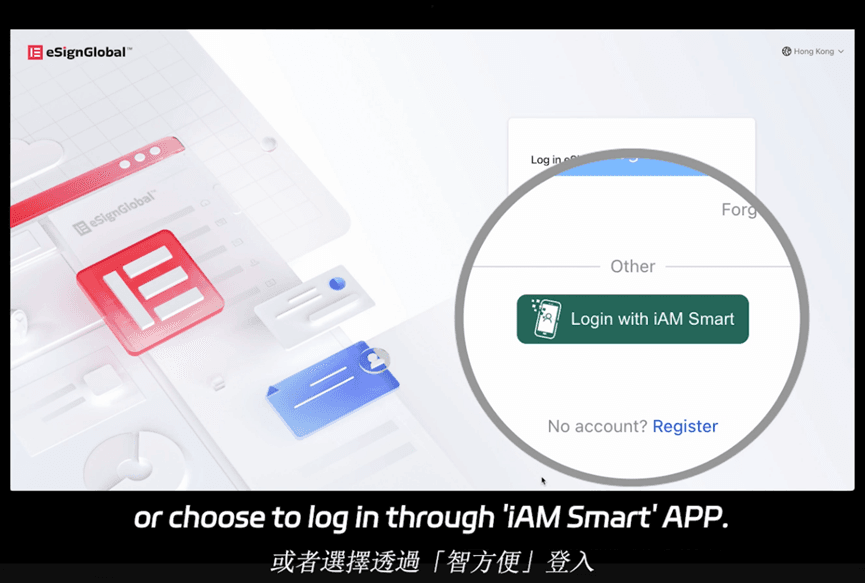
eSignGlobal emerges as a strong contender for businesses prioritizing APAC and global compliance without the overhead of Western giants. It supports electronic signatures in over 100 mainstream countries and regions, with particular advantages in Asia-Pacific through optimized speed and localized features. Pricing is more transparent and affordable; for details, visit eSignGlobal's pricing page. The Essential plan, at just $16.60/month, allows sending up to 100 documents for signature, unlimited user seats, and verification via access codes—offering high value on a compliance foundation. It integrates seamlessly with Hong Kong's iAM Smart and Singapore's Singpass, reducing friction for regional operations. While not as feature-rich in advanced automations as DocuSign, its cost-efficiency (often 30–50% lower than competitors) and data residency options make it appealing for cross-border teams seeking balanced scalability.
Other Competitors: HelloSign and PandaDoc
HelloSign (now Dropbox Sign) offers straightforward enterprise plans at ~$25/user/month, with unlimited envelopes but limited API depth. PandaDoc focuses on sales proposals, pricing at $19–$49/user/month, emphasizing templates over pure signing. Both are mid-tier alternatives to SignNow, suitable for sales-driven firms but less robust for global compliance.
Competitor Comparison Table
| Feature/Aspect | SignNow | DocuSign | Adobe Sign | eSignGlobal |
|---|---|---|---|---|
| Enterprise Starting Price (per user/month, annual) | $15–$40 (custom) | $40+ (custom) | $30–$50 (custom) | $16.60 (Essential) |
| Envelope Limit (per user/year) | ~100 (negotiable unlimited) | ~100 | ~100 | Up to 100/month (Essential) |
| User Seats | Scalable, per-seat | Up to 50+ (custom) | Unlimited in enterprise | Unlimited |
| Global Compliance | eIDAS, UETA; APAC variable | Strong in US/EU; APAC gaps | GDPR, eIDAS; regional add-ons | 100+ countries; APAC-native (iAM Smart, Singpass) |
| Key Strengths | User-friendly, affordable integrations | API depth, security | PDF/Office integration | Cost-effective, regional speed |
| Add-On Costs | $5–$10 for compliance/API | High (IAM, SMS ~$0.50/msg) | Metered verification | Low; bundled in plans |
| APAC Suitability | Moderate | Inconsistent latency | Support lags | Optimized, lower costs |
| TCO for 50 Users | $20K–$50K/year | $50K+ /year | $40K+ /year | $10K–$20K/year |
This table highlights trade-offs: SignNow offers flexibility for growing teams, while DocuSign and Adobe Sign command premiums for ecosystem maturity. eSignGlobal stands out for value in compliance-heavy regions, providing a neutral, cost-conscious option without sacrificing essentials.
Strategic Insights for Businesses
Selecting an e-signature provider involves weighing license fees against operational needs. SignNow's enterprise model suits agile organizations, but for those with APAC exposure, exploring alternatives can optimize costs and compliance. As a neutral DocuSign alternative with strong regional compliance, eSignGlobal merits consideration for balanced, efficient deployments.
FAQs
