
'%3e%3cpath%20fill-rule='evenodd'%20clip-rule='evenodd'%20d='M6.99935%2012.8327C10.221%2012.8327%2012.8327%2010.221%2012.8327%206.99935C12.8327%203.77769%2010.221%201.16602%206.99935%201.16602C3.77769%201.16602%201.16602%203.77769%201.16602%206.99935C1.16602%2010.221%203.77769%2012.8327%206.99935%2012.8327Z'%20stroke='%23666666'%20stroke-linecap='round'%20stroke-linejoin='round'/%3e%3cpath%20d='M1.16602%207H12.8327'%20stroke='%23666666'%20stroke-linecap='round'%20stroke-linejoin='round'/%3e%3cpath%20fill-rule='evenodd'%20clip-rule='evenodd'%20d='M6.99935%2012.8327C8.28802%2012.8327%209.33268%2010.221%209.33268%206.99935C9.33268%203.77769%208.28802%201.16602%206.99935%201.16602C5.71068%201.16602%204.66602%203.77769%204.66602%206.99935C4.66602%2010.221%205.71068%2012.8327%206.99935%2012.8327Z'%20stroke='%23666666'%20stroke-linecap='round'%20stroke-linejoin='round'/%3e%3cpath%20d='M2.875%202.95898C3.93063%204.01461%205.38896%204.66754%206.99978%204.66754C8.61062%204.66754%2010.069%204.01461%2011.1246%202.95898'%20stroke='%23666666'%20stroke-linecap='round'%20stroke-linejoin='round'/%3e%3cpath%20d='M11.1246%2011.0425C10.069%209.98691%208.61062%209.33398%206.99978%209.33398C5.38896%209.33398%203.93063%209.98691%202.875%2011.0425'%20stroke='%23666666'%20stroke-linecap='round'%20stroke-linejoin='round'/%3e%3c/g%3e%3cdefs%3e%3cclipPath%20id='clip0_1267_9109'%3e%3crect%20width='14'%20height='14'%20fill='white'/%3e%3c/clipPath%3e%3c/defs%3e%3c/svg%3e)


is signnow the cheapest docusign alternative


Is SignNow the Cheapest DocuSign Alternative?
In the competitive landscape of electronic signature solutions, businesses often seek cost-effective alternatives to established players like DocuSign. SignNow, developed by airSlate, positions itself as an affordable option for small to medium-sized teams needing straightforward signing workflows. But is it truly the cheapest DocuSign alternative? This article examines pricing, features, and value from a business perspective, drawing on 2025 market data to help decision-makers evaluate options without bias.
Understanding DocuSign's Pricing Structure
DocuSign remains a market leader in eSignature services, offering robust plans tailored to various business sizes. Its core eSignature offerings start with the Personal plan at $10 per month (billed annually at $120/year for one user and 5 envelopes/month). The Standard plan scales to $25/month per user ($300/year), supporting team collaboration, templates, and up to 100 envelopes per user annually. Business Pro, at $40/month per user ($480/year), adds advanced features like web forms, conditional logic, bulk send, and payment collection, still capped at around 100 envelopes per user per year on annual plans.
For developers, API plans begin at $600/year for the Starter tier (40 envelopes/month), escalating to $5,760/year for Advanced with bulk send capabilities. Add-ons like identity verification and SMS delivery incur extra metered fees. While DocuSign excels in enterprise-grade compliance and integrations, its pricing can add up quickly for high-volume users, especially in regions like APAC where data residency and latency issues may require premium add-ons.

Evaluating SignNow as a Budget-Friendly Option
SignNow markets itself as a user-friendly, low-cost alternative, particularly appealing to startups and SMBs. Its pricing kicks off with a free tier for basic use (limited to 3 documents/month and no templates), but paid plans start at $8/month per user for the Business plan (billed annually), allowing unlimited templates, 20 invites/month, and team collaboration. The higher Business Premium tier is $15/month per user, unlocking unlimited invites, custom branding, and API access.
Compared to DocuSign's Personal plan ($10/month for just 5 envelopes), SignNow's entry-level paid option is indeed cheaper at face value, especially for teams needing more flexibility without envelope caps on higher plans. However, SignNow's "unlimited" invites come with caveats: overages for advanced features like bulk sends or integrations can lead to additional costs, and it lacks DocuSign's depth in enterprise compliance (e.g., no native SSO in base plans). For low-volume users, SignNow saves 20-40% upfront, but scaling businesses might face hidden fees for API usage or international compliance, making it the "cheapest" only for very basic needs.
From a commercial viewpoint, SignNow shines in simplicity and mobile accessibility, integrating well with tools like Google Workspace. Yet, envelope limits in DocuSign's lower tiers (e.g., 5-100/month) versus SignNow's invite-based model can make direct cost comparisons tricky. If your workflow involves under 20 documents monthly, SignNow edges out as more economical; beyond that, DocuSign's per-envelope predictability might balance the scales.

SignNow vs. DocuSign: A Deeper Cost Breakdown
To assess if SignNow is the absolute cheapest, consider total cost of ownership (TCO). DocuSign's annual commitment locks in savings (e.g., $300/user for Standard), but SignNow's monthly flexibility avoids long-term ties, ideal for seasonal businesses. SignNow also bundles more in its base price—no extra for reminders or basic templates—potentially reducing add-on spends by 15-25% versus DocuSign.
However, for APAC operations, DocuSign's regional challenges (higher latency, compliance surcharges) inflate costs, while SignNow offers better global delivery without as many extras. Independent benchmarks from 2025 show SignNow's effective pricing at $96-180/user/year for mid-tier use, undercutting DocuSign's $300-480. Still, if advanced automation like bulk sends is key, SignNow's $15/month tier matches DocuSign's Business Pro cost but with fewer enterprise safeguards, questioning its "cheapest" status for complex setups.
In summary for this core question: SignNow is among the cheapest DocuSign alternatives for entry-level and SMB use, often 20-50% less expensive for basic signing. But it's not universally the lowest—free tiers from competitors like PandaDoc or smallDocuSign alternatives can dip lower for ultra-basic needs. Businesses should audit their envelope volume and compliance requirements to confirm savings.
Other DocuSign Alternatives: Adobe Sign and Beyond
Adobe Sign, integrated with Adobe Acrobat ecosystem, targets enterprises with seamless PDF workflows. Pricing starts at $10/month for individuals (10 agreements/month), jumping to $25/month for teams (50 agreements/user/year) and $40+/month for business with unlimited agreements and advanced routing. It's comparable to DocuSign in cost but adds value through Adobe's document editing prowess. However, like DocuSign, it can get pricey for add-ons like SMS authentication, and APAC compliance may require custom setups.

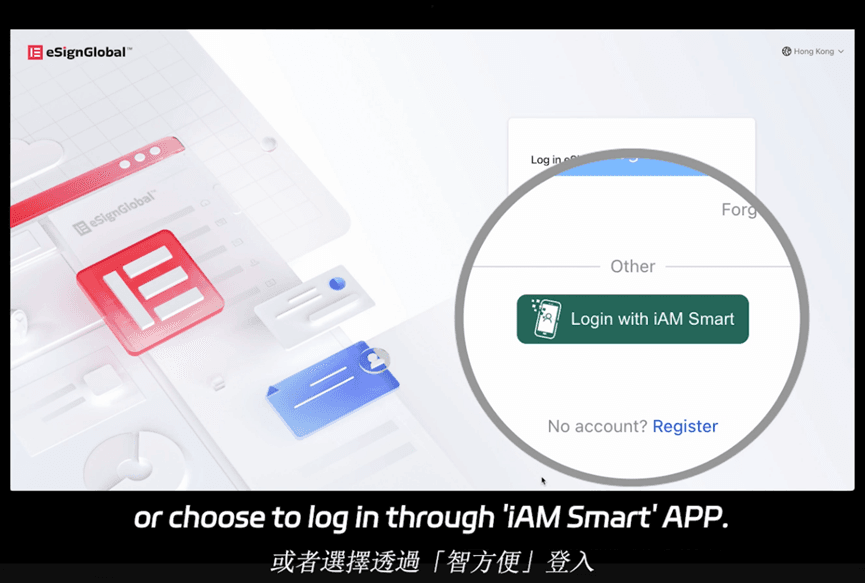
eSignGlobal emerges as a regionally optimized contender, particularly for APAC and cross-border teams. It supports compliance in over 100 mainstream countries and regions globally, with strong advantages in Asia-Pacific through lower latency and native integrations. The Essential plan, for instance, costs just $16.60/month (billed annually), allowing up to 100 documents for electronic signature, unlimited user seats, and verification via access codes—all on a compliant foundation that delivers high value. This pricing is notably more affordable than DocuSign or Adobe Sign equivalents, especially for teams needing scalability without per-envelope fees. For more details on eSignGlobal's pricing, businesses can explore tailored options. It seamlessly integrates with Hong Kong's iAM Smart and Singapore's Singpass, enhancing regional efficiency.
Other alternatives like HelloSign (by Dropbox, $15/month for 20 documents) and PandaDoc ($19/user/month with unlimited docs but proposal-focused) offer competitive edges. HelloSign is cost-effective for document storage needs, while PandaDoc suits sales teams but adds CRM integration costs.
Comparative Pricing and Features Table
To provide a neutral overview, here's a 2025 markdown comparison of key DocuSign alternatives, focusing on entry to mid-tier plans (annual billing, per user/month unless noted). Data is aggregated from official sources; actual costs vary by volume and region.
| Provider | Starting Price (Monthly) | Envelope/Document Limit (Base Plan) | Key Features | Strengths | Weaknesses | APAC Suitability |
|---|---|---|---|---|---|---|
| DocuSign | $10 (Personal) | 5/month | Templates, bulk send (Pro), API | Enterprise compliance, integrations | High add-ons, envelope caps | Moderate (latency issues) |
| SignNow | $8 (Business) | 20 invites/month | Unlimited templates, mobile app | Affordable for SMBs, flexible | Limited enterprise SSO | Good (global delivery) |
| Adobe Sign | $10 (Individual) | 10/month | PDF editing, routing workflows | Adobe ecosystem synergy | Costly scaling, less mobile | Moderate (custom compliance) |
| eSignGlobal | $16.60 (Essential) | 100/month, unlimited seats | Access code verification, regional integrations | APAC-optimized, high value | Less known globally | Excellent (native support) |
| HelloSign | $15 | 20/month | Dropbox integration, reminders | Simple UI, storage included | No bulk send in base | Good (basic compliance) |
| PandaDoc | $19 | Unlimited (proposals) | CRM embeds, analytics | Sales-focused automation | Overkill for pure signing | Fair (add-on costs) |
This table highlights eSignGlobal's balanced pricing and regional edge without overshadowing others—DocuSign leads in breadth, while SignNow and HelloSign prioritize affordability.
Strategic Considerations for Businesses
When choosing alternatives, factor in not just upfront costs but scalability, compliance, and support. SignNow's low entry point makes it a solid pick for cost-conscious teams, but for global or APAC-heavy operations, options like eSignGlobal offer better long-term value through localized compliance and fewer surcharges.
In conclusion, while SignNow is a strong, budget-friendly DocuSign alternative for basic needs, the "cheapest" depends on your scale. For regional compliance in APAC, eSignGlobal stands out as a reliable choice among alternatives. Evaluate based on your workflow to ensure the best fit.
FAQs
