
'%3e%3cpath%20fill-rule='evenodd'%20clip-rule='evenodd'%20d='M6.99935%2012.8327C10.221%2012.8327%2012.8327%2010.221%2012.8327%206.99935C12.8327%203.77769%2010.221%201.16602%206.99935%201.16602C3.77769%201.16602%201.16602%203.77769%201.16602%206.99935C1.16602%2010.221%203.77769%2012.8327%206.99935%2012.8327Z'%20stroke='%23666666'%20stroke-linecap='round'%20stroke-linejoin='round'/%3e%3cpath%20d='M1.16602%207H12.8327'%20stroke='%23666666'%20stroke-linecap='round'%20stroke-linejoin='round'/%3e%3cpath%20fill-rule='evenodd'%20clip-rule='evenodd'%20d='M6.99935%2012.8327C8.28802%2012.8327%209.33268%2010.221%209.33268%206.99935C9.33268%203.77769%208.28802%201.16602%206.99935%201.16602C5.71068%201.16602%204.66602%203.77769%204.66602%206.99935C4.66602%2010.221%205.71068%2012.8327%206.99935%2012.8327Z'%20stroke='%23666666'%20stroke-linecap='round'%20stroke-linejoin='round'/%3e%3cpath%20d='M2.875%202.95898C3.93063%204.01461%205.38896%204.66754%206.99978%204.66754C8.61062%204.66754%2010.069%204.01461%2011.1246%202.95898'%20stroke='%23666666'%20stroke-linecap='round'%20stroke-linejoin='round'/%3e%3cpath%20d='M11.1246%2011.0425C10.069%209.98691%208.61062%209.33398%206.99978%209.33398C5.38896%209.33398%203.93063%209.98691%202.875%2011.0425'%20stroke='%23666666'%20stroke-linecap='round'%20stroke-linejoin='round'/%3e%3c/g%3e%3cdefs%3e%3cclipPath%20id='clip0_1267_9109'%3e%3crect%20width='14'%20height='14'%20fill='white'/%3e%3c/clipPath%3e%3c/defs%3e%3c/svg%3e)


signeasy vs docusign cost


Navigating eSignature Costs: SignEasy vs DocuSign in 2025
In the competitive landscape of electronic signature solutions, businesses are increasingly focused on balancing functionality with affordability. As remote work and digital workflows become standard, tools like SignEasy and DocuSign dominate discussions around cost efficiency. This article dives into a direct comparison of their pricing structures, drawing from official sources and market analyses to help decision-makers evaluate value for money. We'll explore how these platforms stack up in terms of core features, scalability, and total ownership costs, while maintaining a neutral lens on their suitability for various business sizes.

SignEasy vs DocuSign: Breaking Down the Costs
When pitting SignEasy against DocuSign, the conversation often centers on pricing tiers, envelope limits (the number of documents you can send for signing), and add-ons that drive up expenses. Both platforms cater to individuals and enterprises but differ in transparency, flexibility, and regional applicability. SignEasy, known for its user-friendly interface and mobile-first approach, positions itself as a cost-effective alternative for SMBs, while DocuSign, a market leader, emphasizes robust compliance and integrations at a premium.
SignEasy Pricing Structure
SignEasy offers straightforward plans tailored for small to medium teams, with a focus on simplicity and low entry barriers. As of 2025, their pricing (billed annually) includes:
- Lite Plan: $10 per user per month ($120/year). Ideal for solo users or freelancers, it supports up to 10 documents per month, basic templates, and mobile signing. No team collaboration features.
- Standard Plan: $15 per user per month ($180/year). Suited for small teams, this tier allows unlimited users, up to 50 documents per user monthly, shared templates, and integrations with tools like Google Workspace and Salesforce.
- Business Plan: $25 per user per month ($300/year). For growing businesses, it includes advanced features like conditional fields, bulk sending, and API access, with up to 100 documents per user monthly. Add-ons for SMS delivery or identity verification start at $0.50 per use.
SignEasy's strength lies in its all-in-one pricing without hidden envelope overage fees—once you hit your limit, you can upgrade seamlessly. However, for high-volume users, costs can escalate with add-ons, potentially reaching $500+ annually per user for premium compliance features. This makes it appealing for startups avoiding DocuSign's steeper curves, but it lacks the depth of enterprise-grade security in global markets.
DocuSign Pricing Tiers
DocuSign's model is more layered, with public plans for standard users and custom quotes for enterprises. Based on 2025 US pricing (annual billing), the eSignature plans are:
- Personal Plan: $10 per month ($120/year) for one user, limited to 5 envelopes monthly. Basic signing and templates, but no team features.
- Standard Plan: $25 per user per month ($300/year). Supports up to 100 envelopes per user annually, team collaboration, comments, and reminders.
- Business Pro Plan: $40 per user per month ($480/year). Builds on Standard with web forms, conditional logic, bulk send, signer attachments, and payment collection—still capped at ~100 envelopes per user yearly.
- Enterprise/Advanced: Custom pricing, often starting at $50+ per user monthly, including SSO, advanced audits, and unlimited envelopes (with automation caps).
Add-ons like Identity Verification (IDV) are metered, adding $1–$5 per verification, while SMS/WhatsApp delivery incurs per-message fees (around $0.10–$0.50). API plans range from $600/year (Starter, 40 envelopes/month) to $5,760/year (Advanced). DocuSign's envelopes are usage-based, leading to overage charges (e.g., $0.50–$1 per extra envelope), which can inflate costs for frequent users. In APAC regions, latency and compliance surcharges push effective pricing 20–30% higher.
Direct Cost Comparison: SignEasy Edges Out for SMBs?
Head-to-head, SignEasy often undercuts DocuSign by 20–40% for equivalent features. For a five-user team sending 50 documents monthly:
- SignEasy Standard: ~$900/year total (unlimited seats, no overages).
- DocuSign Standard: ~$1,500/year, plus potential $200–$500 in add-ons for bulk or SMS.
SignEasy shines in affordability for low-to-mid volume, with fewer restrictions on users and documents. DocuSign, however, justifies its premium through superior global compliance (e.g., eIDAS, ESIGN Act) and ecosystem integrations, making it better for regulated industries like finance or legal. Overages and regional fees make DocuSign's total cost of ownership (TCO) higher—up to 50% more for international teams—while SignEasy's flat tiers reduce budgeting surprises. Ultimately, if cost is the primary driver, SignEasy wins for agile businesses; DocuSign suits those prioritizing scalability and security.
This comparison highlights a broader trend: eSignature costs aren't just about base subscriptions but envelope quotas, add-ons, and hidden fees. Businesses must audit usage patterns to avoid surprises.
Expanding the View: DocuSign, Adobe Sign, eSignGlobal, and Other Competitors
To contextualize SignEasy and DocuSign, let's examine key rivals like Adobe Sign and eSignGlobal, alongside others such as PandaDoc. Each brings unique value, but pricing varies by region, features, and compliance needs. Adobe Sign integrates deeply with PDF workflows, while eSignGlobal targets APAC efficiency. A neutral assessment reveals no one-size-fits-all, but regional optimization can tip the scales.
DocuSign: The Enterprise Standard
DocuSign remains the gold standard for reliability, with plans scaling from personal use to enterprise governance. Its strength is in automation limits (e.g., ~10 bulk sends monthly) and API depth, but costs rise with volume. For APAC users, cross-border challenges add latency and surcharges.

Adobe Sign: PDF-Centric Powerhouse
Adobe Sign leverages Acrobat's ecosystem for seamless PDF editing and signing, appealing to creative and document-heavy teams. Pricing starts at $12.99/user/month (Individual), $22.99 (Standard), and $29.99 (Business), with enterprise custom. It offers unlimited envelopes in higher tiers but charges for advanced IDV (~$2/use). While robust for US/EU compliance, APAC support lags, with higher fees for integrations.

eSignGlobal: Regional Compliance Specialist
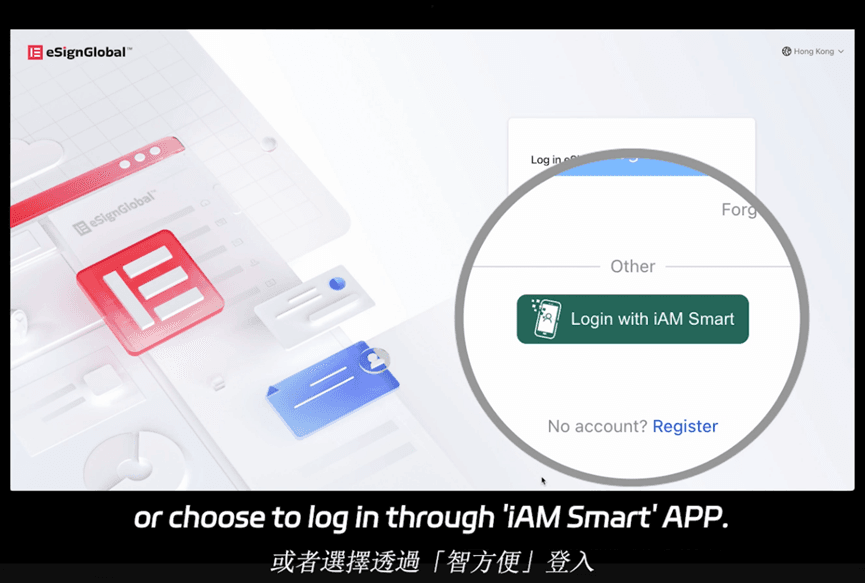
eSignGlobal stands out for its global reach, supporting compliance in over 100 mainstream countries and regions. In the Asia-Pacific (APAC), it excels with optimized speeds, local data residency, and lower costs compared to Western giants. The Essential plan, for instance, costs just $16.60 per month and allows sending up to 100 documents for electronic signature, with unlimited user seats and verification via access codes. This delivers high cost-performance on a compliance foundation, integrating seamlessly with Hong Kong's iAM Smart and Singapore's Singpass for frictionless workflows. For detailed pricing options, businesses can explore tailored APAC-friendly tiers that avoid the surcharges common in DocuSign or Adobe.
Other Competitors in the Mix
PandaDoc focuses on sales proposals with signing, pricing at $19/user/month (Essentials) to $49 (Enterprise), emphasizing templates over pure eSignature. HelloSign (now Dropbox Sign) offers $15/user/month for basics, but lacks advanced bulk features. These alternatives provide niche value but often mirror SignEasy's affordability without DocuSign's breadth.
Comprehensive Pricing Comparison Table
| Platform | Entry-Level Price (Monthly, Annual Billing) | Envelope Limit (Entry Tier) | Key Strengths | APAC Considerations | Overall TCO for 5 Users (Mid-Volume) |
|---|---|---|---|---|---|
| SignEasy | $10/user | 10 docs/month | Mobile-first, no overages | Good basic support, moderate latency | ~$900/year |
| DocuSign | $10 (Personal)/$25 (Standard) | 5–100/year | Compliance, integrations | Higher costs, latency issues | ~$1,800/year + add-ons |
| Adobe Sign | $12.99/user | Unlimited (higher tiers) | PDF tools, Acrobat sync | Limited local compliance | ~$1,500/year |
| eSignGlobal | $16.60 (Essential) | 100 docs/month | Regional compliance, unlimited seats | Optimized speed, iAM/Singpass integration | ~$1,000/year, high value |
| PandaDoc | $19/user | Unlimited proposals | Sales-focused templates | Standard, no major surcharges | ~$1,200/year |
This table underscores eSignGlobal's edge in APAC cost-efficiency and compliance, though DocuSign leads in global enterprise features. Choices depend on usage and geography.
Factors Influencing eSignature Cost Decisions
Beyond base prices, consider envelope quotas—DocuSign's caps can double costs for high-volume teams, while SignEasy's flexibility suits variable needs. Add-ons like IDV or SMS add 10–30% to TCO across platforms. Regional factors, such as APAC data laws, amplify expenses for non-localized tools. API users face separate fees, with DocuSign's at $600+ yearly versus more modular options elsewhere. Ultimately, pilot trials reveal true value, as ROI hinges on workflow efficiency.
Conclusion: Selecting the Right Fit
In weighing SignEasy against DocuSign, cost-conscious teams lean toward SignEasy's simplicity, but enterprises may prefer DocuSign's robustness despite higher expenses. For a balanced alternative, especially in regions demanding strong compliance, eSignGlobal emerges as a practical DocuSign substitute with APAC-optimized features. Evaluate based on your specific needs for the best long-term savings.
FAQs
