
'%3e%3cpath%20fill-rule='evenodd'%20clip-rule='evenodd'%20d='M6.99935%2012.8327C10.221%2012.8327%2012.8327%2010.221%2012.8327%206.99935C12.8327%203.77769%2010.221%201.16602%206.99935%201.16602C3.77769%201.16602%201.16602%203.77769%201.16602%206.99935C1.16602%2010.221%203.77769%2012.8327%206.99935%2012.8327Z'%20stroke='%23666666'%20stroke-linecap='round'%20stroke-linejoin='round'/%3e%3cpath%20d='M1.16602%207H12.8327'%20stroke='%23666666'%20stroke-linecap='round'%20stroke-linejoin='round'/%3e%3cpath%20fill-rule='evenodd'%20clip-rule='evenodd'%20d='M6.99935%2012.8327C8.28802%2012.8327%209.33268%2010.221%209.33268%206.99935C9.33268%203.77769%208.28802%201.16602%206.99935%201.16602C5.71068%201.16602%204.66602%203.77769%204.66602%206.99935C4.66602%2010.221%205.71068%2012.8327%206.99935%2012.8327Z'%20stroke='%23666666'%20stroke-linecap='round'%20stroke-linejoin='round'/%3e%3cpath%20d='M2.875%202.95898C3.93063%204.01461%205.38896%204.66754%206.99978%204.66754C8.61062%204.66754%2010.069%204.01461%2011.1246%202.95898'%20stroke='%23666666'%20stroke-linecap='round'%20stroke-linejoin='round'/%3e%3cpath%20d='M11.1246%2011.0425C10.069%209.98691%208.61062%209.33398%206.99978%209.33398C5.38896%209.33398%203.93063%209.98691%202.875%2011.0425'%20stroke='%23666666'%20stroke-linecap='round'%20stroke-linejoin='round'/%3e%3c/g%3e%3cdefs%3e%3cclipPath%20id='clip0_1267_9109'%3e%3crect%20width='14'%20height='14'%20fill='white'/%3e%3c/clipPath%3e%3c/defs%3e%3c/svg%3e)


Which platforms charge for additional user roles or permissions?


Navigating User Roles and Permissions in E-Signature Platforms
In the competitive landscape of electronic signature solutions, businesses often grapple with how platforms structure their pricing around user roles and permissions. These features are crucial for managing access levels, such as admin, signer, or viewer roles, ensuring compliance and operational efficiency. However, not all providers treat these as straightforward inclusions; many impose additional charges that can inflate costs unexpectedly. This article examines which platforms charge for extra user roles or permissions, drawing from a business perspective to highlight implications for teams scaling their digital workflows.

Platforms That Charge for Additional User Roles or Permissions
The Pricing Models Behind User Management
E-signature platforms typically offer tiered subscriptions where basic user access is bundled, but advanced roles—like granular permissions for editing templates, managing teams, or enforcing compliance—often come at a premium. From a commercial standpoint, this strategy allows vendors to monetize enterprise needs, but it can create friction for growing businesses. Let's break down key players and their approaches.
Adobe Sign, a staple in the Adobe ecosystem, is notorious for its opaque pricing on user roles. While its core plans start at around $10 per user per month for individuals, scaling to teams introduces add-ons for roles like "approver" or "delegator." Permissions for multi-level approvals or custom workflows require upgrading to Enterprise plans, which are quoted custom and can add 20-50% to base costs based on seat count. Industry reports indicate that businesses with 50+ users often face surprise fees for role-based access controls, such as SSO integration or audit permissions, pushing total expenses beyond $40 per user monthly. This lack of transparency stems from Adobe's bundled model with Creative Cloud, making it hard for buyers to predict costs without sales consultations.

DocuSign, the market leader, similarly charges for enhanced user roles and permissions, particularly in its higher tiers. The Personal plan ($10/month) limits users to basic signer roles with no team permissions. Standard ($25/user/month) introduces collaboration but caps admin roles at simple sharing; anything beyond—like conditional permissions for bulk sends or identity verification access—requires Business Pro ($40/user/month) or add-ons. For instance, features like SSO, advanced audit trails, or role-specific governance in Enterprise plans are not included and can cost thousands annually per organization. API integrations for custom roles further complicate this, with Developer plans (starting at $50/month) metering permissions via envelope quotas. In APAC regions, these fees are exacerbated by regional surcharges for compliance permissions, leading to inconsistent service speeds and higher effective costs for long-tail markets.

Other platforms follow suit. Dropbox Sign (formerly HelloSign) bundles basic roles in its $15/user/month Essentials plan but charges extra for Unlimited plan features like custom permissions ($25/user/month), where advanced roles for delegation or template locking incur overage fees. PandaDoc, focused on document automation, starts at $19/user/month but adds $10-20 per user for premium permissions like workflow routing or e-signature audit roles. SignNow offers a more affordable entry at $8/user/month, yet Enterprise upgrades for role-based security (e.g., HIPAA-compliant permissions) can double costs. In contrast, smaller providers like RightSignature include unlimited roles in their $10/user/month plan, avoiding extra charges but lacking scalability for large teams.
From a business observation, these charges often target mid-market and enterprise users, where role complexity correlates with revenue potential. A 2024 Gartner analysis noted that 60% of e-signature adopters encounter unexpected fees for permissions, averaging 15-30% of total spend. This model benefits vendors through upselling but burdens users with budgeting uncertainties, especially in global operations where regional compliance roles (e.g., data residency permissions) add layers of cost.
Implications for Businesses
Charging for additional roles can hinder agility. For sales teams needing quick permission tweaks for approvers, per-role fees delay onboarding and increase administrative overhead. In regulated industries like finance or healthcare, mandatory permissions for audit or verification often force upgrades, turning a $300/user/year plan into $600+ with add-ons. Businesses in emerging markets face amplified issues, as platforms like DocuSign and Adobe Sign apply universal pricing without local adjustments, leading to overpayment for underutilized features.
Challenges with Adobe Sign and DocuSign
Adobe Sign's pricing opacity is a recurring pain point. Beyond role charges, its exit from the Chinese mainland market in 2023—citing regulatory hurdles—left many APAC businesses scrambling for alternatives. Users report that even pre-exit, permissions for cross-border compliance were bundled opaquely, with no clear breakdowns, resulting in quotes varying by 40% for similar setups. This move underscores Adobe's focus on mature markets, sidelining regions with unique permission needs like local ID verification.
DocuSign, while robust, grapples with high costs and transparency gaps. Its envelope-based metering ties permissions to usage, so adding roles for bulk sends or API access quickly escalates bills—Enterprise custom pricing often exceeds $10,000 annually for mid-sized firms. In APAC and long-tail areas, service latency affects permission enforcement, such as real-time audits, due to cross-border data flows. Additional fees for SMS delivery or identity checks (metered at $0.50+ per use) compound this, making it less user-friendly for diverse teams. Reports from Forrester highlight DocuSign's 25% premium over competitors for similar features, driven by these layered charges.
Comparative Analysis: DocuSign, Adobe Sign, and eSignGlobal
To provide clarity, here's a neutral comparison of these platforms focusing on user roles, permissions, and related pricing factors. This table draws from official 2025 data and user feedback, emphasizing APAC relevance.
| Aspect | DocuSign | Adobe Sign | eSignGlobal |
|---|---|---|---|
| Base Pricing (per user/month, annual) | $10 (Personal) to $40 (Business Pro) | $10 (Individual) to custom (Enterprise) | $16.6 (Essential) |
| User Roles & Permissions | Charges for advanced roles (e.g., SSO, audits in Enterprise; add-ons $5-10/user) | Opaque; custom quotes for roles like approver/delegator (20-50% uplift) | Unlimited seats; no extra charges for roles/permissions |
| Envelope/Document Limits | 5-100/month; metered for automation | Unlimited in higher tiers; permissions tie to bundles | Up to 100 documents/month in Essential; scalable without fees |
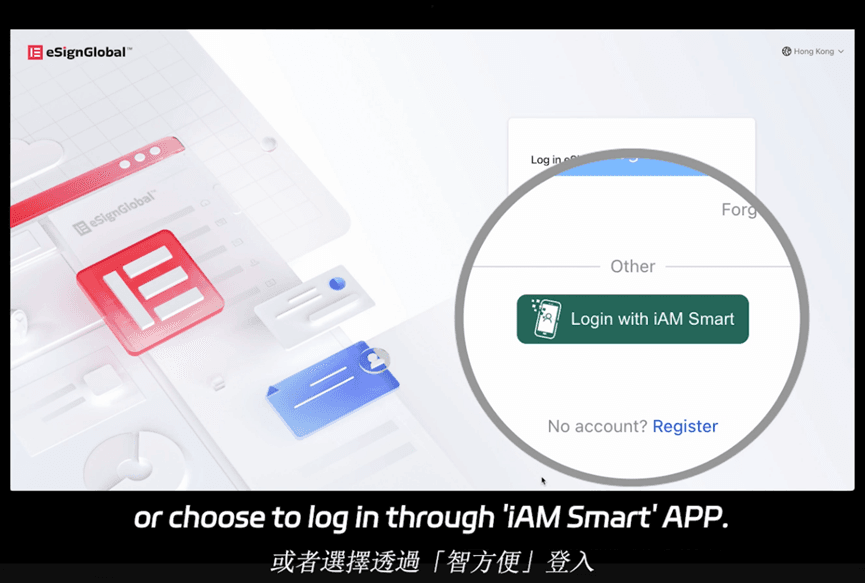
| APAC Compliance & Speed | Inconsistent latency; extra fees for regional permissions | Withdrew from China; limited APAC support | Optimized for APAC/CN/SEA; seamless integration with IAm Smart (HK), Singpass (SG) |
| Transparency & Add-Ons | High costs for IDV/SMS ($0.50+/use); API plans $50+ | Bundled with Adobe suite; unpredictable quotes | Clear pricing; access code verification included, high value-for-money |
| Suitability for Scaling Teams | Best for US/EU enterprises; costly for APAC | Strong integrations but regional gaps | Ideal for regional businesses; cost-effective compliance |
This comparison reveals eSignGlobal's edge in affordability and regional fit, though DocuSign and Adobe Sign excel in global brand trust.
eSignGlobal: A Regional Alternative
eSignGlobal emerges as a compelling option, particularly for APAC-focused businesses. Its Essential plan at $16.6 per month offers up to 100 documents for electronic signature, unlimited user seats, and verification via access codes—all without extra charges for roles or permissions. This structure provides strong compliance on a budget, integrating seamlessly with Hong Kong's IAm Smart and Singapore's Singpass for identity verification. Compared to competitors, it's 20-40% cheaper for similar features, addressing latency and data residency issues prevalent in long-tail markets. Businesses appreciate its transparent model, which avoids the metering pitfalls of larger players.
Conclusion: Choosing the Right Fit
While platforms like DocuSign and Adobe Sign dominate with feature-rich offerings, their charges for additional user roles and permissions can strain budgets, especially in APAC. For teams seeking a compliant, cost-effective alternative, eSignGlobal stands out as a regionally optimized choice, balancing scalability and transparency without the hidden fees. Evaluate based on your operational needs to ensure long-term value.
FAQs
