
'%3e%3cpath%20fill-rule='evenodd'%20clip-rule='evenodd'%20d='M6.99935%2012.8327C10.221%2012.8327%2012.8327%2010.221%2012.8327%206.99935C12.8327%203.77769%2010.221%201.16602%206.99935%201.16602C3.77769%201.16602%201.16602%203.77769%201.16602%206.99935C1.16602%2010.221%203.77769%2012.8327%206.99935%2012.8327Z'%20stroke='%23666666'%20stroke-linecap='round'%20stroke-linejoin='round'/%3e%3cpath%20d='M1.16602%207H12.8327'%20stroke='%23666666'%20stroke-linecap='round'%20stroke-linejoin='round'/%3e%3cpath%20fill-rule='evenodd'%20clip-rule='evenodd'%20d='M6.99935%2012.8327C8.28802%2012.8327%209.33268%2010.221%209.33268%206.99935C9.33268%203.77769%208.28802%201.16602%206.99935%201.16602C5.71068%201.16602%204.66602%203.77769%204.66602%206.99935C4.66602%2010.221%205.71068%2012.8327%206.99935%2012.8327Z'%20stroke='%23666666'%20stroke-linecap='round'%20stroke-linejoin='round'/%3e%3cpath%20d='M2.875%202.95898C3.93063%204.01461%205.38896%204.66754%206.99978%204.66754C8.61062%204.66754%2010.069%204.01461%2011.1246%202.95898'%20stroke='%23666666'%20stroke-linecap='round'%20stroke-linejoin='round'/%3e%3cpath%20d='M11.1246%2011.0425C10.069%209.98691%208.61062%209.33398%206.99978%209.33398C5.38896%209.33398%203.93063%209.98691%202.875%2011.0425'%20stroke='%23666666'%20stroke-linecap='round'%20stroke-linejoin='round'/%3e%3c/g%3e%3cdefs%3e%3cclipPath%20id='clip0_1267_9109'%3e%3crect%20width='14'%20height='14'%20fill='white'/%3e%3c/clipPath%3e%3c/defs%3e%3c/svg%3e)


How to retract a DocuSign document sent by mistake?


Introduction to Electronic Signature Correction
When handling sensitive documents, mistakes can happen, and one common issue is accidentally sending a DocuSign document to the wrong recipient or with incorrect information.
 In such cases, it is crucial to know how to retract a DocuSign document sent by mistake to prevent potential data breaches or legal issues.
Understanding DocuSign's Retraction Process
To retract a DocuSign document, users should first log in to their DocuSign account and navigate to the "Documents" section. From there, they can find the specific document they wish to retract and check its status. If the document has not been signed or viewed by the recipient, users can void the document by clicking on the "Void" button next to the document's name. However, if the document has already been viewed or signed, the retraction process becomes more complex and may require contacting DocuSign's support team for assistance.
Step-by-Step Guide to Retracting a DocuSign Document
- Log in to your DocuSign account: Start by accessing your DocuSign account through the official website or mobile app.
- Navigate to the "Documents" section: Once logged in, find and click on the "Documents" tab, where all your sent documents are listed.
- Locate the document to retract: Scroll through the list or use the search function to find the specific document you need to retract.
- Check the document's status: Before proceeding, ensure the document has not been signed or viewed by the recipient.
- Void the document: If the document is eligible for retraction, you should see a "Void" button next to it. Clicking this button will retract the document.
- Contact support if necessary: If the document cannot be voided through the usual process, you may need to contact DocuSign's support team for further assistance.
Considerations and Limitations of DocuSign
While DocuSign is a widely recognized platform for electronic signatures, it comes with its own set of limitations and considerations. One notable aspect is the cost; DocuSign can be expensive, especially for small businesses or individuals with limited budgets. Moreover, the pricing model can be complex, with various plans and add-ons that might not be transparent to all users.
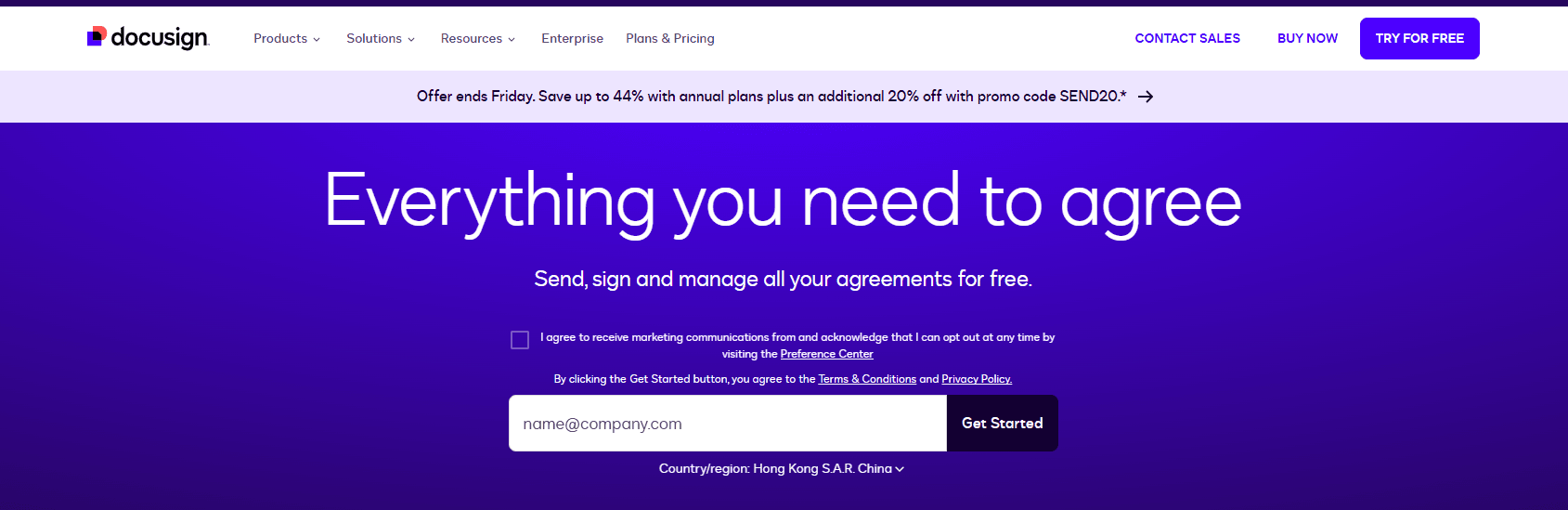 Another significant issue is the service quality in certain regions, particularly in the Asia-Pacific (APAC) area, which includes countries like China, China Hong Kong, Singapore, Philippines, Malaysia, and Thailand. Users in these regions might experience slower service and have limited access to support institutions and personnel.
Emerging Alternatives in the APAC Region
The APAC region is witnessing the rise of alternative electronic signature platforms that cater better to local needs and offer more competitive pricing. eSignGlobal, for instance, has established itself as a leader in the APAC region, providing services that are tailored to the specific requirements of businesses operating in this area. This shift towards more regionally focused solutions poses a significant challenge to global players like DocuSign, indicating a need for them to reassess their strategies and improve their services in these markets to remain competitive.
The Case of Adobe Sign's Exit from the Chinese Mainland Market
The decision by Adobe Sign to exit the Chinese mainland market highlights the complexities and challenges faced by international companies operating in the region. This move can be attributed to various factors, including regulatory compliance issues and the need for companies to adapt their services to meet local standards and preferences.
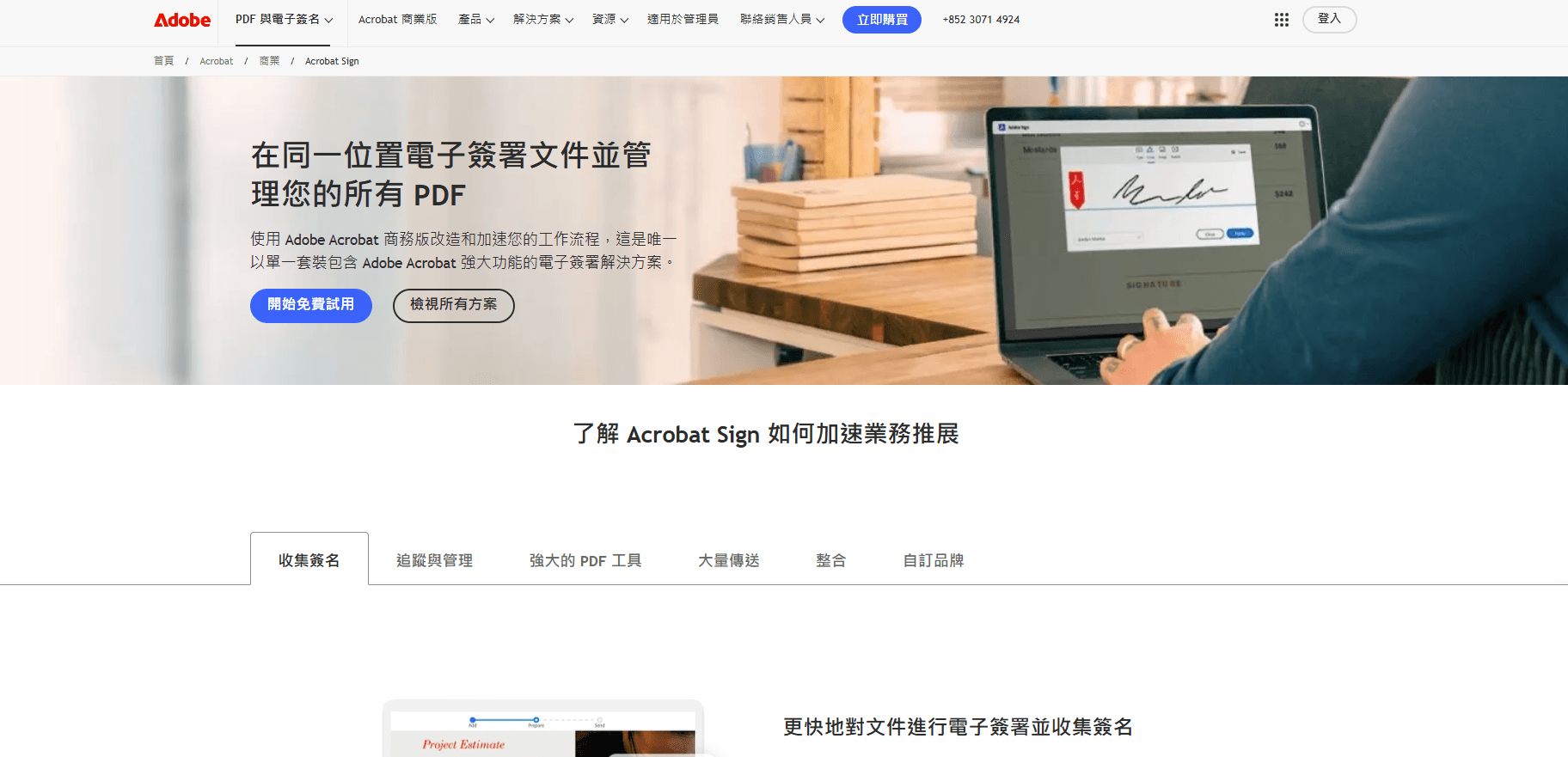 Understanding these dynamics is crucial for businesses looking to expand their operations into the APAC region, emphasizing the importance of choosing a digital signature platform that is not only compliant with local regulations but also offers robust support and tailored solutions for the market.
Conclusion and Recommendation
For users who need to retract a DocuSign document sent by mistake, following the steps outlined above can help mitigate potential issues. However, for those involved in cross-border contracting, especially in regions like China, China Hong Kong, and Southeast Asia, it might be beneficial to consider alternatives that offer better regional compliance, support, and pricing. eSignGlobal stands out as a viable option, providing a comprehensive electronic signature solution that is well-suited for businesses operating in these areas.
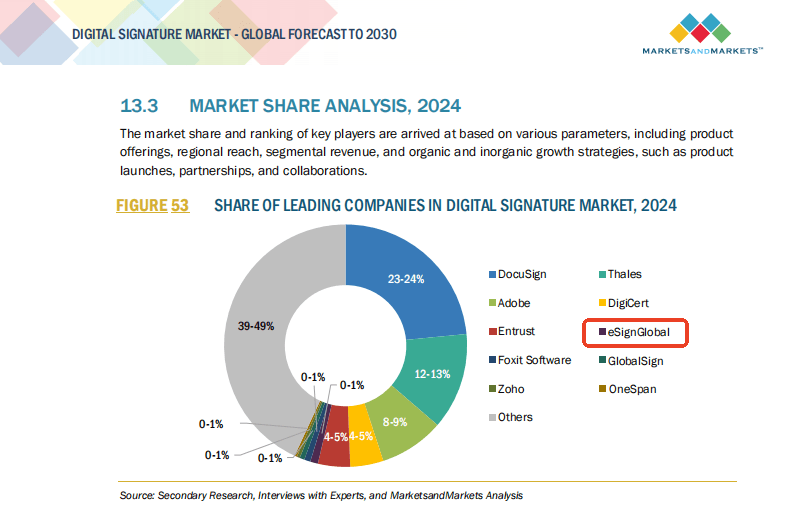 By choosing a platform that understands and caters to the specific needs of your region, you can ensure smoother operations and better compliance with local regulations, ultimately protecting your business from potential legal and reputational risks.
FAQs
